
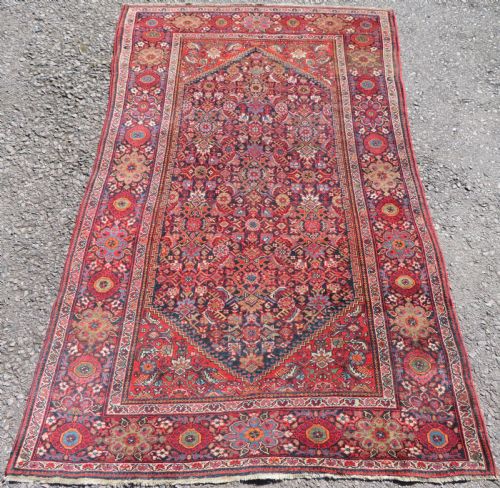


Persian Malayer Rug Runner
A persian malayer rug runner brings exceptional warmth and character to a hallway, balancing intricate floral motifs with enduring village craftsmanship.
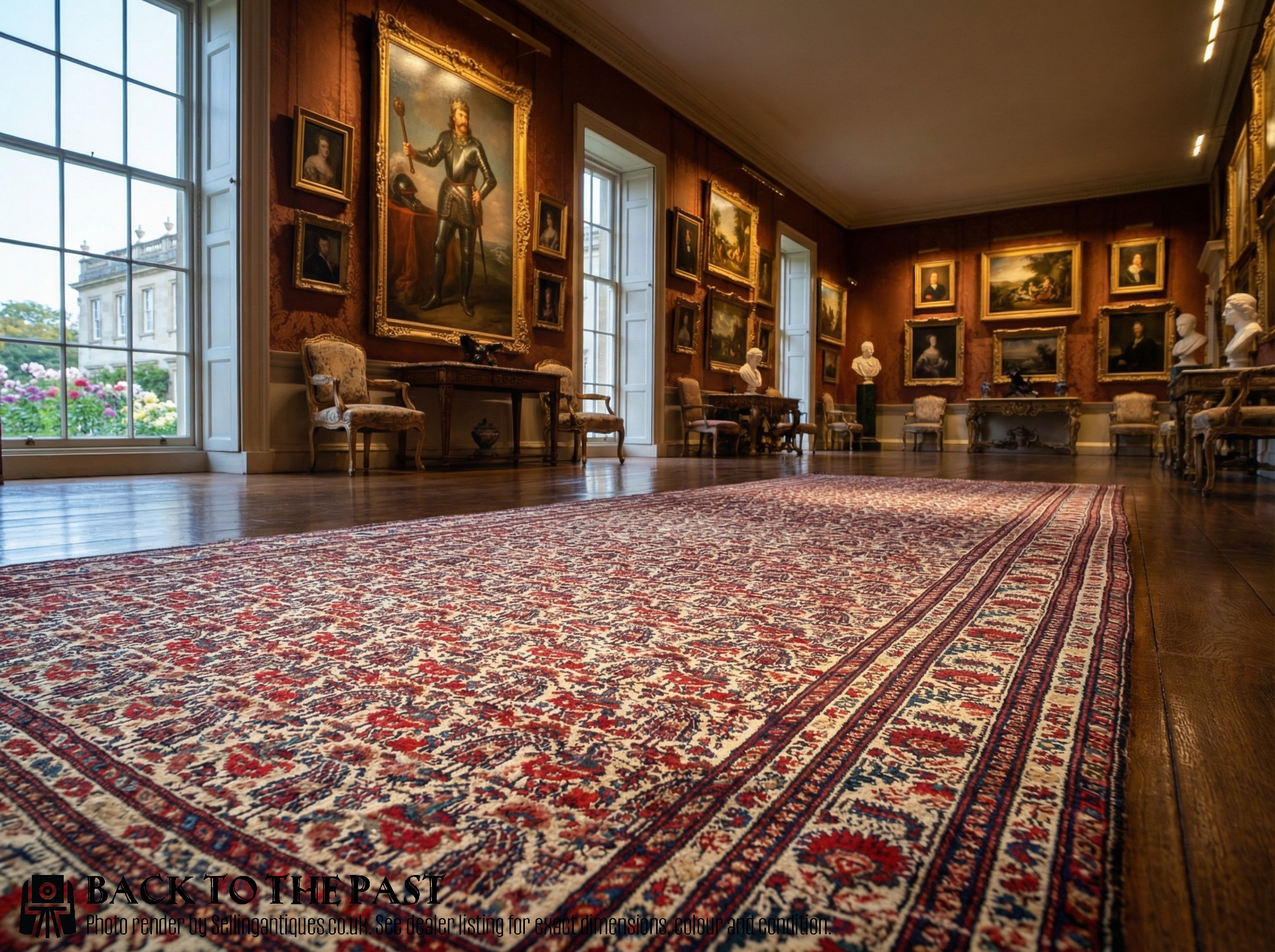
Persian Malayer Rug Runner
When you search for a persian malayer rug runner, you encounter hand-knotted floor coverings originating from the Malayer region in western Persia. These pieces date predominantly from the late nineteenth century up to the early twentieth century, encompassing the 1890, 1900, and 1910 periods.
The selections on this page appear primarily as elongated hallway runners and specific rug formats including kelleh and area sizes. They display traditional Persian designs such as all-over lattice patterns and ivory grounds adorned with butterfly motifs.
Buyers select these particular carpets to anchor long corridors and narrow spaces with historical depth. The typical formats provide practical dimensions for high-traffic domestic areas while maintaining authentic regional artistry.
How they were made
Weavers in the Malayer region constructed these textiles using natural wool pile knotted onto sturdy cotton foundations. This combination of materials provides the necessary resilience for narrow formats subjected to daily foot traffic.
The construction relies on traditional hand-knotting techniques executed on vertical looms. This method allows for the tight density required to render intricate lattice work and detailed ornamental motifs clearly along lengthy runner dimensions.
Current listings exclusively feature pieces utilising wool and cotton materials dated across three distinct decades: 1890, 1900, and 1910.
What varies in quality
Quality in these textiles rests upon the fineness of the knotting and the precision of the drawing within the lattice or field designs. Tighter knot density allows for crisper execution of traditional Persian motifs and greater longevity underfoot.
The handling of the wool pile also dictates the overall standard, as superior fleeces retain a softer handle and richer lustre over decades of use. Furthermore, the balance of proportions in exceptionally long formats demonstrates the weaver's skill in maintaining structural symmetry.
The Persian Malayer Rug Runner Glossary
- Malayer
- A rug-producing district in western Persia situated between Saruk and Hamadan. Pieces from this area are known for combining village sturdiness with refined city-style floral elements.
- Kelleh
- A large format carpet that is longer than it is wide, falling between standard rug proportions and full room-size runners. This format suits spacious galleries and substantial hallways.
- Runner
- An elongated carpet format specifically woven for corridors, stairs, and narrow passageways. These pieces guide movement through domestic spaces while protecting wooden floors.
- Lattice design
- A repeating grid pattern across the field of the rug, often enclosing floral or geometric motifs. This structured layout creates a sense of ordered rhythm along the length of a runner.
Persian Malayer Rug Runner: Frequently Asked Questions
Where do I put a Malayer runner?
These narrow formats suit hallways, long corridors, and entryways where their length can guide movement through the home.
They also function effectively in galleries or alongside large pieces of furniture in reception rooms to add warmth to wooden flooring.
How old are these rugs?
The pieces available date from the late nineteenth century through to the early decades of the twentieth century, specifically spanning the 1890 to 1910 periods.
This places them firmly in the antique category, produced during a time when traditional village weaving methods remained entirely hand-based.
Are these runners durable?
The combination of a wool pile and a strong cotton foundation provides the structural resilience needed for everyday domestic use.
Historically, these village textiles were built to withstand generations of foot traffic while maintaining their aesthetic character.
What designs do they feature?
Typical visual elements include traditional Persian motifs, all-over lattice arrangements, and distinctive ivory grounds decorated with butterfly patterns.
These designs reflect the aesthetic traditions of the western Persian weaving districts during the turn of the century.