
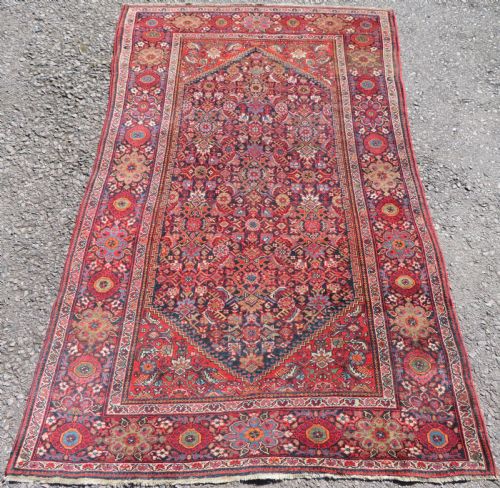


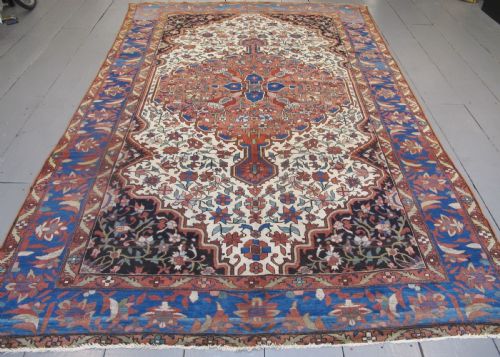

Hand Woven Malayer Rug
A hand woven malayer rug brings Persian village artistry and intricate pattern into a room through enduring wool and cotton construction.
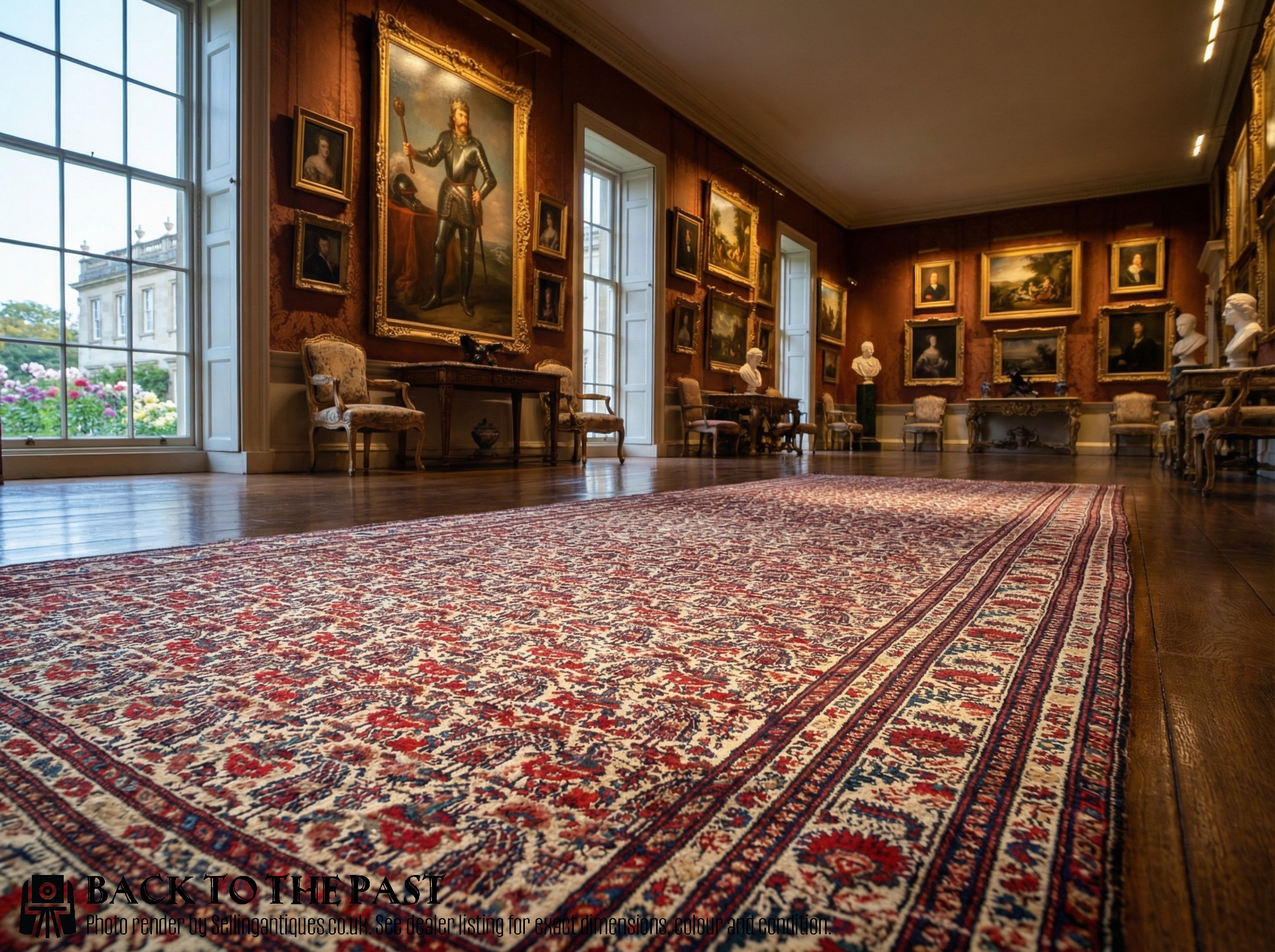
Hand Woven Malayer Rug
A hand woven malayer rug originates from Western Persia, representing a rich tradition of village and tribal weaving. These pieces span from the late nineteenth century through to the early decades of the twentieth century.
Buyers encounter various formats within this search phrase, including standard area rugs, larger carpets, and long narrow runner rugs. Designs range from traditional Persian motifs to specific patterns such as the boteh bird, Herati, and Afshar style shield designs.
Examples often feature cream grounds alongside soft colour palettes or all-over lattice arrangements. Each item reflects the distinctive aesthetic of Persian village production during the Victorian and Edwardian eras.
What Varies in Quality
Knot density and structural tightness dictate the refinement of the weave across different pieces. Finer execution allows complex motifs like the boteh bird or Herati patterns to appear with greater clarity.
The preservation of the original pile depth and the integrity of the cotton foundation influence the overall condition. Subtle variations in the natural dye palette and the crispness of the lattice or shield designs also distinguish individual examples.
Listings span periods from the eighteen-eighties to the nineteen-thirties, utilising wool and cotton across runner and area rug formats.
The Hand Woven Malayer Rug Glossary
- Boteh
- A traditional Persian teardrop or almond-shaped motif representing a floral spray or cypress tree. This symbol appears frequently in village and tribal textiles.
- Herati
- A classic repeating pattern composed of a floral rosette enclosed within a diamond, flanked by curved leaves. It forms a continuous lattice across the field of the rug.
- Runner
- A long, narrow carpet format specifically proportioned for corridors, hallways, and staircases. These pieces balance length with a restricted width.
- Foundation
- The underlying grid of warp and weft threads that supports the knotted wool pile. Cotton serves as the standard material for this structural framework.
- Pile
- The upright yarn surface formed by the hand-tied knots that face the user. Wool provides the durable material for this upper layer.
Hand Woven Malayer Rug: Frequently Asked Questions
Where were these rugs made?
These textiles originate from the Malayer region in West Persia, produced by village weavers working within traditional Persian design traditions.
The region encompasses numerous workshops and villages that developed distinctive styles incorporating lattice, boteh, and shield motifs.
How do I care for my rug?
Protect the wool pile and cotton foundation by vacuuming gently without a rotating brush bar to prevent fibre distortion.
Professional cleaning is advisable for maintaining the natural dyes and structural integrity over decades of domestic use.
What periods do these pieces date from?
The available selection primarily dates from the late nineteenth century through the early decades of the twentieth century.
Examples span specific decades including the eighteen-eighties, eighteen-nineties, and the nineteen-tens through nineteen-thirties.
How do I identify different designs?
Examine the field for recurring motifs such as the Herati pattern, all-over lattice networks, or specific Afshar style shield arrangements.
Comparing the border work and central medallion structures helps distinguish village variations from standard regional types.