



Red Malayer Carpet
A red antique malayer carpet brings enduring Persian village artistry into a room through intricate motifs and rich wool pile.
Red Malayer Carpet
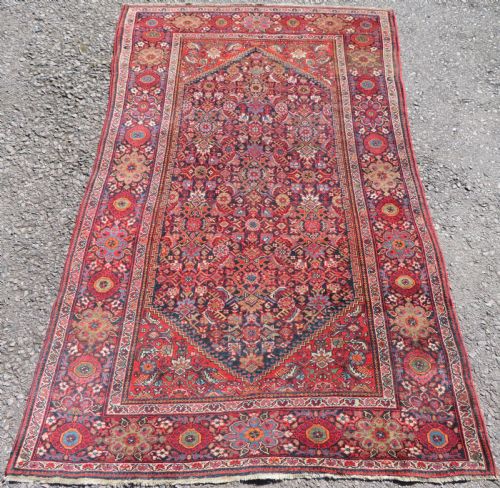
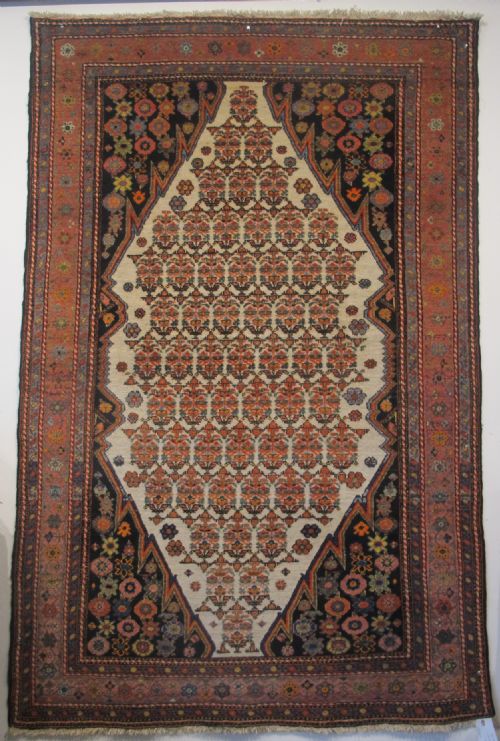
A red antique malayer carpet is a woven floor covering originating from the Malayer region of West Persia, created during the late nineteenth and early twentieth centuries. These pieces reflect traditional village weaving techniques, often featuring distinctive geometric patterns, boteh motifs, and Herati designs.
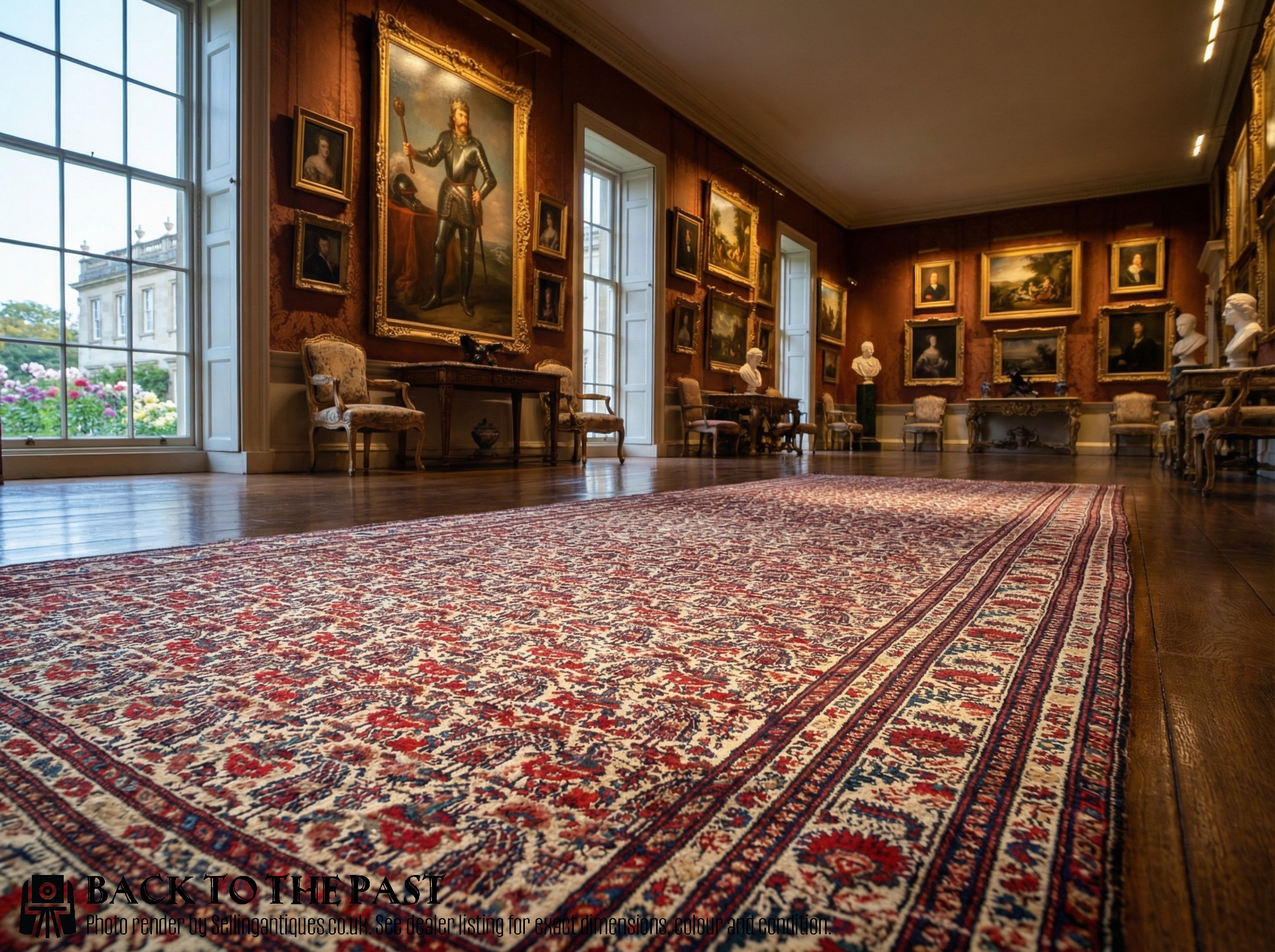
The selection here primarily comprises room-sized carpets alongside smaller rugs and elongated runners. These floor coverings bridge tribal and city workshop styles, offering varied dimensions suited to different interior spaces.
Examples date from around eighteen ninety through to the nineteen thirties, representing decades of traditional Persian craftsmanship. Buyers encounter various formats, from standard area rugs to exceptionally long runners.
How they were made
These carpets are constructed using wool pile knotted onto a cotton foundation. The natural wool provides durability and a soft texture, while cotton warps and wefts lend structural stability to the woven field.
Weavers utilised traditional hand-knotting methods passed down through generations in West Persian villages. Natural dye traditions yielded the deep red tones that characterise the ground colours of these textiles.
Current listings feature pieces dated across five distinct decades spanning from eighteen ninety to nineteen thirty.
What varies in quality
Knot density and fineness of execution distinguish the standard of work across different pieces. Finer weaving allows for greater clarity in intricate details such as boteh and lattice designs.
The integrity of the wool pile and the condition of the foundational cotton structure determine the overall durability of each textile. Variations in the crispness of the drawing reflect the individual weaver's skill.
The Red Malayer Carpet Glossary
- Malayer
- A style of rug originating from the Malayer region in West Persia, known for combining village and city design elements.
- Boteh
- A traditional almond-shaped or paisley motif symbolising life and eternity, frequently seen repeated across the field.
- Herati
- A classic Persian repeating pattern composed of a floral rosette enclosed by leaves, flanked by curved fish-like motifs.
- Runner
- A long, narrow carpet format traditionally utilised in hallways, corridors, or alongside larger furniture pieces.
- Pile
- The upright yarn surface of a carpet formed by the cut ends of knots tied to the foundation threads.
Red Malayer Carpet: Frequently Asked Questions
How do I clean an old carpet?
Regular gentle vacuuming without a beater bar removes surface dust and debris effectively. Professional specialist cleaning remains essential for deep maintenance.
Water and harsh chemical detergents cause irreparable damage to natural wool fibres and traditional dyes. Proper specialist care preserves the structural integrity of the weave over time.
Where should I place a runner?
Narrow runners suit hallways, staircases, and long corridors where floor coverings soften footsteps. They also define walkways within larger open-plan rooms.
Using an appropriate underlay prevents slipping and cushions the foundation against premature wear. Positioning away from continuous damp areas protects the cotton and wool components.
How are these pieces dated?
Experts determine age by examining material characteristics, dye types, and structural construction methods. Stylistic shifts in design motifs also provide reliable chronological markers.
Comparing knotting styles with documented regional examples helps narrow down the production era. Most pieces span from the late nineteenth century to the early twentieth century.
Are these rugs durable?
Traditional wool pile on a sturdy cotton foundation creates a resilient surface suited to everyday use. Quality craftsmanship ensures these textiles withstand regular foot traffic when maintained properly.
Placing rugs in appropriate traffic areas and rotating them periodically balances wear. Natural materials age gracefully with correct handling and routine care.