

Tribal Pattern Wool Rug
A tribal pattern wool rug brings rich geometric history into a room through hand-knotted pile and village dye work.
Tribal Pattern Wool Rug
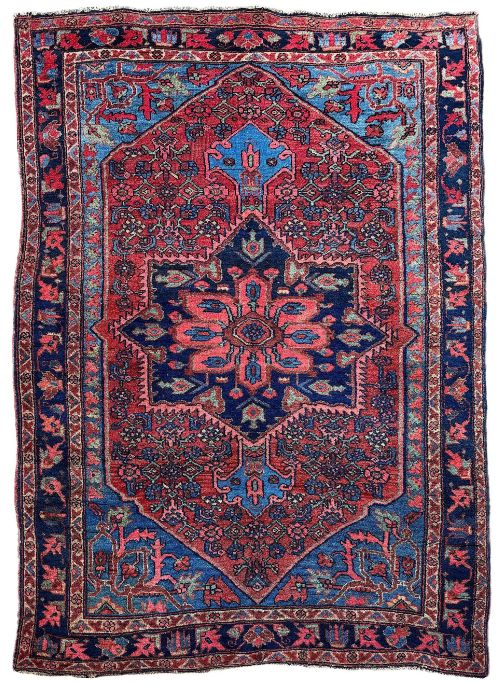
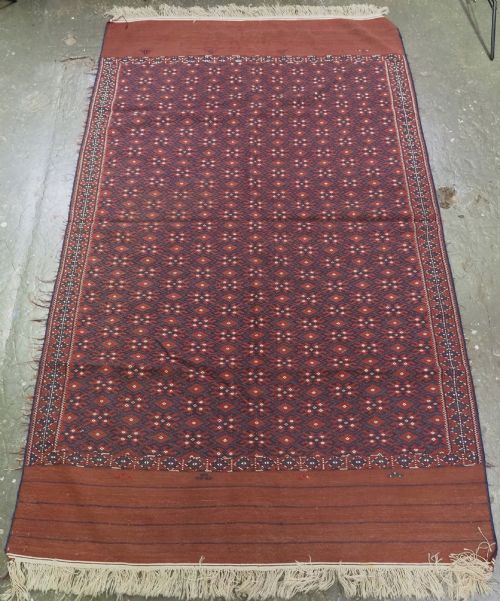
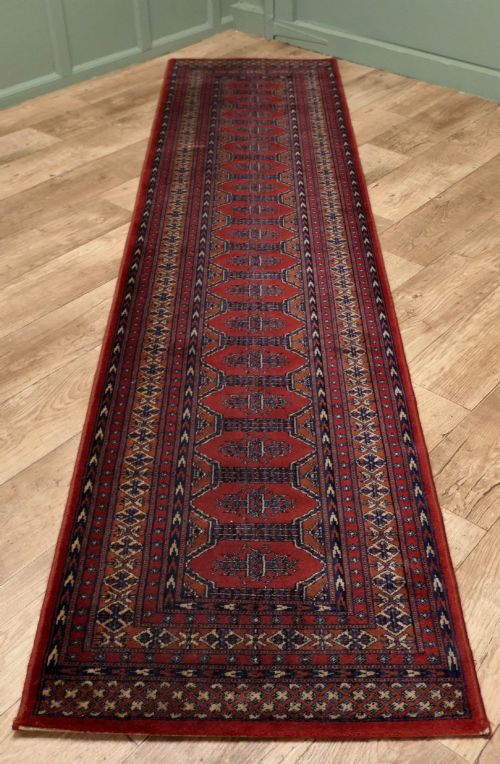
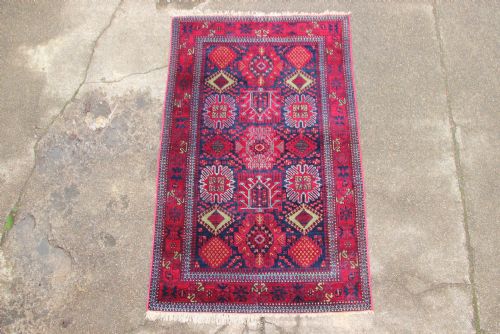
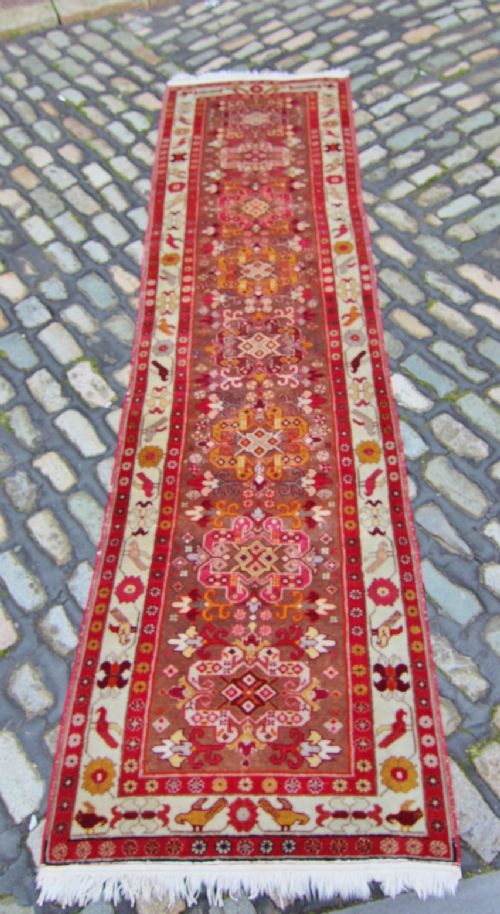
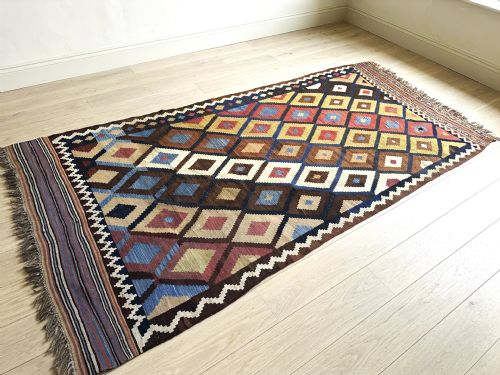
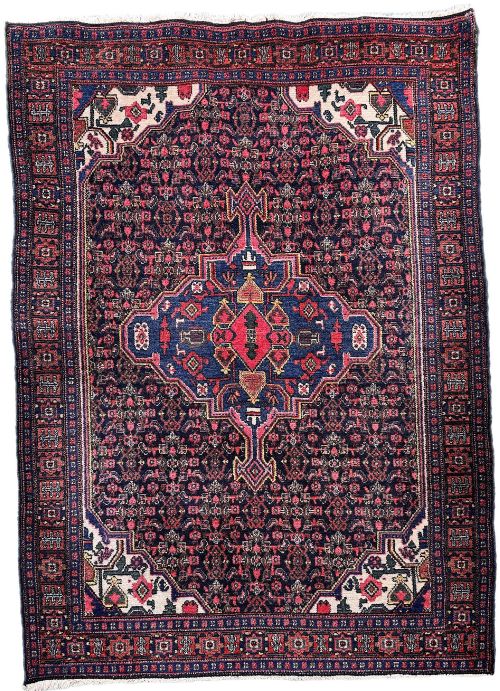
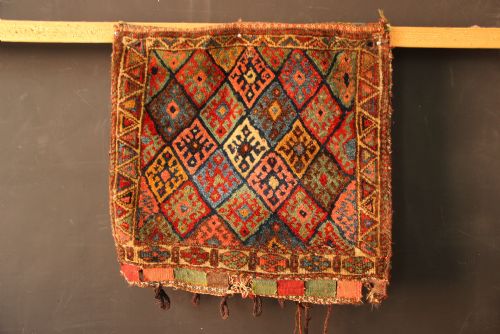
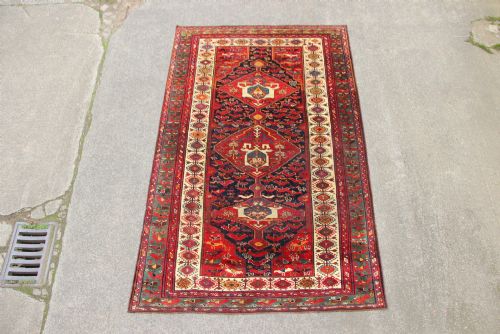
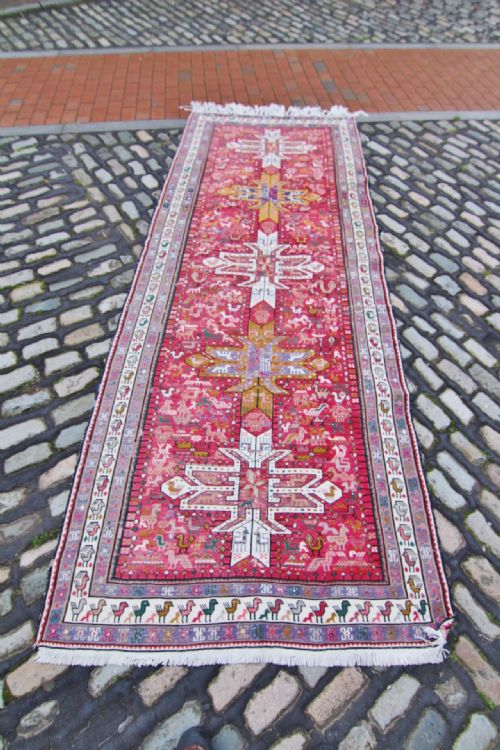
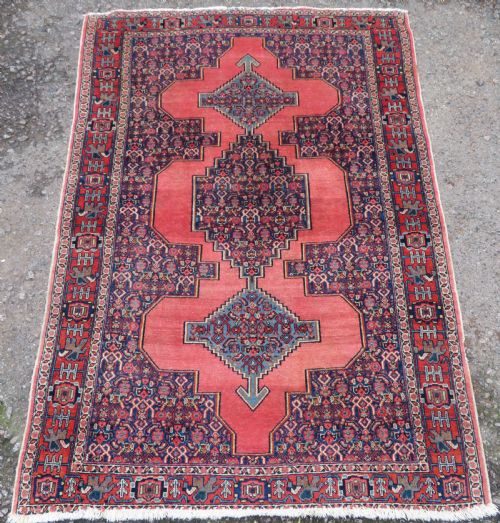
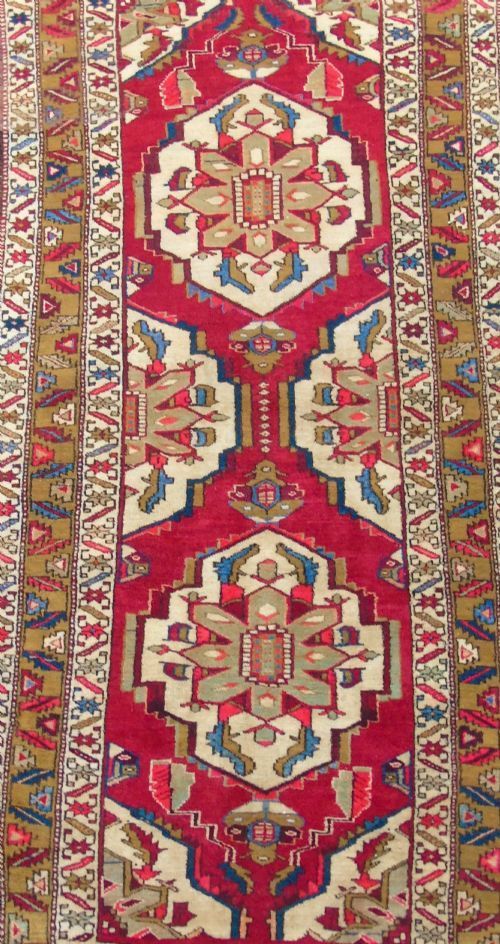
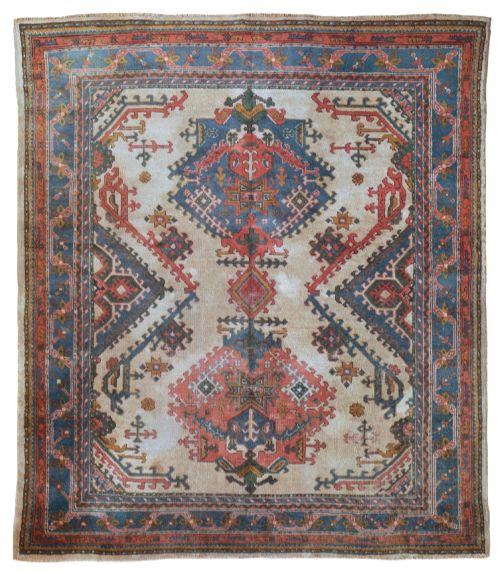
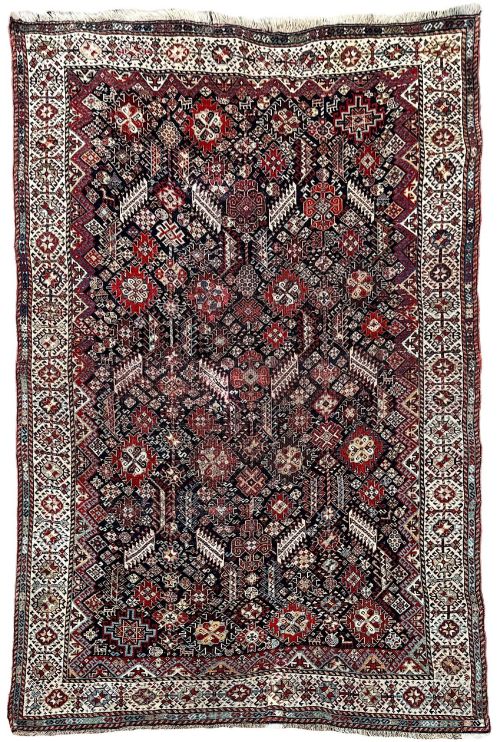
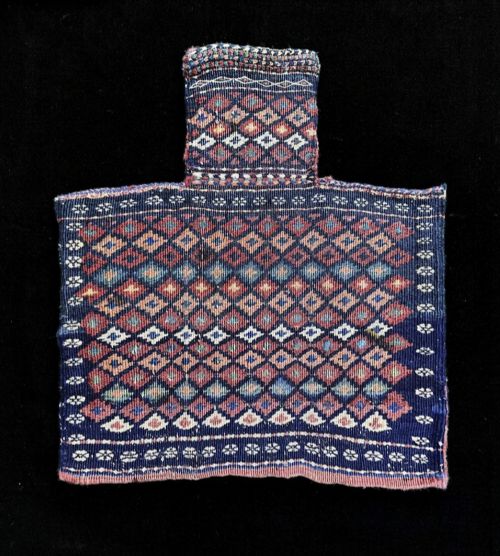
A tribal pattern wool rug encompasses nomadic and village textile traditions spanning the nineteenth and early twentieth centuries, featuring distinct regional motifs. These pieces range from large carpets and hallway runners to smaller utilitarian objects such as salt-bags, bread sofrehs, and horse blankets.
The selections most frequently met here originate from Persian, Caucasian, Turkish, and Central Asian weaving traditions. Examples include pieces attributed to specific groups such as the Afshar, Yomut, Teke, and Qashqa'i tribes.
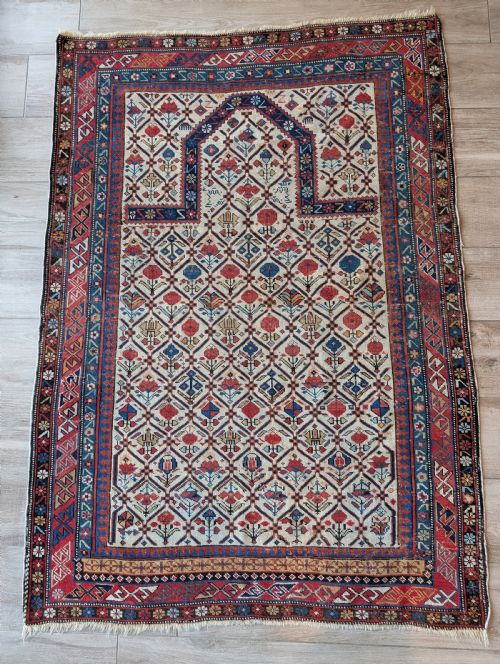
Makers utilised traditional formats like the rug, runner, and square format, often incorporating lattice work, boteh patterns, and tribal guls. These floor coverings and tent furnishings served daily nomadic and village life before entering the antique market.
How they were made
Weavers constructed these textiles predominantly from hand-spun wool and cotton foundations, employing hand-knotting techniques to build durable piles. Many examples incorporate natural dyes that yield deep tones and varied colour depth across the surface.
Production methods rely on traditional upright looms set up within nomadic camps or permanent village households. Artisans knotted the wool by hand, frequently using structural weaves seen in kilims and pile carpets alike.
Tribal Pattern Wool Rug Retail Price Guide 2026
Typical asking prices for tribal pattern wool rug among the pieces listed under this phrase on Sellingantiques today, from the lower quarter to the upper quarter. They describe what is for sale here now, not the wider market.
Periods represented span from the nineteenth century through the 1930s.
What varies in quality
Quality rests in the precision of the knotting, the complexity of the geometric layout, and the integrity of the wool foundation. Finer examples display tightly packed knots that preserve crisp graphic lines in motifs like the lattice design or tribal gul.
The depth and persistence of the natural dyes influence the visual success of the piece over time. Uniformity in the hand-spun wool and balanced proportions set the better surviving examples apart from heavily worn or irregular counterparts.
The Tribal Pattern Wool Rug Glossary
- Gul
- A medallion motif repeated across Central Asian and Turkmen carpets. It often identifies the specific tribe that wove the textile.
- Kilim
- A flat-woven textile produced without a pile. These pieces rely on interlocking weft techniques to create sharp geometric patterns.
- Boteh
- A stylised floral or almond-shaped motif found across Persian and regional weaving. This curving shape appears frequently in all-over field designs.
- Torba
- A small hanging bag or face used within nomadic tents for storage. These pieces display intricate border work and field symbols.
Tribal Pattern Wool Rug: Frequently Asked Questions
How do I clean a wool rug?
Vacuum gently without a rotating brush to protect the hand-spun wool pile and edges from undue friction.
Professional specialist cleaning is recommended for antique textiles to preserve natural dyes and structural integrity.
Where were these rugs made?
Weavers produced these textiles across Persia, the Caucasus, Turkey, and Central Asia in village and nomadic settings.
Specific provenances include regions like Kerman, Fars, and Turkmenistan, reflecting distinct cultural weaving groups.
What is a runner rug used for?
Runners fit narrow spaces such as hallways, corridors, and staircases where standard rectangular carpets prove too wide.
Their elongated format traditionally accommodated transit routes inside nomadic dwellings and traditional homes.
How do I identify nomadic designs?
Nomadic designs typically feature repeating geometric structures, stylised animal motifs, and tribal guls rather than complex court curves.
Makers arranged these symbols from memory, resulting in slight asymmetries that distinguish village work from urban workshop production.