





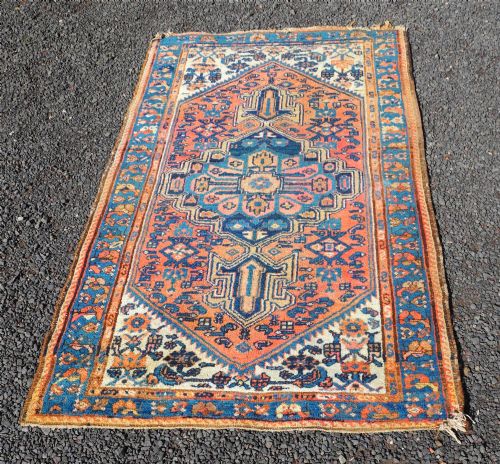
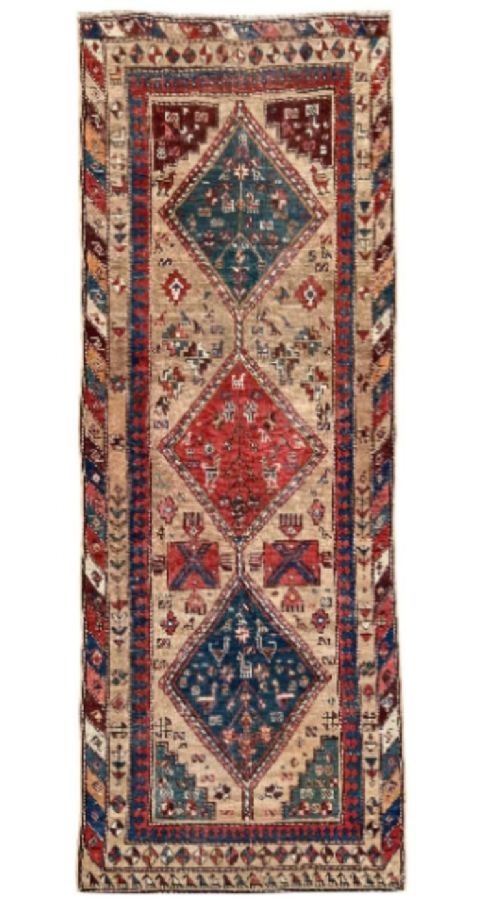
Tribal Oriental Rug
A tribal oriental rug brings centuries of village weaving, geometric symbolism and rich wool into a room.
Tribal Oriental Rug
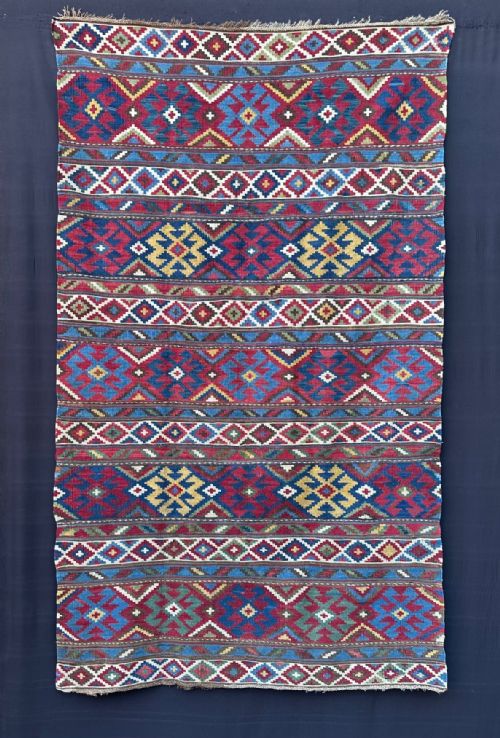
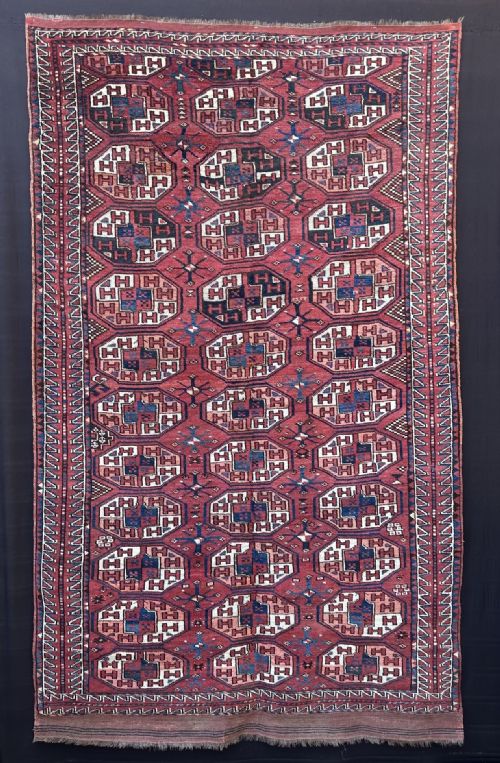
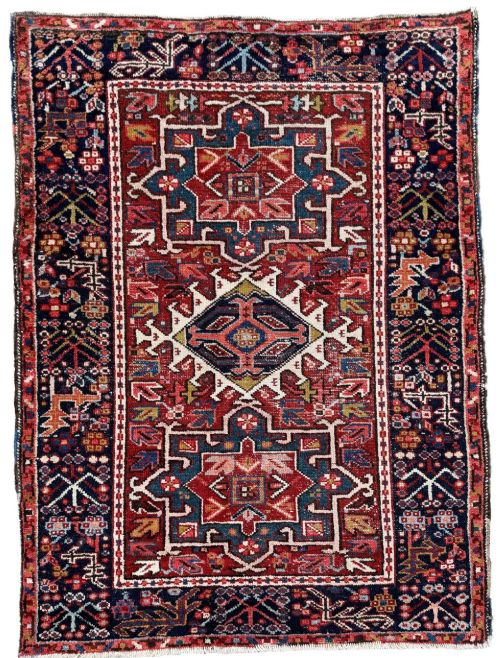
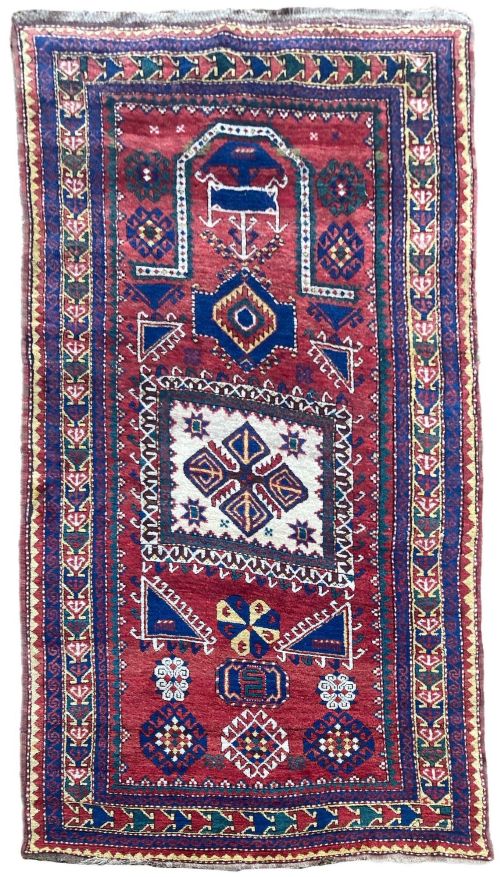
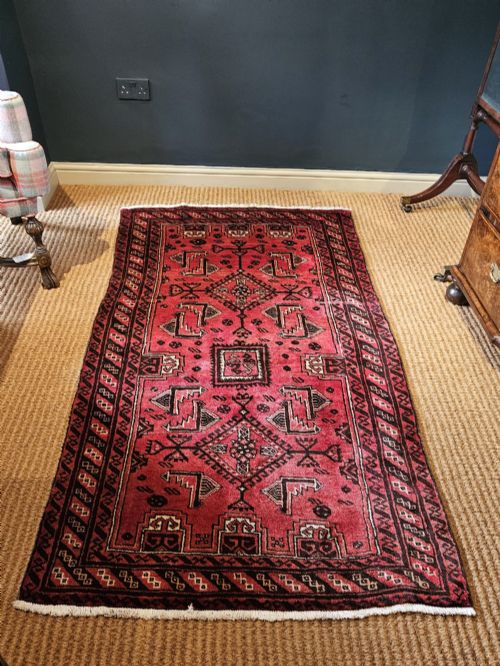
A tribal oriental rug is a heavy floor covering or wall hanging created by nomadic and village weavers across Persia, the Caucasus, Anatolia, Turkmenistan and Afghanistan. When searching for a tribal oriental rug, buyers encounter runners, prayer rugs, main carpets and kilims originating from regions such as Shirvan, Karaja, Bidjar, Heriz and Kazak. These floor coverings date from the mid-nineteenth century through the early twentieth century, spanning periods including 1850, 1880, 1890, 1900, 1910, 1920 and 1930.
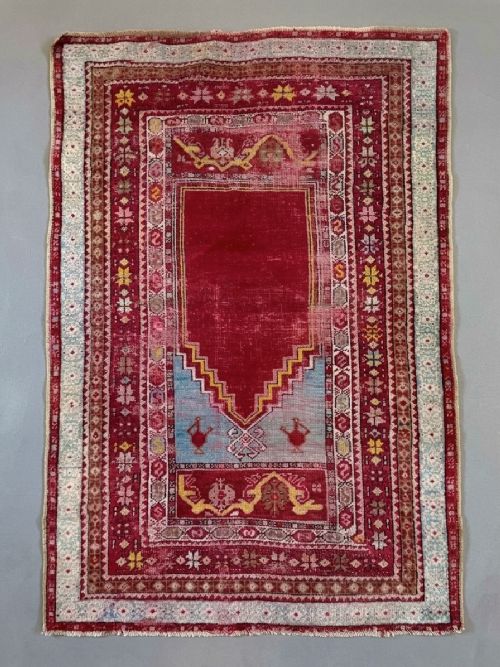
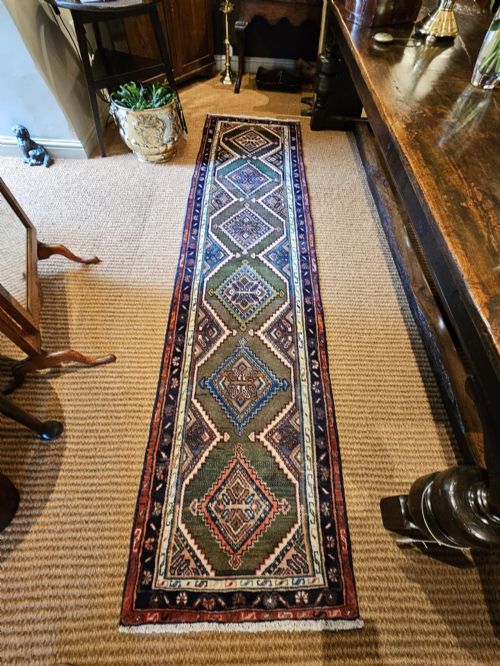
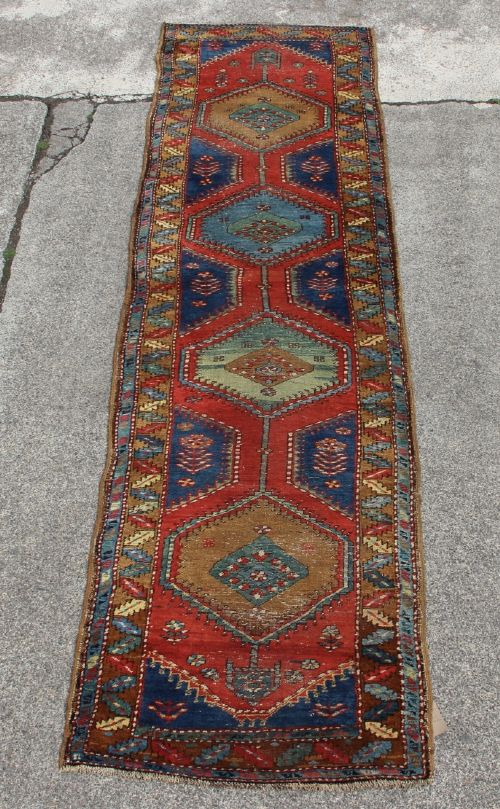
The pieces on this page include Persian tribal works, Caucasian carpets, Anatolian prayer mats and Turkmen tribal weavings. Village weavers produced these items using traditional motifs that often reflect specific tribal identities, such as the Baluch, Yomut, Ersari, Afshar and Kurdish groups. The forms vary from small scatter rugs and double mihrab prayer rugs to long hallway runners and large carpets.
How they were made
Makers constructed these floor coverings primarily using wool, pure wool, hand-spun wool and camel wool on cotton or wool foundations. Weavers employed natural dyes to achieve deep warm reds, olive greens and mellow multi-coloured palettes across the pile.
The hand-knotted and hand-woven techniques resulted in durable structures designed for daily nomadic or village use. Artisans worked from memory or tribal tradition rather than printed graphs, producing organic variations in line and geometry.
Listings feature periods spanning from 1850 to 1930, utilising wool, cotton, natural dyes and camel wool across diverse regional styles.
What varies in quality
Quality rests upon the integrity of the wool, the saturation and permanence of the natural dyes, and the tightness of the knotting. Finer examples display precise geometric drawing and resilient pile that withstands heavy foot traffic.
The handling of traditional motifs and the clarity of regional designs distinguish standard village work from exceptional tribal masterworks. Pile depth, structural stability and wool lanolin content determine the overall longevity of the textile.
The Tribal Oriental Rug Glossary
- Prayer rug
- A small textile featuring a mihrab or arch design indicating the direction of prayer. These pieces were utilised for personal devotion.
- Mihrab
- The arched niche depicted on prayer rugs that points toward Mecca. This architectural motif forms the central visual focus of the design.
- Runner
- A long, narrow carpet format designed specifically for hallways and corridors. These pieces accommodate restricted spatial dimensions while retaining full tribal patterning.
- Kilim
- A flat-woven carpet or rug produced without a pile. These textiles rely on interlocking weft threads to create sharp geometric patterns.
- Natural dyes
- Colourants derived from plants, insects and minerals rather than synthetic chemicals. These dyes produce harmonious, mellow tones that age gracefully over decades.
Tribal Oriental Rug: Frequently Asked Questions
How do I clean a tribal oriental rug?
Vacuum gently without using a rotating brush bar to protect the hand-knotted pile from damage. Professional specialist cleaning remains essential for removing deep-set dirt without harming wool fibres and natural dyes.
Avoid immersion washing or harsh chemical detergents at home. Specialist cleaners understand how to handle antique wool and natural dye stability safely.
Where should I place a runner?
Hallway runners suit narrow corridors, entryways and stair landings where long rectangular formats balance the space. They protect wooden flooring while adding warmth and traditional pattern to transitional areas.
Ensure you place a suitable non-slip underlay beneath the textile to prevent movement and reduce wear from friction against the floor.
How do I identify a prayer rug?
Look for a distinct pointed arch or niche motif at one or both ends of the field. This architectural design element symbolises a prayer space and directs the visual composition.
Double mihrab examples feature arches at opposite ends, creating a symmetrical design that functions independently of orientation.
Are these rugs suitable for high-traffic areas?
Traditional village and nomadic weavings utilise robust wool and tight construction designed for demanding domestic environments. Pure wool pile naturally resists dirt and withstands regular walking.
Rotating the rug periodically ensures even wear across the surface, especially when positioned in busy hallways or living rooms.