



Tribal Embroidered Tapestry
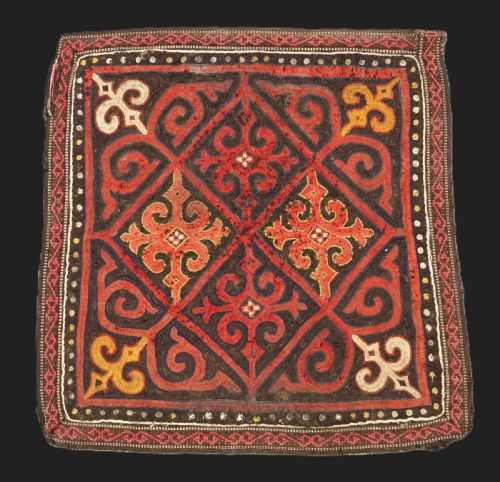
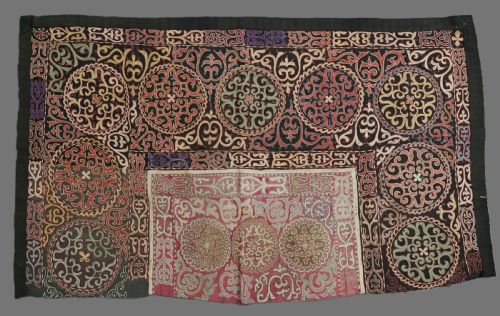
These tribal embroidered tapestry pieces bring Central Asian wall hangings and dowry embroideries into modern interiors for their rich colour and texture.
Tribal Embroidered Tapestry
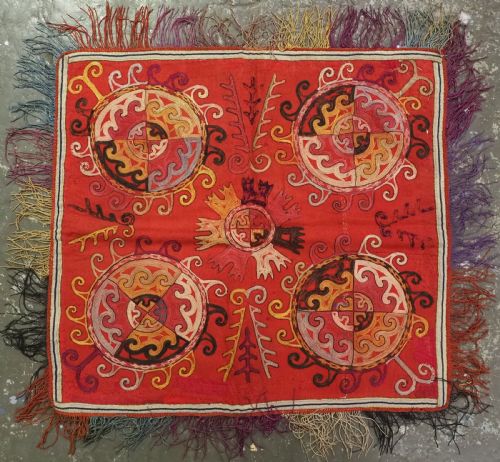
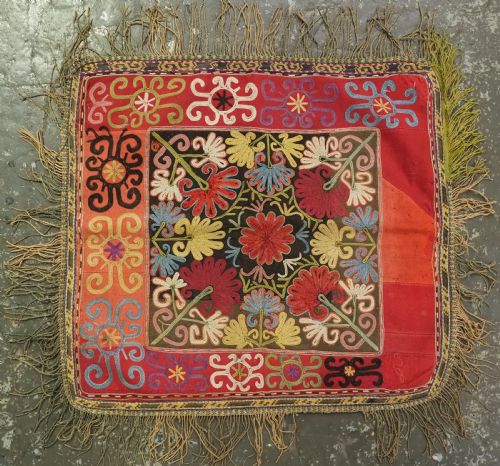
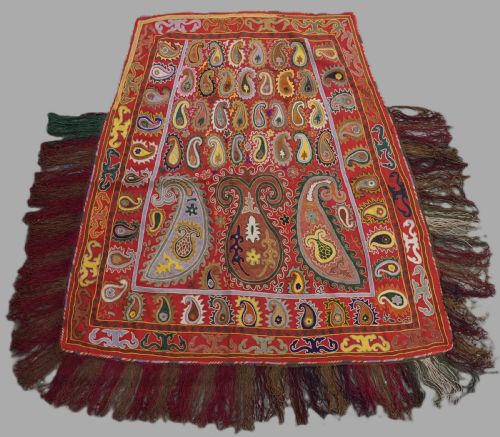
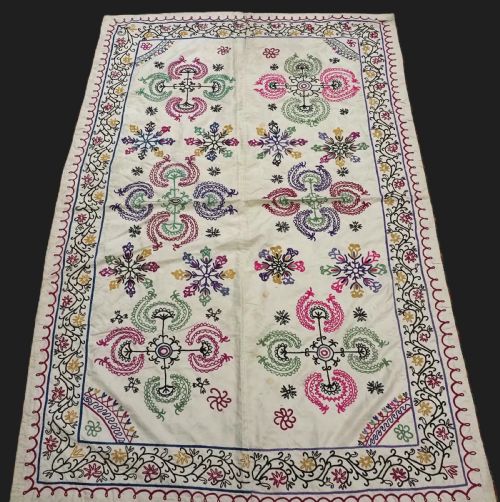
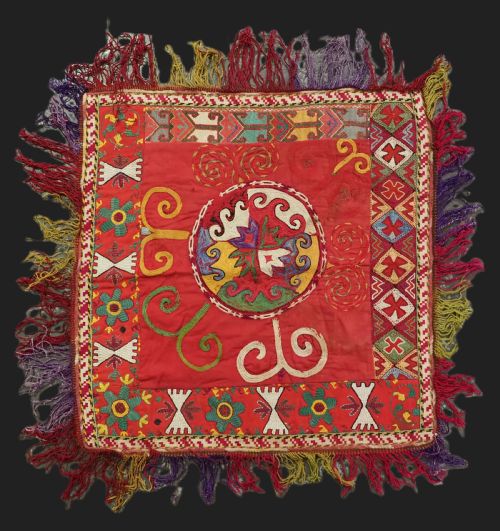
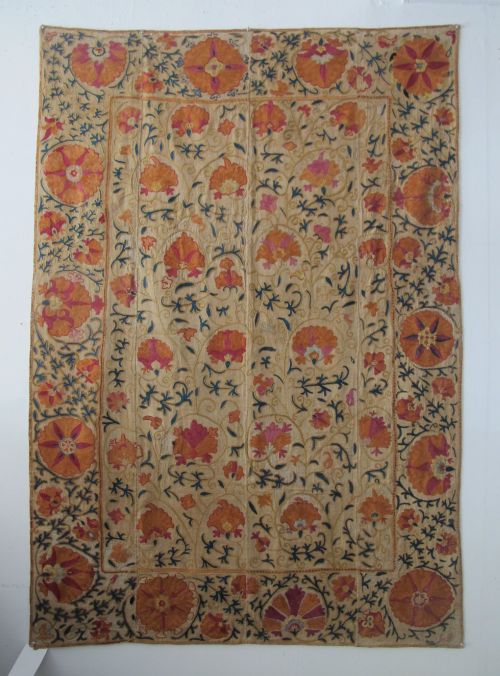
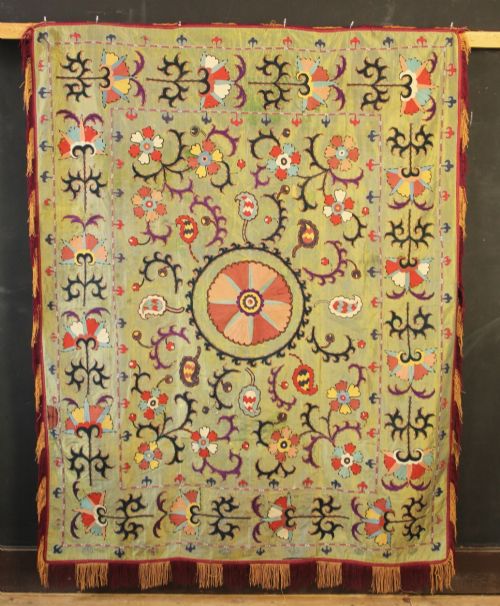
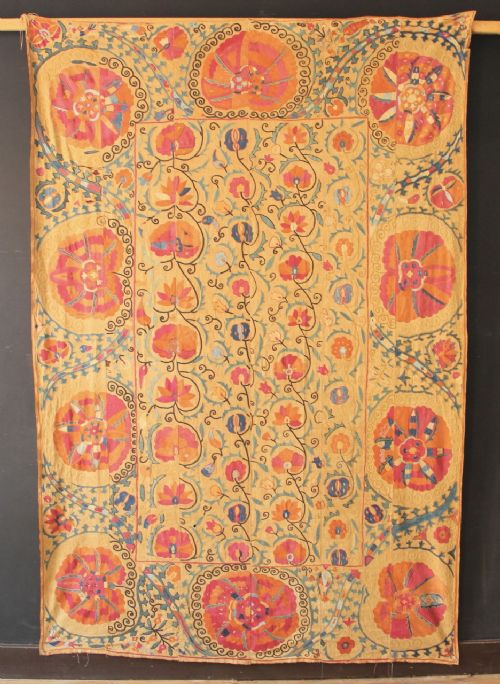
When searching for tribal embroidered tapestry, a buyer encounters Central Asian wall hangings, dowry embroideries, and ceremonial covers originating from nineteenth and early twentieth century traditions. The pieces on this page are predominantly Suzanis, Ilgiches, and yurt wall hangings created by nomadic and settled groups across Uzbekistan, Kyrgyzstan, and surrounding regions.
Forms include large medallion variant Suzanis, smaller Nim Suzanis, and specialised tribal items such as Uut Kap Ilgiches and ceremonial horse covers. These textiles served domestic, ceremonial, and marital functions within their original communities before finding a place as decorative wall art.
The aesthetic is rooted in Central Asian folk art and traditional design, combining bold geometric or floral motifs with regional colour palettes. Most examples date from the Victorian era up to the interwar period, reflecting the distinct needlework of specific groups like the Lakai tribe.
Materials and construction
The foundation fabrics rely primarily on cotton, wool, hand-spun wool, and sometimes camel hair or felt, providing a sturdy base for dense needlework. Silk thread forms the main embroidery medium, chosen for its sheen and capacity to hold saturated dye colours.
Techniques centre on needlework embroidery executed directly onto the ground cloth, occasionally combining flatweave kilim structures with surface stitchery. Artisans utilised local materials available within Central Asian nomadic and urban workshops to construct these panels.
Assessing quality in needlework
Quality rests upon the density of the embroidery and the complexity of the design layout, with fully worked examples showing superior technical execution compared to sparsely stitched counterparts. The harmony and retention of natural or early synthetic dye colours also dictate the visual strength of a piece.
The fineness of the silk thread and the precision of the needlework reveal the hand of a skilled artisan, particularly in regional variations from centres such as Bukhara, Tashkent, and Shahrisabz. Condition remains a factor, where intact grounds and secure stitching preserve the integrity of the original textile.
The Tribal Embroidered Tapestry Glossary
- Suzani
- An embroidered hanging from Central Asia, traditionally made by brides as part of their dowry. These pieces typically feature large floral or medallion motifs on cotton or silk foundations.
- Ilgich
- A small embroidered wall hanging or dowry piece produced specifically by the Lakai tribe. They often display dynamic geometric or figurative motifs executed in vibrant silk thread.
- Palak
- A large, fully embroidered Suzani type dominated by a bold central star or moon design surrounded by dense vegetative motifs. This style represents some of the most elaborate work from Tashkent.
- Nim Suzani
- A smaller scale version of the traditional Suzani embroidery. These compact pieces were suited for specific domestic wall spaces within traditional homes.
- Tush Kyiz
- An elaborate embroidered yurt wall hanging originating from Kyrgyzstan. They celebrate marriages and domestic life through intricate symbolic needlework.
Tribal Embroidered Tapestry: Frequently Asked Questions
How were these textiles originally used?
These pieces served practical and ceremonial roles in Central Asian homes, functioning as wall hangings, dowry items, or functional covers for household belongings and horses.
Families displayed them on interior walls of houses and yurts to denote status and celebrate marriages, embedding personal and cultural symbolism into daily living.
How do I hang a textile safely?
Mounting requires a method that distributes the weight evenly across the entire upper edge, such as stitching a cotton sleeve to the back to take a lightweight wooden baton.
Direct pinning or sustained exposure to direct sunlight should be avoided to protect the delicate silk threads and fragile foundation fabrics from damage.
What regions produced these embroideries?
Production centred in historic trading cities and nomadic territories across Central Asia, including regions associated with Uzbekistan, Kyrgyzstan, and Afghanistan.
Specific towns like Bukhara, Samarkand, Tashkent, and Shahrisabz developed distinct regional styles, while tribal groups like the Lakai maintained their own unique aesthetic.
How do I care for antique silk embroidery?
Maintenance involves gentle vacuuming through a mesh screen on a low setting to remove surface dust without disturbing the delicate silk stitches.
Professional textile conservators should handle any significant cleaning or structural repairs to preserve the historical materials and dyes.