


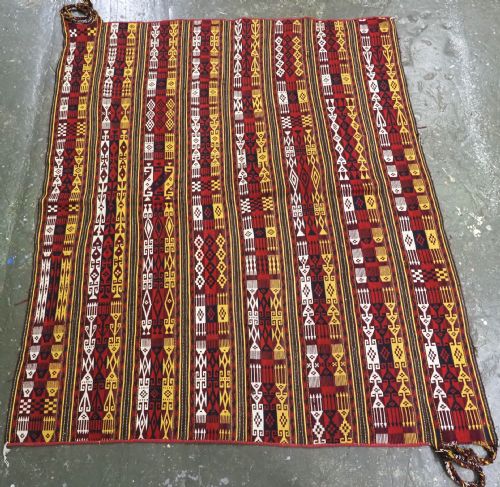


Antique Uzbek Kilim
These antique uzbek kilim textiles are Central Asian tribal flatweaves prized for their bold graphic patterns and rich regional character.
Antique Uzbek Kilim
An antique uzbek kilim is a flatwoven textile originating from Central Asian tribal traditions, often taking the form of kilim rugs, runner rugs, or textile panels. Buyers looking at this selection will find examples dating from the late nineteenth century through to the early twentieth century, encompassing periods around 1890, 1900, 1910, and 1920. The forms include multi-strip compositions, saddlebag faces, and panel covers.
The most common versions met on this page are Gajeri or Ghudjeri kilims and Tartari Safid pieces, frequently displaying banded designs or striking repeat patterns. Many items are woven in numerous narrow strips that were joined together to create larger rugs and cover formats. Regional variations such as pieces from the Kungrad region also appear alongside embroidered Suzani hybrids.
How they were made
Weavers constructed these flatweaves primarily using wool and cotton, occasionally incorporating camel hair for specific ground colours or textural contrast. Natural dyes provided the palette, resulting in soft faded reds and rich tones across the tribal designs.
Techniques relied on intricate weft work, flatweaving methods, and in some instances supplementary embroidery. Many larger textile panels and covers were woven in separate narrow strips - ranging from four up to thirteen strips - which were subsequently stitched together to form a cohesive whole.
Current listings feature flatweaves dated between 1890 and 1920, utilising wool, cotton, and camel hair.
What varies in quality
Quality in these flatweaves rests on the precision of the weft work and the complexity of the strip construction. Examples woven from numerous narrow strips demand exceptional structural discipline from the maker to maintain alignment across the entire textile.
Visual impact also separates the range, determined by the strength of the graphic design and the harmonious ageing of natural dyes. Pieces featuring bold geometric arrangements or unusual repeat motifs demonstrate superior artistic execution within their tribal tradition.
The Antique Uzbek Kilim Glossary
- Kilim
- A flatwoven carpet or rug produced without a pile by tightly interweaving warp and weft strands. This technique creates a lightweight textile with a flat surface on both sides.
- Gajeri
- A specific type of Central Asian tribal flatweave characterised by distinctive banded patterns and bold graphic structures. These pieces frequently utilise rich colour palettes derived from natural dyes.
- Suzani
- A type of embroidered tribal textile originating in Central Asia, sometimes combined with flatwoven kilim structures. They often feature elaborate floral or geometric needlework.
- Safid
- A term applied to certain Tartari flatweaves denoting specific stylistic traditions within Central Asian weaving. These textiles display striking designs executed in traditional wool and cotton materials.
- Camel hair
- Animal fibre utilised in select tribal weavings to provide a durable and naturally coloured ground. It imparts a distinct texture and earthy tone compared to standard sheep wool.
Antique Uzbek Kilim: Frequently Asked Questions
How were antique uzbek kilim pieces used?
These textiles served primarily as functional household items within tribal communities, acting as floor coverings, rugs, and protective covers. Many were also fashioned into utilitarian objects such as saddlebag faces or assembled from tent bands.
Larger formats functioned as rugs and carpets for domestic spaces, while narrower panel compositions often served as decorative hangings or covers. Their robust flatwoven structure made them suitable for daily transit and domestic wear.
How do I live with an antique uzbek kilim?
Displaying these flatweaves requires consideration of their age and construction from natural wool, cotton, and camel hair. Placing them in areas with moderate foot traffic helps preserve the flatwoven structure.
Keeping them away from direct, harsh sunlight protects the natural dyes from fading further over time. Gentle care ensures the historic strip joins and embroidered details remain stable in a modern interior.
How are different regional types told apart?
Distinctions between regional groups rely on structural methods, such as the number of woven strips joined together. Kungrad region pieces, for instance, are often documented through their specific multi-strip construction formats.
Stylistic markers like banded designs separate Gajeri flatweaves from Tartari Safid examples. Examining the presence of camel hair grounds or embroidered Suzani elements further clarifies the specific tribal origin.
What defines a gajeri kilim?
A Gajeri kilim is distinguished by its characteristic banded design and bold graphic aesthetic. These flatweaves often incorporate striking visual contrasts created through traditional natural dyeing techniques.
They appear in various sizes, with some smaller examples adapted directly from nomadic tent bands. Their strong geometric layouts mark them out clearly within Central Asian tribal weaving.