

Tribal Embroidered Rug
When sourcing a tribal embroidered rug, collectors uncover Central Asian nomadic textiles, felt panels, and dowry hangings crafted for domestic interiors.
Tribal Embroidered Rug
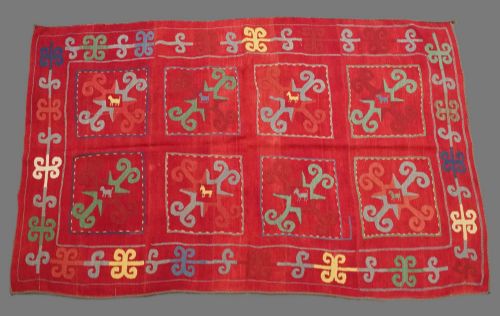
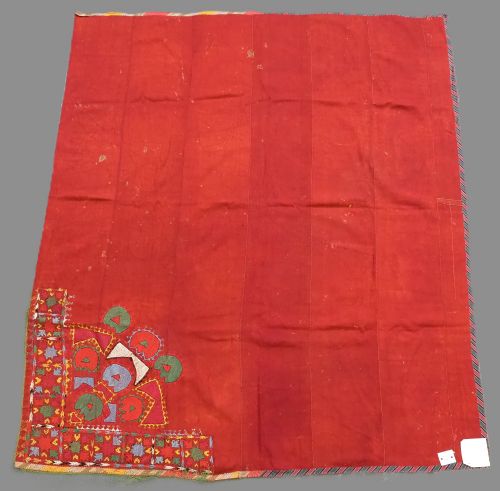
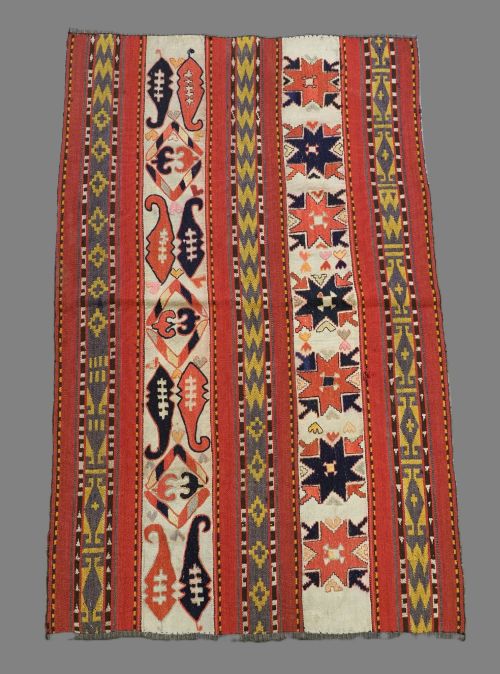
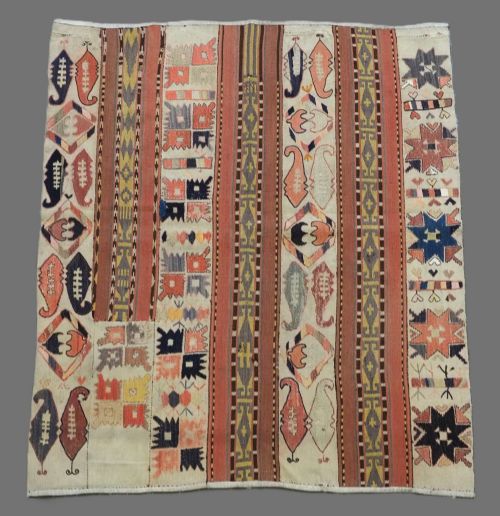
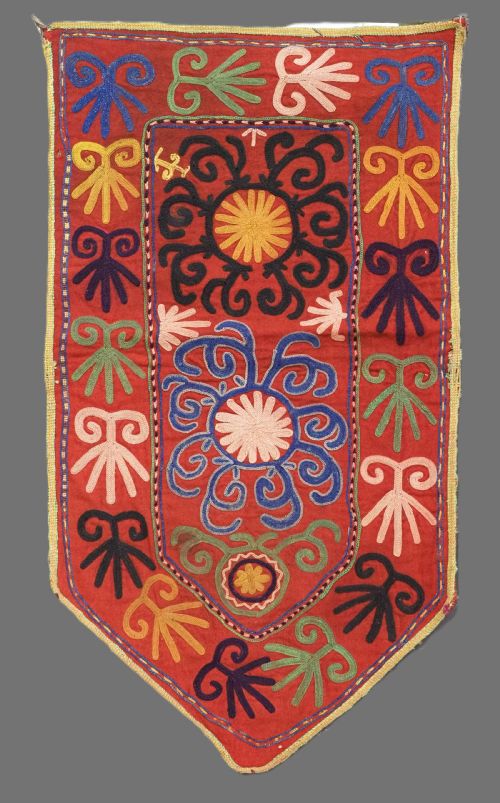
A tribal embroidered rug search centres on Central Asian nomadic and village textiles, primarily originating from nineteenth and early twentieth-century Uzbekistan and surrounding regions. Buyers encounter diverse forms here, including wall hangings, dowry embroideries, horse covers, and ceremonial felt panels.
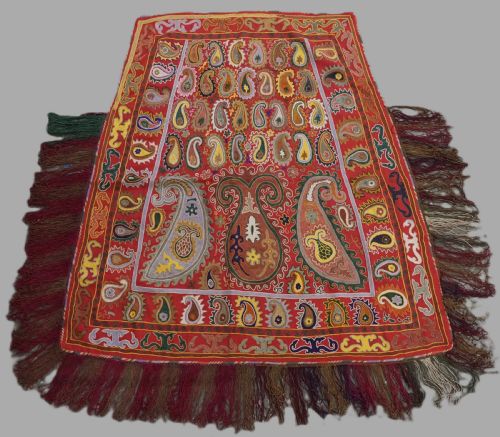
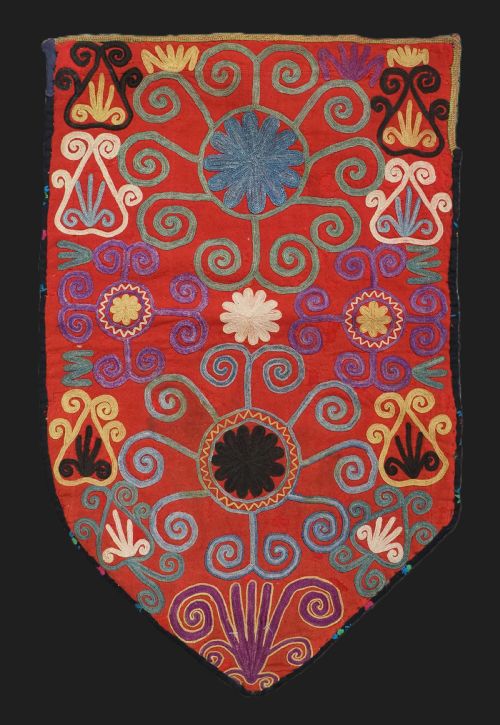
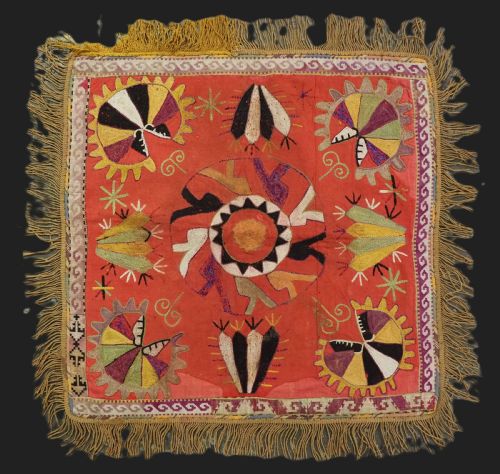
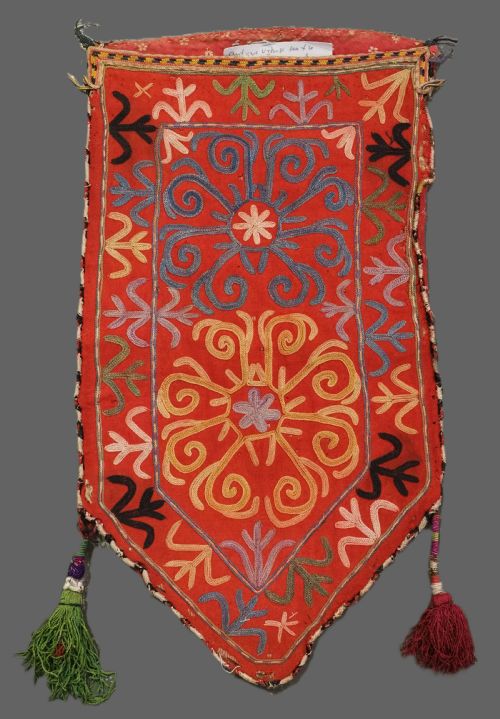
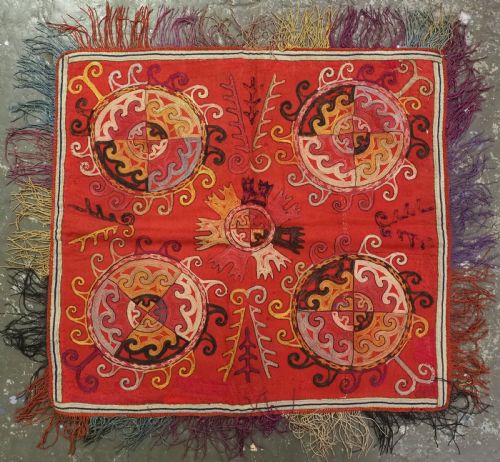
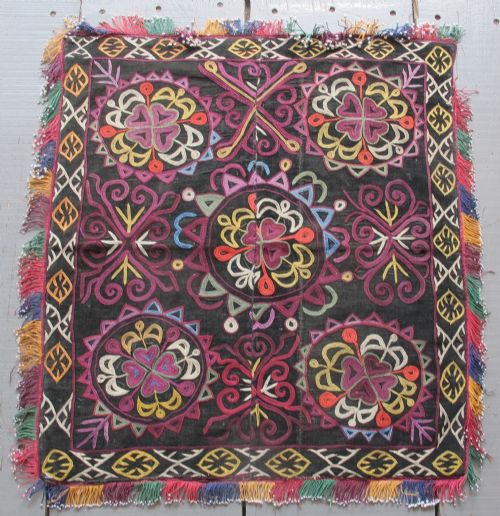
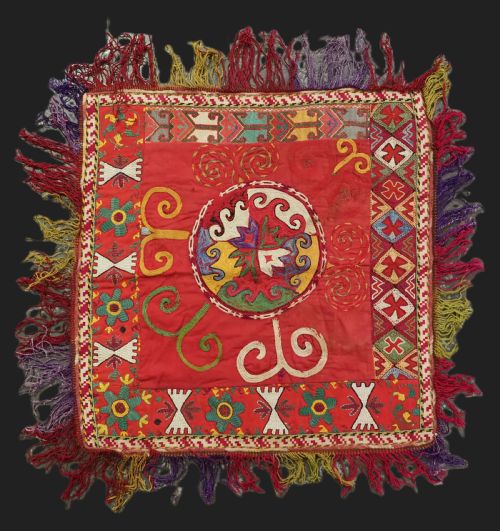
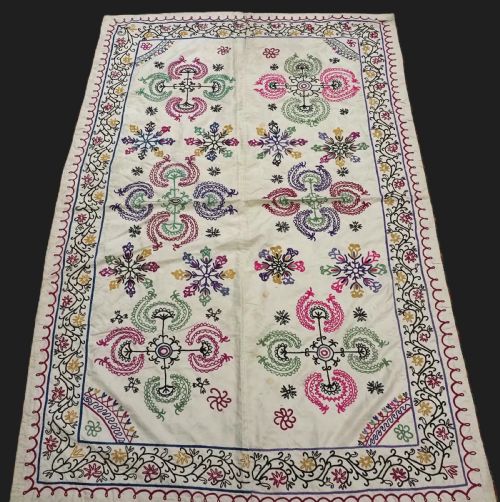
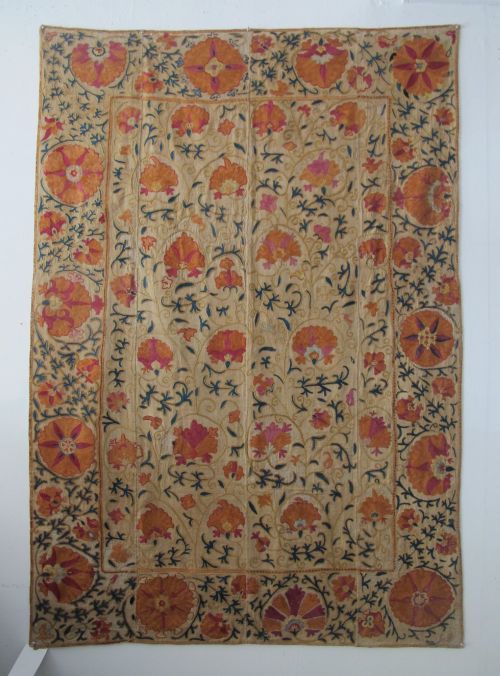
The pieces most frequently met on this page are Uzbek Lakai tribal items, such as ilgich wall hangings and uut kap storage bag faces, alongside larger suzani textiles and Kyrgyz felt panels. These works reflect traditional nomadic lifestyles, utilising durable wool, felt, and cotton grounds heavily worked with silk thread.
Makers produced these textiles for domestic use, marriage ceremonies, and yurt decoration, resulting in striking geometric and floral motifs. Surviving examples demonstrate the rich visual traditions of Turkmen, Kirghiz, and Uzbek groups across the nineteenth century and early decades of the twentieth.
Materials and Construction
Artisans constructed these textiles using natural foundations of hand-woven cotton, woven wool, or compressed felted wool. Textile grounds often consist of dyed wool fabrics, including distinctive red and black grounds that provide strong contrast to surface work.
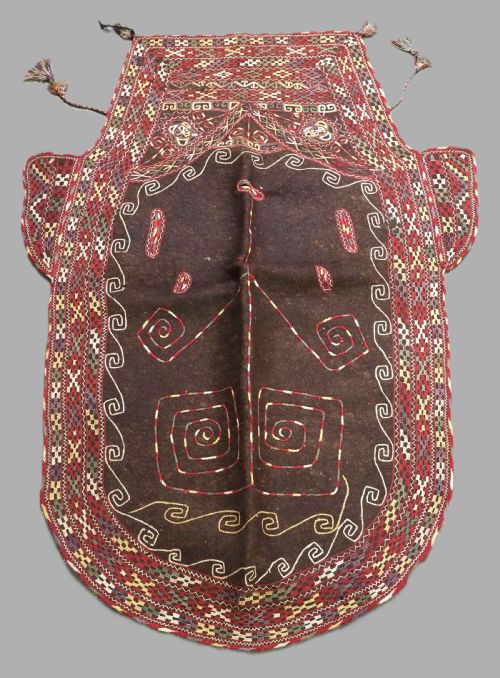
Surface decoration relies heavily on silk thread and cotton thread, applied through dense stitching techniques to form elaborate patterns. Artisans occasionally incorporated glass beads and applied fringes to complete ceremonial horse blankets, yurt panels, and wall hangings.
Tribal Embroidered Rug Retail Price Guide 2026
Typical asking prices for tribal embroidered rug among the pieces listed under this phrase on Sellingantiques today, from the lower quarter to the upper quarter. They describe what is for sale here now, not the wider market.
Many of these vibrant horse covers were made to ensure travelling steeds looked suitably grand for wedding processions.
Evaluating Quality in Nomadic Textiles
Quality in these textiles depends upon the density and precision of the needlework, where tightly executed silk embroidery creates a richer surface texture. Finer examples display meticulous control over traditional motifs and harmonious colour distribution across the ground.
The integrity of the foundational fabric, whether wool, cotton, or felt, directly influences the preservation of the piece. Superior specimens retain vibrant original thread colours and secure stitching along structural edges, reflecting the skill of the maker.
The Tribal Embroidered Rug Glossary
- Ilgich
- A Central Asian embroidered wall hanging or dowry textile, frequently produced by the Lakai tribe. These pieces often feature dynamic geometric designs.
- Suzani
- A traditional embroidered tribal textile from Central Asia, typically worked in silk thread on a cotton or wool ground. They served as wall decorations or ceremonial covers.
- Uut Kap
- A small storage bag face used inside yurts, highly collectable for its intricate tribal embroidery. These are commonly attributed to Lakai and other Uzbek groups.
- Torba
- A traditional Turkmen or Uzbek bag face designed for tent storage or ceremonial display. They feature elaborate geometric borders and central medallions.
- Tush Kyiz
- A large, elaborately embroidered Kyrgyz yurt wall hanging created by women to celebrate marriage. These panels showcase detailed floral and symbolic needlework.
Tribal Embroidered Rug: Frequently Asked Questions
What is a tribal embroidered rug?
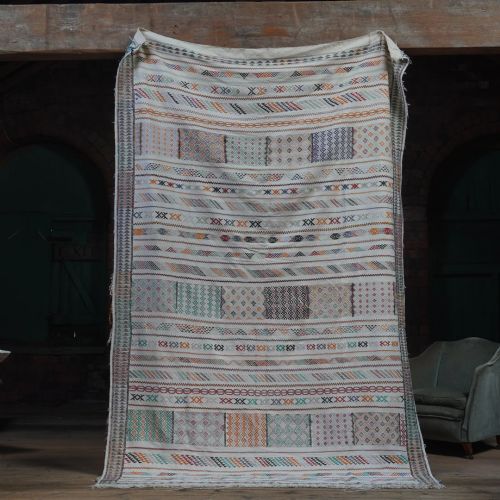
These items are traditional Central Asian textiles, including felt rugs, wall hangings, and ceremonial saddle covers made by nomadic tribes. Artisans embroidered wool, cotton, and silk grounds to create functional items for domestic and ceremonial use.
Surviving examples date mainly from the nineteenth and early twentieth centuries. They reflect the distinct cultural identities of groups such as the Lakai, Yomut, and Kirghiz.
How were these textiles used?
Nomadic communities utilised these pieces to decorate the interiors of yurts, adorn horses during ceremonies, and store household goods. Items like ilgich wall hangings and suzanis functioned as prestigious dowry elements.
Many textiles served practical roles as floor coverings, blankets, or wall panels while also displaying familial wealth and artistic skill.
How do I care for an antique textile?
Protect antique embroideries by keeping them away from direct sunlight to prevent silk and wool threads from fading. Display pieces on padded supports or hang them securely without placing undue tension on the fabric.
Avoid chemical cleaners and moisture, relying instead on gentle surface dusting by professionals experienced in handling antique textiles.
How can I tell different tribal styles apart?
Distinguishing styles relies on observing specific regional motifs, colour palettes, and embroidery techniques unique to groups like the Lakai or Turkmen. Lakai work frequently employs lively geometric appliques and dense silk stitching on dark or red wool.
Turkmen and Kirghiz pieces often feature structured medallions, felting techniques, or specific border patterns tied to their respective geographic regions.