
Antique Needlework Textile
An antique needlework textile carries centuries of hand-stitched narrative, offering collectors rich historical depth through silk, wool, and linen.
Antique Needlework Textile
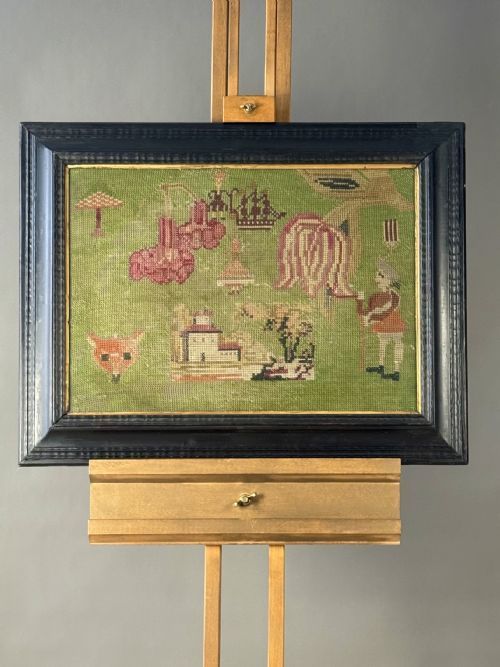
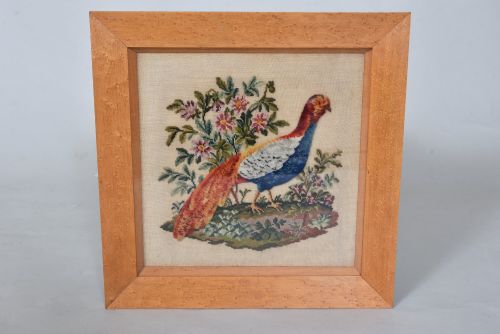
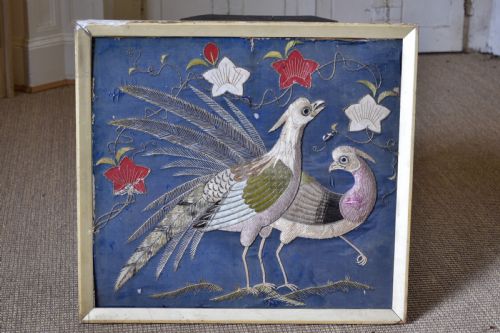
When searching for an antique needlework textile, buyers encounter a diverse range of historical stitchwork spanning the seventeenth through the nineteenth centuries. These pieces appear as framed pictures, samplers, wall hangings, and decorative panels created across British, European, and Central Asian traditions.
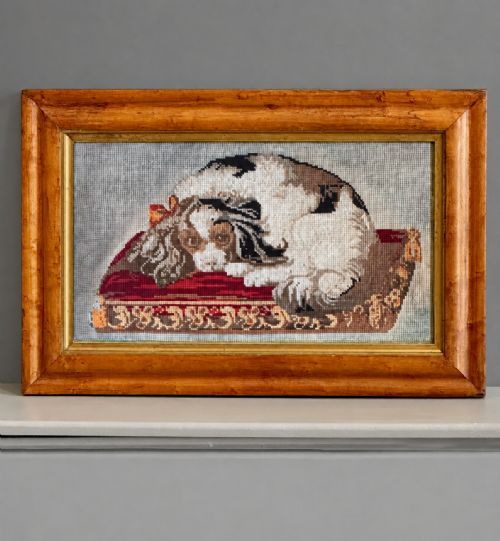
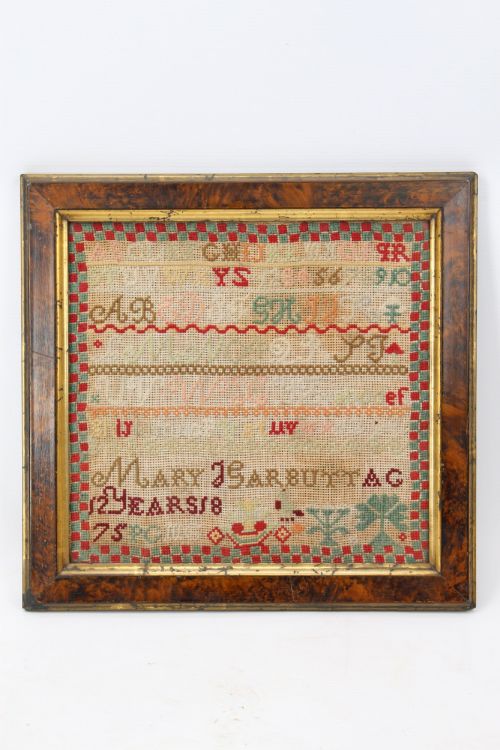
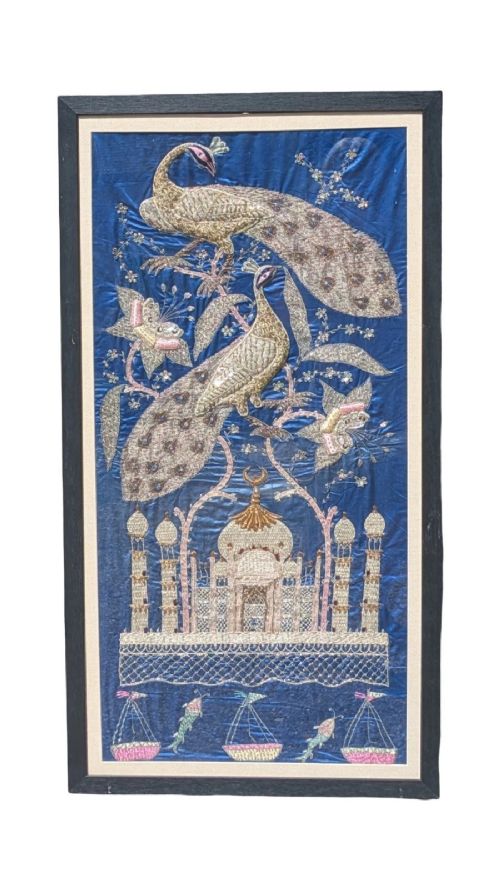
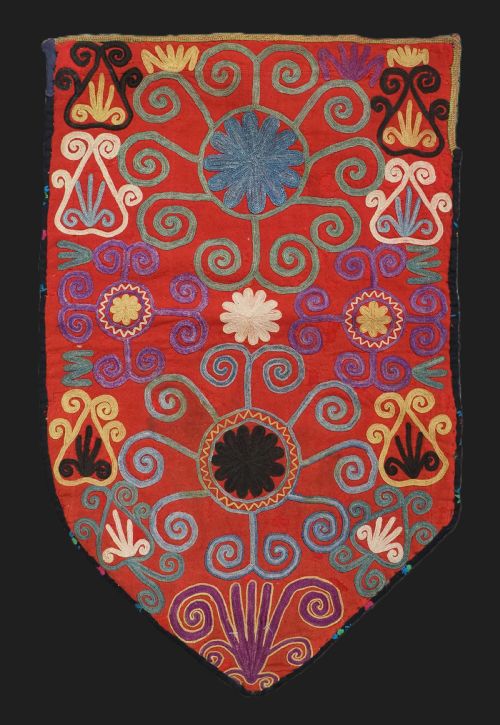
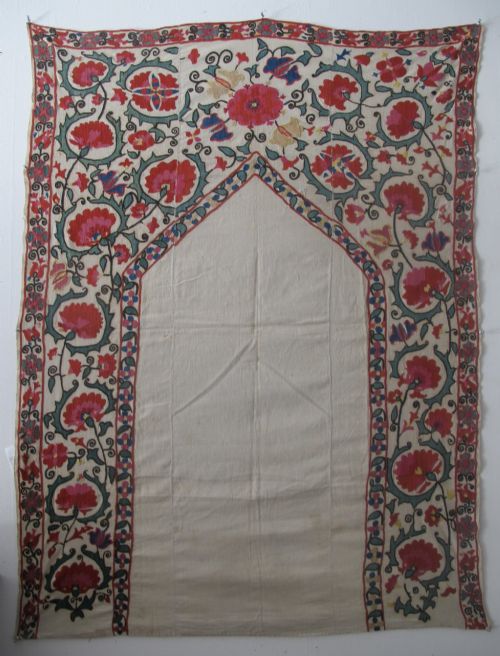
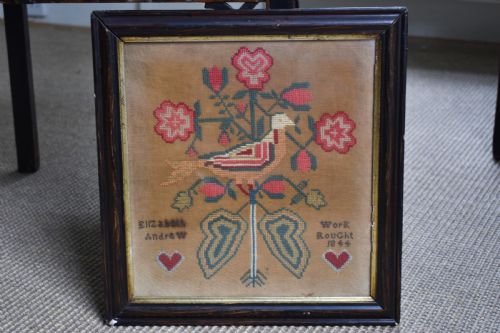
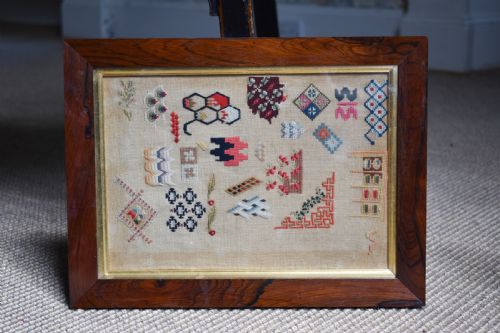
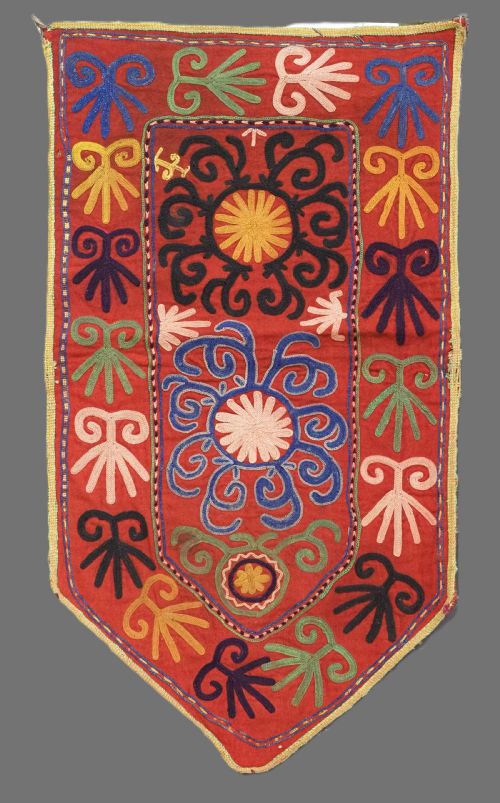
The most common examples on this page are nineteenth-century wool work samplers, Victorian depictions of animals or domestic scenes, and intricate Central Asian suzanis worked in vibrant silk. English samplers from the Georgian and Victorian eras frequently feature alphabets, maps, and religious verses stitched by young makers.
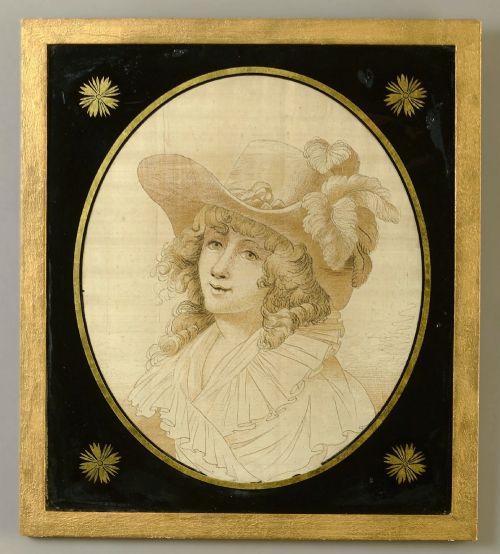
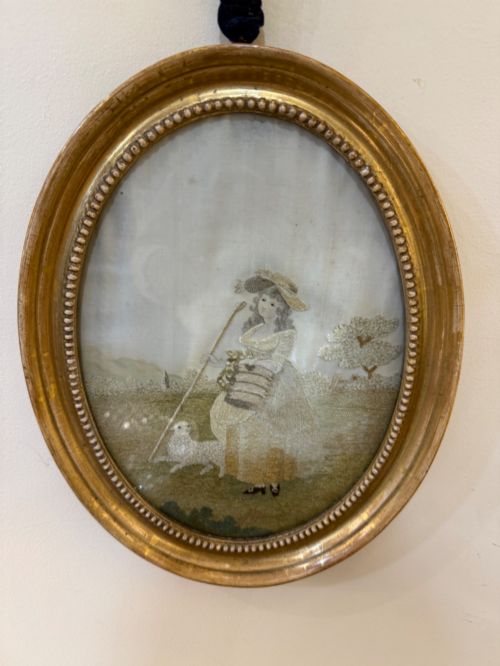
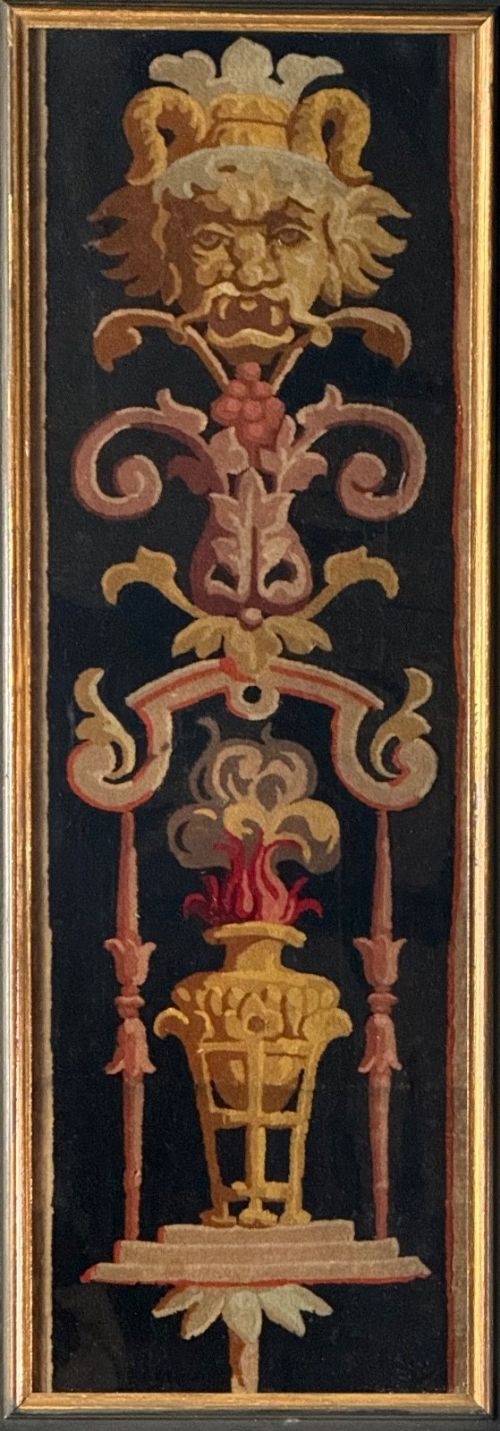
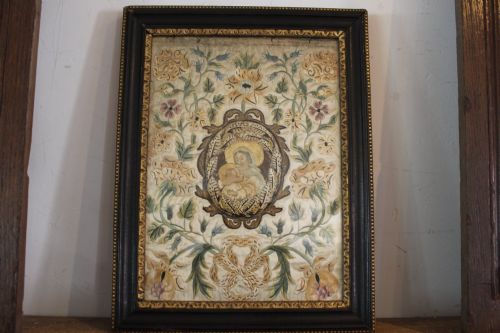
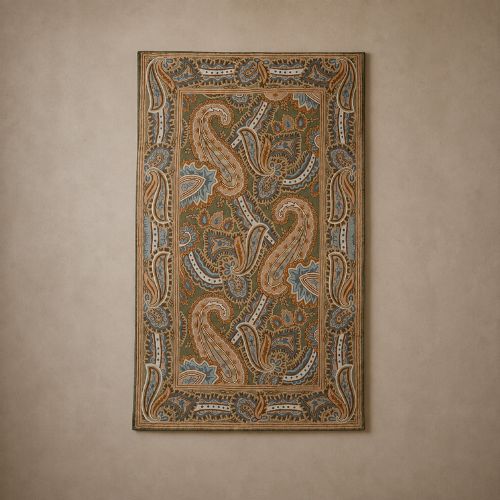
Earlier survivals include seventeenth-century stumpwork panels, Stuart embroideries, and crewelwork wall hangings executed in rich linen and wool. European tapestries and framed silk needlework pictures complete the selection, demonstrating domestic skill and professional atelier work alike.
Materials and construction
Makers worked primarily on grounds of linen, wool, cotton, or canvas, utilising threads of silk, wool, metal, and glass. Stitches range from simple cross-stitch and Berlin work to complex crewelwork, plushwork, and raised stumpwork techniques.
Many historical pieces incorporate hand-painted silk sections or metal thread embroidery to enhance visual depth and texture. Finished panels were frequently mounted into period frames of burr maple, gilded wood, or faux tortoiseshell.
Listings feature eighteenth-century European needlework and seventeenth-century English coifs alongside nineteenth-century Victorian wool work.
Distinctions in quality
Quality rests upon the fineness of the ground fabric, the complexity of the stitch vocabulary, and the preservation of original colour in the threads. Superior examples display precise tension, accomplished perspective, and sophisticated pictorial composition.
Condition plays a vital role, distinguishing textiles with minimal thread loss and stable grounds from those with extensive fading or fabric degradation. The presence of period framing and documented maker details, such as a child's age or date on a sampler, adds historical substance.
The Antique Needlework Textile Glossary
- Sampler
- A piece of needlework produced as a demonstration or test of skill, often featuring alphabets, numbers, and geometric motifs. These exercises frequently record the name and age of the maker alongside a date.
- Stumpwork
- A raised embroidery style popular in the seventeenth century that used padded foundations and wire supports to create three-dimensional figures. It frequently depicted biblical or royal scenes.
- Suzani
- A large, embroidered tribal textile from Central Asia, traditionally worked in silk floss on a cotton or linen ground. They served as ceremonial wall hangings or bed covers.
- Crewelwork
- Embroidery executed with wool yarn on a sturdy linen or cotton twill ground, known for flowing floral and fauna designs. This technique achieved great popularity in seventeenth-century England.
- Berlin work
- A style of needlepoint popular in the nineteenth century that used brightly coloured wools stitched onto canvas from printed gridded patterns. It allowed home makers to produce dense, vivid pictorial panels.
Antique Needlework Textile: Frequently Asked Questions
How do I hang antique textiles?
Mount textiles on padded, acid-free boards covered in cotton fabric to distribute weight evenly across the piece. Avoid direct sunlight and heavy glazes to protect delicate silk and wool fibres from damage.
Keep pieces away from high humidity and fluctuating temperatures to preserve the structural integrity of the old threads and ground fabric.
What is the difference between a sampler and a picture?
A sampler functions primarily as a repository of stitches, alphabets, and motifs, often created by young learners to prove their proficiency. A needlework picture is a finished pictorial artwork designed purely for display.
Pictures focus on landscape, portraiture, or narrative scenes like horse racing or animal studies rather than educational alphabets.
How do I date an English sampler?
Many samplers include embroidered dates, signatures, and the age of the maker, providing a direct anchor for historical placement. Stylistic elements such as lettering fonts, border designs, and specific motifs also help narrow down the decade.
Examining the underlying linen weave and the type of wool or silk thread offers further clues to the manufacturing period.