




Tribal Bird Rug
A tribal bird rug brings centuries of nomadic storytelling into a room through woven depictions of chickens, falcons, and mythical creatures.
Tribal Bird Rug
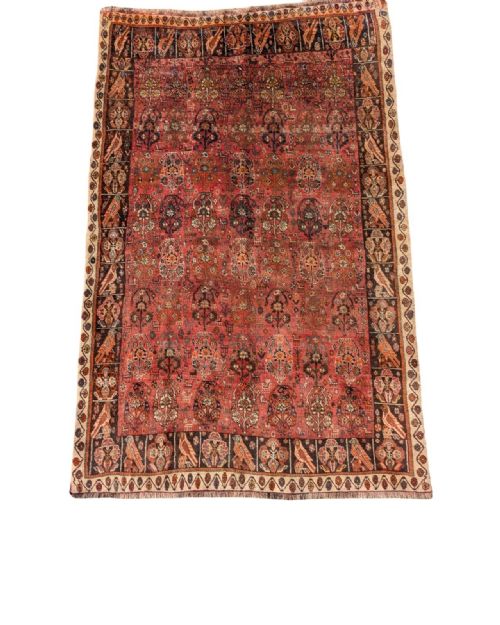
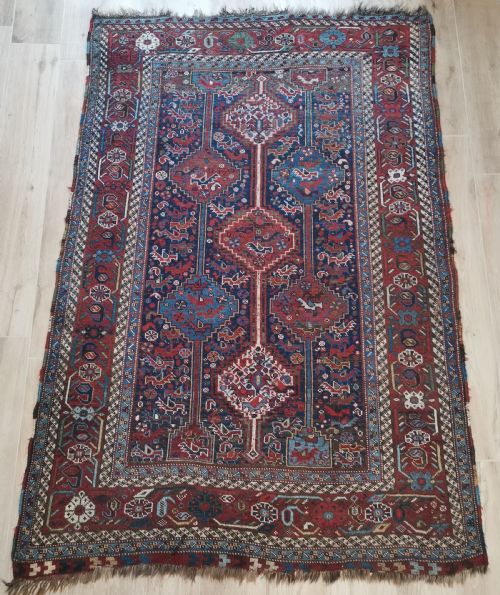
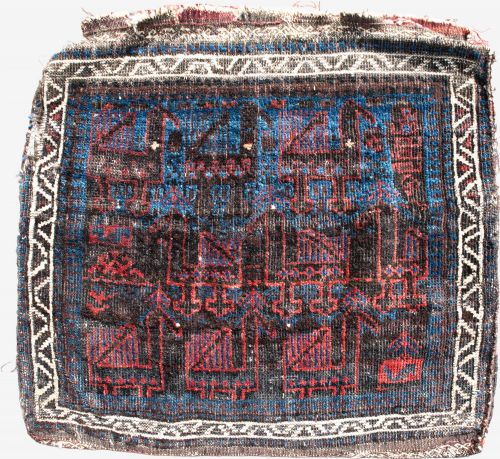
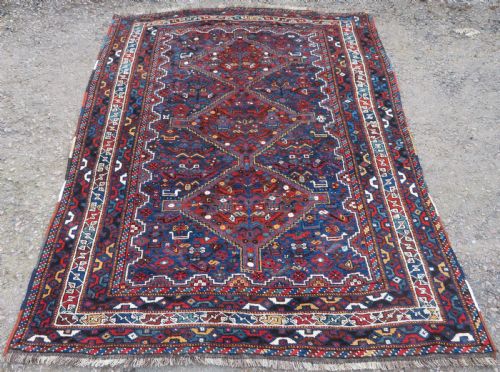
A tribal bird rug is a textile woven by nomadic and village weavers across Persia and the Caucasus, featuring distinctive avian motifs. When exploring this phrase, buyers encounter formats ranging from large carpets and room-sized floor coverings down to small bag faces and runners.
The most common examples on this page hail from Khamseh, Caucasian, and Baluch traditions, often dating from the late nineteenth century to the early twentieth century. These pieces display stylized birds, chickens, and pecking fowl alongside geometric medallions and botanical elements.
How they were made
Weavers constructed these textiles primarily using hand-spun wool and cotton foundations, incorporating goat hair for durability on edges and structural elements. Natural and vegetable dyes provided the rich palettes that characterise these antique pieces.
Techniques varied from standard pile knotting on carpets and rugs to flat-woven Soumak structures utilised for smaller bag faces. The application of natural colorants yielded soft, faded tones and vibrant hues that age gracefully over generations.
Listings span weaving traditions from the Caucasus down to South West Persia, incorporating materials like goat hair and vegetable-dyed wool.
What varies in quality
Quality in these textiles rests upon the clarity of the drawing and the complexity of the avian motifs rendered by the weaver. Denser knotting and precise geometric integration separate standard utility pieces from exceptional tribal examples.
The choice and preservation of natural dyes heavily influence the visual impact of the work. Superior pieces retain depth of colour and structural integrity across the wool pile and foundation.
The Tribal Bird Rug Glossary
- Morghi
- A Persian term often applied to rugs featuring chicken or bird motifs. It describes the specific pictorial focus of the weave.
- Soumak
- A flat-weaving technique involving wrapping纬 threads over warp threads to create a durable, textured surface without a pile. This method is frequently seen on antique bag faces.
- Khorjin
- A traditional saddle bag woven in pairs for transport by nomadic tribes. Collectors often find individual bag faces separated from their original backing.
- Boteh
- An ancient motif resembling a curved almond, pear, or cypress tree, frequently accompanying bird designs in Persian weaving.
- Medallion
- A central ornamental design element placed in the field of a rug, often linked or repeated across tribal carpets.
Tribal Bird Rug: Frequently Asked Questions
What is a tribal bird rug?
A tribal bird rug is an antique textile woven by nomadic groups in Persia or the Caucasus that incorporates stylized avian figures. These creatures often appear alongside geometric medallions or trees.
Weavers utilised local materials like hand-spun wool and vegetable dyes to create durable floor coverings and functional bags. Each piece reflects the specific visual traditions of its weaving community.
How do I date a tribal bird rug?
Dating relies on examining structural characteristics, materials, and stylistic markers such as dye palettes and border designs. Pieces on this page span from the late nineteenth century into the early twentieth century.
Hand-spun wool and natural or vegetable dyes generally point toward earlier production periods. Chemical dye tests and stylistic comparisons with archived examples help narrow down the decade of creation.
Where were these rugs made?
These textiles originated among nomadic confederations and village weavers in regions such as South West Persia, Kurdistan, and the Caucasus. Tribes including the Khamseh, Shahsavan, and Baluch produced distinct regional variations.
Geographic origins dictate the specific weave structure, wool quality, and design vocabulary found on each piece. Khamseh weavers, for instance, frequently produced chicken carpets using dark wool foundations.
How should I care for an antique rug?
Preserving an antique textile requires gentle handling, regular vacuuming without a rotating brush, and protection from direct sunlight. Professional cleaning by specialists in historic rugs prevents fibre degradation.
Using a quality rug underpad reduces friction against hard floors and prevents slipping. Rotating the piece periodically ensures even wear in high-traffic domestic environments.