




Traditional Woven Runner
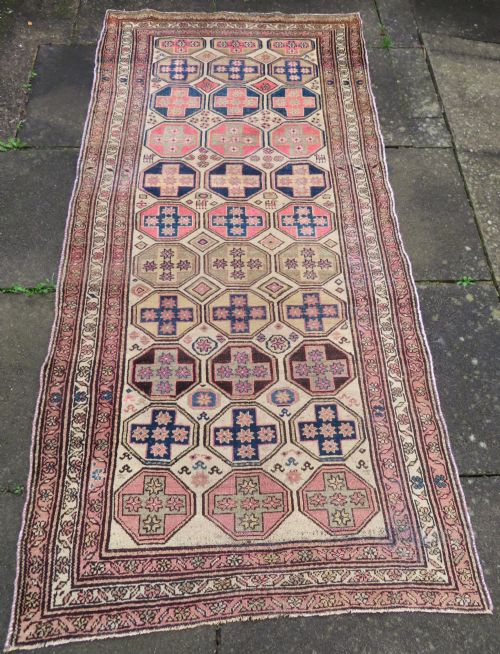
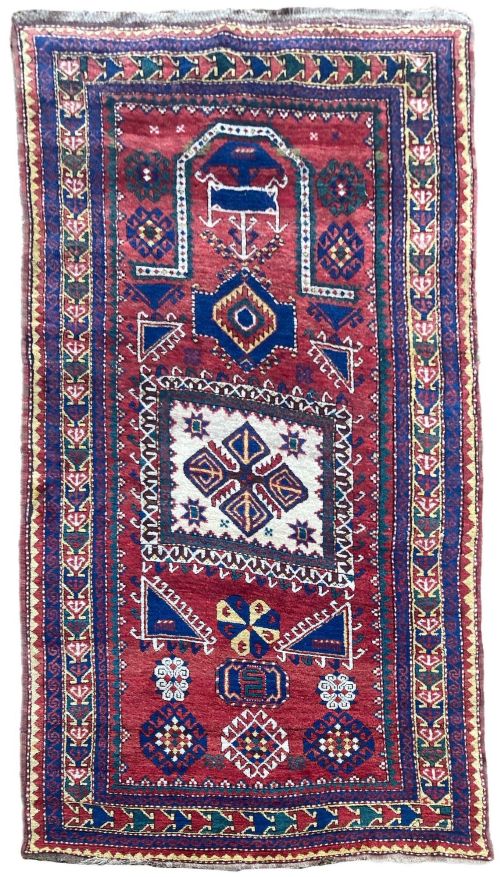
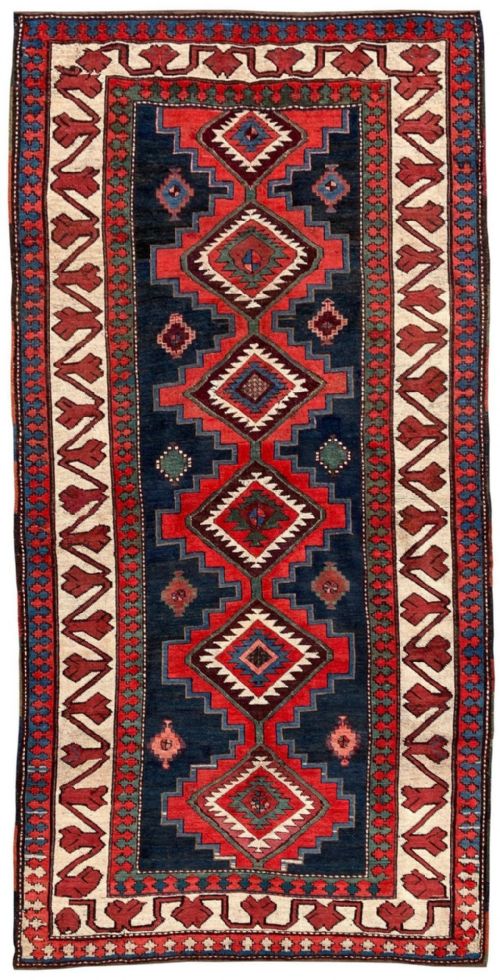
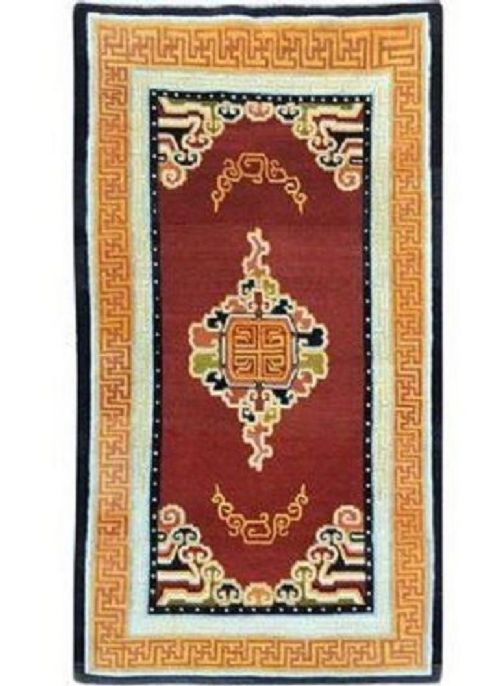
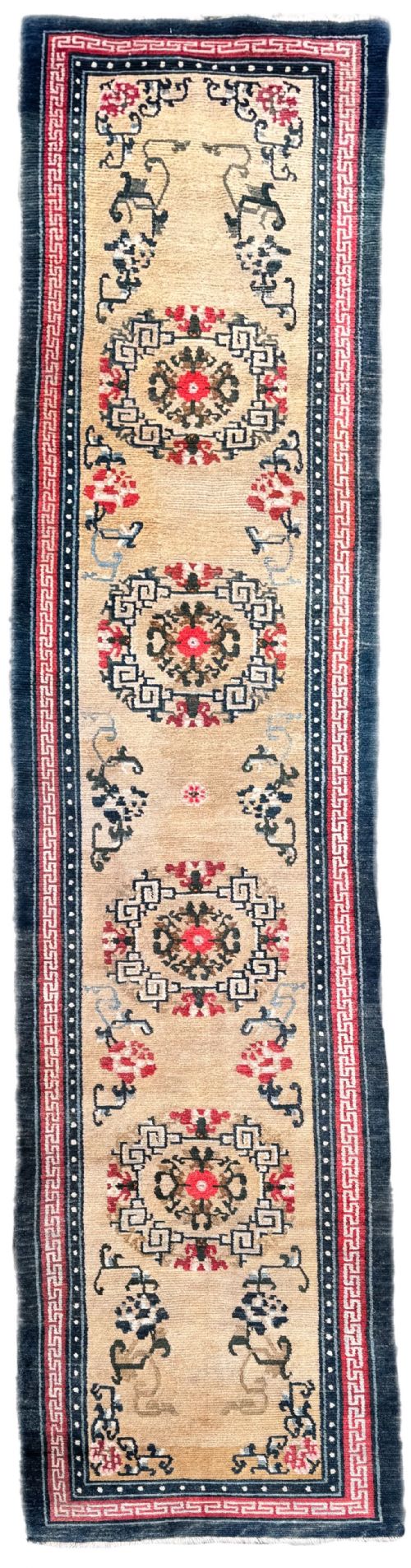
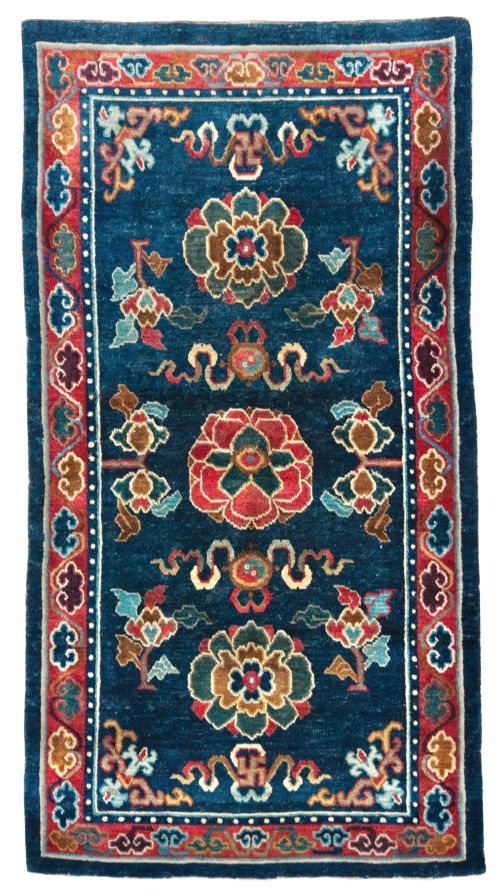
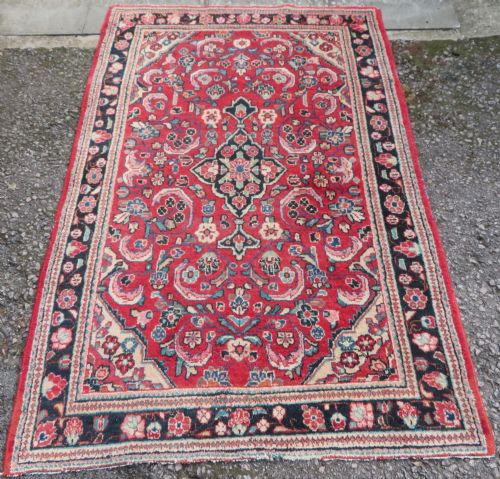
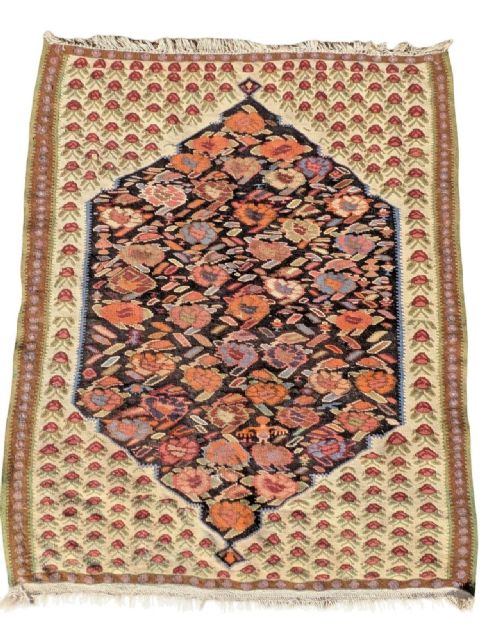
A traditional woven runner brings linear pattern and texture to narrow spaces through hand-knotted and flatwoven designs originating across Persia, the Caucasus, and Tibet.
Traditional Woven Runner
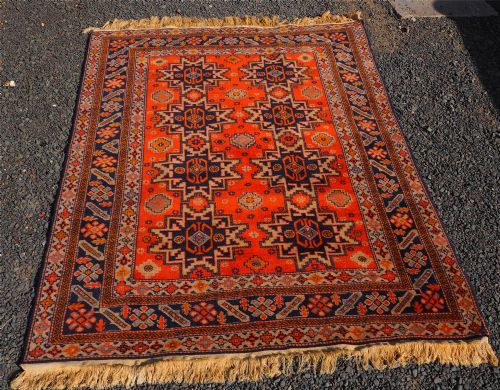
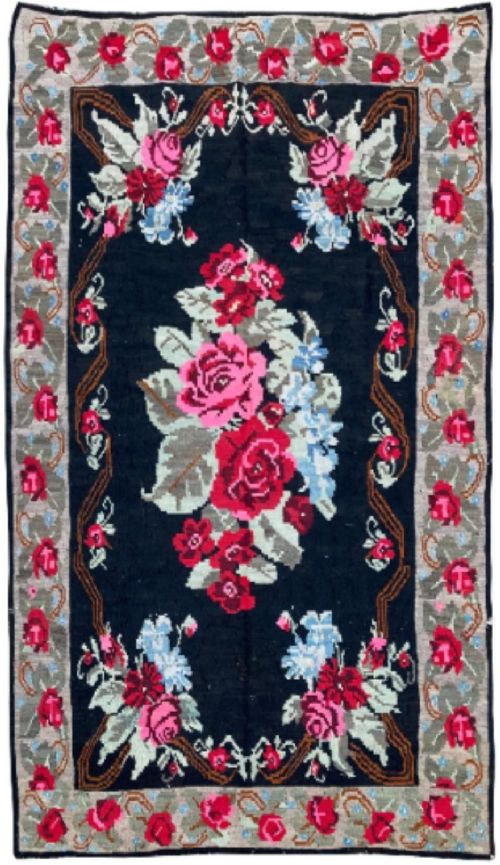
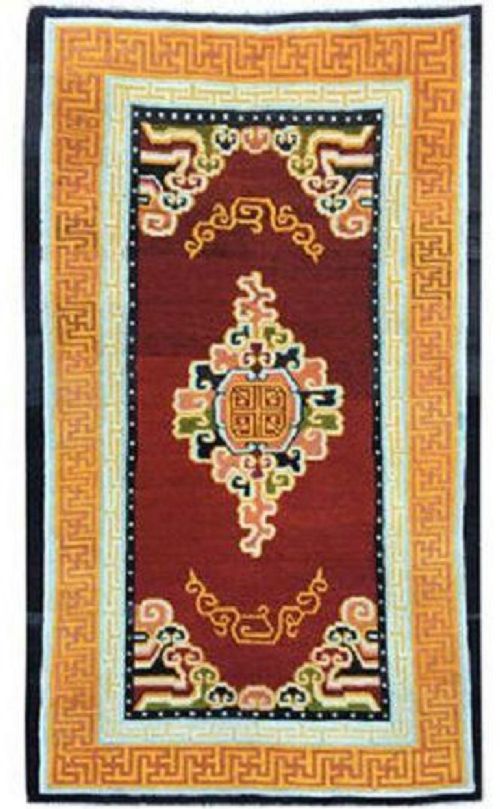
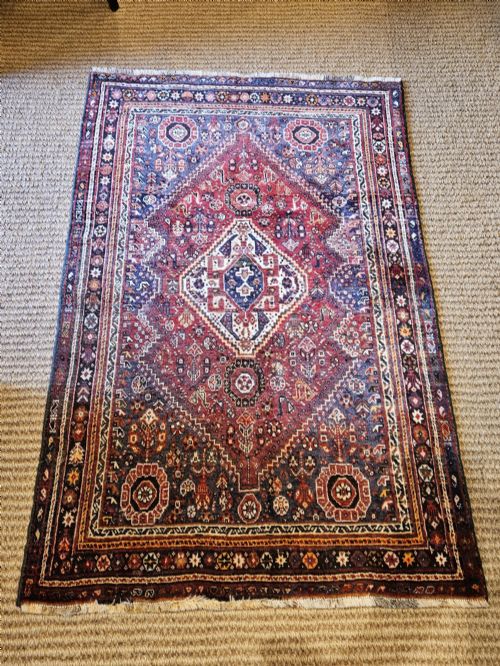
When searching for a traditional woven runner, buyers encounter elongated floor coverings designed specifically for corridors, hallways, and narrow rooms. These textiles emerge from diverse regional traditions, spanning Persian tribal workshops, Caucasian villages, and Tibetan monastic or domestic contexts.
The pieces appearing on this page date from the mid-nineteenth century through the early twentieth century, encompassing various tribal and regional forms. Buyers meet both pile carpets and flatwoven kilims, each utilising specific regional motifs passed down through generations of weavers.
Materials and construction
Makers construct these runners primarily using wool, hand-spun wool, and cotton foundations, occasionally incorporating silk for specific decorative highlights. Weavers knot or weave these natural fibres by hand, building dense pile surfaces or flat structures that withstand heavy foot traffic.
The coloration relies upon natural dyes applied to the animal and plant fibres, creating rich hues that mellow gracefully over decades. Foundation threads of cotton or wool provide structural stability to the elongated formats required for hallway spaces.
Some nineteenth-century tribal weavers tucked accidental animal motifs into geometric borders, leaving small secret dogs and birds to watch over the hallway.
Distinctions in quality
Quality rests upon the fineness of the knotting or weaving and the integrity of the natural dye palette used throughout the field. Denser structures and tighter foundations separate superior examples from standard utility pieces, ensuring greater longevity under regular use.
Artistic execution also defines the better specimens, visible in the precision of geometric or animal motifs and the harmonious balance of background colours. Superior wool selection yields a softer handle and a more lustrous pile that ages with characteristic depth.
The Traditional Woven Runner Glossary
- Kilim
- A flatwoven textile produced without a pile, often utilising geometric slit-tapestry techniques common in Anatolian and Caucasian traditions.
- Prayer Rug
- A smaller format rug featuring a mihrab or niche design historically oriented toward Mecca during daily devotions.
- Natural Dyes
- Colourants derived from plant, insect, and mineral sources applied to wool or silk before weaving.
- Boteh
- A traditional almond-shaped or paisley motif representing a floral spray or cypress tree, frequently found in Persian designs.
- Khaden
- A Tibetan rug format traditionally used as a sleeping or seating mat rather than a floor covering.
Traditional Woven Runner: Frequently Asked Questions
Where should I place a traditional runner?
These elongated textiles suit narrow architectural spaces such as corridors, hallways, and stair landings where standard rectangular carpets fail to fit. Their linear formats guide movement through a home while protecting timber or stone flooring.
Placing them in high-traffic zones requires attention to underlay placement to prevent slipping and reduce fibre wear. Selecting appropriate dimensions ensures the runner maintains proportional balance within the corridor boundaries.
How do I identify a tribal rug?
Tribal pieces typically display geometric motifs, stylized animals, and asymmetric layouts rather than formal court designs. Weavers working within nomadic or village confederacies produced these rugs from memory using local materials.
The resulting patterns often show slight irregularities in symmetry and spontaneous colour changes that reflect the weaver's individual choices during construction.
Are natural dyes easy to spot?
Natural dyes display subtle tonal variations known as abrash, where the colour shifts gently across the field due to variable dye batches. These hues mellow with age rather than fading harshly under light exposure.
Synthetic colourants introduced later often appear uniform and stark, lacking the secondary undertones characteristic of nineteenth and early twentieth-century dye work.
How do I care for an old runner?
Maintenance involves gentle, regular vacuuming without rotating brush heads to prevent fibre distortion and fringe damage. Professional washing by specialists in antique textiles removes embedded grit safely.
Avoiding direct, prolonged sunlight preserves the natural dye integrity across the wool and cotton pile over decades of use.