




Traditional Tribal Floor Carpet
Traditional tribal floor carpet pieces bring centuries of nomadic and village weaving traditions into modern spaces through enduring wool and natural dyes.
Traditional Tribal Floor Carpet
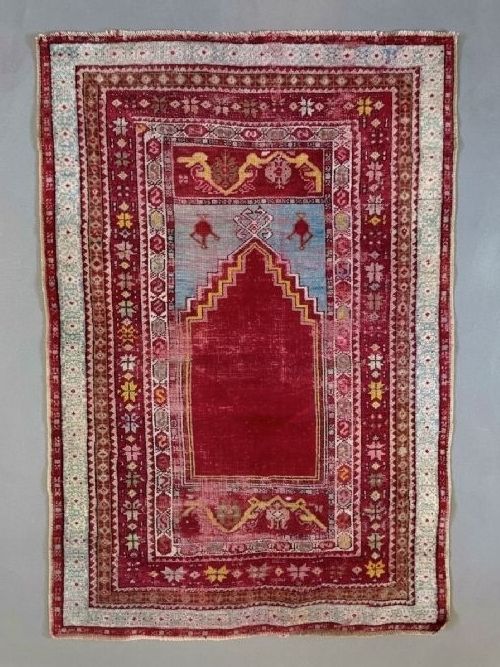
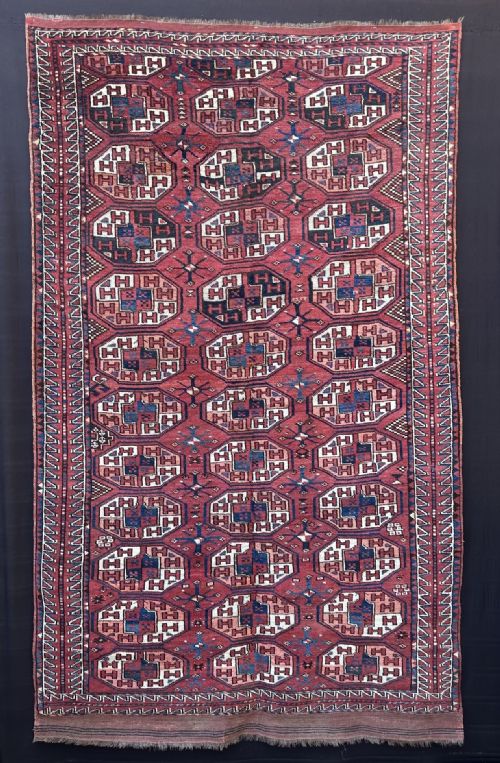
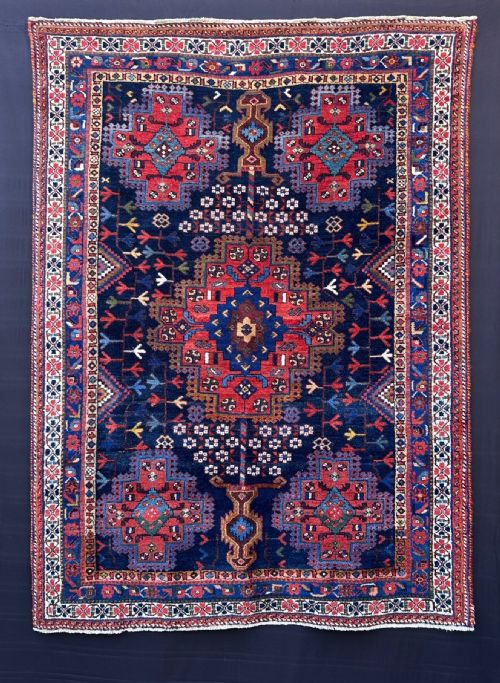
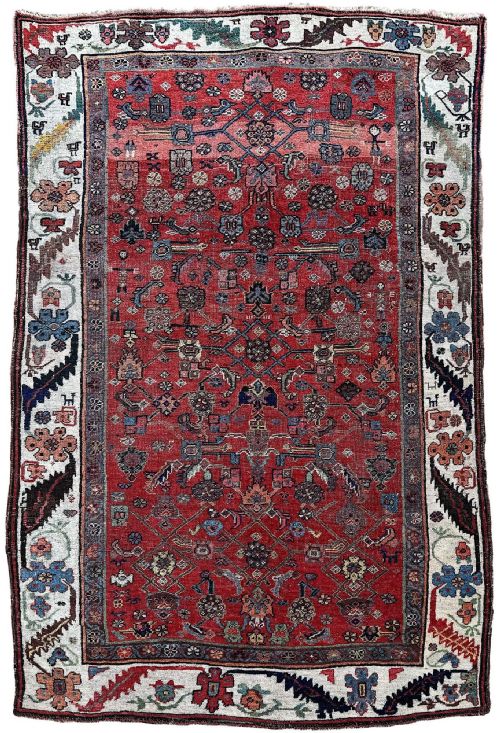
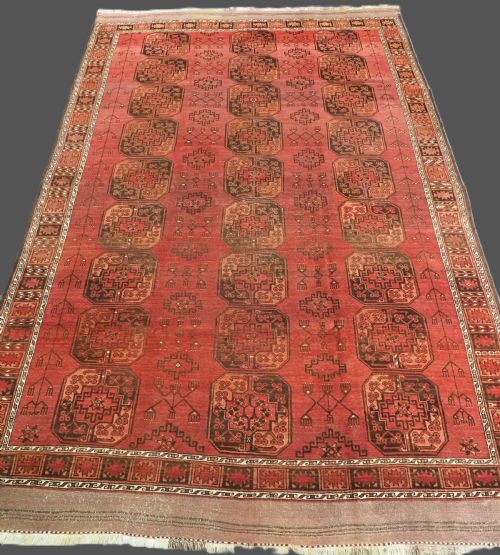
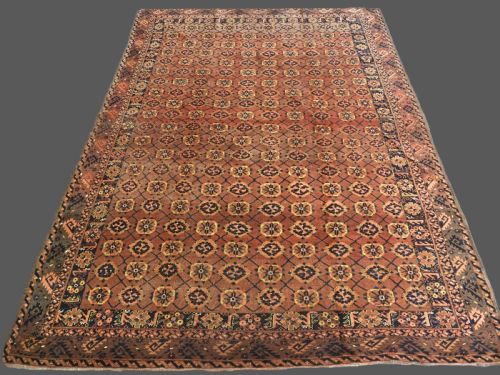
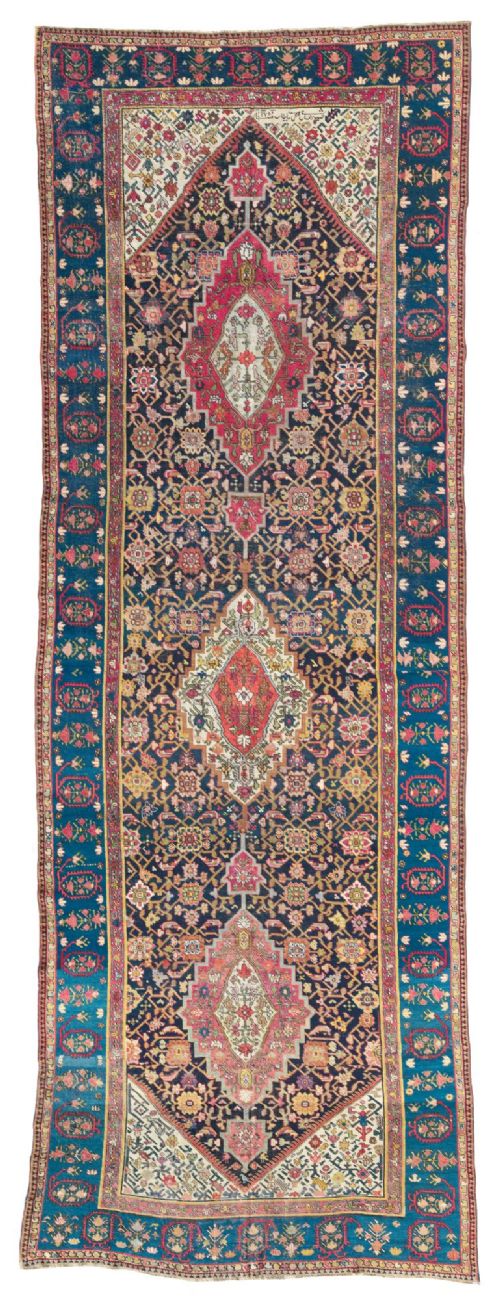
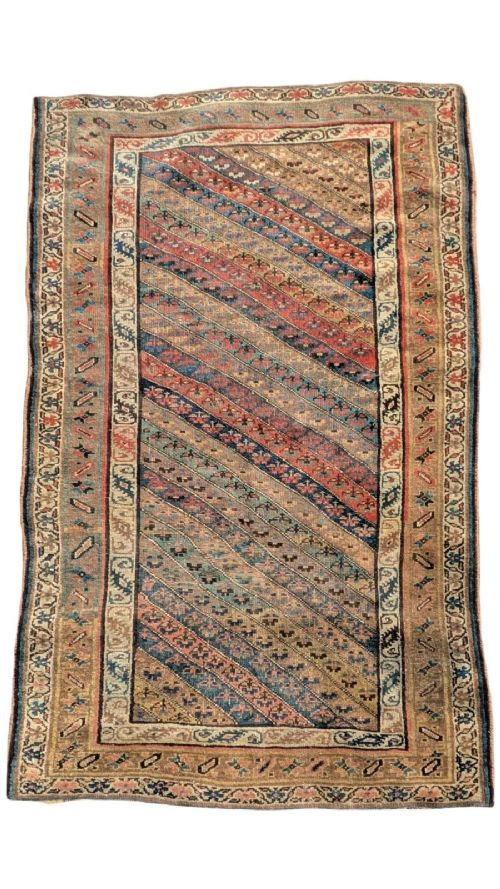
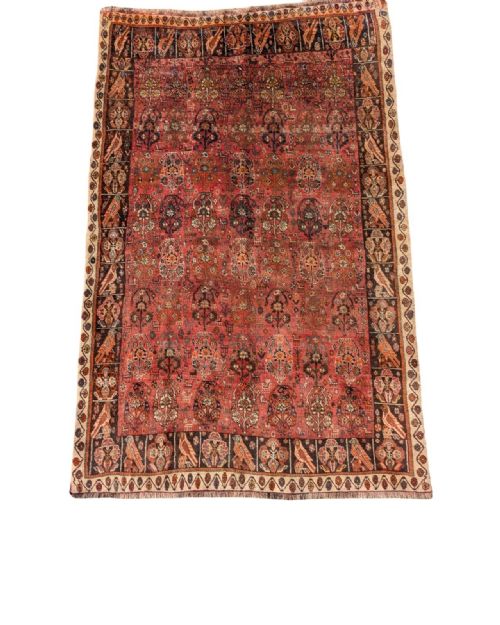
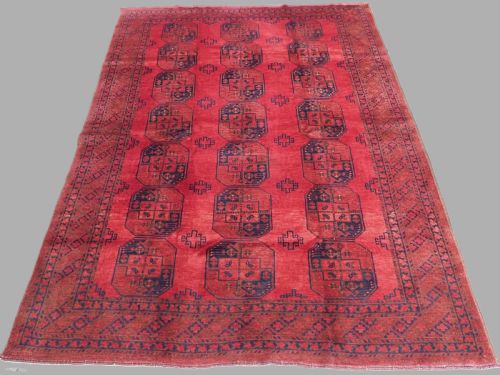
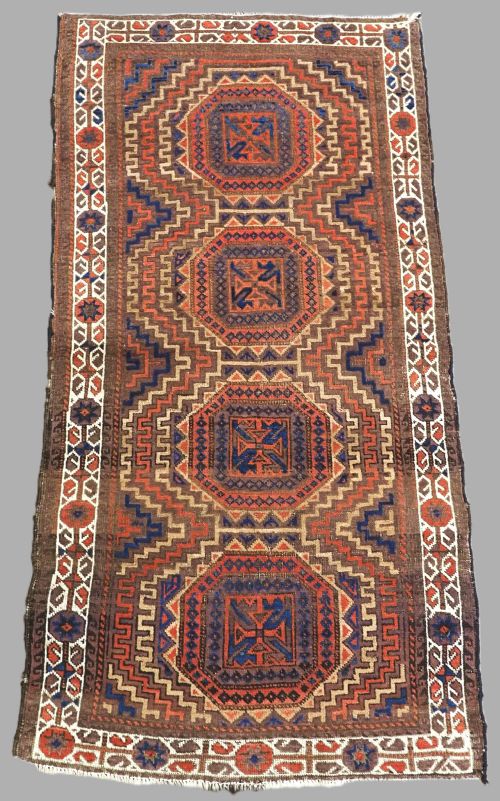
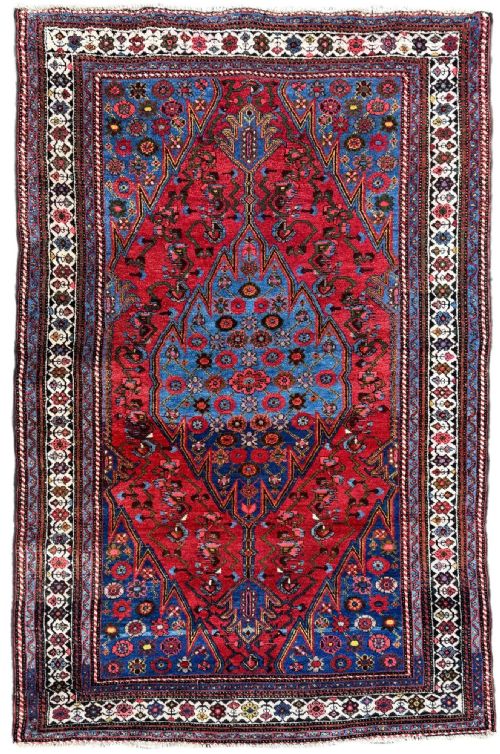
A traditional tribal floor carpet represents the hand-knotted textile heritage of nomadic tribes and village communities from regions such as Persia, the Caucasus, and Central Asia. When you search this phrase, you encounter floor coverings that span periods from the mid-nineteenth century to the mid-twentieth century, featuring distinct regional designs and tribal motifs.
The most common examples on this page are village and tribal rugs originating from Persian, Caucasian, and Turkmen makers. These pieces range in scale from compact scatter rugs and hallway runners to larger room-sized carpets created for functional warmth and daily use.
How traditional tribal floor carpet pieces were made
These floor textiles rely primarily on durable wool for the pile, foundations constructed from sturdy cotton, and colour achieved through natural dyes derived from plants and minerals. Artisans hand wove and hand knotted each carpet utilising traditional loom techniques passed down through generations.
The combination of locally sourced wool and natural dyestuffs allowed weavers to create dense, resilient structures that aged with rich character. Masteries of knotting density and dyeing methods directly determined the physical weight and longevity of each finished carpet.
What varies in quality in traditional tribal floor carpet pieces
The distinction between standard examples and finer works lies in the precision of the weave, the complexity of the tribal iconography, and the depth of the natural palette. Finer carpets exhibit greater knot density and structural integrity, which allows the intricate geometric or figurative patterns to remain crisp and well-defined.
Materials and dye chemistry also govern quality, as carpets dyed with rich natural substances develop a harmonious patina over decades of wear. The consistency of the wool and the symmetry of the tribal design reveal the skill and experience of the original weaver.
The Traditional Tribal Floor Carpet Glossary
- Gul
- A repeating octagonal or medallion motif commonly found in Turkmen and Baluch tribal carpets. These motifs often served as tribal emblems or family crests passed down through generations.
- Kelleh
- A long, narrow format of Persian carpet traditionally used in the lengthwise sections of a room. This format balances the proportions of traditional domestic interiors.
- Natural Dyes
- Colourants extracted from plants, insects, and minerals before the advent of synthetic alternatives. They produce nuanced hues that mellow gracefully with age.
- Runner
- A long, rectangular carpet specifically proportioned for hallways, corridors, and staircases. Runners protect high-traffic wooden floors while adding pattern and warmth.
Traditional Tribal Floor Carpet: Frequently Asked Questions
How do I clean a traditional tribal floor carpet?
Vacuum these carpets gently without using a rotating brush bar to protect the wool pile from unnecessary friction. Professional cleaning by a specialist in antique textiles is recommended every few years to remove embedded dust safely.
Avoid using domestic chemical detergents or excessive water, which can damage natural dyes and cotton foundations. Spot cleaning should be limited to blotting spills immediately with a clean, dry white cloth.
Can I use an antique carpet in a hallway?
Many traditional tribal floor carpets and runners were originally made for high-traffic domestic spaces. Their durable wool construction and dense pile make them well-suited for hallways and corridors when paired with a quality underlay.
An underlay prevents slipping and cushions the foundation against hard subfloors, reducing premature wear. Rotate the carpet periodically to ensure even foot traffic distribution across the surface.
How do I identify a tribal carpet from a village carpet?
Tribal carpets often feature asymmetrical geometric designs, repeating guls, and motifs born from nomadic memory rather than formal cartoons. These patterns reflect the specific heritage of regional tribes such as the Qashqai, Afshar, or Bakhtiari.
Village carpets tend to display slightly more structured compositions while retaining organic, handmade imperfections. Both categories utilise natural dyes and hand-spun wool characteristic of pre-industrial textile production.
What underlay should I use underneath an old carpet?
Select a breathable, non-slip rug pad designed specifically for historic textiles and hard floors. A proper underlay prevents the carpet from shifting during daily use and cushions the wool fibres against crushing.
Avoid rubberized or plastic mesh backings that lack ventilation, as they can trap moisture and damage original cotton foundations over time.