
Trestle Base Table
A trestle base table brings enduring architectural strength and sturdy utility to a room, offering clean lines and unhindered legroom.
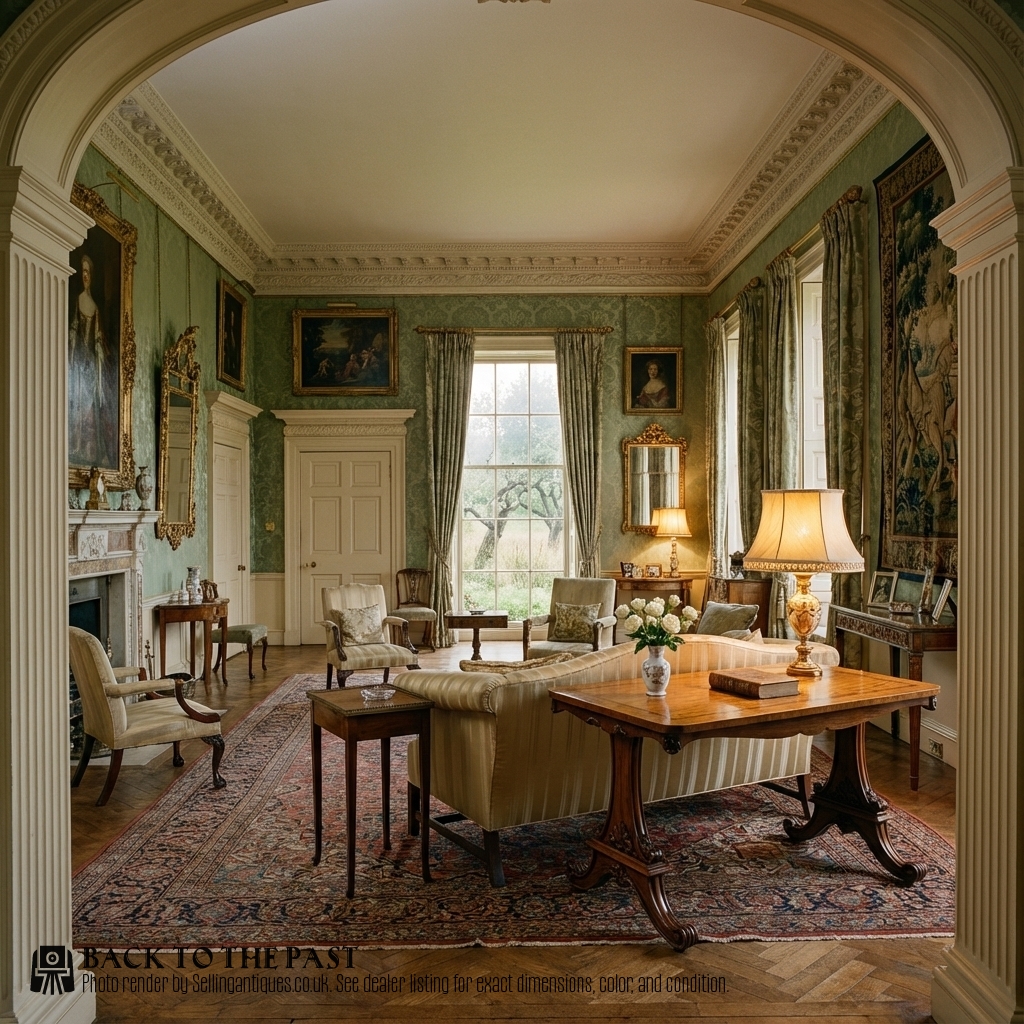
Trestle Base Table
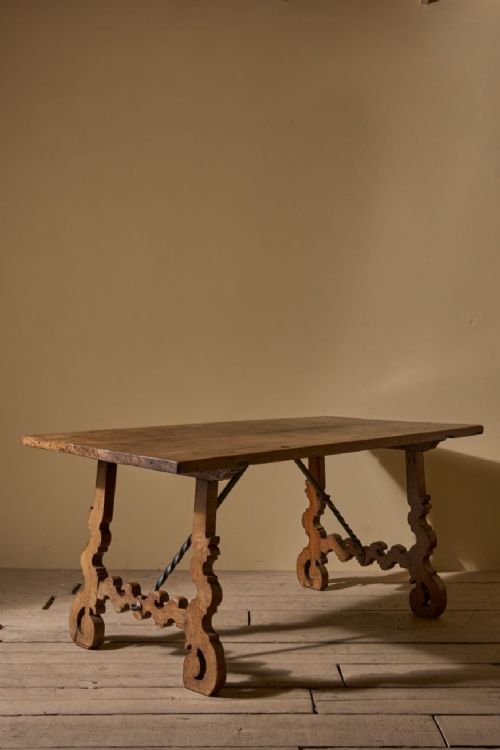
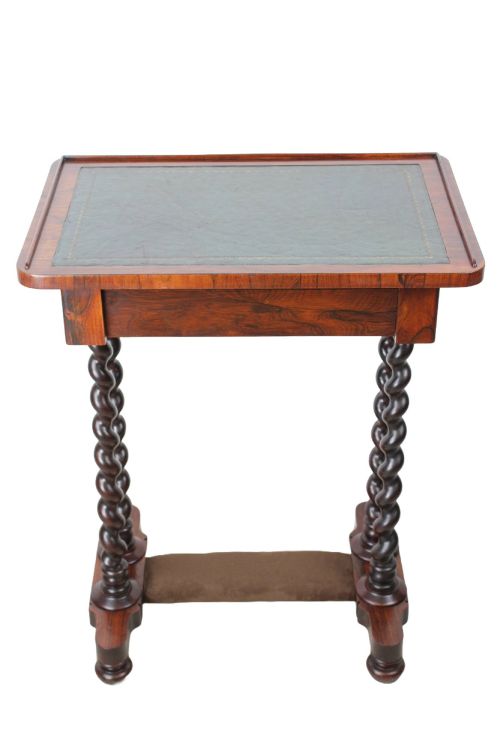
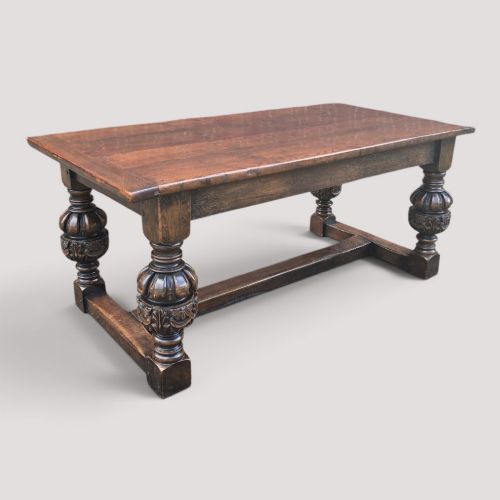
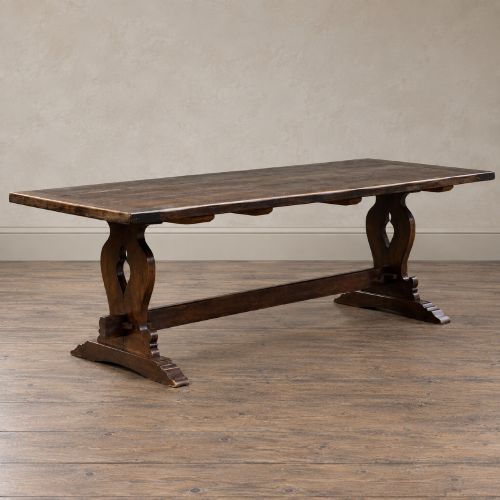
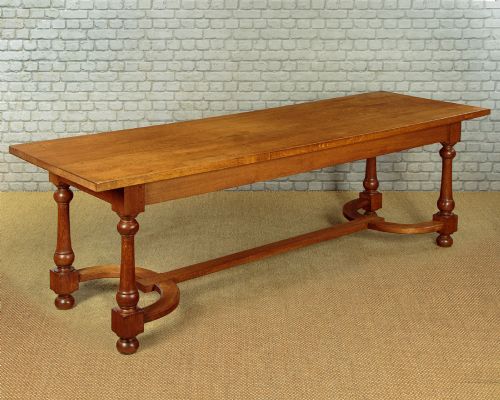
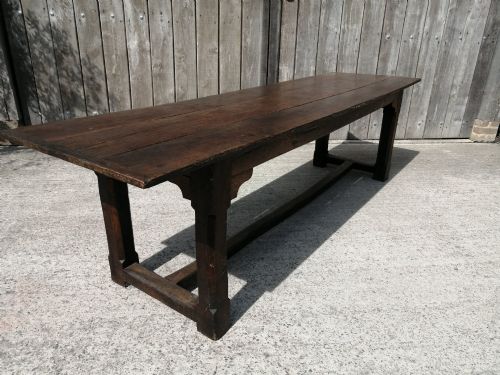
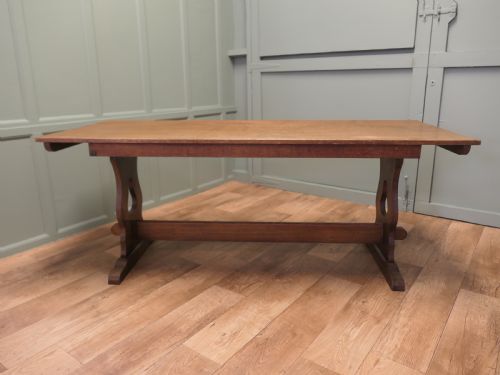
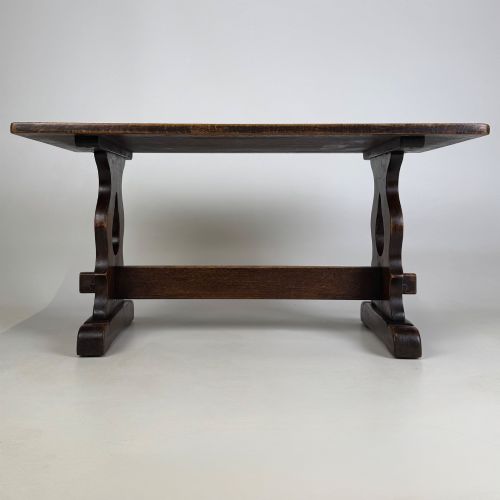
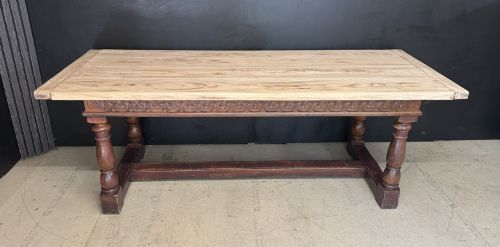
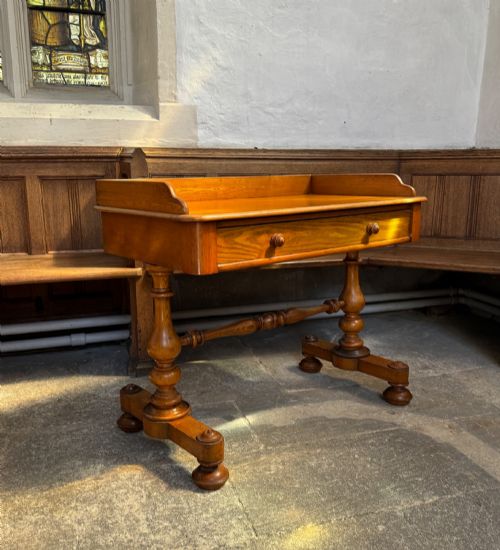
When you examine a trestle base table on this page, you encounter sturdy timber surfaces supported by upright posts and horizontal feet rather than standard corner legs. These pieces span centuries of design, appearing in robust oak refectory formats alongside refined rosewood and mahogany writing formats.
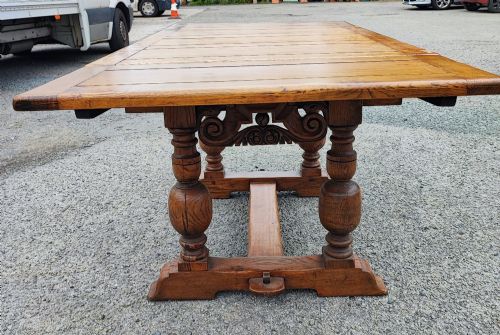
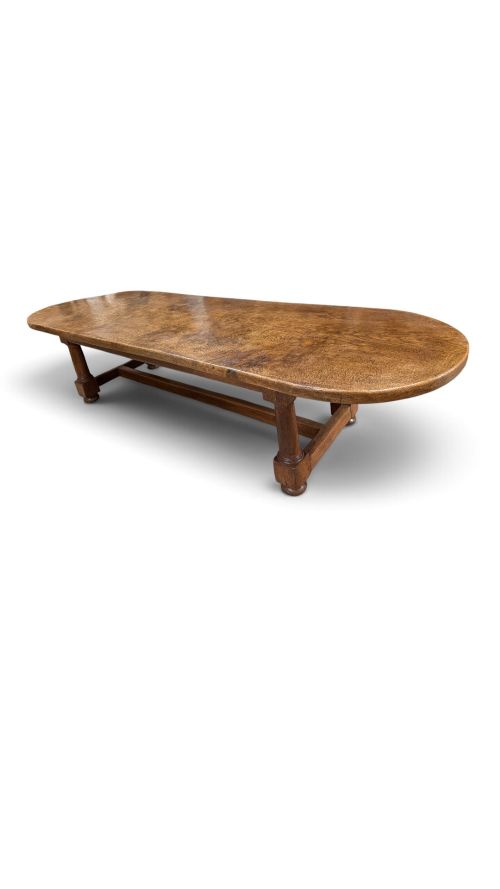
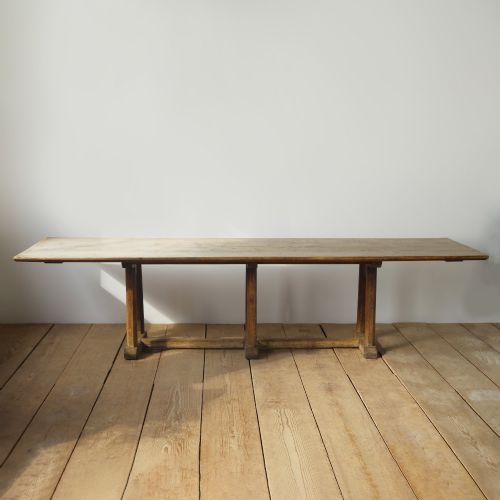
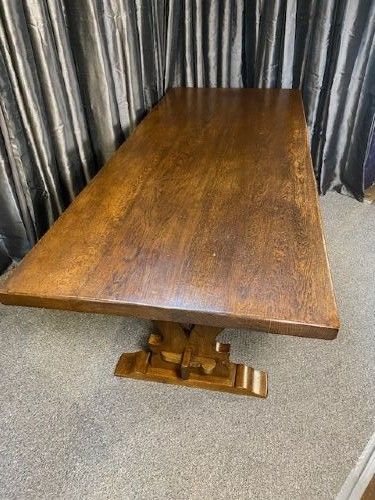
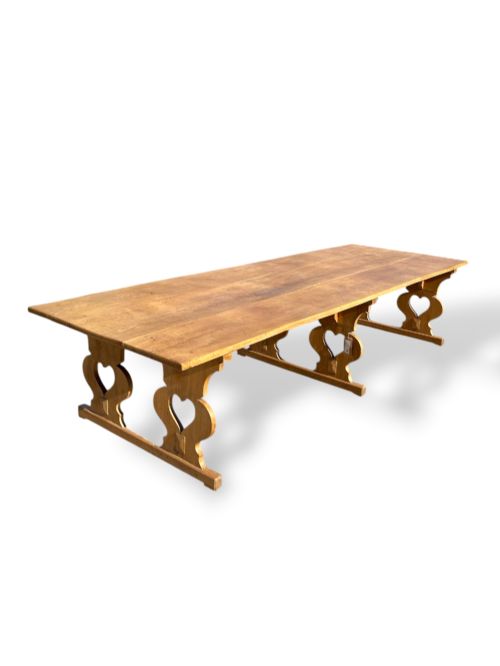
The version you meet most frequently is the oak farmhouse or refectory dining table, often drawing on 18th century or 19th century traditions. Alongside these large dining pieces, the selection includes smaller occasional forms such as coffee tables, side tables, and console tables utilising walnut, pine, and wrought iron.
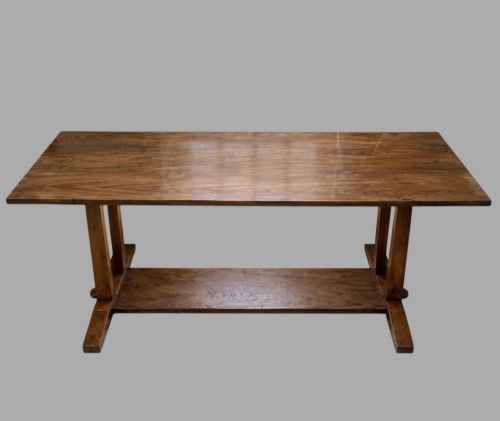
Makers and workshops across different eras adapted this ancient architectural support structure for domestic dining, library, and kitchen use. The resulting objects range from rustic country furniture to formal Regency and Arts and Crafts creations.
How they were made
Cabinet makers and joiners relied primarily on solid timbers, with oak, mahogany, walnut, and pine forming the structural backbone of these pieces. Planks were joined using traditional carpentry methods to create expansive table tops capable of withstanding daily domestic labour.
The distinctive base construction utilises vertical uprights connected by stretchers or feet, distributing weight evenly without requiring corner supports. Metal elements such as brass fixtures and cast iron bases occasionally reinforced the timber frameworks or provided alternative support systems in later periods.
Listings span periods from the 18th century through the Victorian era and into the 1930s, featuring woods such as oak, mahogany, walnut, and pine.
What varies in quality
The grade of timber selection and the integrity of the joinery determine the standing of an individual piece within its period. Superior examples display dense, well-figured grain in woods like oak, walnut, or rosewood, combined with tight, stable joints that have survived centuries of use.
Proportion and execution distinguish standard utilitarian furniture from finer regional or stylistic interpretations. Refined edge moulding, balanced trestle supports, and harmonious timber matching separate ordinary workshop output from exceptional examples.
The Trestle Base Table Glossary
- Refectory table
- A long, narrow dining table traditionally used in monastic refectories and domestic great halls. These pieces often feature substantial timber tops supported by trestle legs connected by a central stretcher.
- Draw leaf table
- A table equipped with underleaves that slide out from beneath the main top to extend the surface area. This clever mechanism allows the table to accommodate more diners without removing the central leaves.
- Stretcher
- A horizontal timber beam connecting the vertical legs or trestle uprights of a table to provide lateral stability. It prevents the base from swaying under heavy loads.
- Quartetto tables
- A nest of four graduating tables designed to fit neatly beneath one another. These sets frequently appear in rosewood from the Regency period.
- Burr walnut
- Timber taken from the warted growth of a walnut tree, highly prized for its swirling, decorative grain patterns. Makers used it as a veneer on high-status furniture.
Trestle Base Table: Frequently Asked Questions
What is a trestle base table?
A trestle base table is a piece of furniture where the top rests on horizontal feet connected by upright supports rather than four corner legs. This construction maximises seating space along the length of the table.
Such tables have served as communal dining surfaces for centuries, evolving from heavy monastic refectory boards into domestic farmhouse and occasional formats.
How do I style a trestle table?
Pairing a heavy oak or pine trestle table with simple benches or mismatched chairs creates an inviting, balanced interior scheme. The clean architectural lines allow the timber grain to serve as the visual centrepiece.
In smaller spaces, low coffee table versions or slim console variants introduce historical character without dominating the room.
Are these tables suitable for modern dining?
These tables adapt well to contemporary dining because the absence of corner legs allows diners to sit comfortably along the entire length. The robust construction easily handles the demands of daily family life.
Older examples bring warmth and tactile history into a modern kitchen or dining room, anchoring the space with traditional craftsmanship.
How do I date an antique wooden table?
Dating relies on examining the timber species, tool marks, construction joints, and overall style characteristics typical of specific periods like the 18th century or Victorian era. Hand-sawn boards and pegged joinery generally indicate earlier manufacture.
Comparing the hardware, secondary woods, and wear patterns against documented period examples helps confirm the approximate age.