


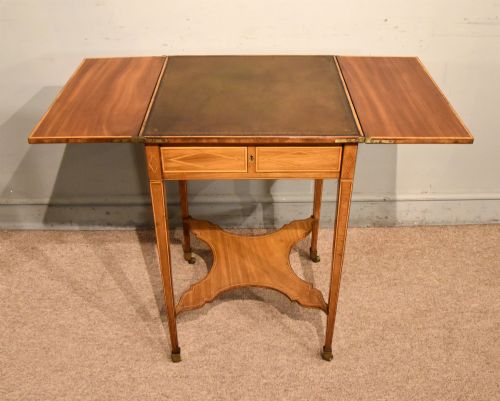
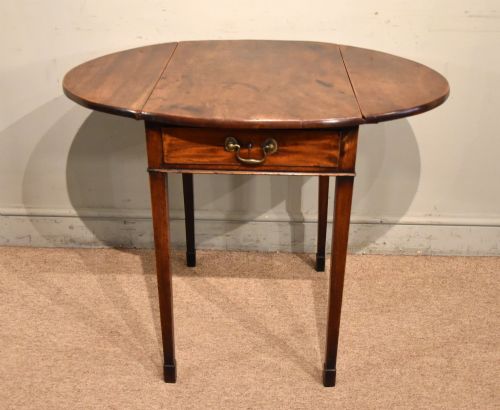
Antique Mahogany Drop Leaf
Solid timber tables with folding flaps remain practical centerpieces for flexible rooms, built to expand when needed and tuck away flat.
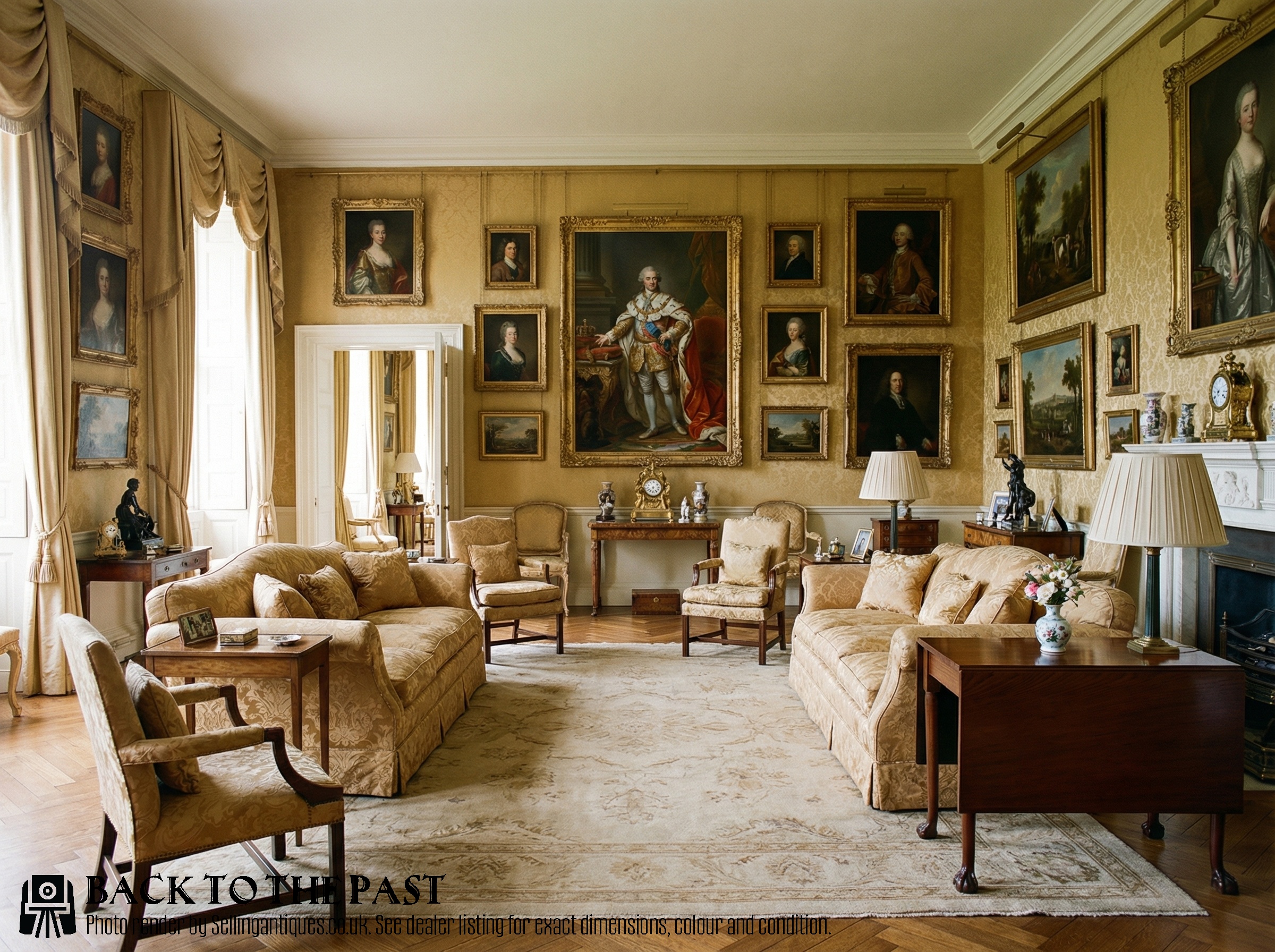
Antique Mahogany Drop Leaf
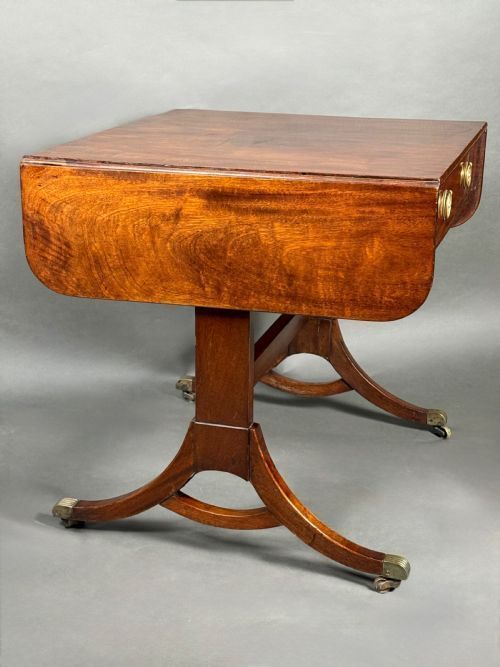
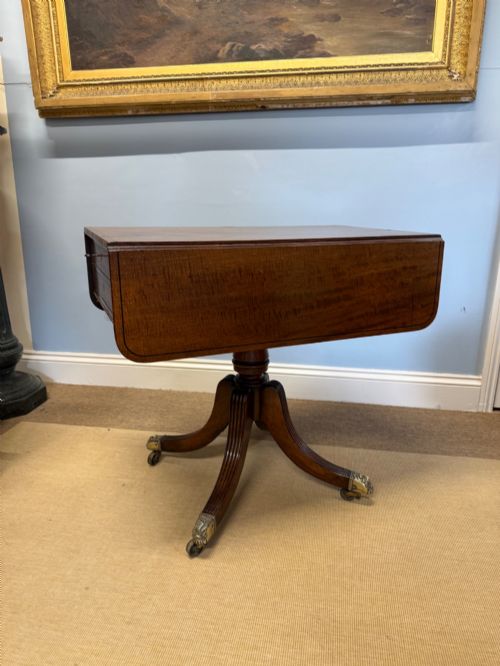
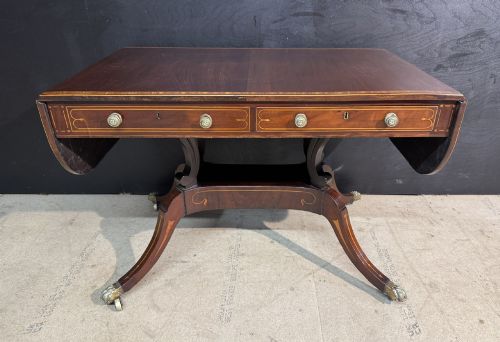
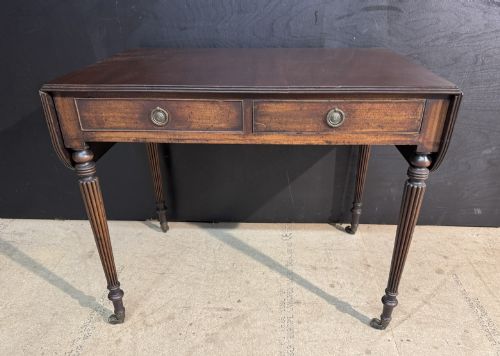
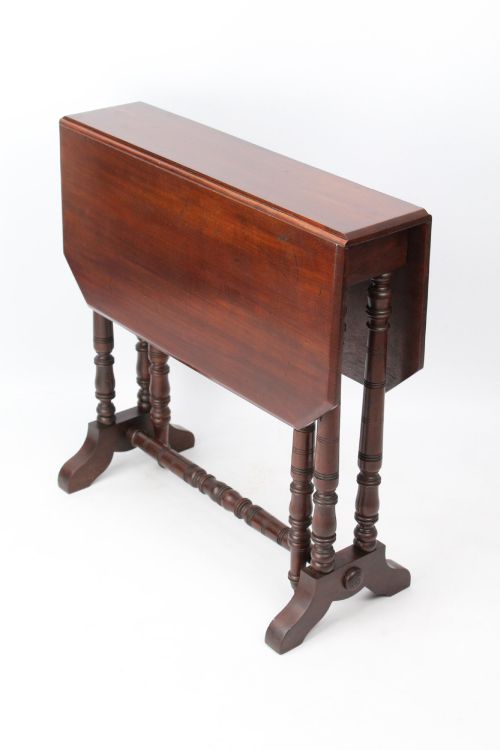
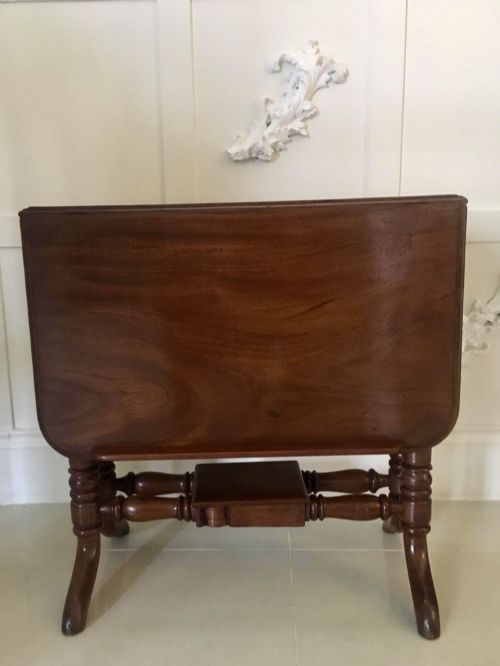
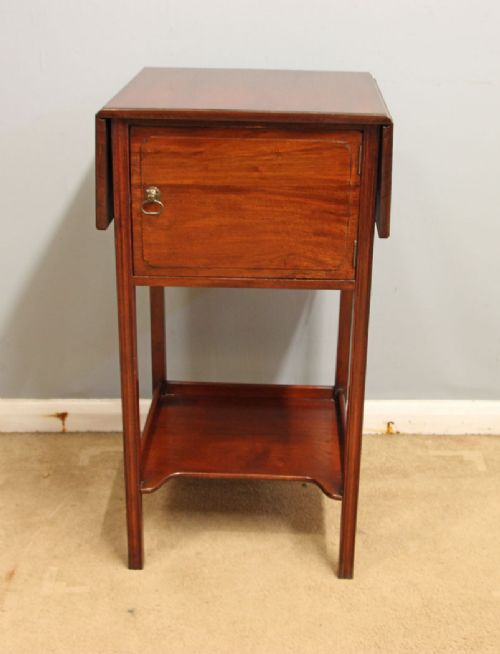
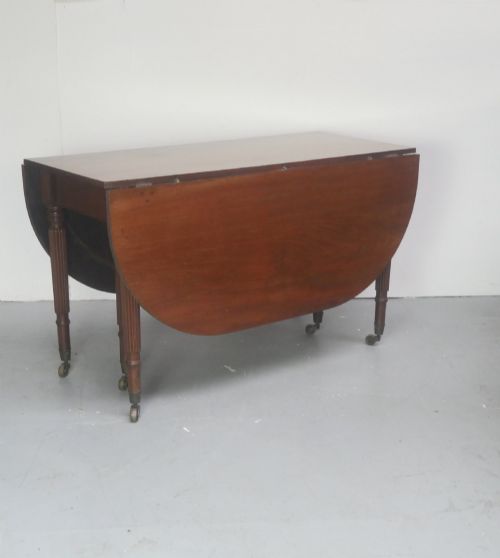
An antique mahogany drop leaf offers a hinged surface supported by swinging legs, appearing across 18th century, Georgian, Regency, and Victorian periods.
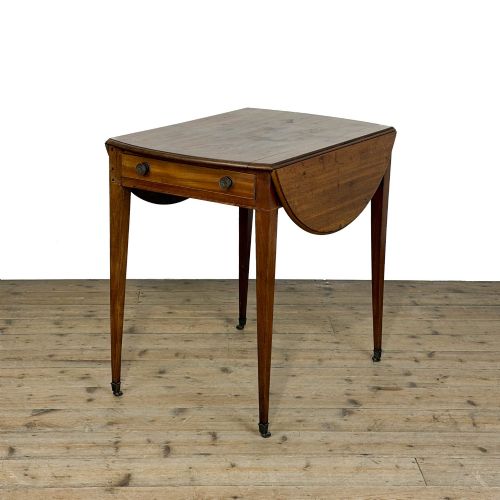
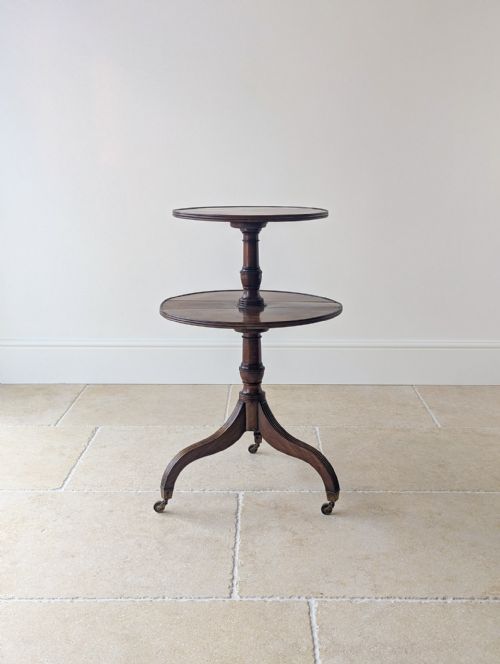
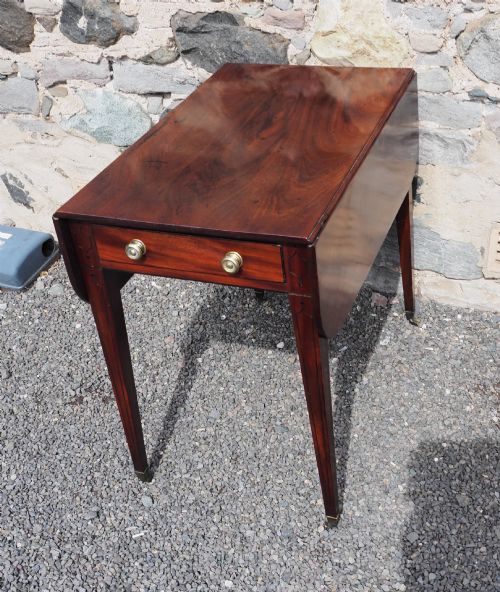
The selections span larger dining formats down to compact Pembroke, sofa, work, and bedside tables.
Makers utilised rich timber variants to build adaptable furniture for dining rooms, drawing rooms, and studies.
Materials and Technique
Cabinetmakers built these pieces primarily using solid or flame mahogany, often incorporating secondary timbers like boxwood and satinwood for contrast.
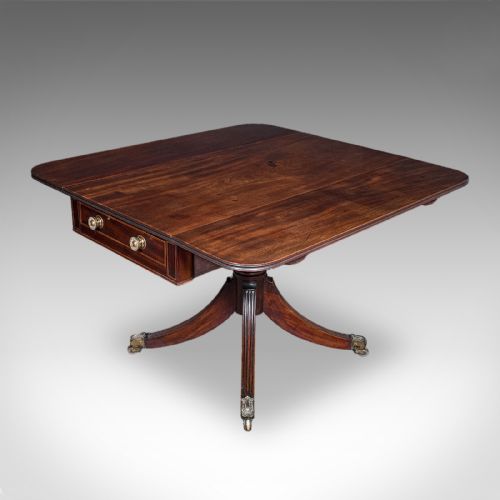
Details frequently include decorative wood inlay, brass fittings, leather writing inserts, and turned or spider legs supporting the drop flaps.
Antique Mahogany Drop Leaf Retail Price Guide 2026
Typical asking prices for mahogany drop leaf among the pieces listed under this phrase on Sellingantiques today, from the lower quarter to the upper quarter. They describe what is for sale here now, not the wider market.
Spider leg tables balance sturdy dining capability upon legs no thicker than a pencil.
Craftsmanship and Proportion
Superior examples display careful matching of wood grain across the leaves and top, creating a unified surface when extended.
Fine construction shows in the smooth operation of the gateleg or swinging brackets that support the folding flaps, alongside crisp inlay work and solid brass castors.
Gillows
The Antique Mahogany Drop Leaf Glossary
- Drop leaf
- A table featuring hinged flaps on either side that fold down to save space when not in use.
- Pembroke table
- A small rectangular table with two folding side leaves and usually one or two small drawers.
- Sofa table
- A long, narrow table designed to stand in front of a sofa, equipped with drop leaves at the ends.
- Sutherland table
- A narrow table with exceptionally slender legs and wide drop leaves that fold almost vertically.
- Flame mahogany
- Timber sliced to reveal a distinctive, fiery grain pattern with swirling figures.
- Boxwood inlay
- Narrow strips of pale wood set into the darker mahogany surface to create decorative borders.
Antique Mahogany Drop Leaf: Frequently Asked Questions
How do I use a drop leaf table in a small room?
Keep both flaps folded down against the wall to use the piece as a console or side table, pulling it out and raising the leaves only when you need extra surface area for dining or working.
The clever folding mechanism allows the furniture to adapt instantly to the proportions of your room without sacrificing floor space.
What is the difference between a Pembroke and a sofa table?
Pembroke tables typically feature short drop leaves on the long sides and often include a drawer, whereas sofa tables are longer and narrower with leaves positioned on the short ends.
Sofa tables were traditionally placed behind upholstery in grand rooms, while Pembroke tables functioned flexibly as writing or breakfast desks.
How do I date a mahogany drop leaf table?
Look to the overall style, leg shape, and secondary timbers, noting that 18th century and Georgian pieces often feature simpler structural lines while Regency examples display bolder brass details and boxwood inlay.
Victorian and Edwardian pieces frequently introduce turned bamboo legs or narrower Sutherland proportions.
How do I care for antique mahogany surfaces?
Dust the timber regularly with a soft, dry cloth and apply a quality beeswax periodically to nourish the grain and protect the polish from drying out.
Avoid placing the table in direct sunlight or near heat sources to prevent the solid mahogany and inlay work from warping or cracking.