

Vintage Folding Dining Table
A vintage folding dining table offers adaptable surfaces for compact rooms, drawing on centuries of drop-leaf and gateleg engineering.
Vintage Folding Dining Table
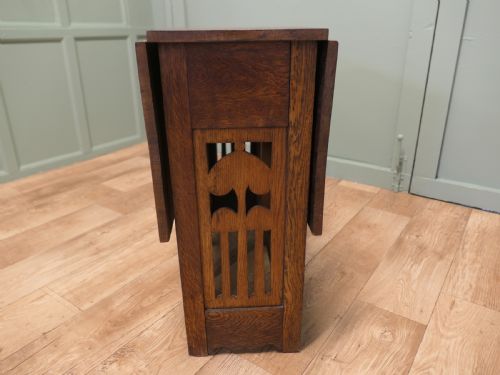
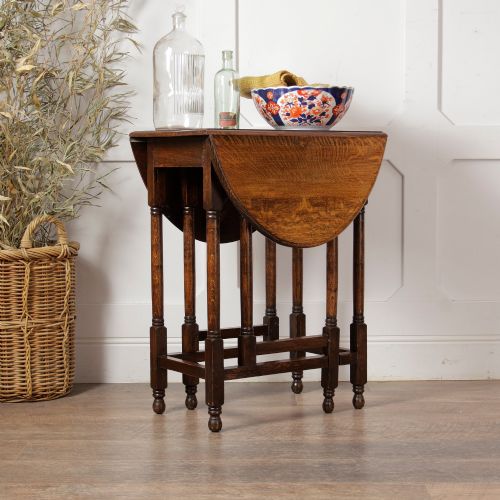
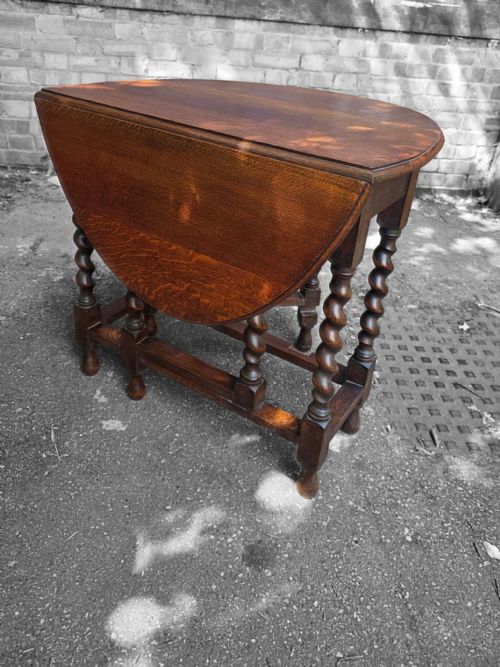
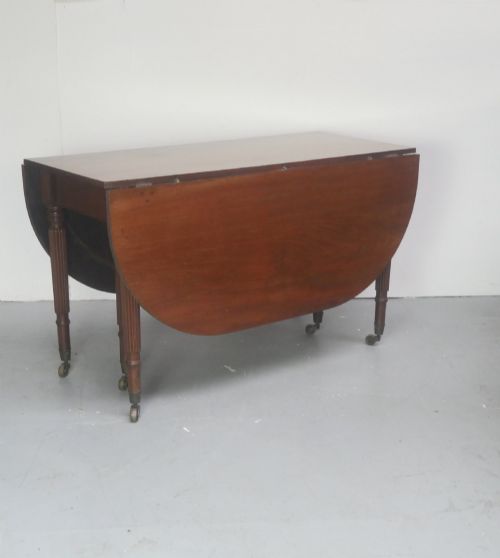
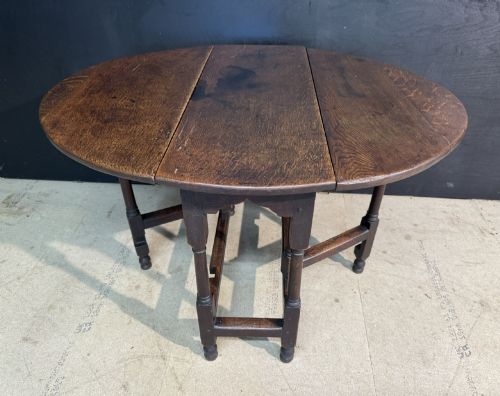
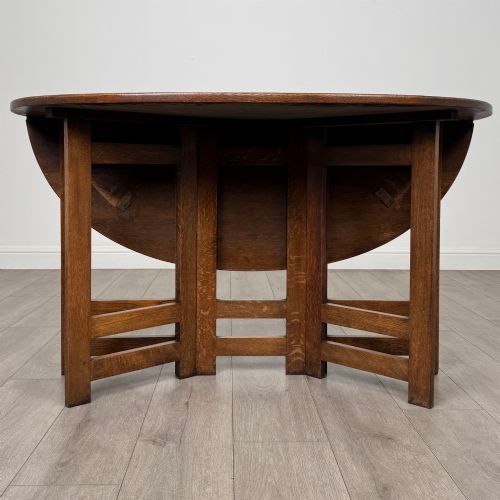
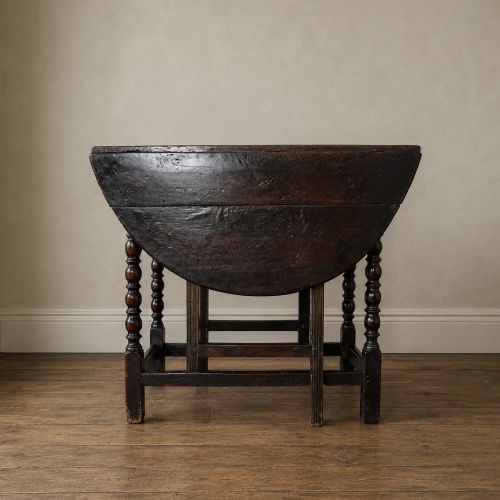
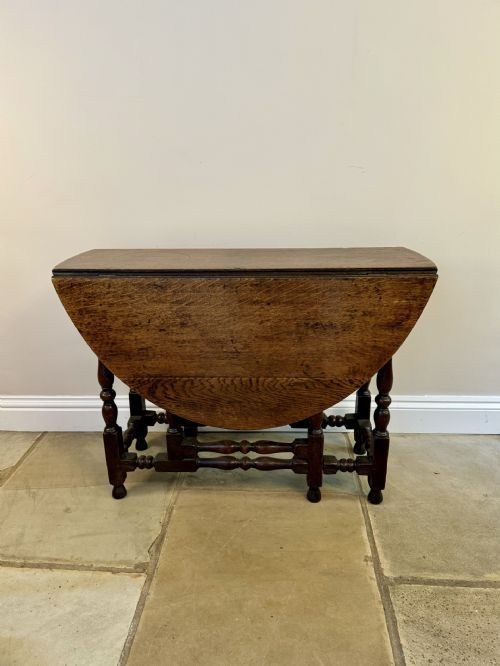
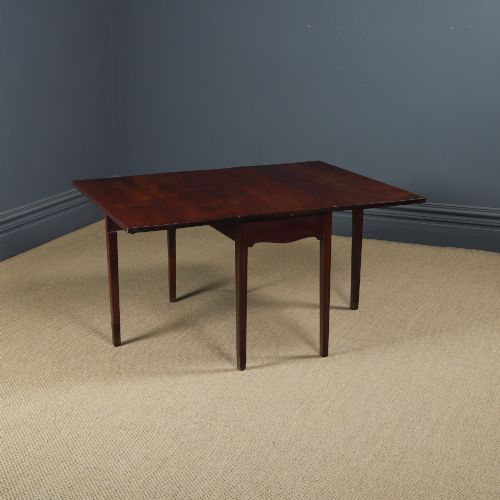
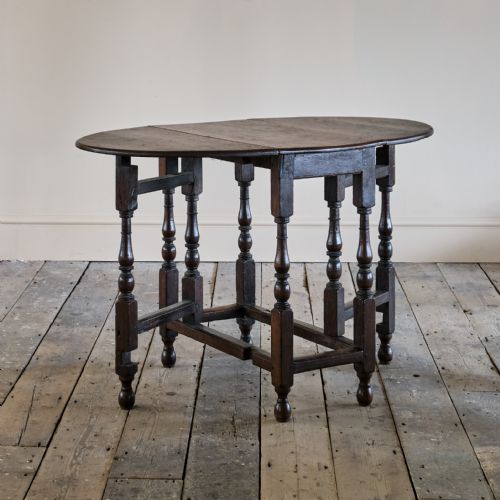
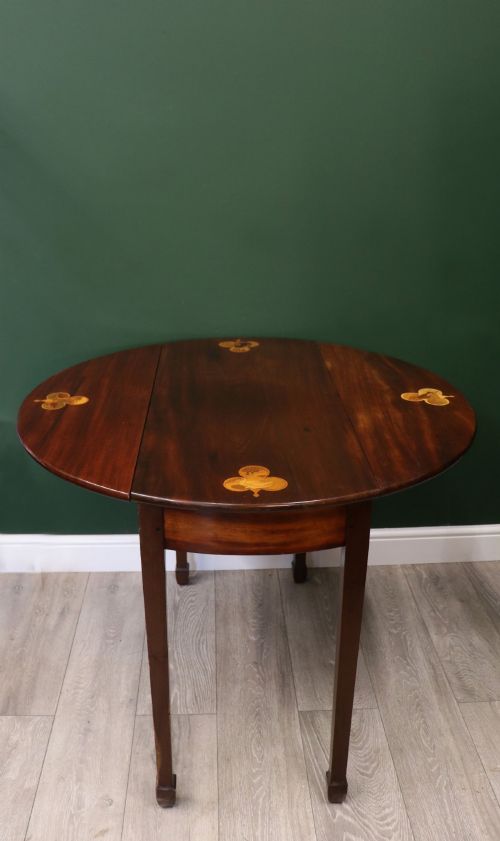
A vintage folding dining table typically manifests as an oak or mahogany gateleg, drop-leaf, or Pembroke design, spanning from the seventeenth century through the Edwardian period and into the nineteen-twenties. These pieces provide extended eating surfaces that collapse when floor space is required, functioning as dining tables, side tables, or console tables.
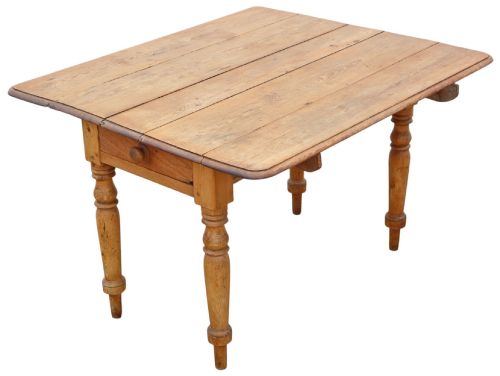
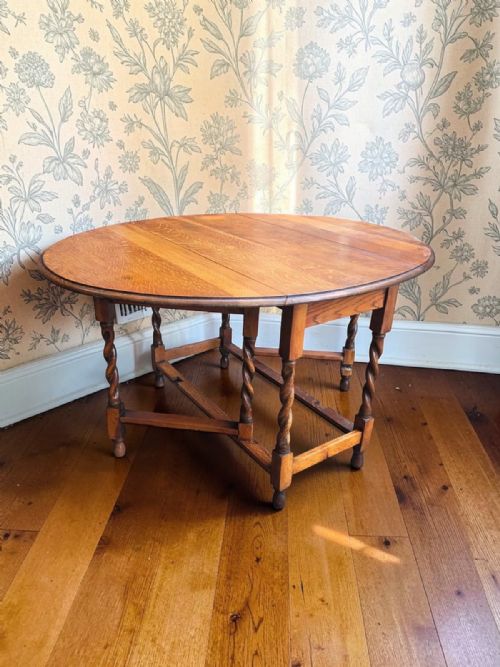
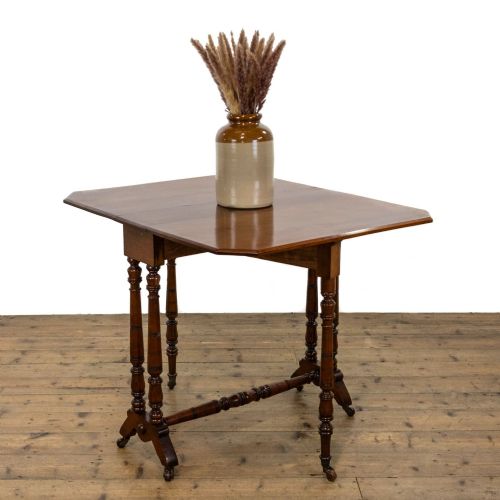
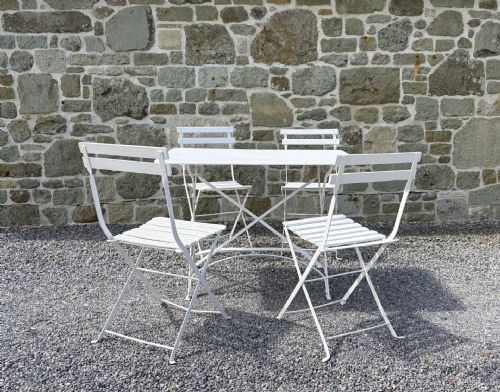
The selection ranges from early oak gatelegs supported by six legs and barley twist turnings to mahogany Pembroke and Sutherland tables from the Georgian and Victorian eras. Continental examples such as Swedish slagbord and French zinc-top garden sets also appear alongside utilitarian pine kitchen tables.
Buyers seeking this phrase encounter formats built for versatile living, whether through eighteenth-century craftsmanship or early twentieth-century revivals of Jacobean styles. Each form addresses the perennial domestic challenge of seating guests without sacrificing daily room proportions.
Assessment of Standard
Quality rests in the integrity of the timber selection, the snugness of the joints where leaves meet the fixed centre, and the smoothness of the pivoting gateleg action. Superior examples maintain original hardware and retain surface patination developed through centuries of domestic use.
Construction depth distinguishes workshop output, seen in the proportion of the underframe and the thickness of the timber used for the top leaves. Finer pieces demonstrate careful attention to turning detail and balanced proportions when fully extended.
Vintage Folding Dining Table Retail Price Guide 2026
Typical asking prices for vintage folding dining table among the pieces listed under this phrase on Sellingantiques today, from the lower quarter to the upper quarter. They describe what is for sale here now, not the wider market.
Swedish slagbord invite diners to test centuries-old folding engineering designed for long Nordic winter feasts.
The Vintage Folding Dining Table Glossary
- Gateleg table
- A table with hinged flaps supported by legs that swing outward like gates. This design provides maximum support to extended leaves.
- Drop-leaf table
- A table featuring a fixed central section and hinged flaps that drop down at the sides. It allows the footprint to reduce significantly when not in dining use.
- Barley twist
- A spiral turning carved into furniture legs and stretchers, popular in seventeenth-century English work and revived in later periods.
- Pembroke table
- A small rectangular table with two hinged drop leaves on opposing sides, often fitted with a drawer and slender legs.
- Sutherland table
- A narrow drop-leaf table with particularly slender legs and leaves that fold down almost vertically, designed for easy storage.
Vintage Folding Dining Table: Frequently Asked Questions
How do gateleg tables support heavy dining dishes?
The structural strength relies on swinging leg frames that lock into position beneath the extended leaves, distributing weight evenly to the floor. Additional legs provide stability across larger surfaces.
Traditional joints and stretchers bind the pivoting framework to the central fixed top, preventing lateral movement during daily use.
Where were drop-leaf dining tables traditionally placed?
These pieces sat against perimeter walls or served as console tables when folded, occupying minimal floor space in hallways or reception rooms. Raising the leaves transformed them rapidly for meals.
Their mobility allowed domestic spaces to adapt throughout the day, shifting from working areas to dining rooms with ease.
How do I distinguish seventeenth-century oak from later revivals?
Early pieces display hand-riven timber, pegged joinery, and distinct tool marks left by pit saws and adzes. The grain develops a deep, unforced patination over centuries of handling.
Revival pieces from the Edwardian period utilise machine-sawn timber and standardised fixings while mimicking earlier Jacobean turning styles.
Can I use a vintage folding table every day?
Solid timber construction and durable hinges make these tables well-suited for regular dining use. Proper maintenance of the wood surface protects against daily wear.
Operating the folding mechanisms with care ensures the pivot points and gate actions remain aligned over years of service.