


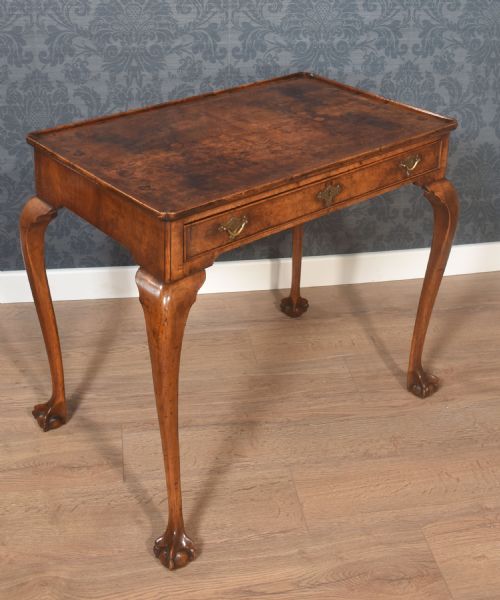


Tray Top Silver Table
These tray top silver tables are elegant serving and display pieces designed with raised rims, offering both practicality and period charm.
Tray Top Silver Table
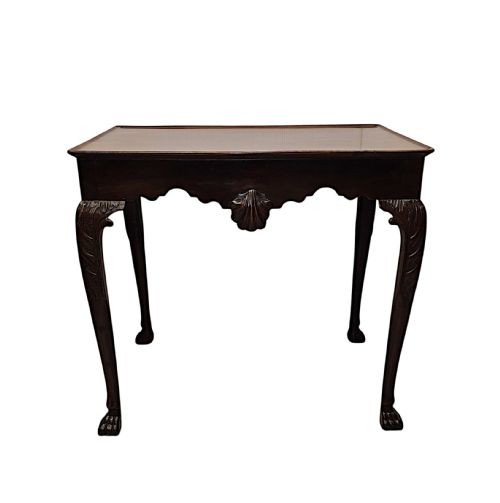
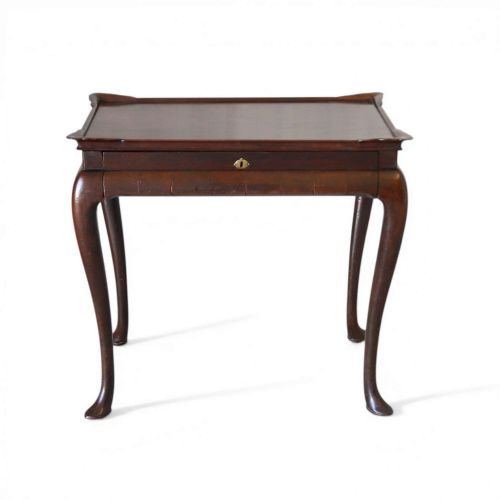
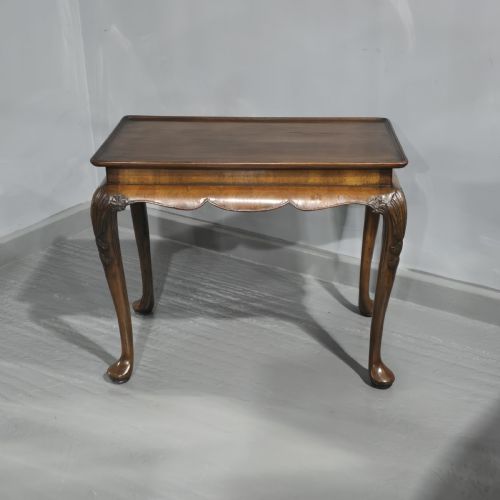
When you search for a tray top silver table, you are looking at sophisticated furniture designed to hold silver or serve tea. These items appear across the Georgian and Victorian eras, alongside later revivals.
The versions most common on this page span 18th-century forms and later 19th- and early 20th-century revivals. They function primarily as side tables, occasional tables, or coffee tables within domestic spaces.
How they were made
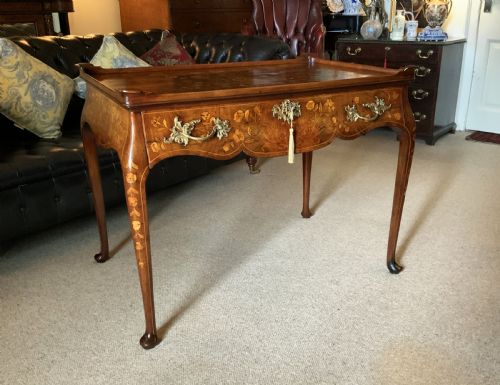
Cabinetmakers utilised dense timbers such as mahogany, Cuban mahogany, walnut, and burr walnut for the primary structure. Details often involved contrasting fruitwood and boxwood inlay.
Tables incorporate raised tray edges, cabriole legs, and occasionally intricate marquetry depicting flowers and birds in the Dutch Rococo style.
The materials recorded across these listings include mahogany, walnut, fruitwood, and brass, spanning the 18th, 19th, and early 20th centuries.
What varies in quality
The distinction between tiers rests upon timber selection and the crispness of carved elements. Figured and burr walnut variations demonstrate superior figure and grain matching.
Structural grace defines the upper range, particularly where cabriole legs flow seamlessly into the frieze. Plain proportions and heavier secondary timbers indicate simpler production.
The Tray Top Silver Table Glossary
- Tray top
- A tabletop finished with a raised moulded edge designed to prevent items from sliding off. This feature defines the primary utility of these tables.
- Cabriole leg
- A furniture leg that curves out and then in, resembling an animal's leg. It frequently terminates in pad or claw and foot forms on Georgian examples.
- Marquetry
- Decorative veneer work forming pictorial patterns using various coloured woods. Floral and avian motifs appear on specific 18th-century pieces.
- Georgian revival
- A stylistic movement looking back to 18th-century design canons. Pieces from this era replicate earlier proportions using contemporary methods.
- Occasional table
- A small, versatile table intended for specific, intermittent tasks rather than permanent placement. They serve well beside seating or in hallways.
Tray Top Silver Table: Frequently Asked Questions
What is a tray top silver table used for?
These tables served historically for displaying silver tea services or managing afternoon tea. Today they function as versatile side or coffee tables in living spaces.
Their raised edges make them practical surfaces for holding objects securely while adding distinct period character to a room.
How do I date a silver table?
Dating relies upon timber choice, leg style, and construction methods characteristic of specific centuries. Georgian examples show different carving crispness compared to Victorian or Edwardian revivals.
Secondary woods and the style of the tray rim also offer clues regarding the period of manufacture.
Are these tables solid mahogany or veneer?
Many examples utilise solid timbers like mahogany or fruitwood, particularly for legs and frames. Finely figured surfaces often employ veneers over a stable core to highlight grain patterns.
Burr walnut and figured walnut tops typically rely on veneer work to showcase intricate natural patterns.
Where should I place a silver table at home?
These pieces suit reception rooms, hallways, and studies as occasional tables or display surfaces. Their compact footprints allow them to fit beside seating or against walls.
The raised tray edge helps contain smaller display items safely.