




Traditional Wool Kilim
When you select a traditional wool kilim, you bring home a flatwoven textile carrying generations of regional pattern and dye work.
Traditional Wool Kilim
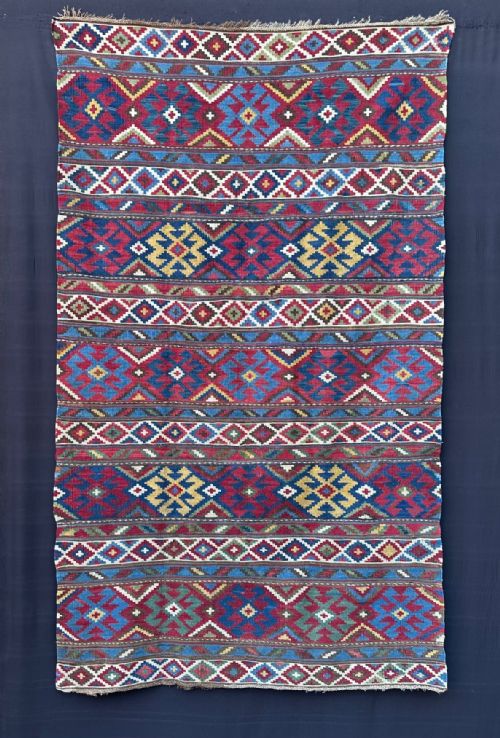
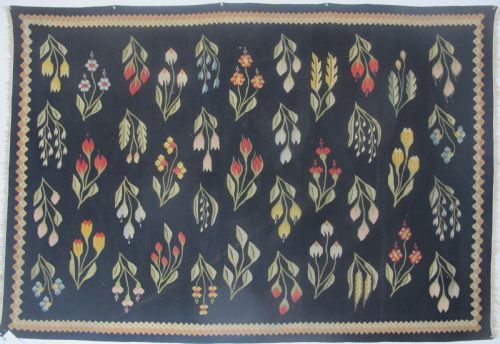
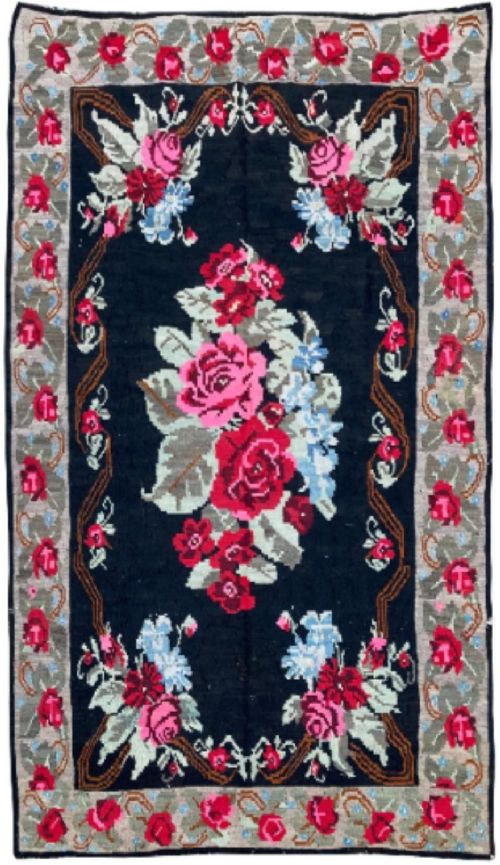
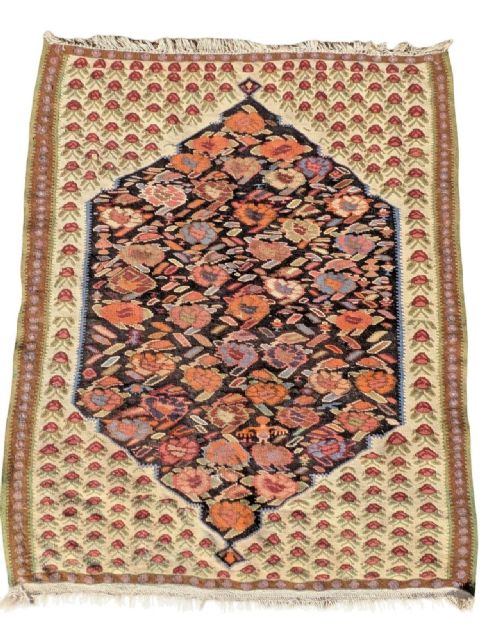
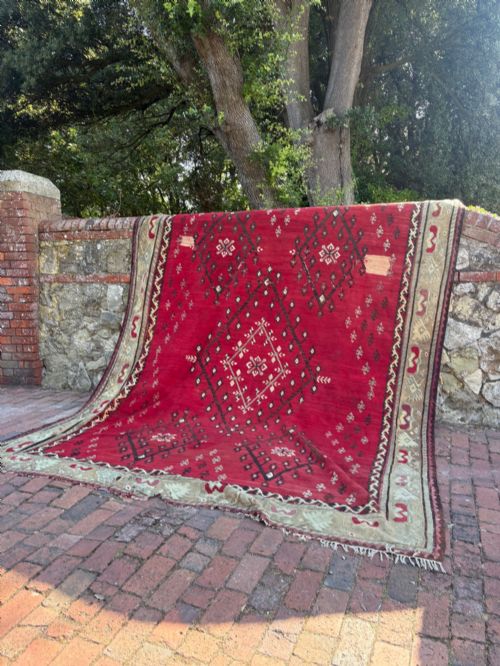
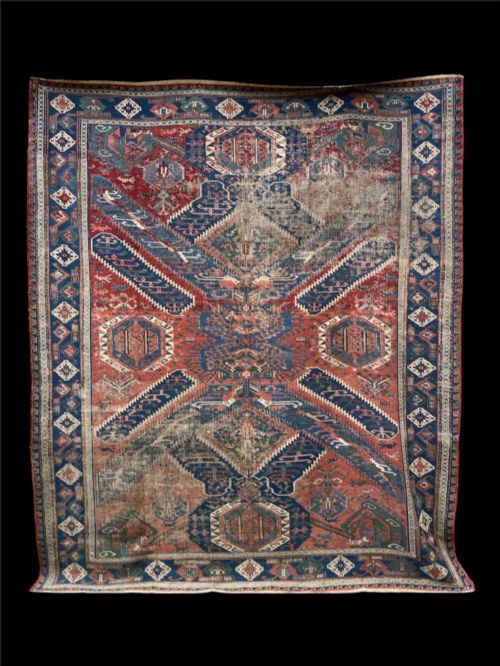
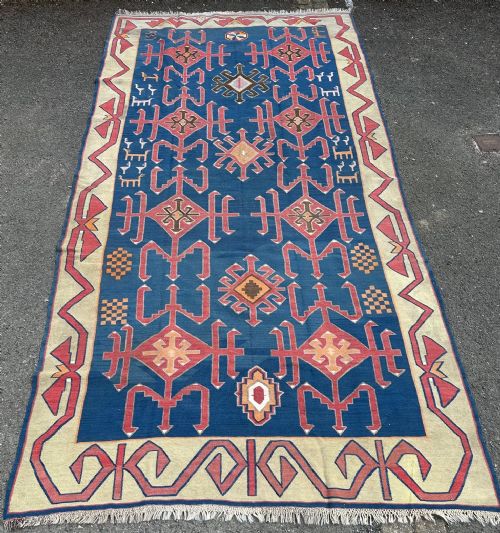
A traditional wool kilim represents flatwoven rugs, carpets, runners, and cushions originating from tribal and regional centres across Anatolia, the Caucasus, Persia, Central Asia, and Eastern Europe. These pieces emerge in styles such as Anatolian Tribal, Caucasian, Bessarabian, and Persian Tribal, spanning periods from the mid-nineteenth century through the early twentieth century.
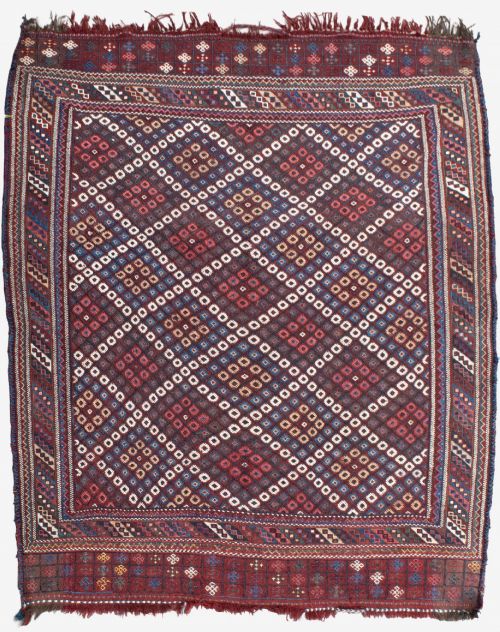
Buyers meet flatweave formats ranging from room-size carpets and half-kilim runners down to decorative cushions. The selection includes specific regional identities such as Shirvan, Karabagh, Bidjar, Ushak, Qashqai, and Uzbek gajeri weaves.
Makers utilised these textiles for floor coverings, dining sofrehs, and household furnishings. Each piece displays distinct geometric or floral layouts worked flat without a piled surface.
Materials and construction
These textiles rely primarily on wool and hand-spun wool, often combined with cotton foundations and coloured using natural dyes. Artisans interwove warp and weft threads tightly to build flat surfaces without pile, creating crisp edges where colour blocks meet.
Weavers produced wider carpets by joining narrower strips together side by side, visible in multi-strip Uzbek and regional formats. Structural additions included flatweave soumak wrapping and timeworn repairs executed by hand over generations of use.
The listings on this site encompass periods from eighteen-fifty to nineteen-forty, utilising wool, cotton, and natural dyes across eight distinct regional styles.
Judging quality in flatweave textiles
Quality rests on the fineness of the weave, the clarity of the regional design, and the stability of the natural dyes. Tighter yarn manipulation and precise geometric execution separate standard utilitarian pieces from finer tribal work.
Condition and integrity dictate the character of surviving examples. Original dimensions, untouched regional borders, and honest historical repairs retain the textile's historical value more than cosmetic restoration.
The Traditional Wool Kilim Glossary
- Kilim
- A flatwoven textile produced without pile across regions including Anatolia, the Caucasus, and Central Asia. These rugs serve as floor coverings, wall hangings, and domestic furnishings.
- Sofreh
- A spreading cloth or flatweave used for dining, food preparation, or ritual purposes in Persian and regional tribal households. They often display specific central medallions and field patterns.
- Soumak
- A brocaded flatweave technique where weft threads wrap around the warp threads to create a textured surface. It appears frequently on Caucasian and Eastern regional pieces.
- Warp
- The stationary vertical threads stretched across a loom that form the structural foundation of the textile. Weft threads pass horizontally through them to create the pattern.
- Weft
- The horizontal threads interlaced through the warp to build the visible design and colour blocks of the flatweave.
Traditional Wool Kilim: Frequently Asked Questions
How do I clean a traditional wool kilim?
Maintenance requires gentle surface vacuuming without a beater bar to remove embedded dust and grit. Professional specialist cleaning remains necessary for deeper washing to protect natural wool fibres and vegetable dyes.
Excess moisture and direct sunlight cause fading and fibre degradation. Rotating the rug periodically ensures even wear across high-traffic floor areas.
Where were these flatweaves made?
Origins span nomadic and village workshops across Anatolia, the Caucasus, Persia, Central Asia, and Eastern European regions like Bessarabia and Romania. Each area developed distinct regional palettes and geometric motifs.
Local tribes including the Qashqai, Baluch, and Avar applied specific ancestral patterns passed down through generations of weavers.
What is the difference between a kilim and a carpet?
A kilim is constructed as a flatweave textile without any pile or raised surface. Standard carpets generally feature knotted pile loops sheared to create a dense, plush face.
Flatweaves are lighter, reversible, and created by interlocking horizontal and vertical threads on a loom.
Can I use these flatweaves on the floor?
These textiles function effectively as floor coverings in living spaces, hallways, and dining rooms when paired with a quality rug underlay. The underlay prevents slipping and cushions the flat structure against hard subfloors.
Finer or more fragile historical examples suit low-traffic placement or wall mounting to preserve their structural integrity.