




Woven Tapestry Rug
A woven tapestry rug brings together historic nomadic craftsmanship and flatweave textiles, offering rich tribal patterns and authentic floor or wall coverings for period interiors.
Woven Tapestry Rug
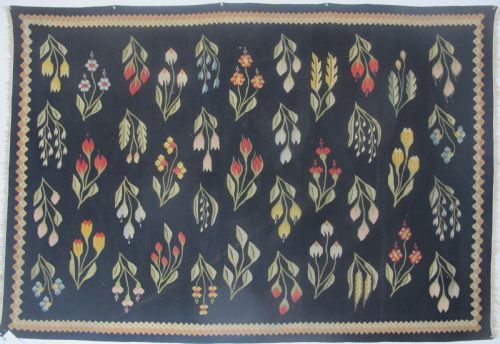
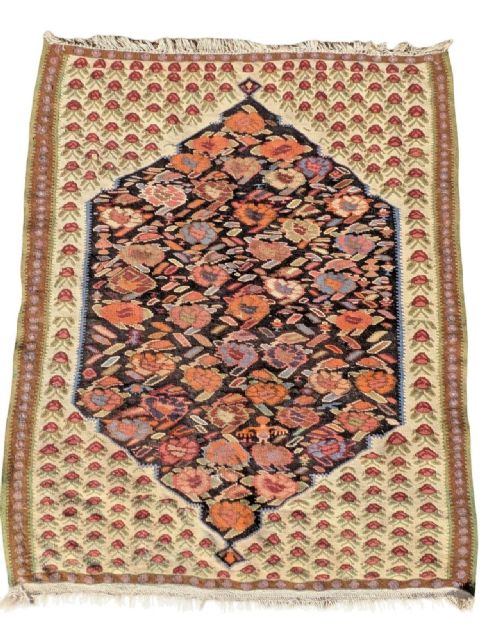
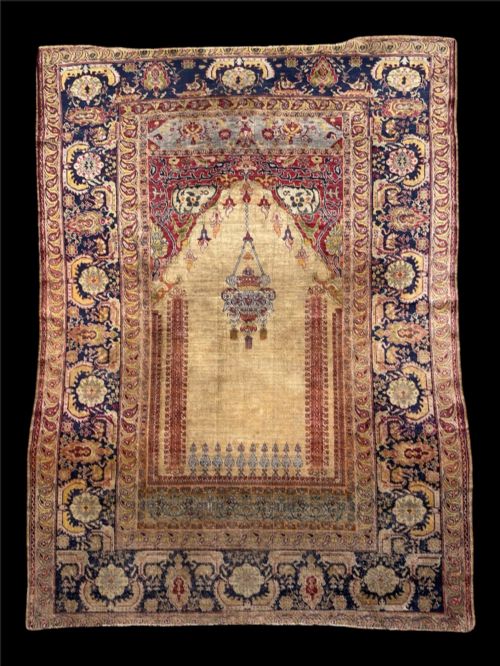
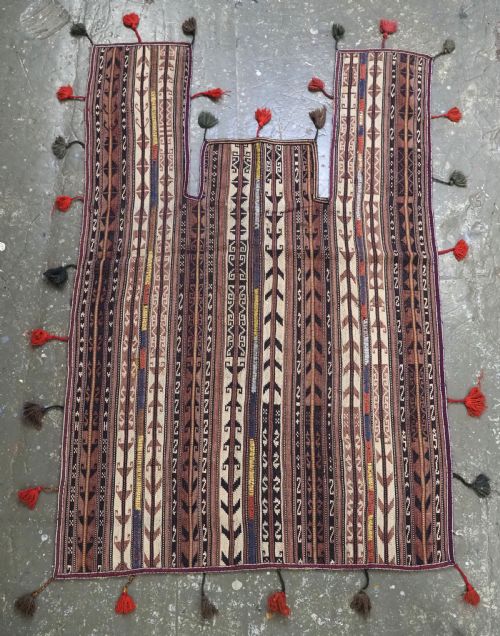
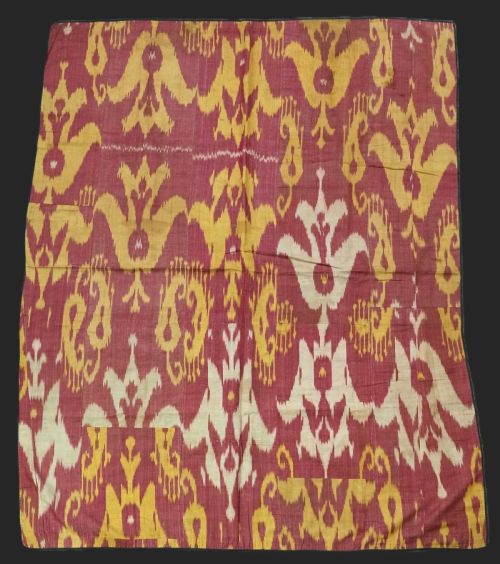
A woven tapestry rug encompasses various flatweave textiles, kilims, and ceremonial panels originating from Central Asian, Persian, Anatolian, and European traditions. Buyers searching for a woven tapestry rug will encounter pieces spanning from the mid-nineteenth century to the early twentieth century, including Turkmen asmalyks, Uzbek ikat panels, and Bessarabian kilims.
The selections on this page range from small saddlebags and cradle covers to substantial carpets and yurt bands. Many examples function equally well as traditional floor coverings or as decorative wall hangings within domestic spaces.
Tribal weaving traditions dominate the inventory, featuring distinct regional motifs such as Turkmen guls, Shahsavan sumac work, and Qashqai geometric designs. These textiles reflect the utilitarian roots of nomadic life adapted into collectible domestic art.
Materials and construction methods
Construction relies heavily on wool, cotton, and handspun cotton, frequently paired with natural dyes to achieve deep and enduring colour palettes. Certain pieces incorporate silk and semi-silk adras elements, particularly within Uzbek and Anatolian workshops.
Weaving techniques vary from precise flatweave kilim structures and sumac wrapping to detailed needlepoint and embroidered panel work. Artisans utilised traditional upright or horizontal looms to produce durable textiles designed to withstand daily nomadic use or ceremonial display.
Several items retain their original hanging loops, ready to resume their historic duty on a wall after a century of rest.
Determinants of quality and value
Quality rests upon the tightness of the weave, the intricacy of the geometric or floral design, and the survival of the original borders and hanging loops. Finer knotting or denser flatweave construction distinguishes workshop pieces from everyday utility items.
The integrity of the natural dyes and the preservation of the wool or silk fibres dictate the visual strength of the piece. Examples retaining complete structural panels, such as multi-strip kilims or full storage bags, command greater interest from collectors.
The Woven Tapestry Rug Glossary
- Kilim
- A flatweave carpet or rug produced without a pile by tightly interweaving warp and weft strands. This technique creates a lightweight textile historically used for floor coverings, horse blankets, and tent furnishings.
- Asmalyk
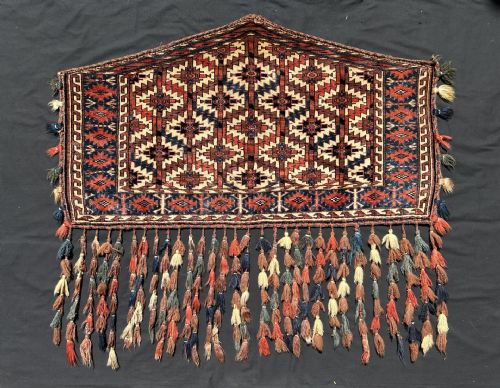
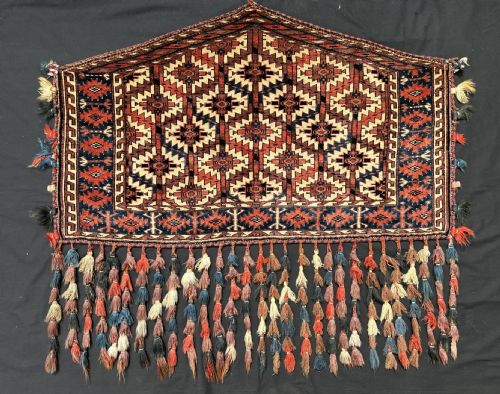
- A large, pentagonal trapping produced by Turkmen tribes, traditionally hung on the flanks of a bridal camel during wedding processions. These decorative textiles display intricate guls and symbolic tribal motifs.
- Chuval
- A large nomadic storage bag face woven by Turkmen tribes, prized by collectors for its dense repeating gul patterns. They were originally utilised inside yurt tents for household storage.
- Soumac
- A flatweave technique involving wrapping weft threads over and under warp threads to produce a textured, durable surface. This method results in a thicker handle than standard kilim weaving.
- Sofreh
- A woven cloth used traditionally for dining, food preparation, or bread-making among nomadic communities. These textiles often feature utilitarian geometric layouts suited to their domestic purpose.
Woven Tapestry Rug: Frequently Asked Questions
How were these rugs originally used?
Nomadic tribes utilised these woven textiles for daily practical needs, including floor coverings, bedding storage, horse blankets, and tent furnishings. Many pieces also served ceremonial functions during weddings and community gatherings.
Over time, these utilitarian objects transitioned into decorative interior elements, prized for their graphic patterns and regional artistry.
How do I care for a vintage flatweave rug?
Gentle vacuuming without a rotating brush helps remove surface dust without damaging the fragile wool or cotton foundation. Professional textile cleaning is recommended when deeper maintenance becomes necessary.
Keeping the textile out of direct, harsh sunlight preserves the integrity of the natural dyes over the years.
Are these pieces suitable for wall hanging?
Many of these textiles function exceptionally well as wall displays, particularly lighter flatweaves, chuval faces, and embroidered panels. Using a sleeve or conservation-grade mounting method distributes the weight evenly across the upper edge.
This method protects the antique structure while showcasing the detailed tribal patterns at eye level.
How do I identify tribal origins?
Specific motifs, colour combinations, and weaving structures point directly to particular regions and groups such as the Tekke, Yomut, Qashqai, or Shahsavan. Distinctive symbols like repeating guls or banded flatweave layouts act as geographic markers for experienced collectors.
Comparing structural details helps narrow down whether a piece originates from Central Asia, the Caucasus, or Persia.