
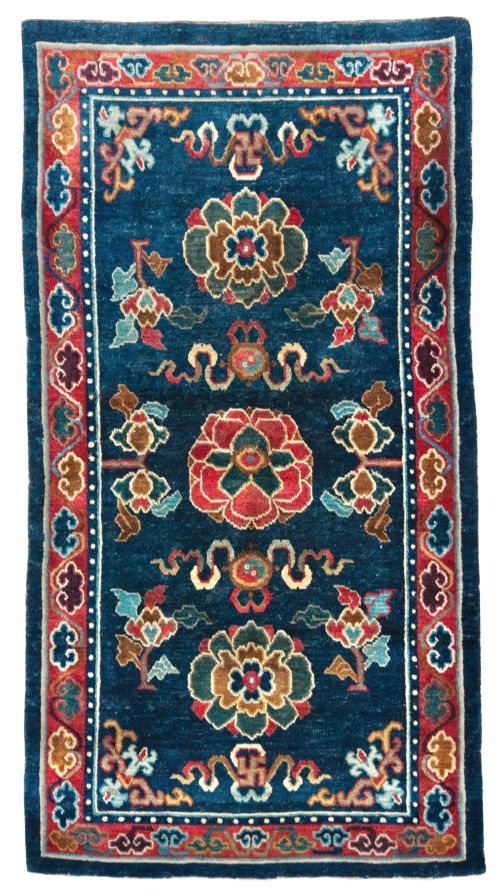
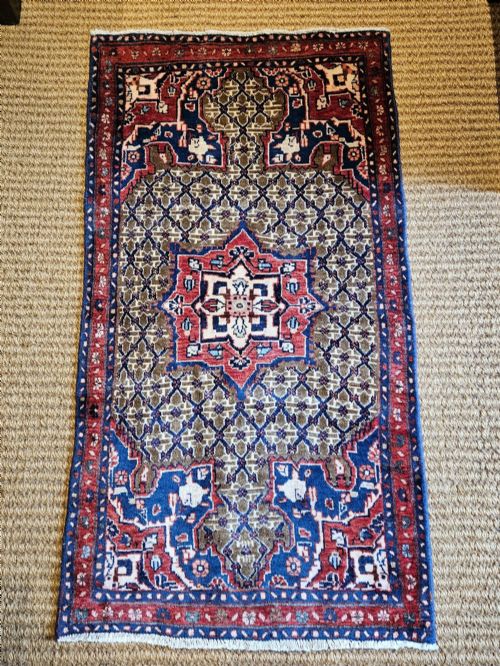
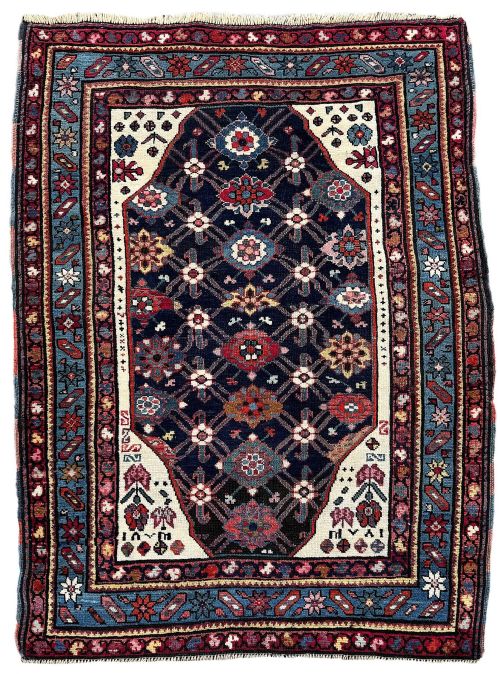
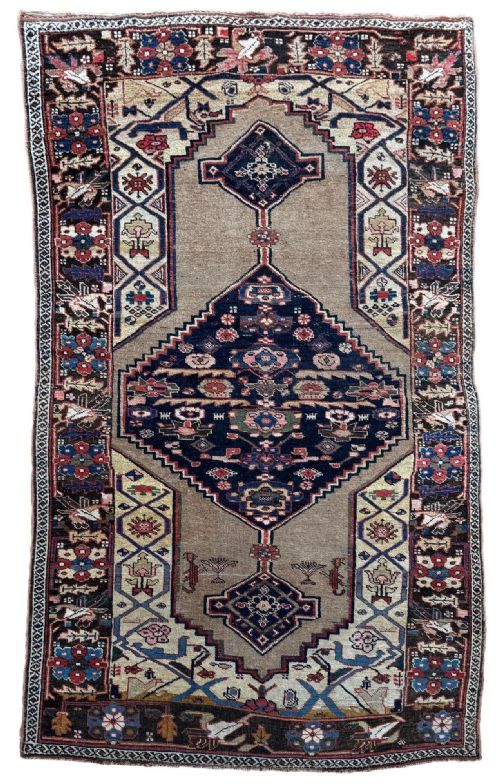

Traditional Wool Accent Rug
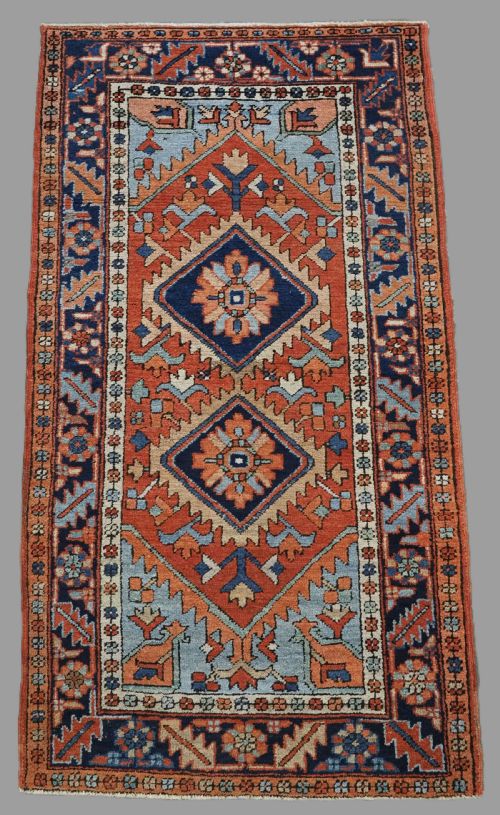
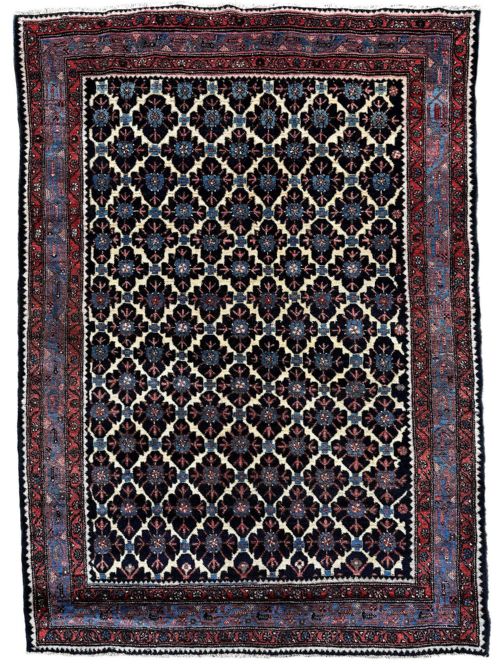
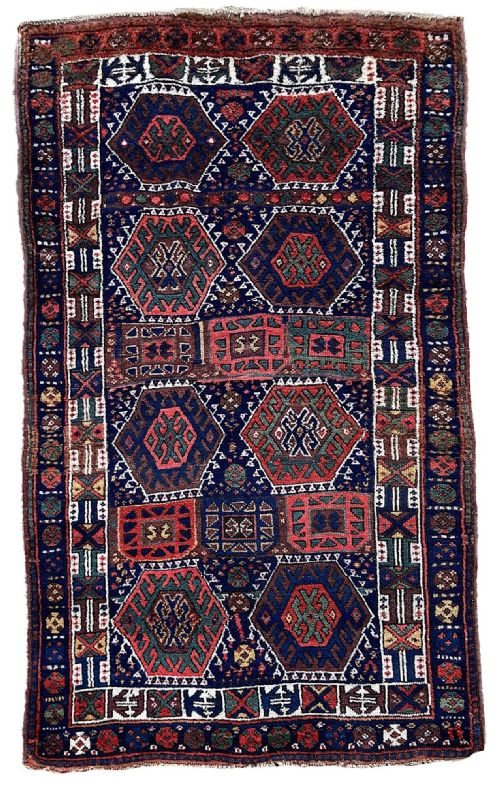
These traditional wool accent rug examples bring genuine regional character and warmth to a room.
Traditional Wool Accent Rug
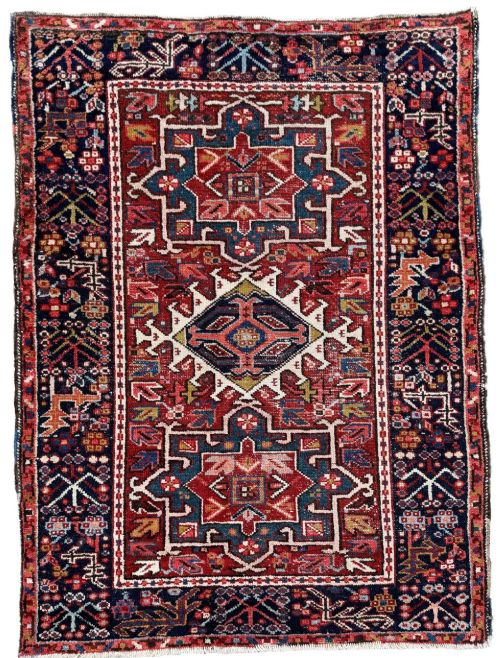
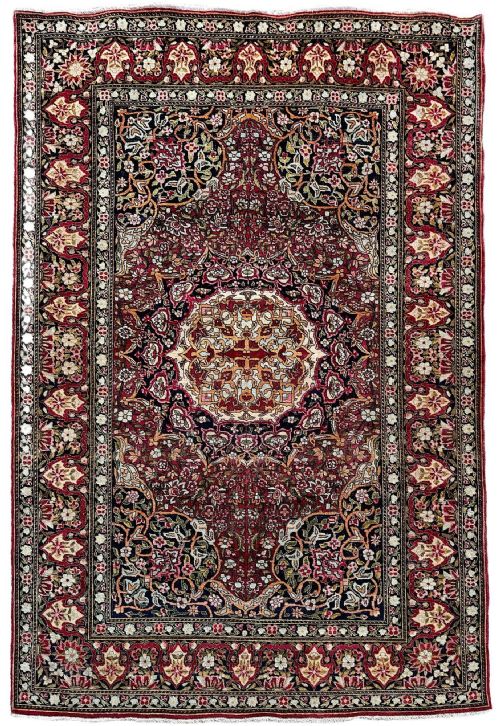
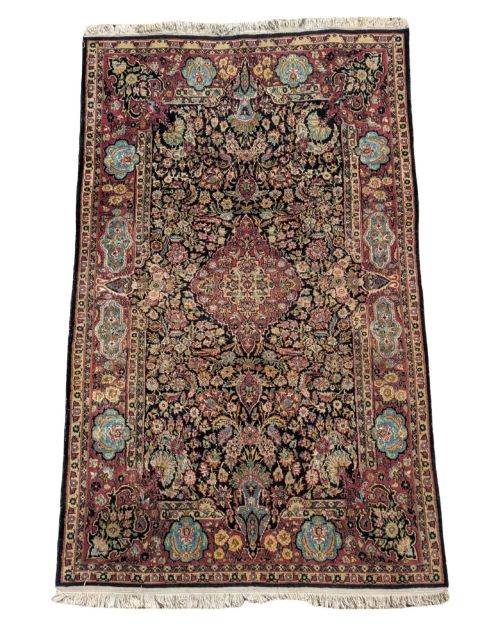
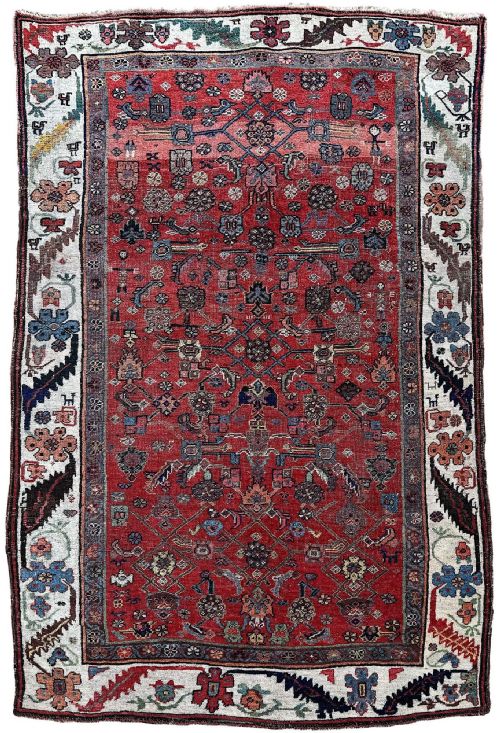
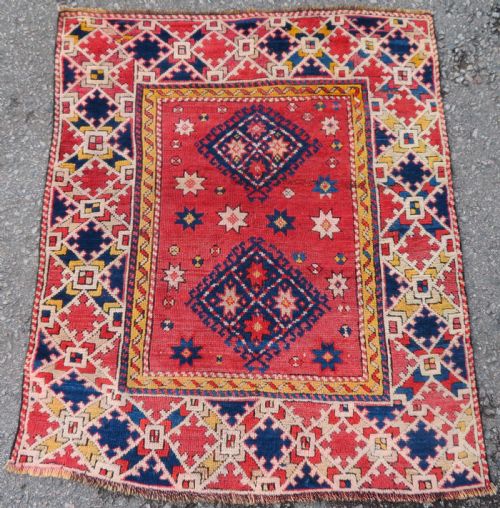
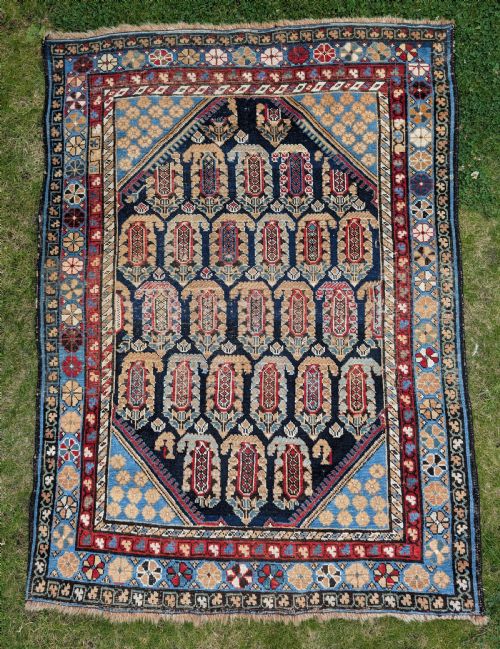
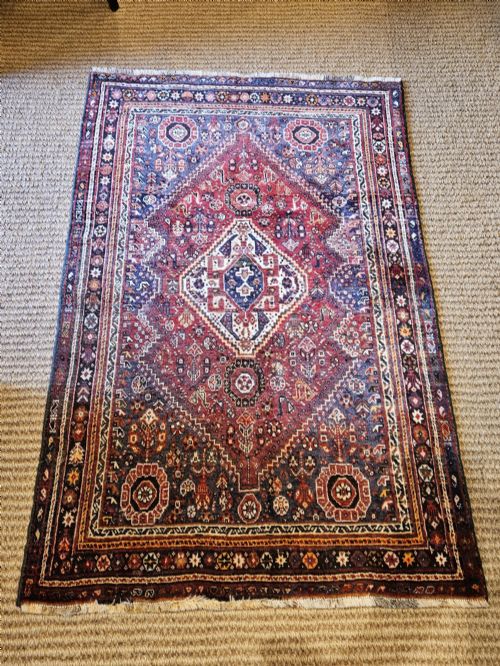
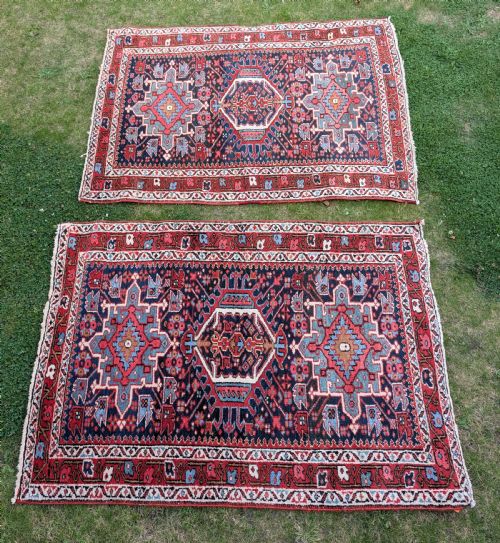
When you search for a traditional wool accent rug, you encounter woven pieces that stem from various regional styles including Persian, Persian Tribal, Caucasian Tribal, and Tribal Baluch. These rugs take the form of specific regional items such as Isfahan rugs, Afshar tribal rugs, Heriz rugs, Caucasian Gendje prayer rugs, Malayer rugs, and Baluch rugs.
The pieces listed on this page originate from the late nineteenth century and the early twentieth century, specifically spanning the years 1890, 1900, and 1920. You will find individual rugs alongside pairs of prayer rugs, offering diverse dimensions from smaller square formats like the Afshar examples to larger runners and room accents.
These floor coverings reflect distinct tribal and urban weaving traditions from the Near East and Caucasus. The designs utilise traditional motifs that have been passed down through generations of makers in specific towns and nomadic communities.

How They Were Made
The primary material utilised in these textiles is wool, frequently combined with cotton and silk to create varied pile heights and structural foundations. Weavers knotted these natural fibres by hand onto supportive warps and wefts, forming dense and durable surfaces designed for daily use.
Natural dyeing techniques produced the rich colour palettes seen across the Persian and Caucasian regions. Skilled artisans employed hand-spun yarns, resulting in subtle variations in tone that give each piece its individual depth.
Traditional Wool Accent Rug Retail Price Guide 2026
Typical asking prices for traditional wool accent rug among the pieces listed under this phrase on Sellingantiques today, from the lower quarter to the upper quarter. They describe what is for sale here now, not the wider market.
Listings feature traditional wool accent rug examples dated to 1890, 1900, and 1920.
What Varies in Quality
The standard of a traditional wool accent rug rests upon the fineness of the knotting and the precision of the tribal design. Denser knots allow for sharper geometric or floral definition, particularly in complex Heriz or Isfahan patterns.
Material selection and dye consistency also dictate the upper tiers of the range. Pieces that retain their original pile depth and utilise high-grade wool and silk elements demonstrate superior resilience and visual richness.
The Traditional Wool Accent Rug Glossary
- Prayer rug
- A small textile featuring a mihrab or arch design intended for devotional use. These examples often display specific regional iconography associated with Caucasian or tribal weaving.
- Warp
- The vertical threads stretched tightly on the loom that form the structural foundation of the rug. The visible fringes at either end are typically the extension of these foundational threads.
- Weft
- The horizontal threads passed through the warps to hold the knots in place. This grid system provides the stability necessary for hand-knotted textiles.
- Pile
- The upright cut ends of the yarn that create the soft surface of the rug. Variations in pile height occur naturally through age and use.
Traditional Wool Accent Rug: Frequently Asked Questions
How do I style a traditional wool accent rug?
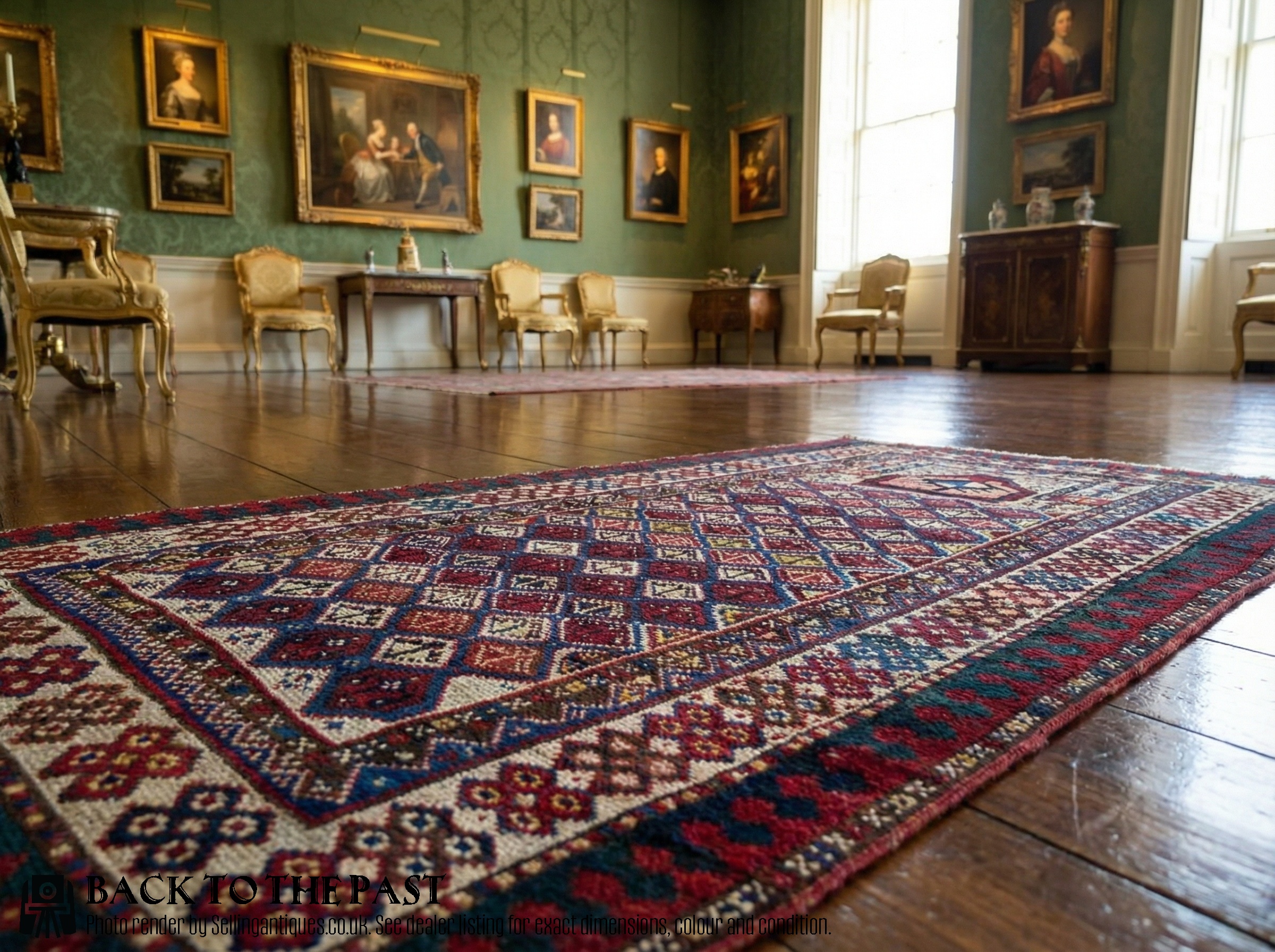
Place these smaller rugs in entryways, beside beds, or as focal points in compact seating areas where their regional patterns can be fully appreciated.
Ensure the surrounding decor complements the distinct palette of the weave without competing with its historical motifs.
What periods do these rugs come from?
The available pieces originate from the late nineteenth century and the early twentieth century, specifically dated to 1890, 1900, and 1920.
These dates reflect traditional weaving periods before mass production altered regional textile methods.
How do I care for an antique rug?
Vacuum gently using suction only, avoiding the rotating brush bars that can pull at hand-knotted wool and silk fibres.
Rotate the rug periodically to ensure even wear across high-traffic areas and protect the natural dyes from direct sunlight.
What is the difference between tribal and city rugs?
Tribal rugs, such as Baluch and Afshar examples, feature geometric designs and motifs created by nomadic or village weavers from memory. City rugs, such as Isfahan and Heriz pieces, often display more intricate floral layouts designed by master cartographers in urban workshops.
Both styles utilise durable wool foundations but reflect entirely different cultural and geographic traditions.