
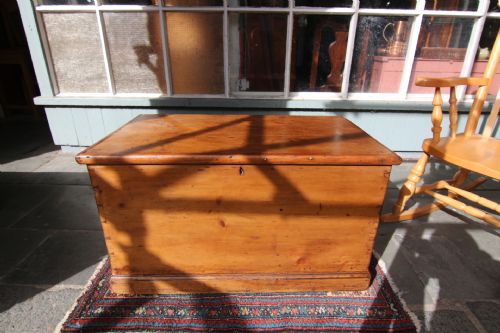
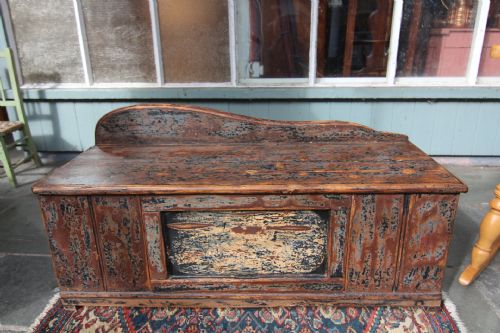
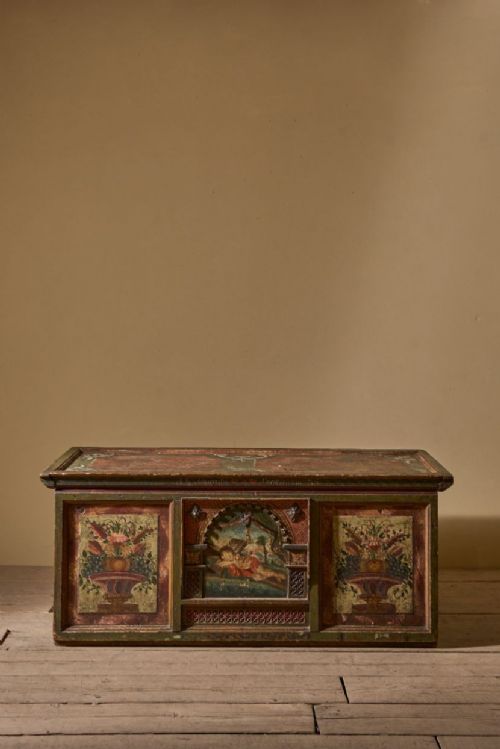
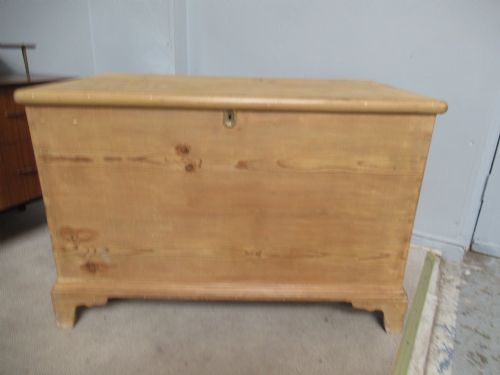

Traditional Wooden Storage Box
A traditional wooden storage box brings immediate warmth and practical history to a room.
Traditional Wooden Storage Box
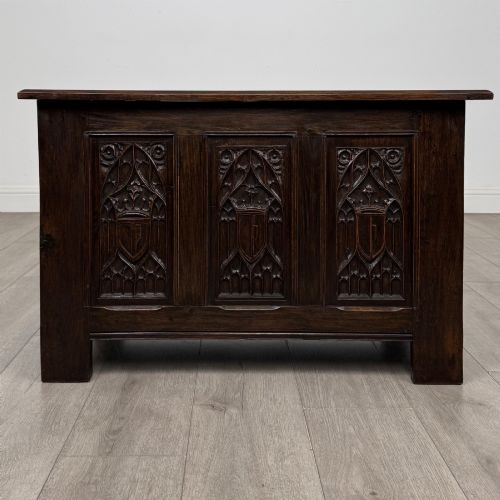
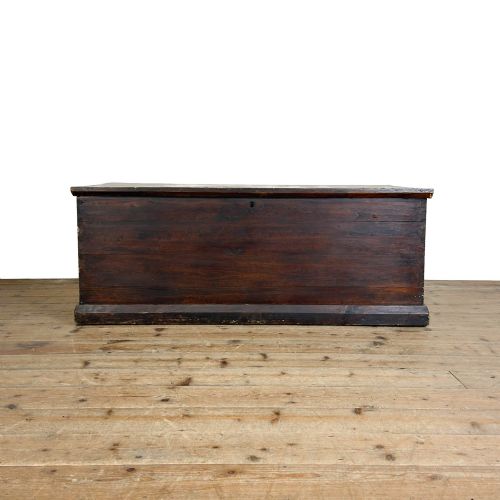
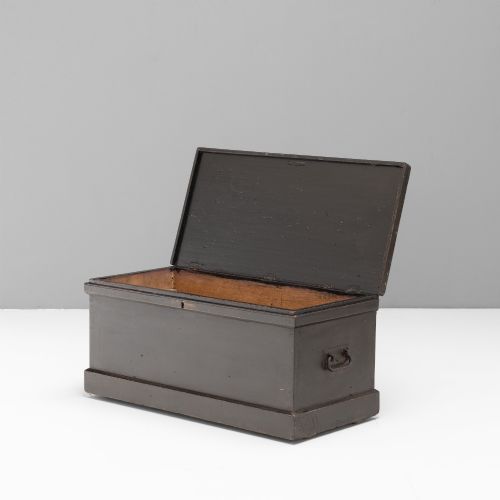
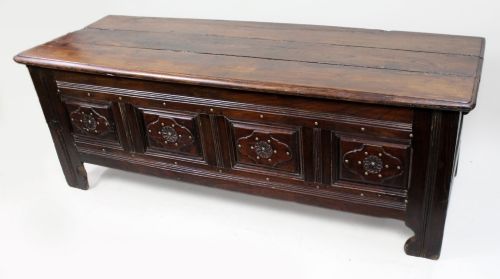
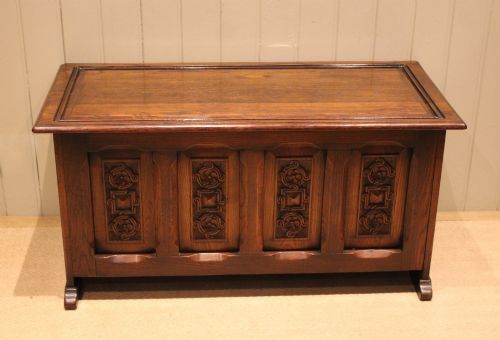
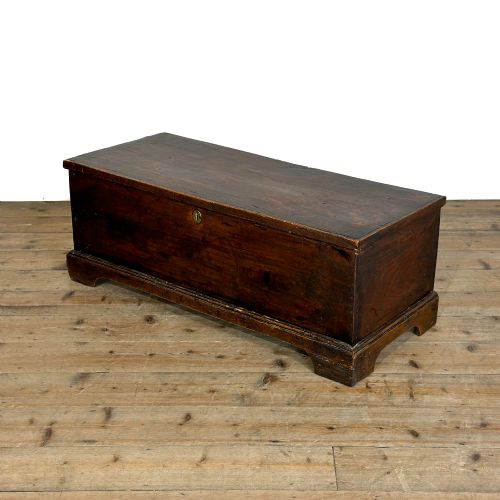
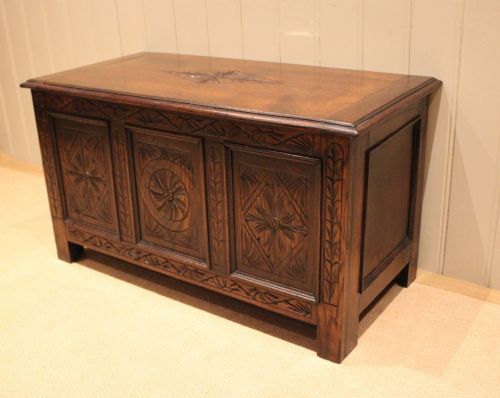
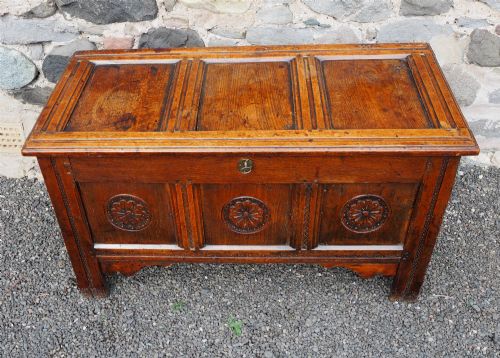
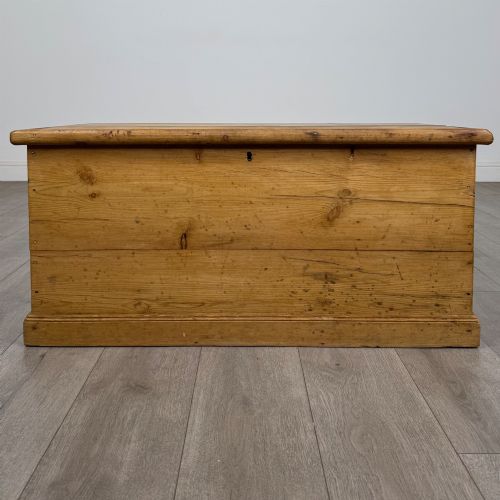
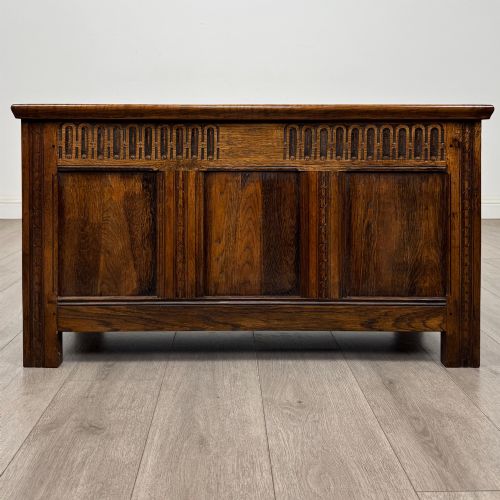
A traditional wooden storage box encompasses sturdy utilitarian vessels designed to keep household goods, linens, and provisions secure across generations. When exploring this selection, buyers frequently encounter oak and pine coffers, blanket chests, and box settles spanning from the seventeenth century through to the Victorian era.
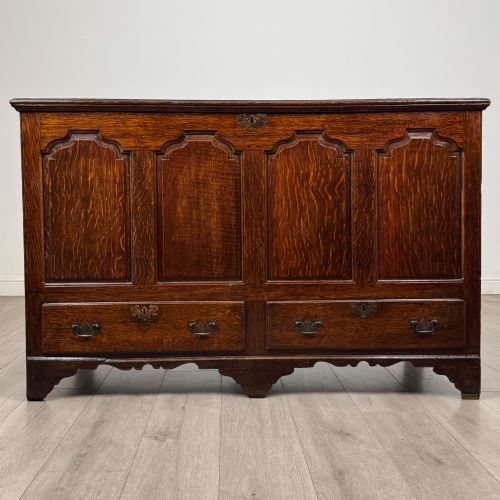
The regional variety ranges from Welsh country pieces to French provincial coffers and Georgian Lancashire mule chests fitted with lower drawers. These items served daily domestic duties in farmhouses and grand houses alike, evolving from simple six-plank construction to elaborately carved statement furniture.
How they were made
Local timbers such as oak, elm, and pine form the structural backbone of these traditional pieces, shaped by joiners using hand-split boards and pegged mortise and tenon joints. Dense tropical woods like camphor appear in maritime trunks, prized for their aromatic qualities and resilience.
Metalwork played a vital role in reinforcement and security, utilising hand-forged iron strapwork, brass hinges, and durable lock plates. Surfaces were often left bare to weather naturally, waxed for a soft lustre, or occasionally painted.
Camphor wood chests were brought home by sailors to keep moths away with their distinct, lingering scent.
What varies in quality
The standard of timber selection and depth of carving distinguish exceptional examples from simpler vernacular pieces. Master joiners employed thick, quarter-sawn oak and sophisticated panel framing that stabilized the wood against seasonal movement.
Proportion and the retention of original hardware heavily influence overall integrity. Pieces retaining their original hinges, feet, and interior till boxes command greater appreciation among collectors.
The Traditional Wooden Storage Box Glossary
- Coffer
- A heavy wooden chest traditionally used for storing valuables, documents, or clothes. These often feature hinged lids and sturdy plank or panel construction.
- Mule chest
- A traditional storage chest featuring one or more drawers beneath the main lift-top compartment. This form became popular during the Georgian period for easier access to garments.
- Six-plank coffer
- An early and primitive form of chest constructed from just six boards joined at the edges. Pegs and simple V-notches frequently secure the corners.
- Box settle
- A high-backed wooden bench with a hinged seat opening to a storage compartment below. These items combined seating and storage near hearths in country homes.
- Crossbanding
- A decorative border technique where thin strips of veneer are laid across the grain of the primary wood. This adds a refined contrast to Georgian drawer fronts and lids.
Traditional Wooden Storage Box: Frequently Asked Questions
How were traditional storage boxes used?
These boxes served as secure places for blankets, winter garments, and family documents before fitted wardrobes existed.
In many households, they doubled as impromptu seating, tables, or beds for travelling guests.
How do I care for antique wood?
Keep wooden storage boxes away from direct heat sources and sudden humidity changes to prevent timber splitting.
Apply a traditional beeswax polish occasionally to nourish the surface and maintain a natural sheen.
How do I identify an older oak coffer?
Look for pegged joinery, hand-planed board surfaces, and irregular tool marks left by early craftsmen.
Older pieces often show natural timber shrinkage and authentic wear around the feet and lid edges.
What is a coffer bach?
A coffer bach is a small Welsh box or miniature coffer, typically constructed in oak.
These compact items were often made as presentation pieces or apprentice works to demonstrate fine joinery skills.