
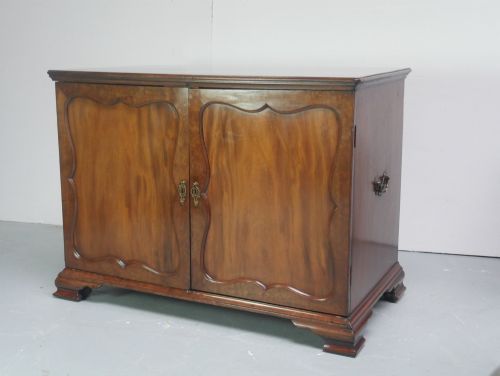


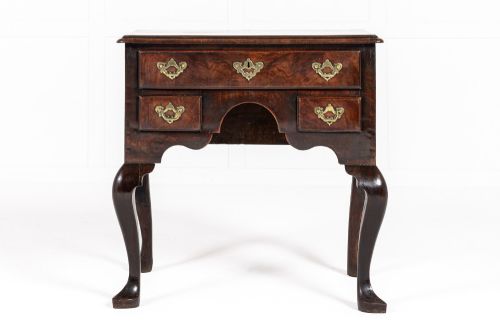


Mahogany Hall Chest
These mahogany hall chest pieces are shallow Georgian and nineteenth-century storage forms designed for narrow spaces, offering compact elegance for a hallway.
Mahogany Hall Chest
A mahogany hall chest provides practical drawer storage within a shallow footprint specifically conceived for narrow corridors and entryways. The examples seen on this page span the eighteenth century and the Georgian period, alongside later nineteenth-century and Edwardian interpretations.
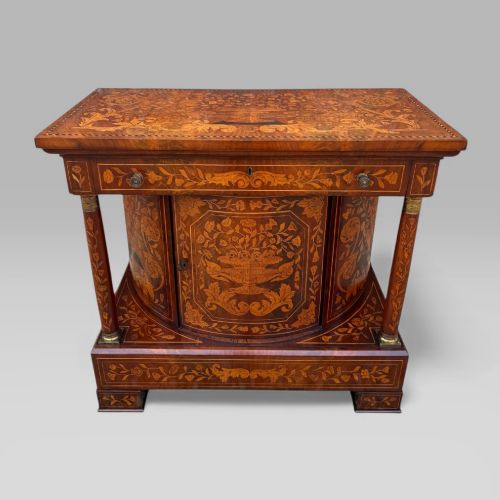
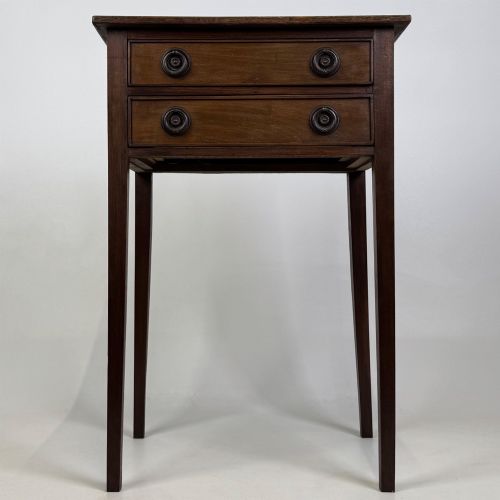
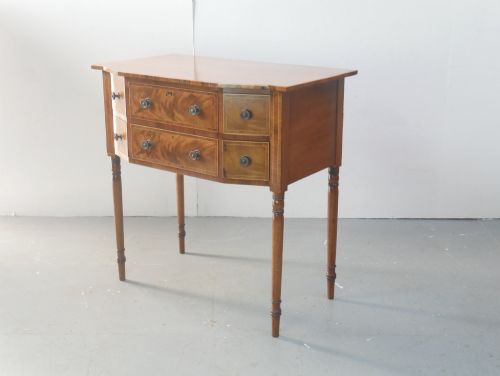
Beyond the standard chest of drawers, the selection encompasses related narrow forms such as side tables, lowboys, mule chests, and side cabinets in mahogany. These pieces combine compact proportions with the rich timber grain characteristic of Georgian and later craftsmanship.
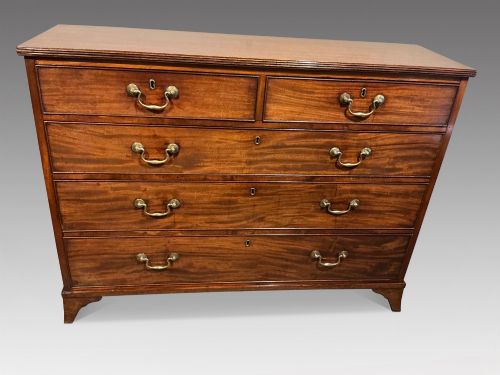
The most typical form for a mahogany hall chest is the shallow-proportioned case piece dating from the George III era, prized for fitting tight architectural spaces without obstructing circulation.
How they were made
Makers utilised solid and veneered mahogany timber, occasionally incorporating contrasting inlays of satinwood and fruitwood marquetry to enrich drawer fronts and tops.
Cabinetmakers equipped these chests with functional brass hardware, including drop handles and escutcheons, which punctuate the dark timber surface with bright metal detail.
Cutlery chests and mule chests occasionally moonlight as hallway storage because homeowners appreciate a deep drawer.
What varies in quality
Quality rests upon the crispness of the cabinetmaking and the selection of timber figures, where finely figured mahogany grain elevates the presence of a plain case.
Proportion dictates value, as shallow depths designed intentionally for narrow halls demonstrate superior cabinet planning compared to standard deep chests adapted later.
Walker and Hall Sheffield·Muirhead Moffat and Co·Whytock and Reid
The Mahogany Hall Chest Glossary
- Mahogany
- A durable tropical hardwood imported for British furniture, valued for its deep reddish-brown colour and stable working properties. It forms the primary structural and surface material for these chests.
- Shallow proportions
- A reduced front-to-back measurement designed specifically to allow case furniture to sit within narrow hallways and passages. This dimension defines the functional utility of a hall chest.
- George III period
- The era spanning the reign of King George III, noted for refined cabinetmaking and classical proportions. Many hall chests originate from this stylistic window.
- Lowboy
- A small dressing table or side table featuring one or more rows of drawers supported on four legs. These forms appear alongside traditional chests in narrow spaces.
- Marquetry
- The art of applying decorative veneer pieces in wood to form intricate patterns and pictures. Fruitwood and satinwood are frequently utilised for this ornament.
Mahogany Hall Chest: Frequently Asked Questions
What is a mahogany hall chest?
A mahogany hall chest is a shallow chest of drawers or storage trunk built with reduced front-to-back dimensions to fit narrow hallways and entrance spaces.
These pieces provide surface display and concealed storage without obstructing narrow passageways in period and traditional homes.
How do I style a hall chest?
Place the chest flat against a hallway or landing wall, keeping the top clear for a small tray, a dish for keys, or a compact table lamp.
Because of their shallow depths, they slip easily into tight circulation areas where standard furniture would block movement.
How do I spot a Georgian hall chest?
Look for shallow proportions, hand-cut dovetail joints on the drawer construction, and structural timber characteristics typical of the eighteenth century.
Many genuine Georgian examples feature unpretentious bracket feet and understated brass drop handles rather than ornate decoration.
What maintenance does mahogany need?
Protect the timber surface by avoiding direct placement near strong heat sources or prolonged direct sunlight that might fade the polish.
Occasional dusting with a dry lint-free cloth and mild waxing preserves the natural lustre of the mahogany grain over time.