
Traditional Wooden Pew
These traditional wooden pew designs bring sturdy public seating into domestic rooms, offering honest character and enduring utility.
Traditional Wooden Pew
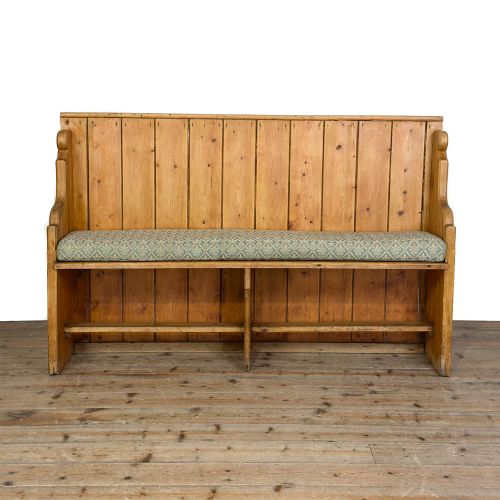
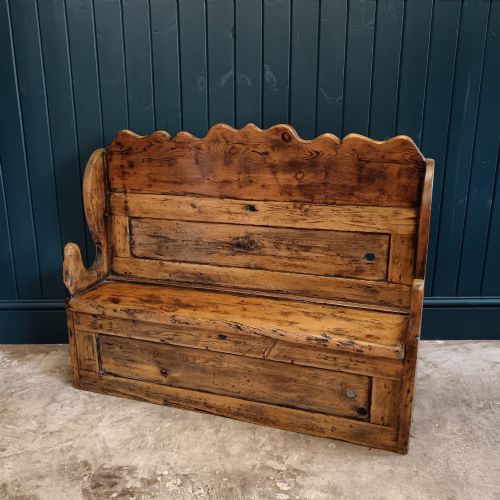
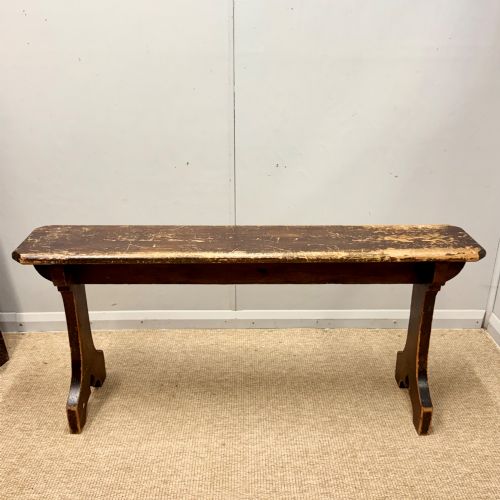
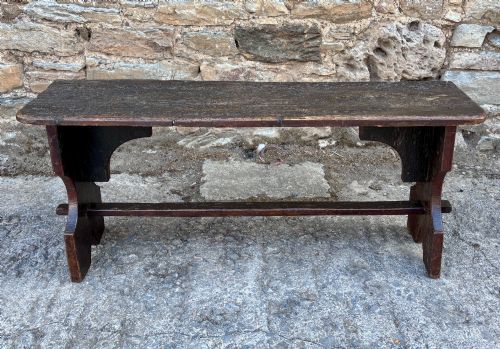
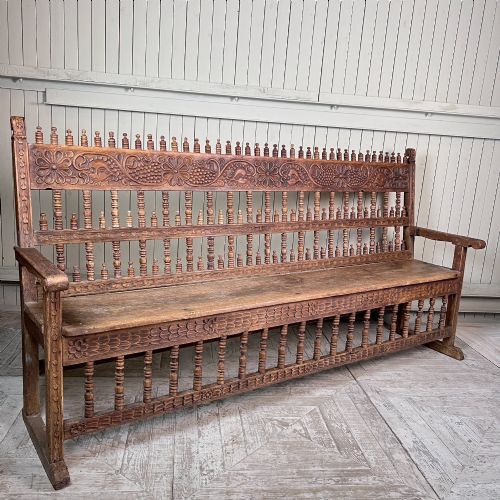
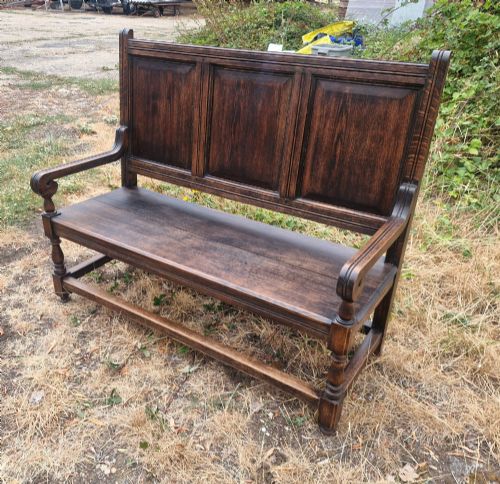
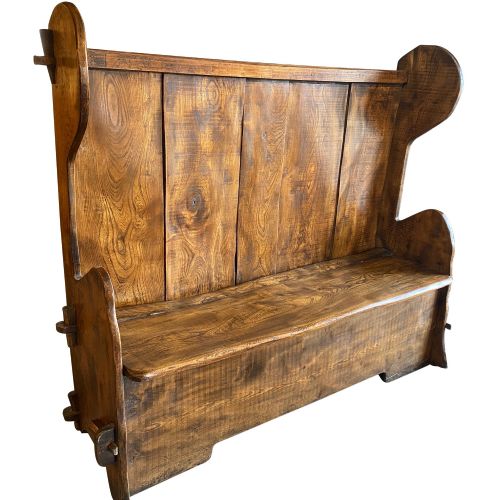
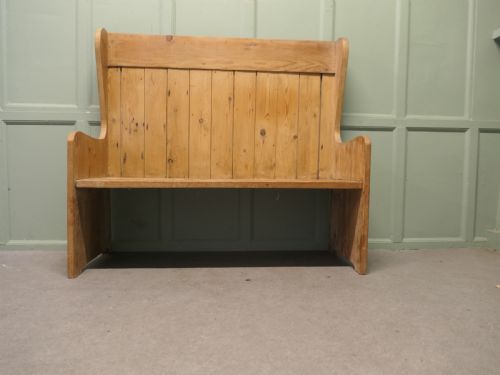
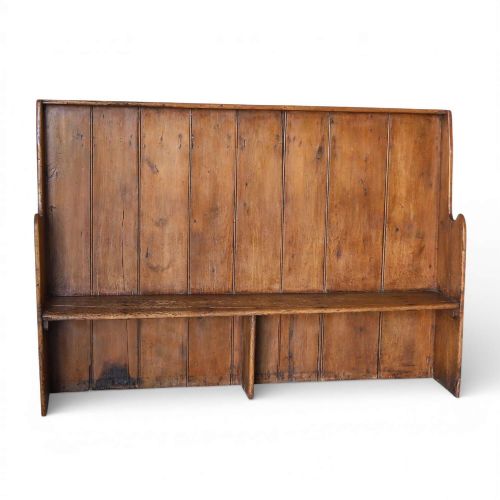
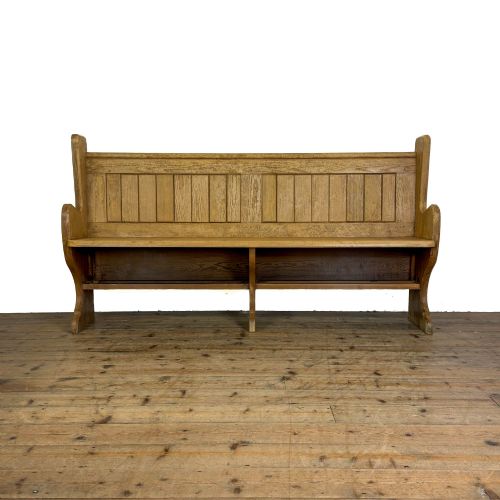
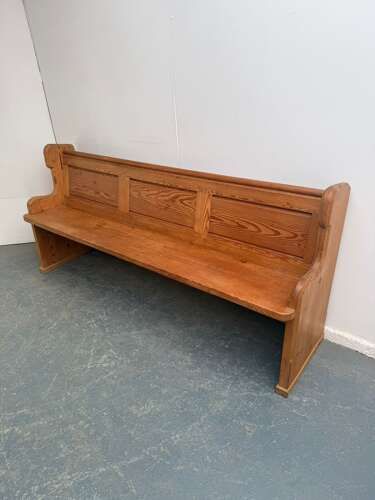
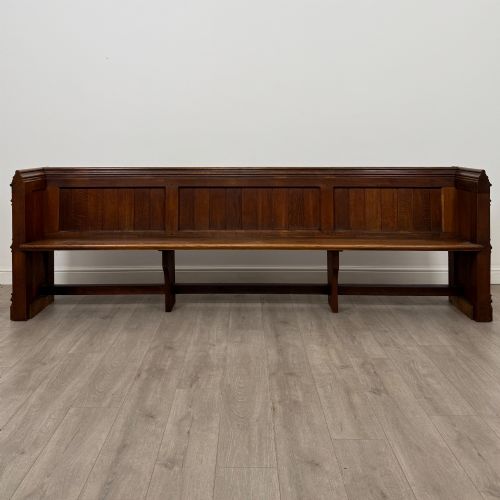
When you search for a traditional wooden pew, you find long benches and high-backed settles rooted in church, chapel, tavern and domestic country use. These pieces range from simple nineteenth-century pine benches to eighteenth-century panelled oak and elm settles designed to block cold draughts in large rooms.
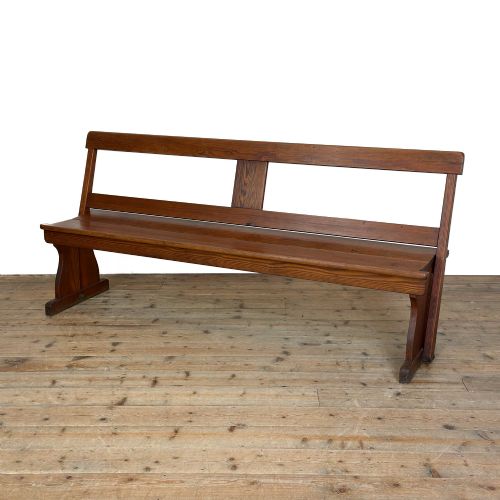
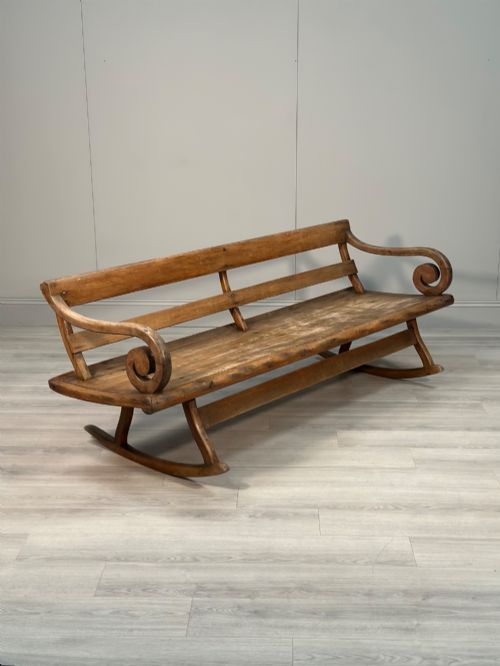
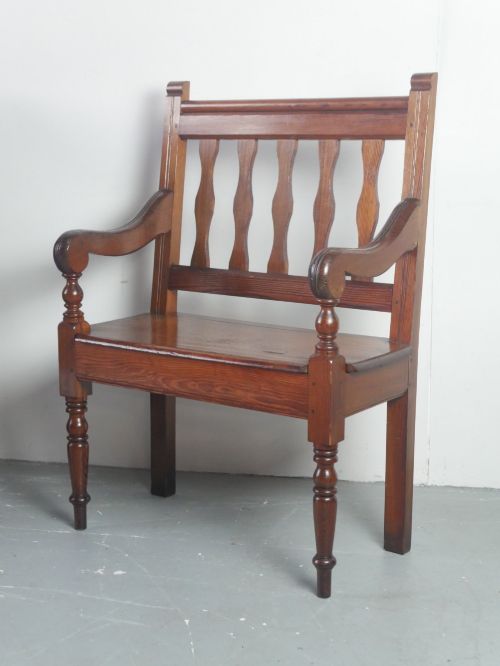
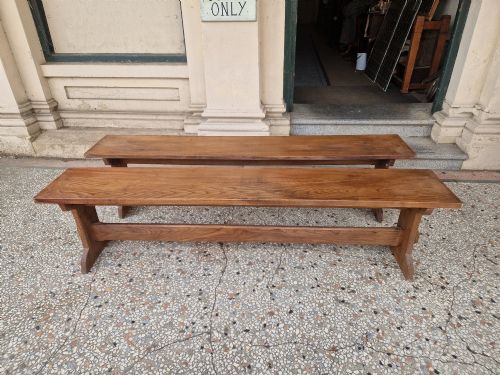
Forms span straight chapel benches, rustic farmhouse hall seats, and high-backed fireside settles designed for pubs or domestic hearths. They function effectively in hallways, kitchens and long dining spaces where robust, linear seating is required.
Materials and construction
Makers relied primarily on native timbers such as pine, oak, elm and pitch pine, selecting heavy boards to withstand decades of heavy public or domestic use. Surfaces often retain wax finishes, natural honey brown patinas or historical painted blue and rustic coatings.
Construction methods focus on sturdy joinery, utilising solid planks for seats and high panelled backs to create rigid, self-supporting frames. Settles frequently incorporate enclosed storage boxes beneath the seat, while chapel pews utilise open frames designed for fixed rows.
One Victorian pine bench arrives directly marked for the chapel at Llanfair, carrying its history right onto the seat.
Quality and character
The distinction between standard utility seating and finer examples lies in the integrity of the timber, the depth of the patina and the retention of original surface treatments. Pieces retaining their early wax finishes, original painted decoration or untouched regional quirks command greater interest.
Proportion and construction depth also separate everyday workshop items from superior forms, such as high-backed settles with fielded panels or carved hardwood detailing. The presence of integrated storage boxes, sturdy backboards and authentic regional provenance elevates a piece well beyond basic utility furniture.
The Traditional Wooden Pew Glossary
- Settle
- A wooden bench with a high back, solid arms, and often an enclosed box seat beneath. It was traditionally placed near the hearth to shield occupants from draughts.
- Patina
- The surface sheen and colour developed over decades through handling, waxing, and ageing. A desirable patina shows genuine historic use without harsh intervention.
- Chapel pew
- A long, linear bench originally built for religious meeting houses or churches. They are typically straightforward in design with simple upright ends.
- Refectory bench
- A long, sturdy bench intended to sit alongside a dining table. These pieces prioritize length and structural stability for communal seating.
Traditional Wooden Pew: Frequently Asked Questions
How were traditional pews used?
These benches served congregations in churches and chapels, patrons in taverns, and families around domestic hearths. Their high backs and enclosed bases were specifically designed to keep out cold draughts in large, unheated spaces.
Over time, many of these seats transitioned into domestic hallways and kitchens. They provide robust linear seating and practical storage when built with under-seat boxes.
How do I style a wooden pew at home?
A traditional wooden pew works naturally in hallways, along large dining tables, or against a blank living room wall. Their narrow depth allows them to fit tight spaces where bulky chairs fail.
Pair them with simple textiles, cushions, or sheepskins to soften the solid timber seat. Let the natural wood grain or original painted finish become a grounding anchor in the room.
How do I tell church pews and settles apart?
Church and chapel pews are generally open-framed, long, linear benches designed for rows. They feature simple upright ends and lack the enclosed storage boxes or protective wing panels typical of seating built for domestic hearths.
Settles, by contrast, usually feature high panelled backs, solid side arms, and enclosed storage compartments beneath the seat. They were standalone items meant to create a sheltered micro-climate near a fireplace.
What woods were used for old pews?
Pine, oak, and elm are the primary timbers found in these traditional pieces. Oak and elm were favoured for earlier eighteenth-century furniture due to their strength and durability.
Nineteenth-century pieces frequently employ pine and pitch pine, sometimes finished with wax or historical paint. Regional workshops utilised whatever native timber was locally abundant.