

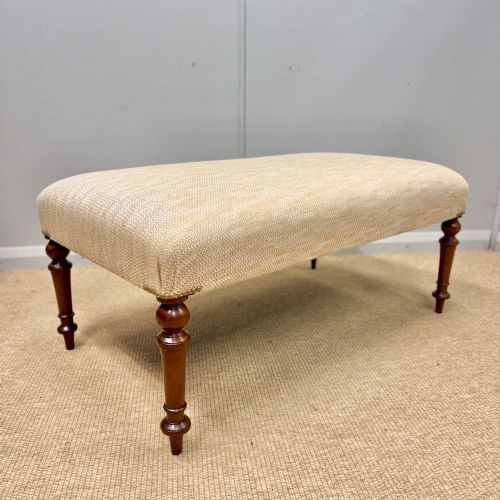
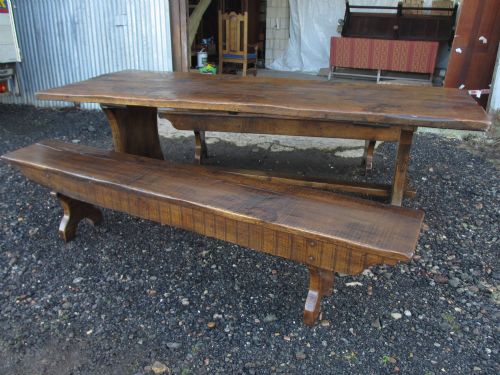
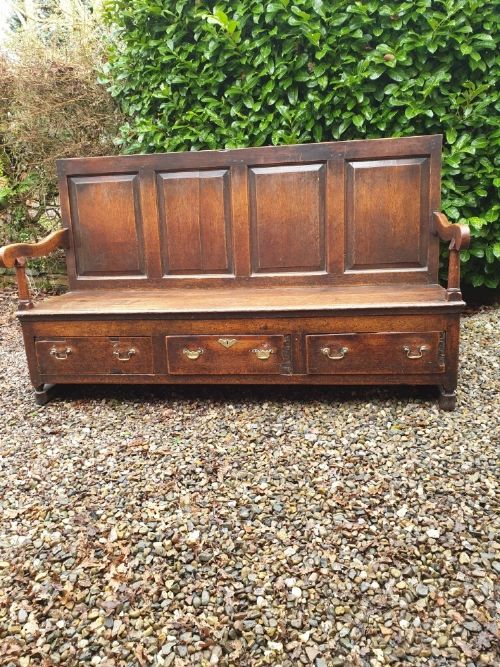
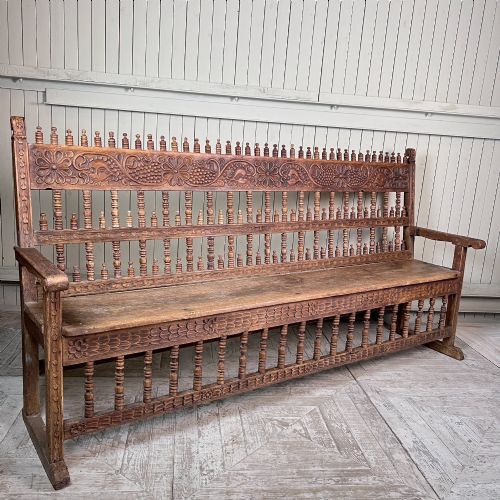
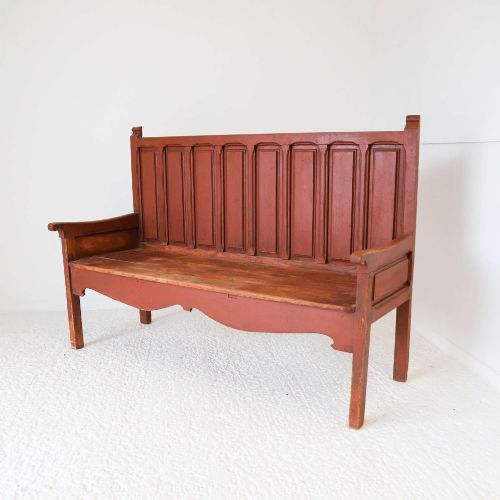
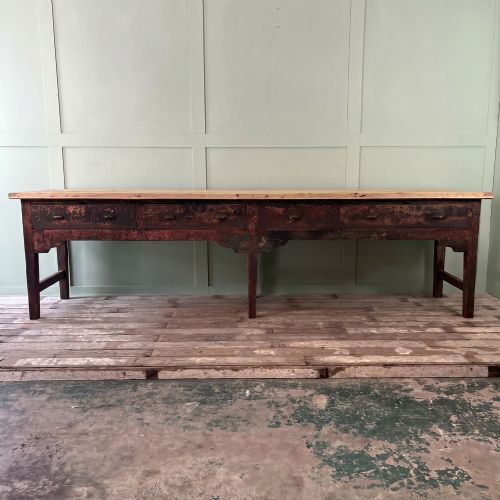
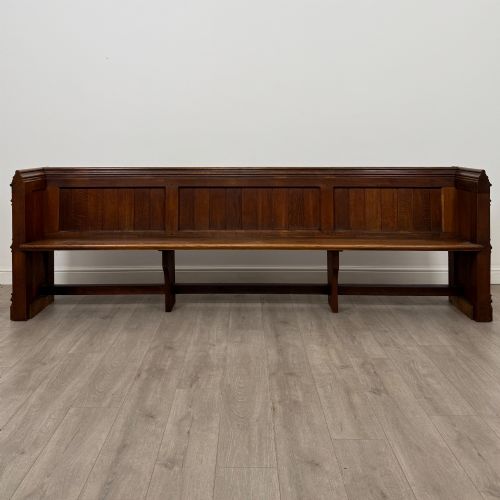
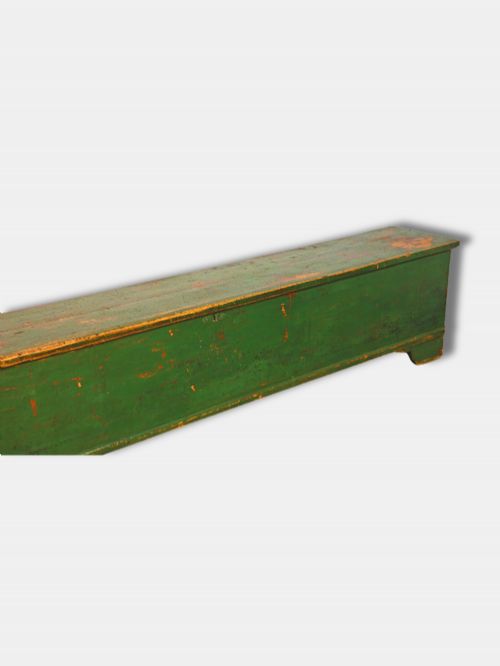
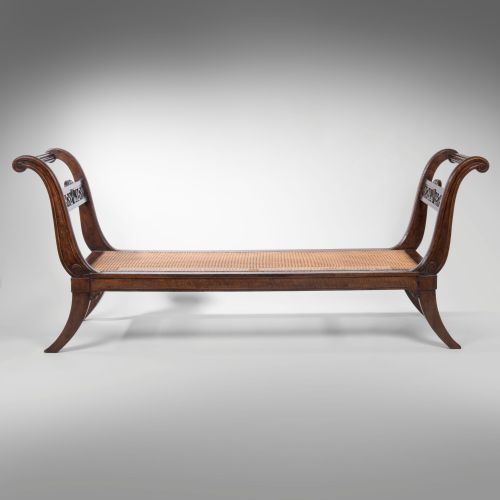


Large Wooden Bench
When you need a large wooden bench, you are looking for a substantial seating piece that anchors a hallway, room or country interior.
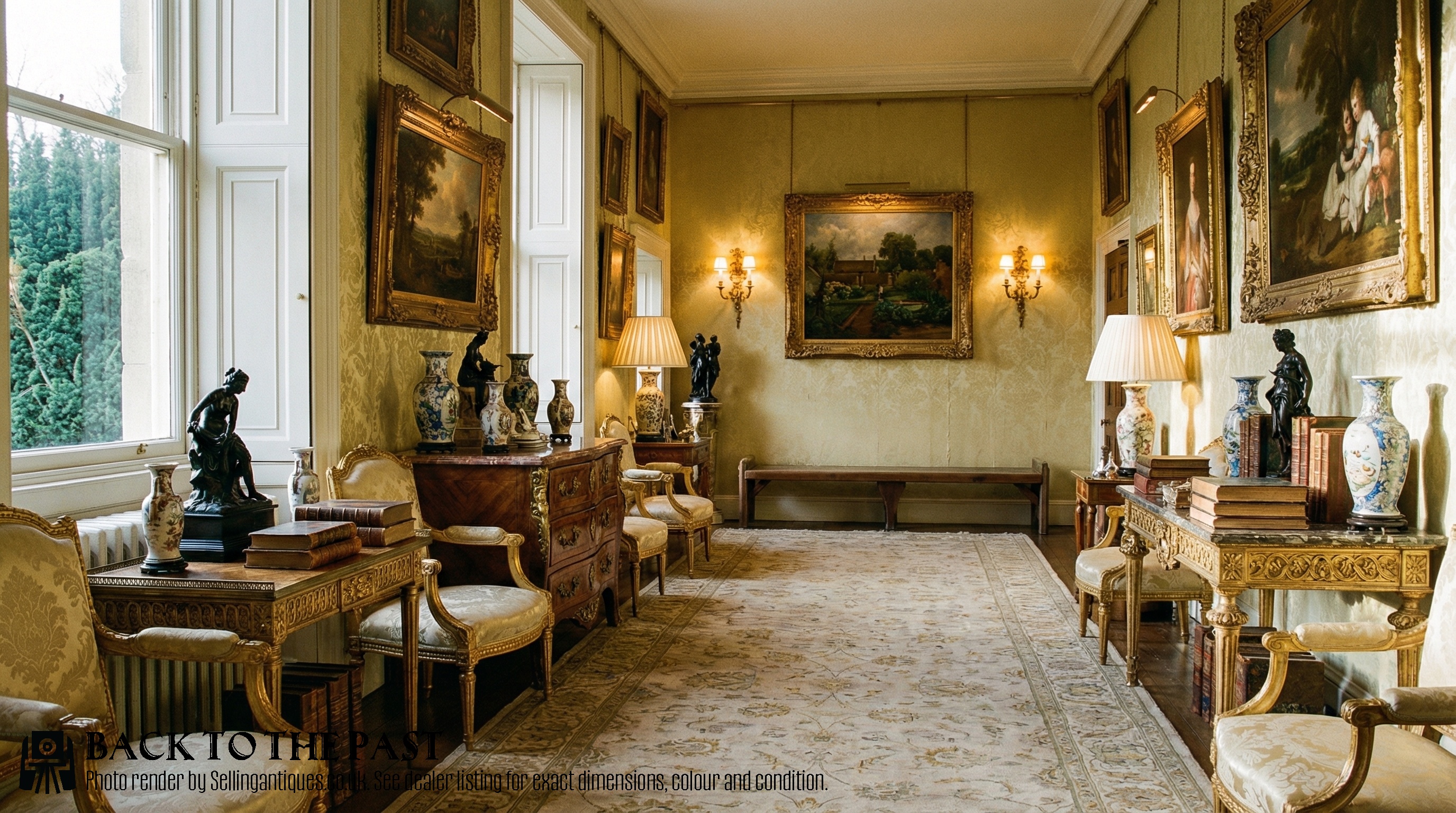
Large Wooden Bench
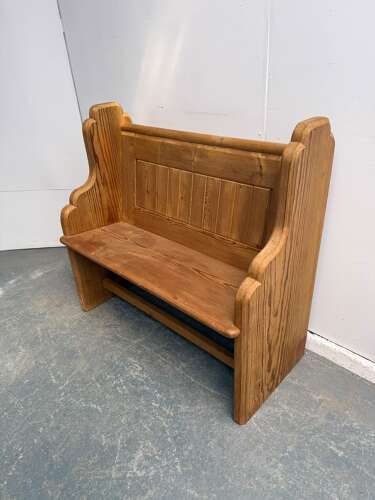
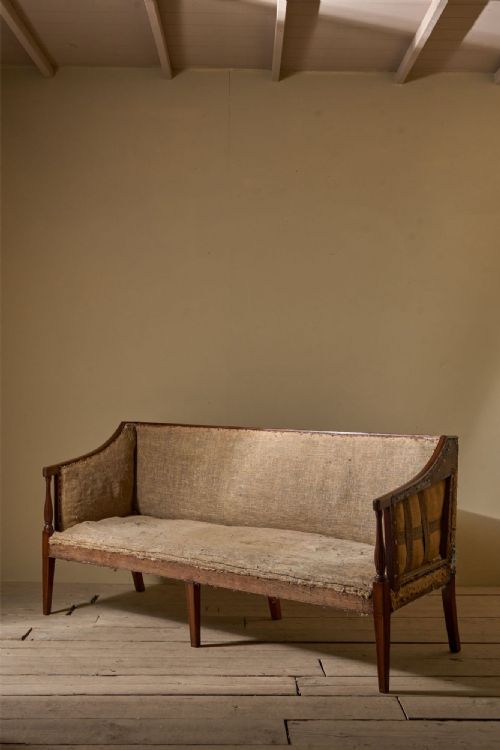
A large wooden bench provides substantial seating and surface utility, drawing on historical forms from country houses, churches, and rustic dwellings. When exploring this category, buyers encounter diverse iterations ranging from tall-backed settles and church pews to refectory bench forms and hall seats.
The selections span several centuries, with prominent representation from the eighteenth and nineteenth centuries alongside Edwardian and early twentieth-century examples. Origin points stretch across English, French, Scandinavian, Spanish, and colonial traditions, each bringing distinct regional proportions to the furniture.
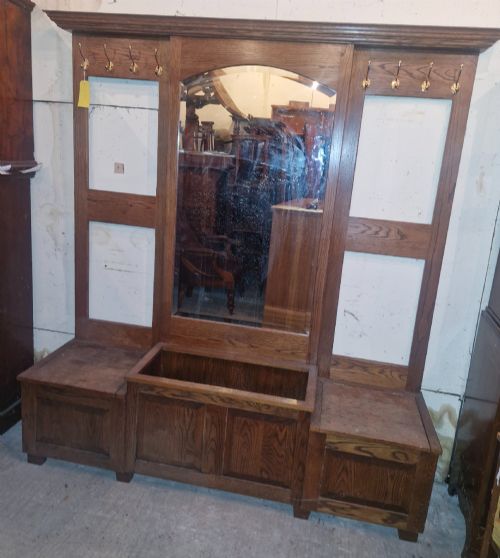
Many items in this category combine seating with storage or display functions, including box settles with lift-up lids and multi-functional hall stands. Buyers frequently select these substantial timber pieces to create a focal point in large entryways, dining spaces, or long corridors.
Materials and construction methods
Makers relied primarily on native and imported timbers such as oak, pine, mahogany, cherrywood, and teak, selected for structural strength and grain character. Carpenters and joiners utilised traditional frame-and-panel construction, dovetailing, and sturdy pegging to ensure the timber could withstand heavy daily use.
Surfaces received various historical treatments, ranging from simple wax finishes and natural patination to applied paint, giltwood accents, and carved detailing. Structural hardware often incorporated iron or brass fixings, hinges, and supports to reinforce weight-bearing joints.
Listings feature structural timbers including oak, pine, mahogany, teak, and cherrywood across eighteenth and nineteenth-century periods.
Quality and character variations
Quality rests in the integrity of the original timber framing, the crispness of hand-carved elements, and the depth of surface patination developed over centuries of use. Pieces that retain their original structural joinery without excessive timber replacement hold greater integrity.
The distinction between ordinary utility items and superior examples often lies in the balance of proportions, regional decorative carving, and the survival of early painted or waxed surfaces. Finer items demonstrate thoughtful integration of joinery that accommodates natural wood movement over time.
The Large Wooden Bench Glossary
- Settle
- A wooden bench with a high back, solid arms, and often a storage box beneath the seat, designed to block draughts in older rooms. This form evolved from medieval seating into elaborate country house furniture.
- Refectory table
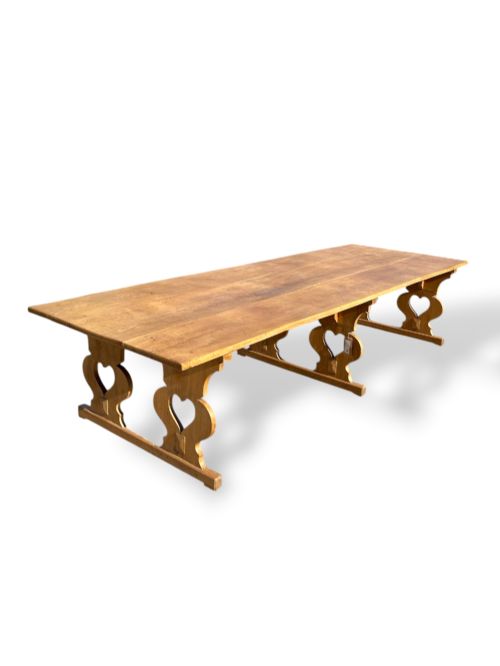
- A long, narrow dining table historically used in monasteries or large halls, frequently accompanied by matching long benches. These pieces emphasise linear length and sturdy trestle construction.
- Patina
- The surface sheen and textural depth developed on timber through age, handling, and repeated waxing. This quality indicates long-term use and proper maintenance.
- Trestle
- A structural support consisting of a horizontal beam fixed to two splayed legs, commonly used to support long benches and tables. This engineering allows maximum legroom along the length of the seating.
- Mule chest
- A traditional storage chest featuring one or more drawers at the base beneath a lift-up lid, bridging the function of a coffer and a low seat. These items combine storage utility with display surfaces.
Large Wooden Bench: Frequently Asked Questions
Where should I place a large wooden bench?
These substantial items suit expansive hallways, large kitchens, and open-plan living areas where their length and visual weight can anchor the space.
They also function effectively against long blank walls or paired with large dining and refectory tables.
How do I care for antique timber?
Maintain the wood by applying natural beeswax periodically and avoiding direct placement near heat sources or strong sunlight.
Regular dusting with a dry cloth preserves the historic surface without stripping the accumulated patina.
Can these benches be used for daily seating?
Most surviving historical examples are built from durable hardwoods like oak or pine and remain structurally robust for everyday use.
Adding loose squabs or cushions can enhance comfort on wooden seats without altering the underlying frame.