
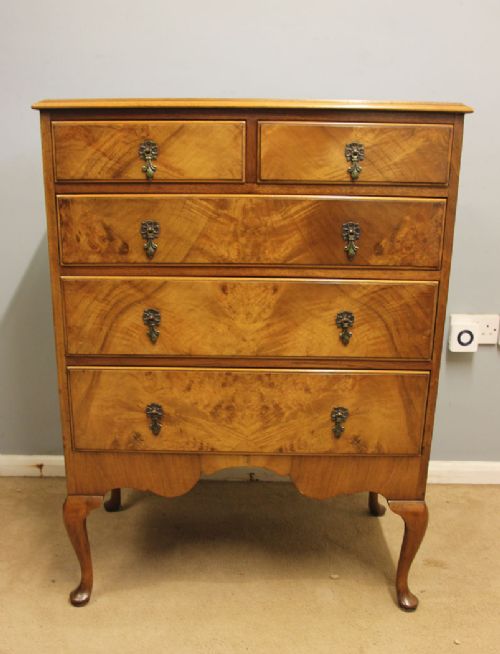
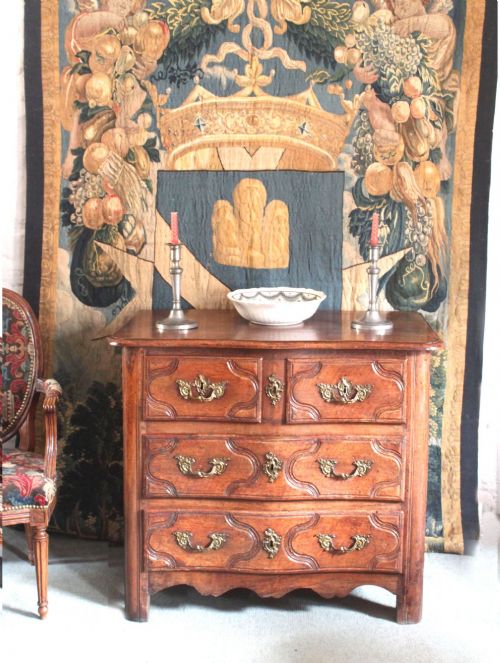
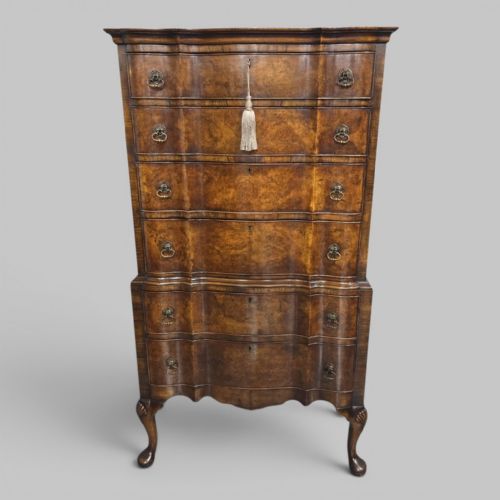

Traditional Walnut Chest
A traditional walnut chest brings rich grain and practical depth into a room, offering timeless storage built from durable timbers.
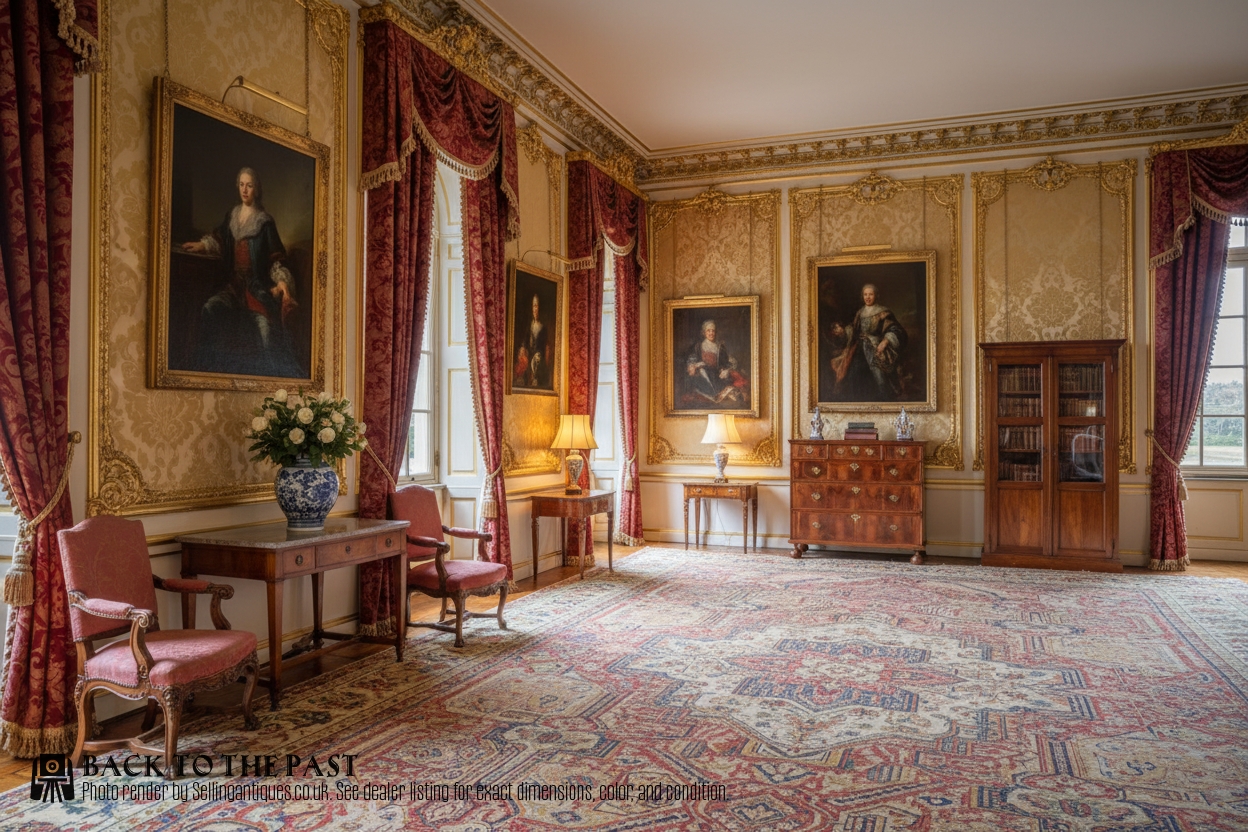
Traditional Walnut Chest
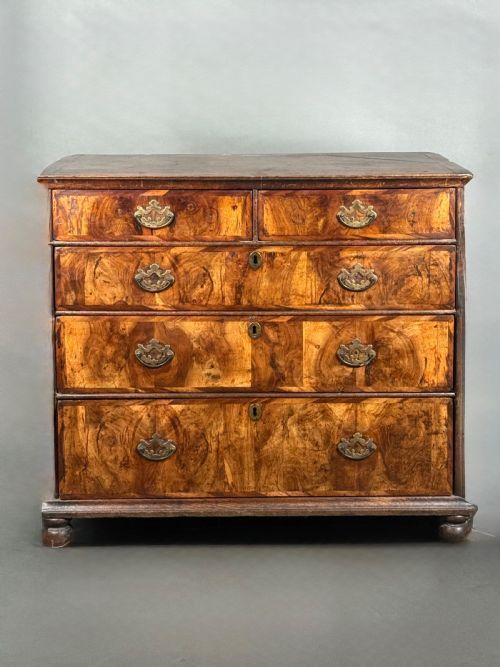
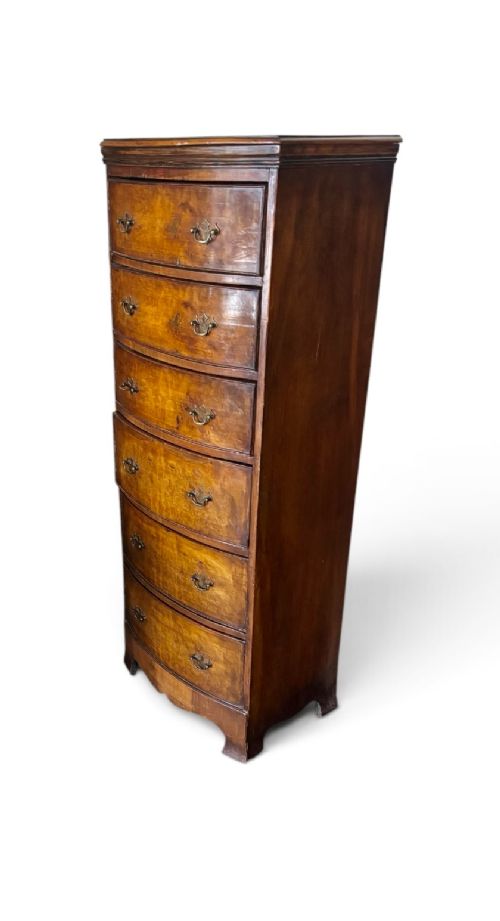
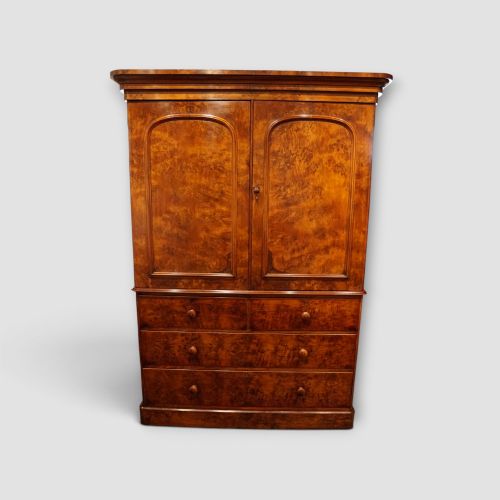
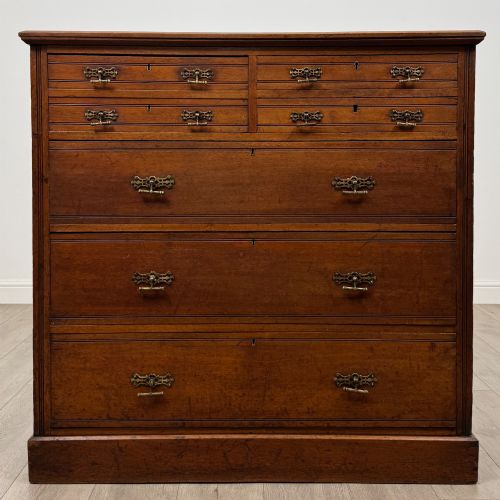
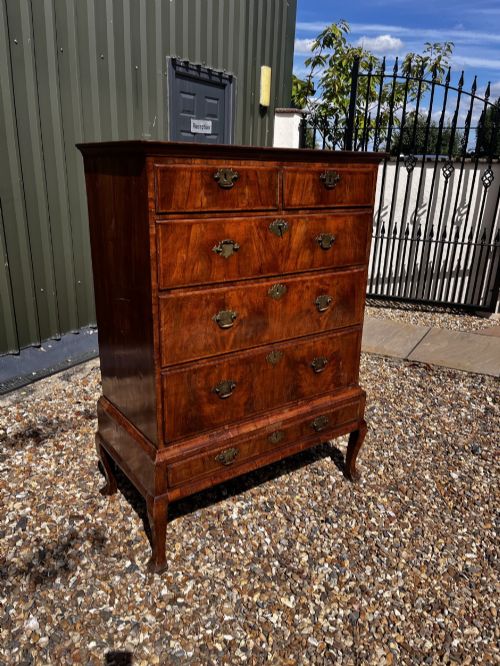
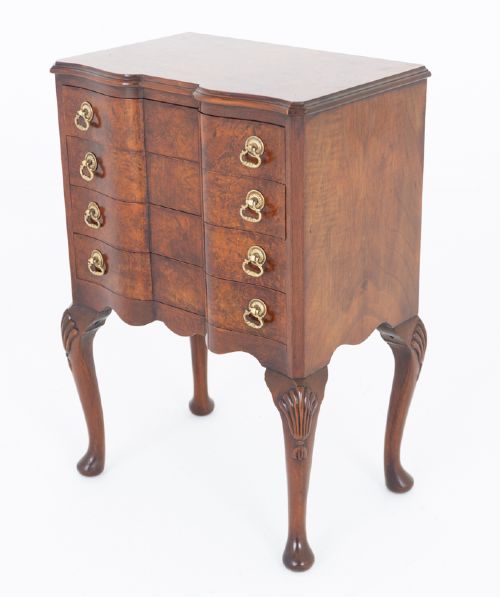
A traditional walnut chest encompasses a wide variety of storage pieces, ranging from compact bedside cabinets to imposing tallboys and linen presses. Buyers searching this phrase encounter examples stretching from the seventeenth century through to early twentieth-century revivals.
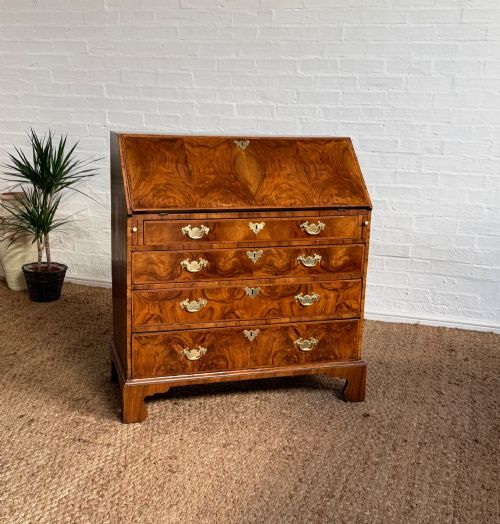
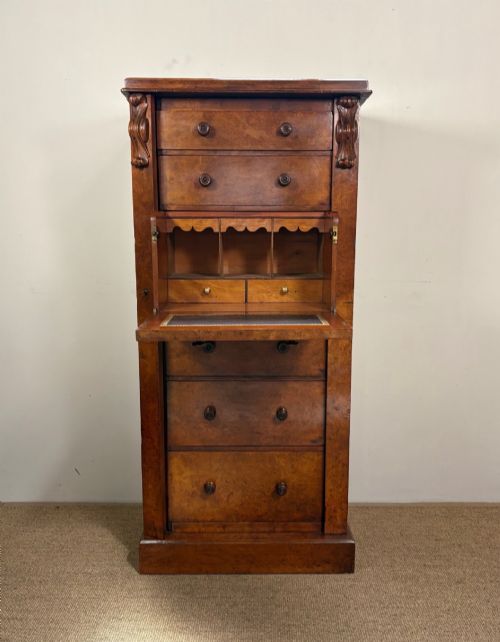
The selection includes standard chests of drawers, bureau desks with writing surfaces, and elaborate chests on stands or chests on chests. Walnut remains the unifying medium across these diverse eighteenth, nineteenth, and twentieth-century forms.
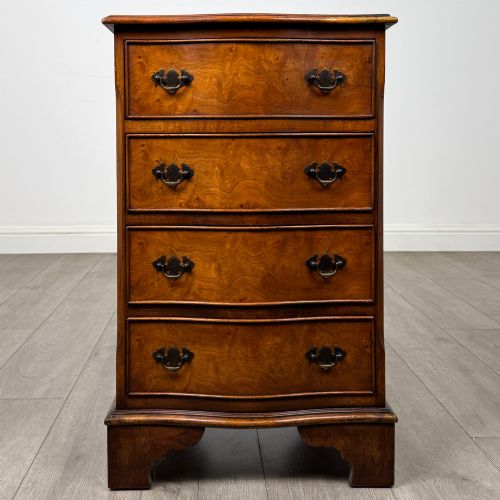
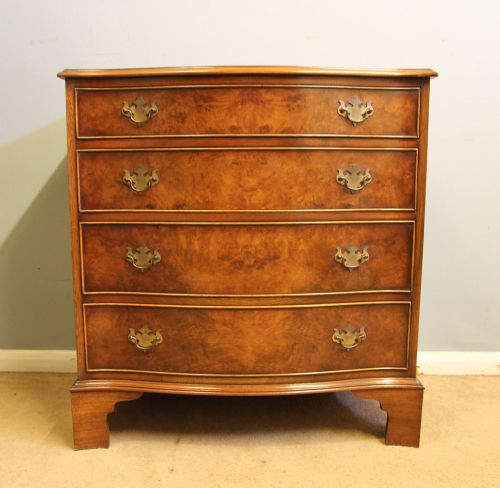
Pieces frequently display specific regional or stylistic traits, such as Queen Anne pad feet, serpentine fronts, or Dutch marquetry decoration. The grouping spans simple solid timber constructions as well as highly decorative veneered surfaces.
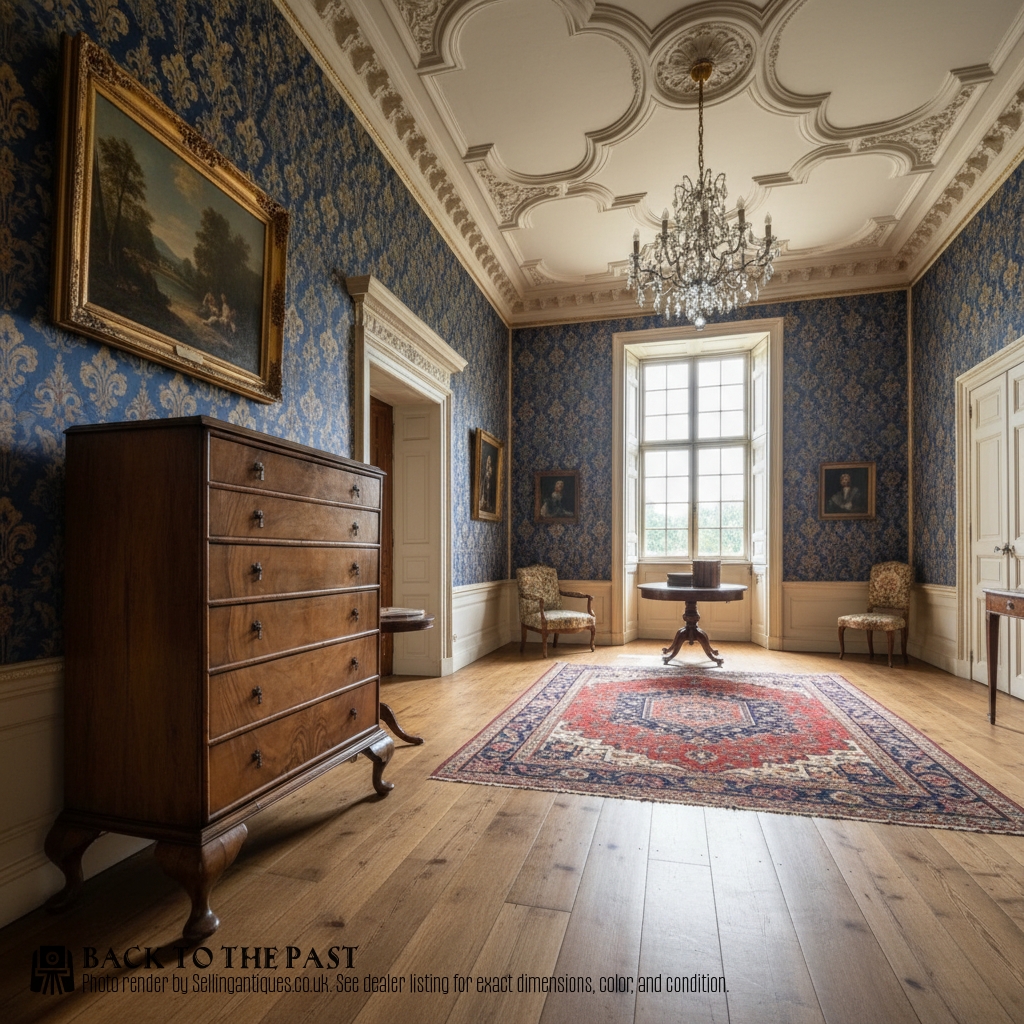
Materials and construction techniques
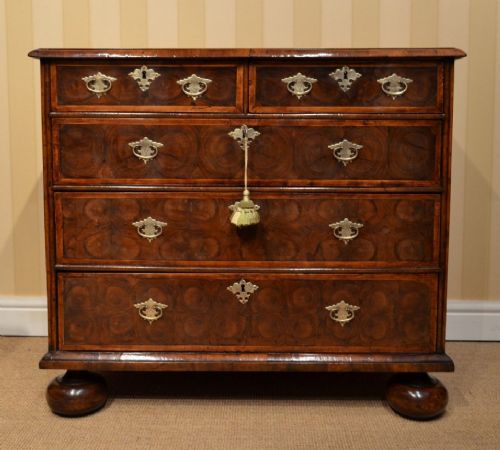
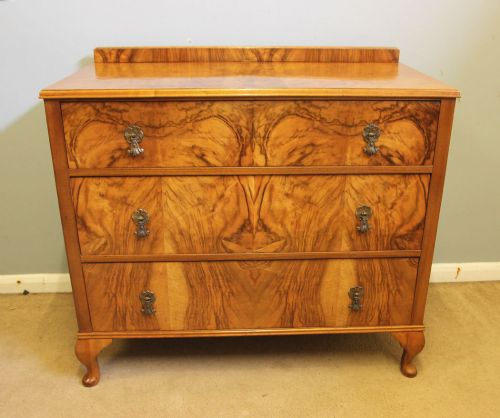
Cabinetmakers utilised walnut, burr walnut, and figured walnut veneers applied over secondary carcase timbers like oak and pine. The natural figuring of the wood was cut to create symmetrical patterns across drawer fronts and top panels.
Brass hardware such as drop handles, escutcheons, and keyplates frequently complement the dark timber. Secondary materials like leather appear on writing surfaces of bureau variations, while internal linings often incorporate solid oak or pine.
Materials recorded across the inventory include solid walnut, burr walnut, figured walnut, oak, pine, leather, and brass hardware.
Assessing quality in walnut furniture
Quality rests heavily on the choice and preservation of the timber veneers, with dense burr and figured grain commanding attention. The crispness of carved details, such as bracket feet or moulded cornices, indicates the skill of the original workshop.
Internal construction standards, including the neatness of dovetail joints on drawers and the integrity of secondary timbers like oak and pine, separate standard utilitarian storage from finer cabinetwork.
Jas Shoolbred
The Traditional Walnut Chest Glossary
- Burr walnut
- A specialised timber cut from tree growths containing swirling knot formations. This creates highly decorative, mottled grain patterns prized for drawer fronts.
- Tallboy
- A tall chest of drawers, often constructed in two sections with a smaller chest sitting atop a larger base. It maximises vertical storage space.
- Marquetry
- The art of inlaying different woods and materials to form decorative pictures or geometric patterns on furniture surfaces.
- Oyster veneer
- Thin circular slices cut from smaller branches or twigs of a walnut tree. These are arranged closely together to resemble oyster shells.
- Serpentine front
- A furniture front characterised by a wavy shape, curving outward in the centre and inward at the sides or vice versa.
Traditional Walnut Chest: Frequently Asked Questions
How do I date a walnut chest?
Dating relies on examining construction methods, hardware types, and timber preparations. Earlier seventeenth and eighteenth-century pieces often display hand-cut dovetails and native walnut, while later Victorian and twentieth-century revivals utilise different secondary woods and machine assistance.
Stylistic cues such as bracket feet, cabriole legs, or specific veneer cuts further help narrow down the period of manufacture.
What is the difference between a tallboy and a chest on chest?
A chest on chest consists of one complete chest of drawers stacked directly on top of another slightly larger base chest. They are typically taller than standard chests and offer extensive vertical storage.
A tallboy can refer to a similar stacked configuration or specifically to a single tall chest elevated on a separate stand with legs.
How should I care for antique walnut furniture?
Keep walnut furniture away from direct sunlight and heat sources to prevent the wood and delicate veneers from drying out or splitting. Maintain a stable indoor climate and dust gently with a soft, dry cloth.
Avoid using silicone-based polishes or harsh chemical sprays, opting instead for traditional beeswax applied sparingly to nourish the timber.
Where did walnut furniture originate in Britain?
Walnut rose to prominence in British cabinetmaking during the late seventeenth century, particularly following the Restoration. Craftsmen sourced timber locally before importing finer figured logs from continental Europe.
Regional workshops across Britain adapted these continental fashions, producing distinctive provincial variations alongside sophisticated London-made pieces.