

Traditional Wall Art Canvas
Traditional wall art canvas pieces bring historic oil paintings into contemporary spaces, offering rich textures and painted scenes that connect rooms to earlier centuries.
Traditional Wall Art Canvas
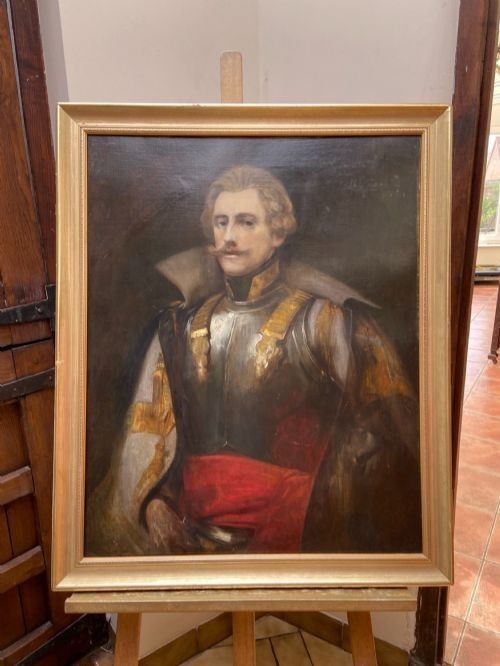
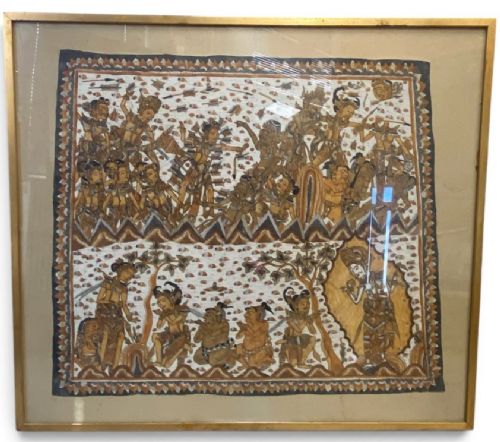
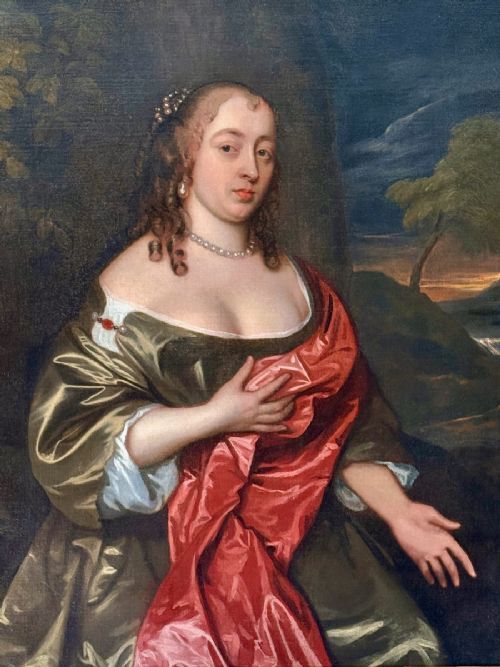
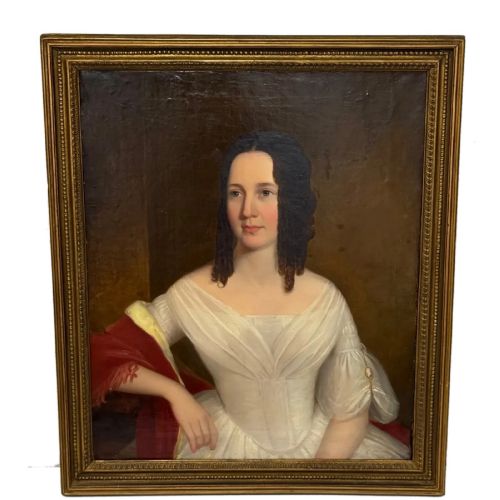
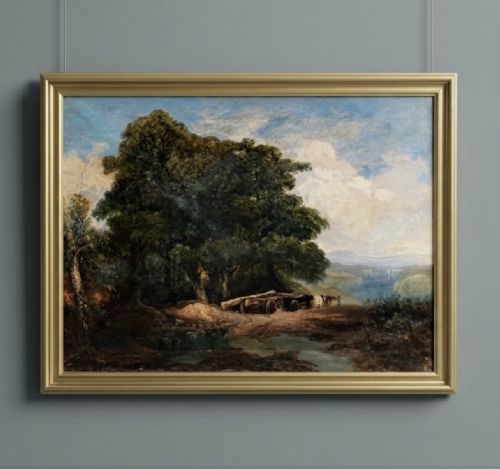
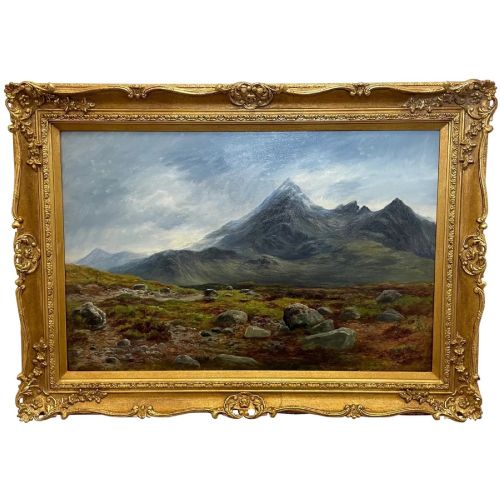
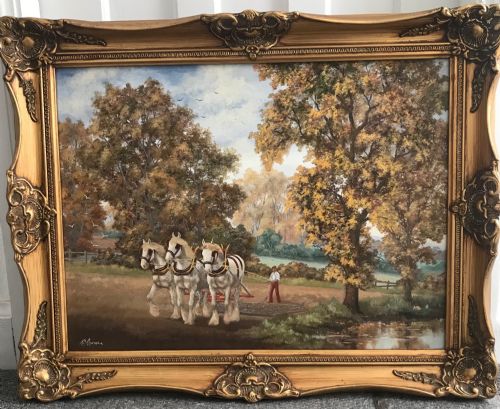
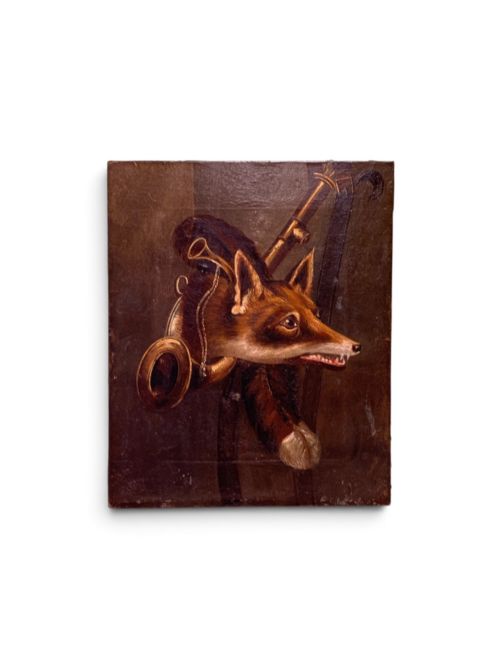
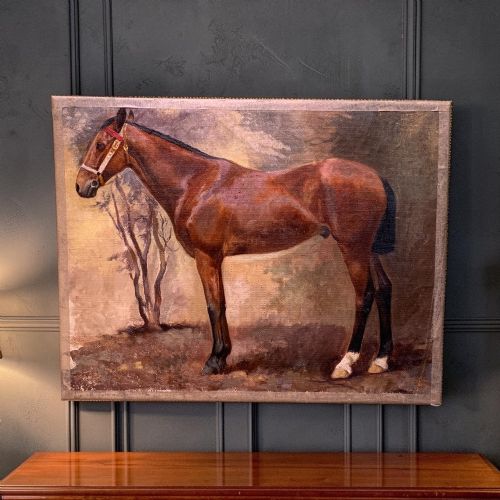
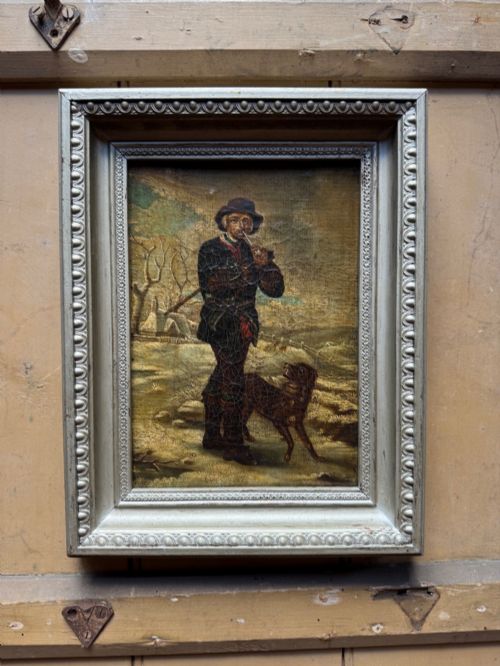
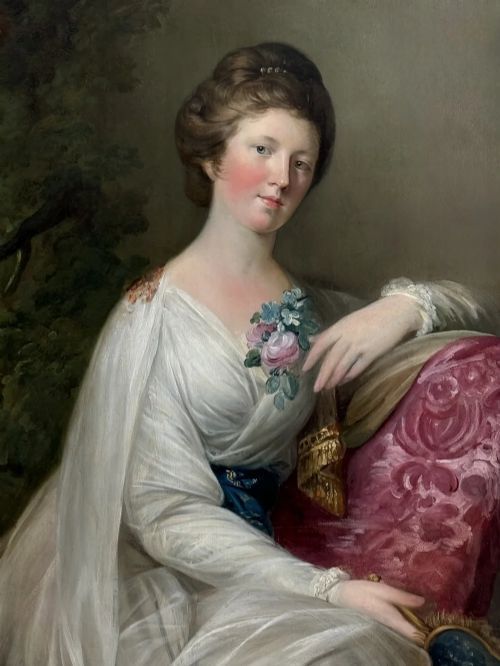
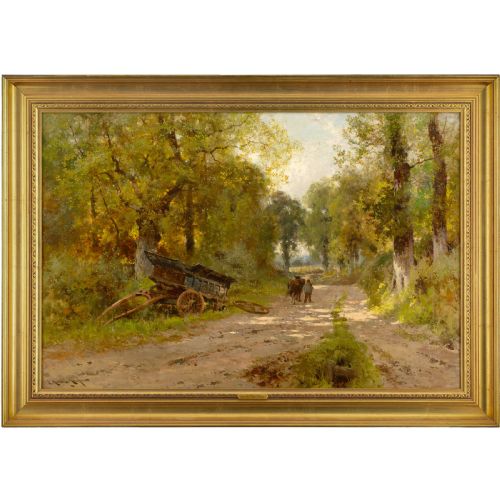
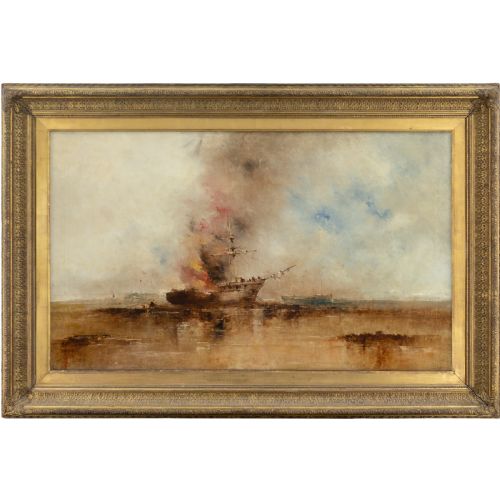
Traditional wall art canvas pieces encompass oil paintings spanning the eighteenth, nineteenth, and twentieth centuries, capturing subjects from portraits to pastoral landscapes. Buyers searching for traditional wall art canvas options encounter framed works depicting romantic scenes, still lifes, and equine studies. The selection on this page relies primarily on oil paint applied to canvas stretched over wooden supports, framed in wood or gilt gesso.
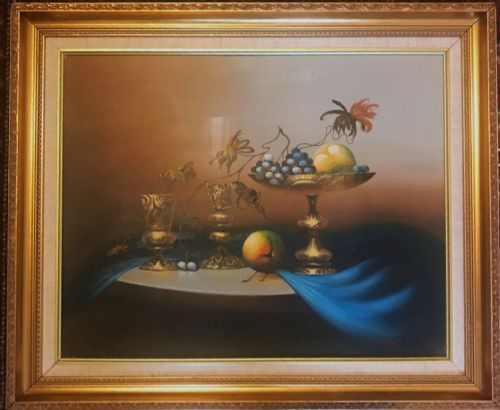
The assortment ranges from large Georgian and Victorian portraits to smaller Edwardian landscapes and mid-century Dutch style floral still lifes. Painters recorded subjects such as cattle in woodland, marine views, and winter scenes using classical realism and baroque influences. These historic works arrive ready to hang, often retaining their original or period-appropriate frames.
How traditional wall art canvas works were made
Artists applied oil paint using brushes and palette knives onto woven canvas stretched across wooden stretcher frames. This technique allowed pigment layers to build gradually, creating depth in skies, fabrics, and foliage.
Many canvases sit inside heavy wooden frames enriched with gilt, gold leaf, or moulded gesso ornamentation. These frames protected the edges of the canvas and added architectural presence to the artwork.
Listings span periods from the eighteenth century through to the mid twentieth century, utilising oil on canvas and giltwood materials.
What varies in quality in traditional wall art canvas
Quality rests upon the artist's command of anatomy, perspective, and light handling within the oil medium. Skilled hands render fabrics, facial expressions, and atmospheric depths with precision, whereas lesser works rely on stiff brushwork and flat planes.
The condition of the canvas and the integrity of the original wood stretcher frame influence the piece's preservation. Intact paint layers free from heavy craquelure, combined with well-preserved gilt gesso frames, mark the upper tier of the range.
John Hayls·Richard Sebastian Bond·William Beattie Brown·Jozsef Molnar·William H Myers·George Willison·John Horace Hooper·William McAlpine·Hendrik Willem Schweickhardt·Thomas Smythe·Albert Clark·David Bates
The Traditional Wall Art Canvas Glossary
- Canvas
- A heavy woven fabric, usually linen or cotton, stretched tightly across a wooden frame to serve as the foundation for oil paintings. This surface supports the weight of applied oil pigments over centuries.
- Giltwood
- Wood carved and coated with a thin layer of gold leaf or metallic powder. It provides reflective framing for traditional oil paintings.
- Gesso
- A plaster-like mixture applied to wooden frames before gilding or painting. It creates a smooth base for intricate moulded ornamentation.
- Craquelure
- A fine network of microscopic cracks that form across the surface of aged oil paint layers. This pattern develops naturally as oil paint hardens over long periods.
- Still life
- An artwork depicting inanimate subject matter, typically commonplace objects such as fruit, flowers, or dead game. These compositions test an artist's ability to render light and texture.
Traditional Wall Art Canvas: Frequently Asked Questions
How do I clean a traditional oil painting?
Dust surfaces gently using a soft, dry brush without applying moisture or cleaning solutions.
Professional conservators should handle deeper cleaning or removal of accumulated grime to protect the fragile paint layers.
Are these paintings original artworks?
The selection consists of original hand-painted oil works on canvas created across various historical periods.
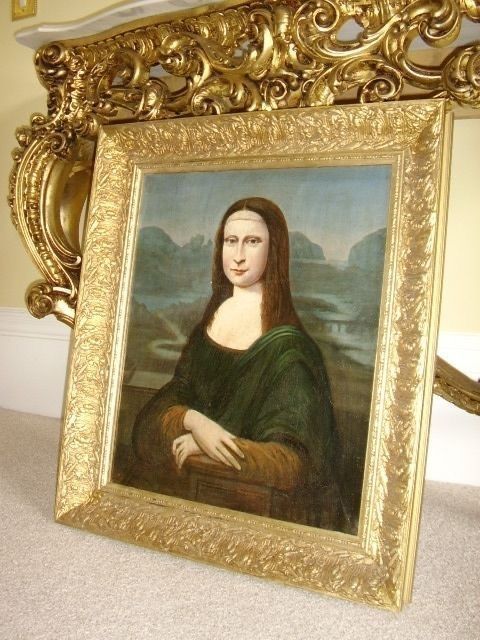
Some listings include later studies or copies after renowned masters painted in past centuries.
What rooms suit large canvas paintings?
Spacious living areas, hallways, and dining rooms accommodate monumental portraits and expansive landscape scenes effectively.
Adequate wall space allows heavy gilt frames to sit comfortably without overwhelming the interior scale.
How do I date an oil painting?
Examination of the canvas weave, stretcher frame construction, and pigments provides clues to the creation period.
Artist signatures, biographical records, and the style of the accompanying frame further help narrow down the date.