




Signed 19th Century Painting
Discover a signed 19th century painting to bring historic artistry, character and authenticated creator provenance directly onto your walls.
Signed 19th Century Painting
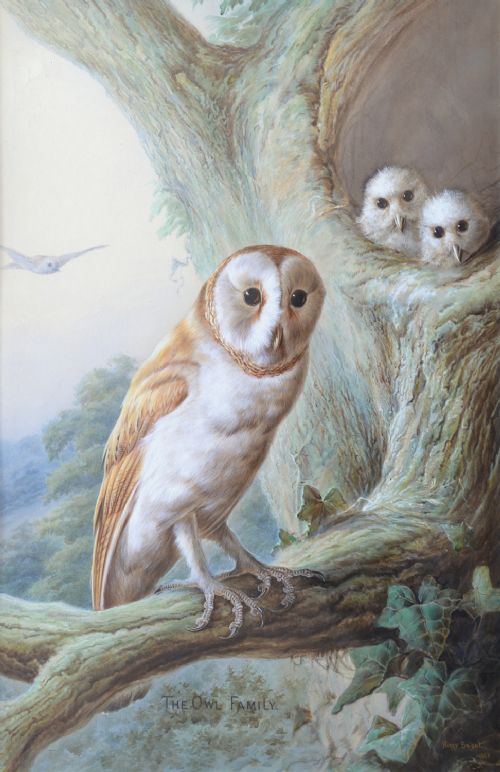
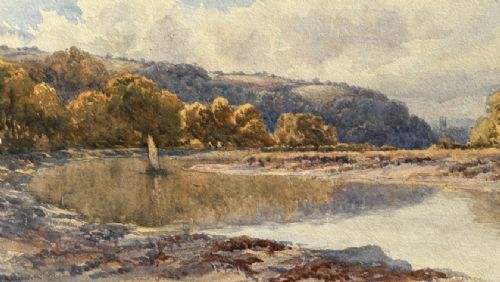
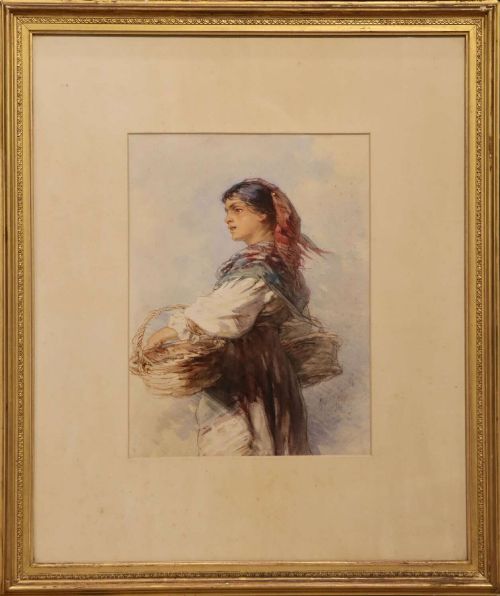
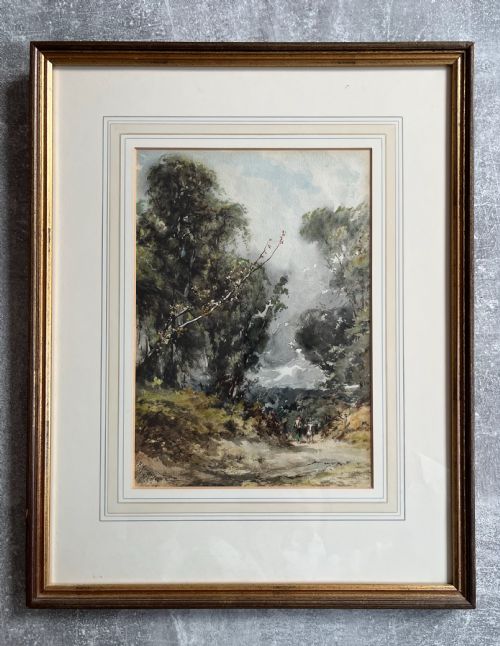
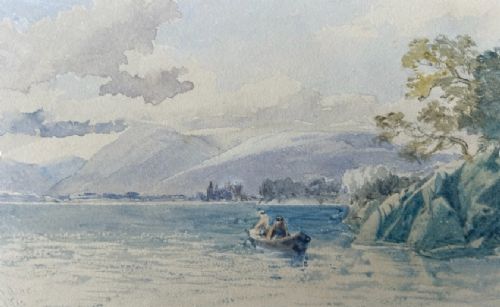
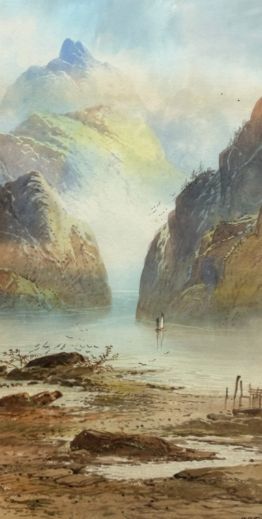
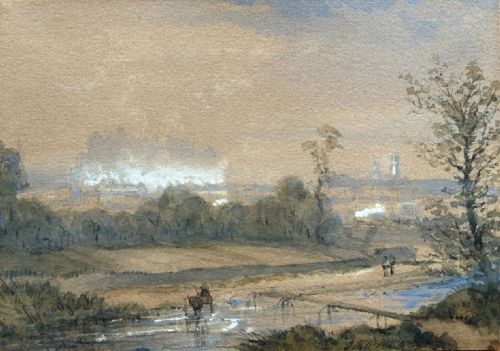
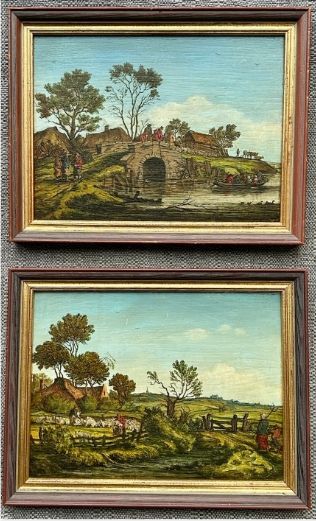
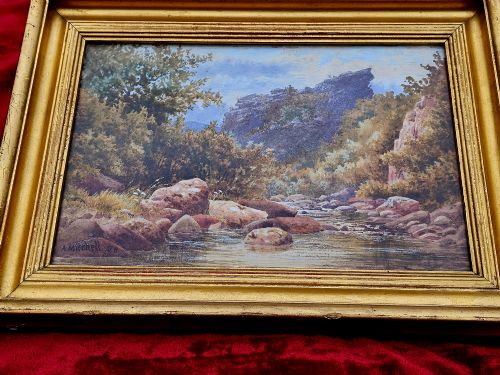
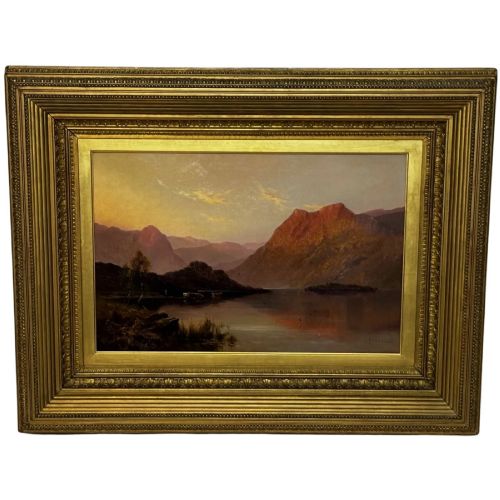
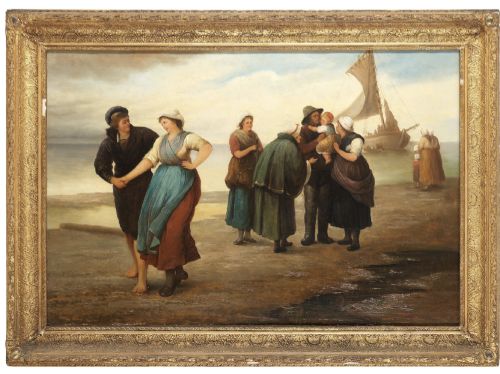
A signed 19th century painting represents the hand of a named historical artist working across British, Scottish, and continental European schools during a period of immense stylistic variety. When buyers search for this phrase, they encounter original watercolours, oils on canvas, and wood panel works depicting landscapes, marine scenes, and portraits.
The selections available range from intimate topographical watercolours by notable watercolourists to robust oil paintings on canvas depicting rural and coastal life. These works carry the tangible signature or monogram of the creator, linking the modern collector directly to the Victorian art market.
Most pieces date from the mid to late 19th century, featuring subjects from Scottish highlands to Venetian canals and quiet English country lanes. Buyers find both framed gallery-ready oils and delicate paper studies ready for domestic display.
How they were made
Artists of the period applied oil paint or watercolour pigments onto prepared canvas, wooden panels, or heavy paper substrates using traditional bristle and sable brushes. Canvases were typically stretched over wooden frames and secured with hand-driven tacks, while watercolours were mounted behind glass with protective giltwood or carved frames.
Signatures were inscribed directly into wet paint using fine brush tips or scratched into the pigment, while watercolourists frequently signed in graphite, ink, or watercolour wash alongside dates or monograms. Panels of mahogany, milk glass, or wood served as rigid supports for specialised Flemish and naive compositions.
Listings feature paper, canvas, and wood panel supports utilised across British and European schools.
What varies in quality
The strength of the composition and the confidence of the brushwork separate standard studio output from masterworks of the period. Superior examples demonstrate meticulous draughtsmanship, harmonious tonal balance, and an articulate handling of atmospheric light, particularly in marine and landscape subjects.
Condition of the pigment and the originality of the mounting also dictate overall merit, with clean surfaces free from heavy retouching commanding greater attention. The presence of clear, well-documented signatures and contemporary framing further elevates the standing of an individual artwork.
George Fotherly Hargitt·Thomas Miles Richardson Jnr·James Orrock·William Henry Earp·John R Prentice·Frederick Marriott·Alfred Fontville de Breanski Jr·William Banks Fortescue·Stephen Samuel Lewin·John Rose Miles·Vittorio Reggianini·Thomas W Lascelles·Vincent Clare·Bernard Benedict Hemy·Henry H Parker·John Emms·Arthur Joseph Meadows·Anthony Graham·James Robertson Miller·Walter Emsley·Florence F Wilmot·Stephen Enoch Hogley·Francesco Gioli·John Sowden·Thomas Henry Hunn
The Signed 19th Century Painting Glossary
- Watercolour
- A painting method where the paints are made of pigments suspended in a water-based solution. These works are typically executed on paper and require protection under glass.
- Giltwood
- Wood that has been coated with a thin layer of gold leaf or gilt powder. This material is frequently found on the ornate frames encasing 19th-century oils and watercolours.
- Monogram
- A motif made by overlapping or combining two or more letters to form a single symbol. Many 19th-century artists used these initials rather than full signatures on their canvases.
- Naive
- A term describing art produced by someone with little or no formal training in perspective and proportion. These pieces charm viewers through their honest, unpretentious perspective.
- Provenance
- The chronology of the ownership, custody or location of a historical historical artwork. Establishing this trail confirms the authenticity and history of a signed piece.
Signed 19th Century Painting: Frequently Asked Questions
How do I identify a 19th-century painting?
Examine the materials, stretcher frames, and paper types used in the construction, as these often reveal historical manufacturing methods. Signatures, dates, and stylistic conventions typical of the Victorian era provide additional chronological anchors.
Look closely at the back of the canvas or panel for old gallery labels, artist inscriptions, and framing stamps. These secondary clues frequently confirm the exact decade of creation.
Were all 19th-century paintings signed?
Many artists chose not to sign every canvas, particularly studies, preliminary sketches, or pieces intended for anonymous workshop sale. Unsigned works were often attributed later based on stylistic similarities or recorded provenance.
Signatures themselves should be assessed alongside the pigment ageing to ensure they are contemporary with the rest of the painted surface.
How should I hang and care for these watercolours?
Keep works on paper away from direct sunlight to prevent the watercolour pigments and paper supports from fading over time. Maintaining stable room humidity protects both the paper fibres and the antique frames.
Ensure that watercolours are framed with acid-free mounts and protective glass to prevent atmospheric pollutants from damaging the delicate painted surface.
What subjects were popular in the 19th century?
Landscape and marine scenes dominated the period, reflecting a widespread fascination with rural scenery, coastal shipping, and dramatic weather. Domestic genre scenes and floral still lifes were equally cherished by contemporary collectors.
Artists frequently travelled to Scotland, Wales, and continental Europe to capture picturesque topography for urban buyers.