


British Countryside Oil Painting
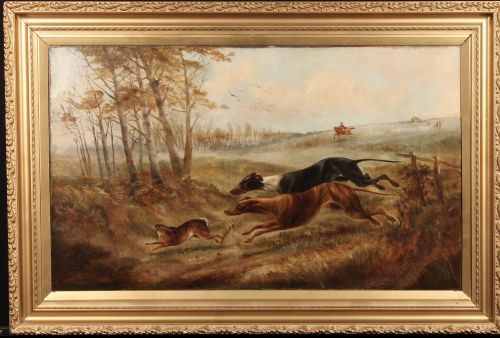
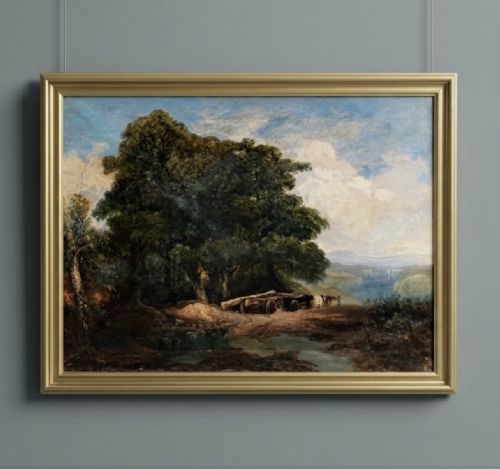
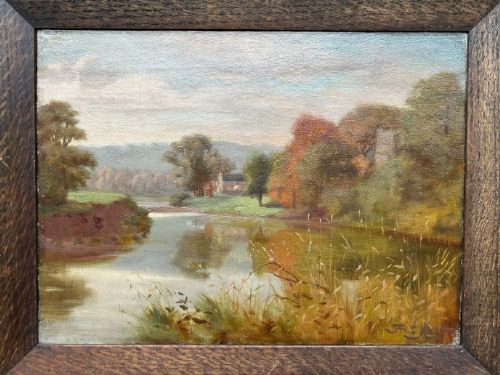
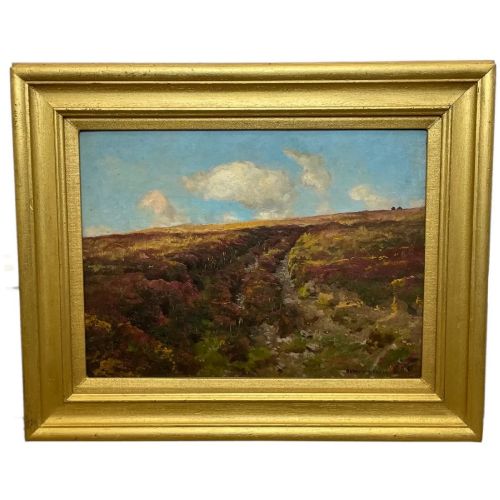
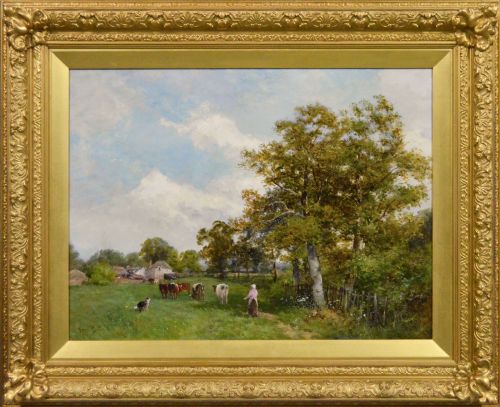
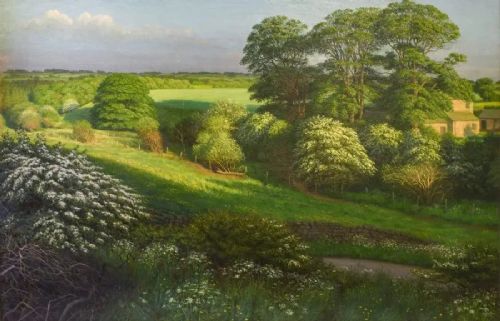
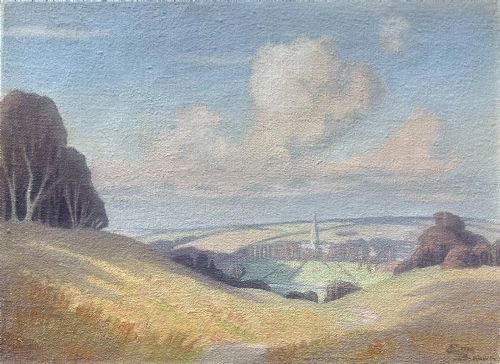
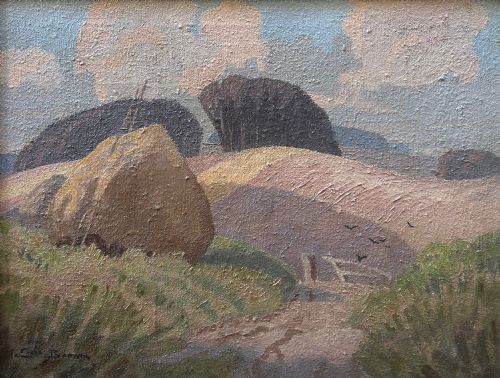
When you want a British countryside oil painting, you are looking at pastoral views, river scenes and woodland vistas captured by artists across the nineteenth and twentieth centuries.
British Countryside Oil Painting
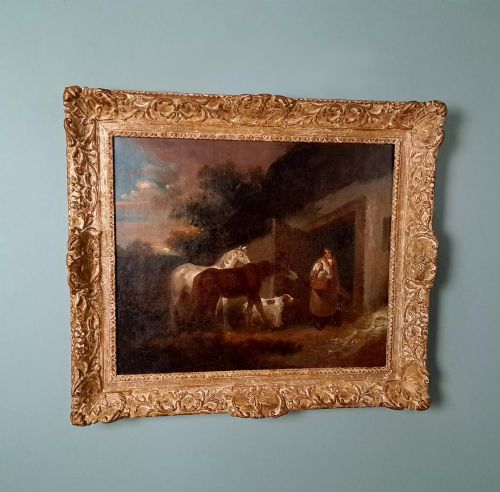
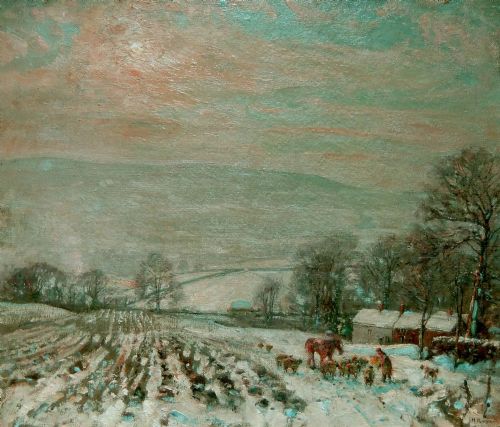
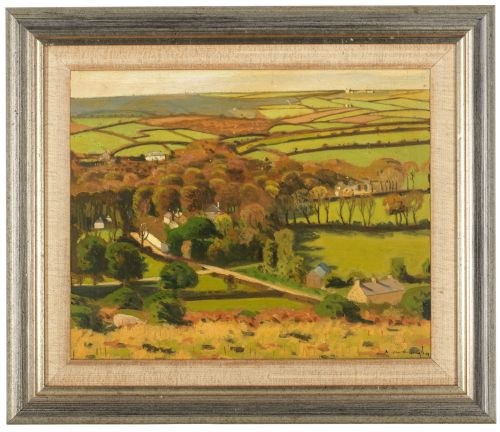
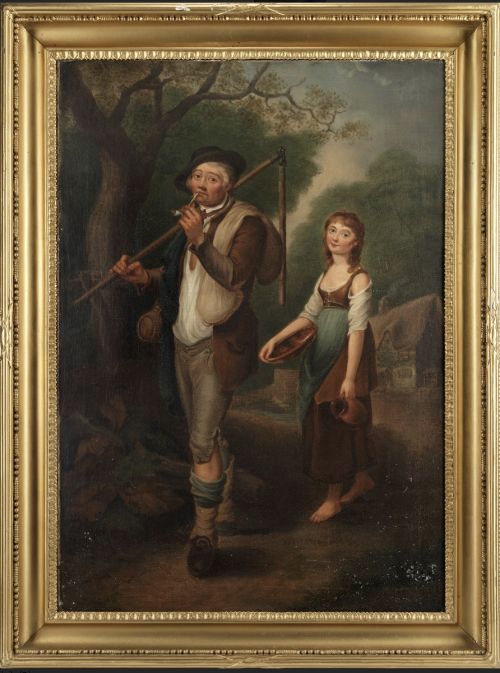
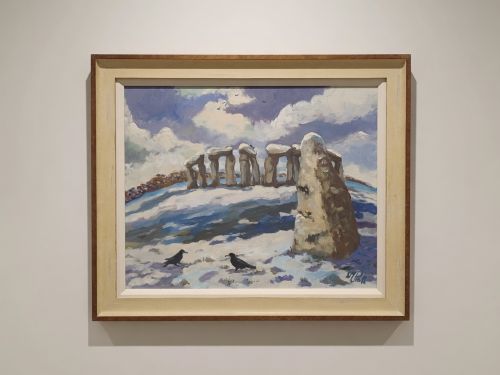
A British countryside oil painting records rural life, agricultural land and natural scenery across the British Isles. The pieces span Victorian pastoral studies, Edwardian river views and mid-century Modern British interpretations.
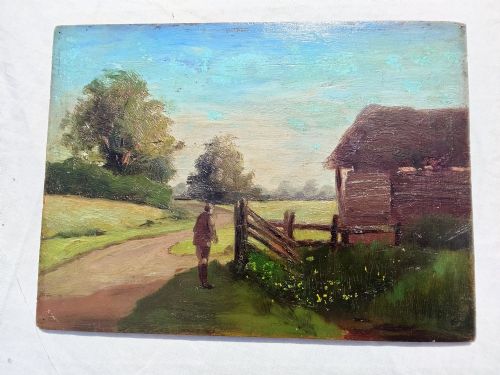
The most common examples on this page date from the nineteenth and early twentieth centuries, rendered on canvas or wooden boards. Subjects range from cattle in woodland and sheep grazing in Yorkshire to thatched cottages and Cornish river valleys.
Compositions frequently incorporate figures, farm animals or working horses within expansive rural topography. Artists recorded local topography from Devon and Dorset to Yorkshire and Wales.
How They Were Made
Painters utilised oil paint applied to prepared canvas stretched over wooden frames or directly onto wooden panels and boards. Pigments were mixed with drying oils to achieve rich opacity, depth of colour and varied textures.
Brushwork ranges from smooth, blended academic application to visible impasto strokes that build surface relief. Works are frequently housed in period wooden and gilt frames that complement the palette.
Several canvases record stubborn cattle pausing in mid-stream, capturing a bovine refusal that transcends generations.
What Varies in Quality
Quality rests upon the artist's handling of light, atmospheric perspective and spatial depth. Stronger works capture specific seasonal illumination and convincing natural movement in foliage, water and livestock.
Compositional balance and confident brushwork distinguish accomplished professional output from simpler amateur studies. The fidelity of anatomical rendering in figures and animals further separates master works from routine topographical records.
Richard Sebastian Bond·William H Myers·George Graham·Frederick Marriott·Arthur Wardle·William Joseph Shayer Senior·Herbert Royle·Robert Morson Hughes·Thomas Barker of Bath·David Bates·Lucy Pratt·Raymond Booth·Eric Brown·Richard Redgrave·Ernest Higgins Rigg·Peter Newcombe·Vernon DeBeauvoir Ward·Florence Adelina Hess·John Horace Hooper·Hubert Wellington·Owen Bowen·Joseph Edward Hennah·Charles Walter Simpson·Helen Layfield Bradley·William Henry Mander
The British Countryside Oil Painting Glossary
- Impasto
- Paint applied thickly to a canvas or panel, standing out in relief from the surface. This technique creates a tactile quality that captures light and shadow across the brushstrokes.
- Oil on canvas
- Pigment suspended in a drying oil medium and painted onto woven fabric stretched across a wooden support. It remains the primary foundational medium for historical fine art paintings.
- Wood panel
- A flat wooden support used as a rigid alternative to canvas for painting. Artists frequently utilised panels for smaller landscape studies during the nineteenth and early twentieth centuries.
- English School
- A classification applied to works produced by artists trained or working within England. It groups stylistic traditions rather than a single unified academy.
- Provenance
- The documented history and ownership lineage of an artwork. A clear record supports authenticity and attributes the piece to a specific hand.
British Countryside Oil Painting: Frequently Asked Questions
How do I date a rural oil painting?
Dating relies on stylistic evidence, artist signatures, framing materials and canvas stamps. Costume details on figures and agricultural methods also help narrow the period.
Historical records and exhibition labels attached to the reverse provide further chronological markers.
Where were these landscape scenes painted?
Artists worked across diverse British regions, recording specific locations in Yorkshire, Cornwall, Wales, Devon and the Home Counties. Many pieces capture named rivers, estuaries and hills.
En plein air painting traditions encouraged artists to work directly from the natural landscape.
How should I care for an oil painting?
Keep paintings away from direct sunlight, high humidity and dramatic temperature fluctuations. These environmental controls prevent canvas slackening and paint cracking.
Dust surfaces gently with a soft, dry brush and avoid chemical cleaning agents on the pigment or frame.
What is the difference between canvas and board?
Canvas offers slight give and a textured woven ground that absorbs oil paint differently than rigid supports. Wooden boards provide a completely flat, stable surface favoured for smaller en plein air studies.
Both materials were widely utilised across the nineteenth and twentieth centuries.