



Traditional Upholstered Bench
Traditional upholstered bench examples span centuries of seating from footstools to club fenders, chosen for enduring comfort and craftsmanship.
Traditional Upholstered Bench
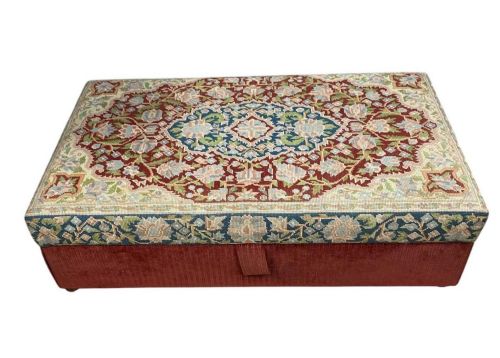
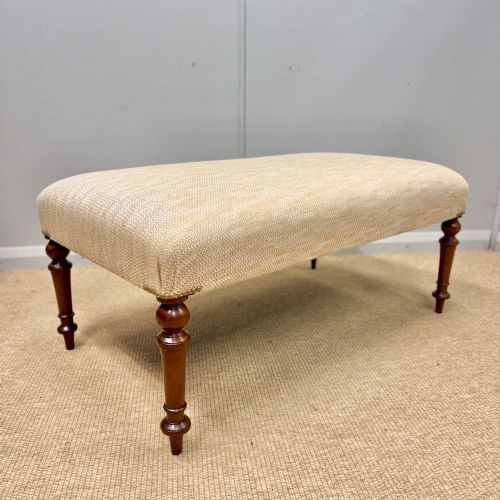
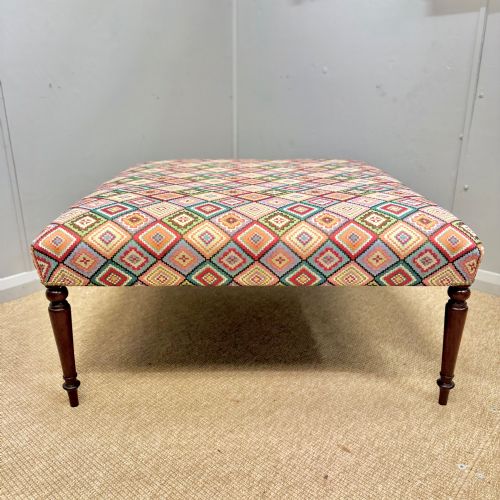
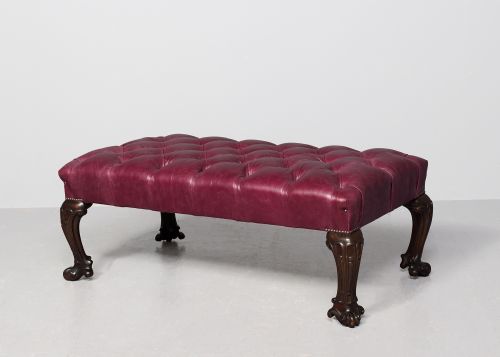
A traditional upholstered bench encompasses a diverse range of historic seating forms including footstools, window seats, duet piano stools and club fenders. Buyers exploring this category encounter pieces designed for various domestic rooms, from grand reception spaces to functional hallways. The selection reflects centuries of British and continental design, prioritising practical seating and textile comfort.
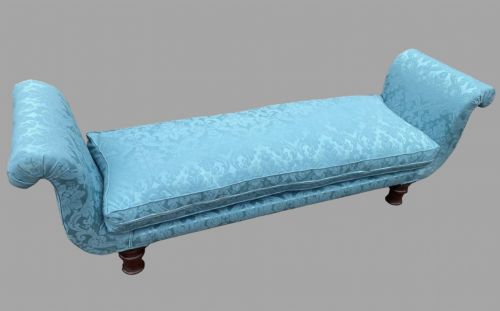
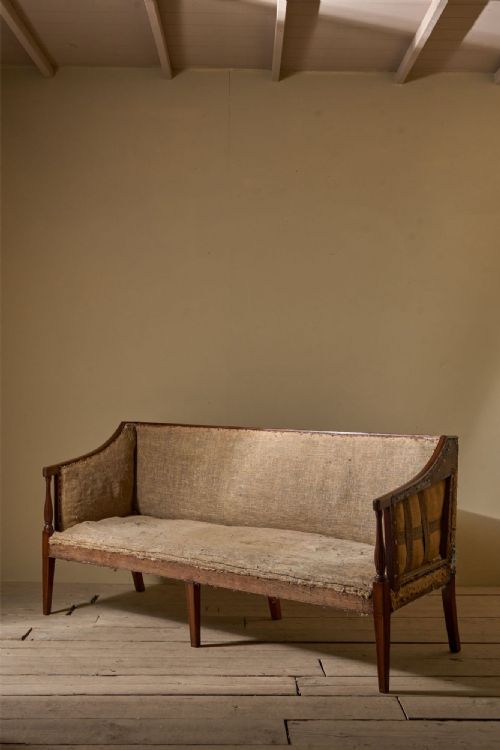
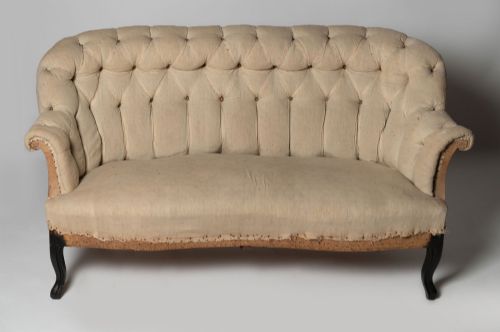
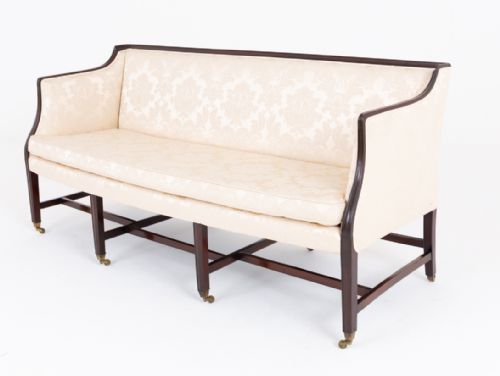
The objects appearing in this category lean heavily towards nineteenth-century examples alongside eighteenth-century revivals and Edwardian pieces. Formats range from long mahogany benches and footstools on brass castors to heavy iron or brass club fenders upholstered in leather. Buyers will also encounter settees and daybeds that bridge the gap between bench seating and larger upholstery.
Origins vary from English country houses to formal urban parlours, influencing the scale and decorative ambition of each item. Proportions scale from low fireside stools to substantial window seats built to accommodate multiple sitters. Each iteration demonstrates how past makers adapted basic frame structures for specific domestic routines.
Materials and construction methods
Makers relied on durable timbers such as mahogany, walnut, rosewood and teak to construct the structural frames of a traditional upholstered bench. These hardwoods provided the necessary strength to support daily use, particularly in leg assemblies featuring cabriole, fluted or turned designs. Secondary woods were frequently utilised for internal framing concealed beneath the outer upholstery.
Surface finishes and metal components define the physical character of these pieces, incorporating cast brass castors, steel frames and ebonised treatments. Upholstery techniques progressed through distinct eras, utilising stuffing materials secured over webbed bases before finishing with leather, wool, velvet, kilim or woven linen. Buttoning and decorative nailhead trim often secured the textile layers to the hardwood frame.
Assessing quality and execution
Quality in a traditional upholstered bench is determined by the integrity of the timber frame and the precision of its joinery. Superior examples maintain structural rigidity without relying on modern reinforcements, showing careful hand-cut joints in the underlying woodwork. The choice of primary timber, whether figured mahogany or rich walnut, directly dictates the visual presence of the piece.
The refinement of carved details, such as cabriole legs, fluting or Adams-style ornamentation, separates standard production from exceptional workshop output. Furthermore, the harmony between the frame's proportions and its textile covering dictates the overall aesthetic success of the object. Higher-grade pieces retain harmonious lines where wood and upholstery function as a unified design.
The Traditional Upholstered Bench Glossary
- Club Fender
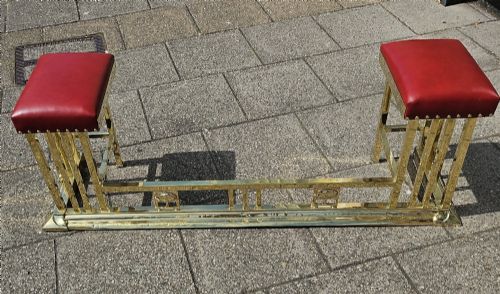
- A low fireside seat featuring metal uprights and a leather-upholstered top, originally designed to enclose an open hearth. These fixtures allowed sitters to warm themselves close to the fire.
- Cabriole Leg
- A furniture leg that curves outward at the knee and tapers inward toward the foot, inspired by animal limbs. This form appeared frequently on eighteenth-century seating and later revival pieces.
- Duet Piano Stool
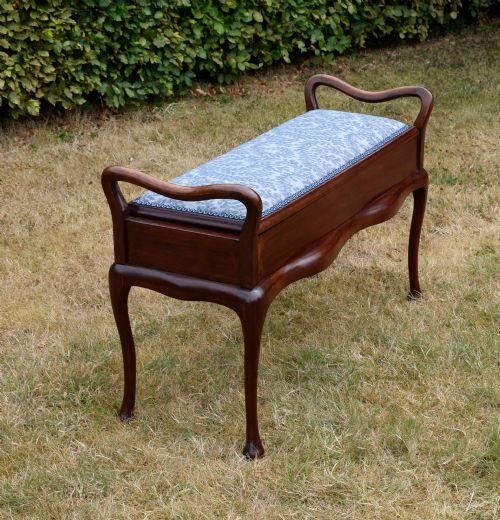
- An extended seating bench designed for two players, often featuring a hinged lid that opens to store sheet music. They were common accessories in Victorian and Edwardian music rooms.
- Window Seat
- A narrow bench built or placed specifically to fit within the recess of a window frame. These pieces often incorporated upholstered tops and storage compartments beneath.
- Kilim
- A flat-woven textile originating from the Middle East or Eastern Europe, occasionally repurposed as a durable covering for nineteenth-century footstools.
Traditional Upholstered Bench: Frequently Asked Questions
What defines a club fender?
A club fender is a low, metal-framed seat designed to fit around the perimeter of an open fireplace. The top surfaces are typically upholstered in leather for comfortable fireside seating.
Historically placed in large country houses, these fixtures kept sitters at a regulated distance from the hearth while maximising heat distribution in the room.
How do I date an antique bench?
Dating relies on examining the timber species, joinery techniques and stylistic markers such as leg profiles and upholstery methods. Cabinetmakers shifted from heavy eighteenth-century mahogany frames to lighter Victorian ebonising and Edwardian revival styles over time.
Secondary woods and tool marks visible on unexposed internal sections also provide reliable clues regarding the period of manufacture.
Where were window seats used?
Window seats were placed in deep architectural window recesses of drawing rooms and bedrooms to provide a lit space for reading or needlework. Their narrow profiles ensured they did not obstruct the window opening or pathway.
Many examples included hinged lids, allowing the bench to function as both a seat and a storage chest for household textiles.
What is a duet piano stool?
A duet piano stool is a wider version of a standard piano seat, built to accommodate two musicians sharing an instrument. They frequently incorporate internal compartments beneath the seat for organising music sheets.
Mahogany and rosewood were popular frame materials for these functional studio items during the Victorian and Edwardian eras.
Can I use these benches daily?
Most antique seating pieces are structurally sound for regular domestic use provided the hardwood frames and internal joints remain stable. Traditional construction methods using solid timbers ensure long-term durability.
Placing them in appropriate indoor environments helps preserve the antique wood finishes and textile coverings against excessive wear.