


Oriental Pattern Ottoman
These pieces of oriental pattern ottoman furniture and textiles bring rich woven tradition into domestic spaces through authentic period craftsmanship.
Oriental Pattern Ottoman
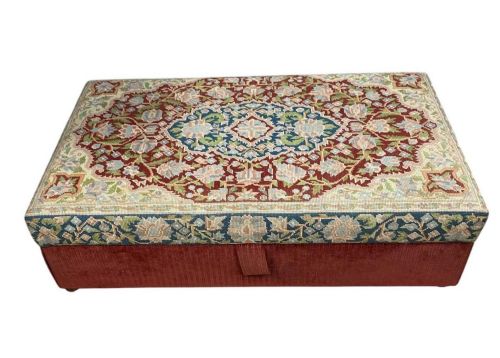
An oriental pattern ottoman encompasses both low seating forms and traditional woven floor coverings rooted in historic Turkish and Anatolian designs. Buyers seeking this category encounter items ranging from decorative tapestry top coffee tables to antique silk rugs and carpets.
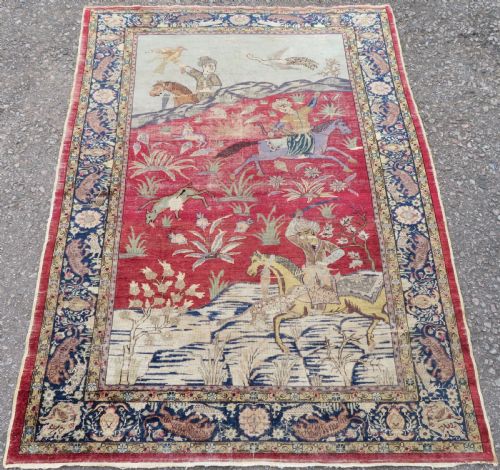
The material evidence spans pieces from the nineteenth century into the early twentieth century, alongside specific Victorian interpretations. Rugs and carpets dominate the selection, frequently featuring historic regional attributions such as Ushak, Kayseri, and Bursa.
Textile formats include pictorial hunting scenes, prayer rugs, and larger carpets utilising traditional wool, cotton, silk, and angora wool. Alongside these, occasional upholstered furniture forms like coffee table tapestry tops integrate these woven surfaces into functional household objects.
How they were made
Construction relies heavily on natural textile materials including wool, cotton, silk, and angora wool combined with wooden frames for furniture applications. Artisans employed traditional knotting and tapestry weaving techniques to build durable surfaces with intricate ornamental details.
Pile carpets and flatwoven tapestries required meticulous hand-weaving processes using dyed animal fibres and plant threads. Wood serves as the structural base for low tables, supporting stretched tapestry textiles across their top surfaces.
Listings span the Victorian era, the nineteenth century, and the early twentieth century, incorporating wool, silk, and wood.
What varies in quality
The standard of an individual piece is defined by the fineness of the weave and the complexity of the pattern. Tightly knotted silk or wool displays greater precision in historic pictorial motifs and geometric borders.
Material selection significantly influences the overall character, with fine silk and angora wool offering distinct tactile qualities compared to standard wool or cotton. The integrity of the underlying wooden frame and the preservation of the textile surface determine the lasting presence of each object.
The Oriental Pattern Ottoman Glossary
- Ushak
- A term denoting carpets and rugs originating from the town of Ushak in western Anatolia, known for distinctive historic designs. These pieces often feature large-scale floral motifs and soft colour palettes.
- Prayer rug
- A small textile featuring a mihrab niche design used traditionally for devotional purposes. Such rugs are characterised by oriented patterns pointing in a single direction.
- Tapestry
- A form of heavy textile woven with a pictorial or decorative design rather than a pile. In furniture, these decorative panels are stretched over table tops.
- Angora wool
- A soft fibre sourced from Angora goats, utilised in select regional carpets to impart a distinct sheen and texture. This material enhances the tactile depth of the woven surface.
Oriental Pattern Ottoman: Frequently Asked Questions
Where should I place an oriental pattern ottoman?
These items suit living spaces and studies where historic textiles can anchor a room's colour scheme. They function effectively as central floor coverings or as low decorative tables.
Position them away from direct foot traffic if the textile surface is delicate, particularly silk or fine wool examples from the nineteenth century.
How do I identify a nineteenth century Ushak carpet?
Nineteenth century Ushak carpets typically feature characteristic large floral medallions and muted tones executed in wool. Look for traditional knotting techniques and regional design motifs consistent with West Anatolian production.
Examining the reverse side reveals the density of the weave and the natural irregularities typical of hand-knotted textiles.
What is the difference between a rug and a carpet?
In this category, rugs generally refer to smaller formats like prayer rugs or specific regional pieces, whereas carpets denote larger floor coverings. Both share similar traditional weaving methods and ornamental vocabulary.
Scale is the primary distinction, determining whether a piece covers a specific room area or acts as an accent textile.
How do I care for antique silk and wool textiles?
Gentle vacuuming without a rotating brush helps remove dust from wool and silk pile surfaces. Avoid moisture and direct sunlight to protect the natural dyes used in these historic pieces.
Professional textile conservation is recommended for deep cleaning or structural stabilization of older rugs and tapestries.