



Traditional Turkmen Rug
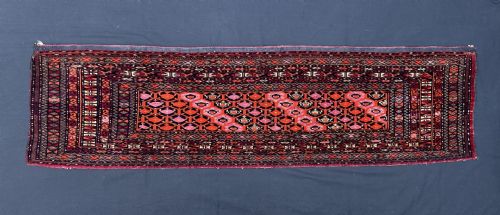
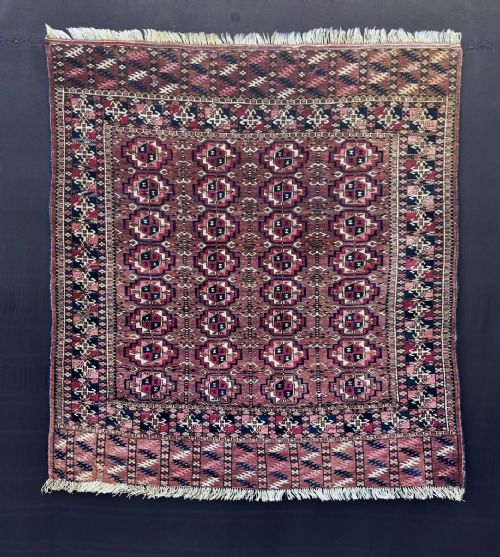
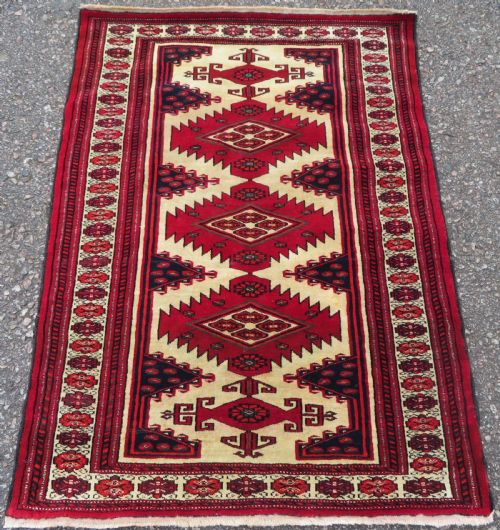
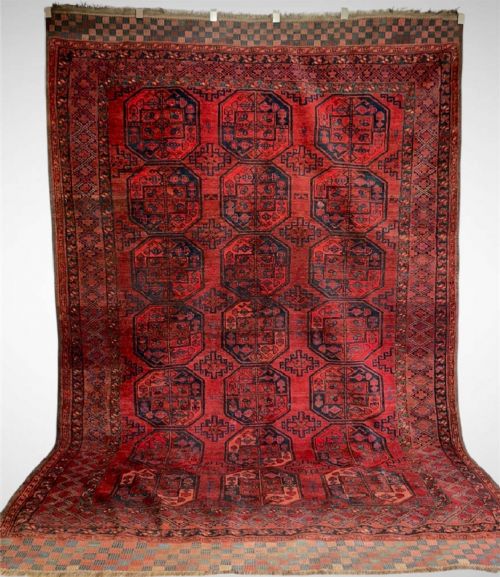
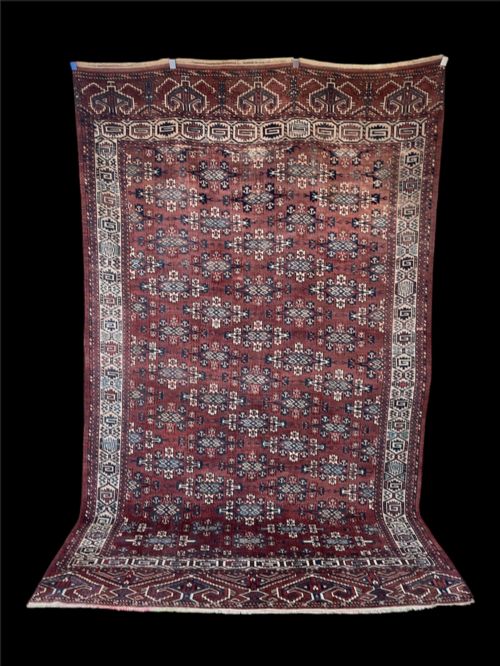
These traditional turkmen rug examples are tribal and nomadic textile works driven by distinctive gul motifs and rich red wool work.
Traditional Turkmen Rug
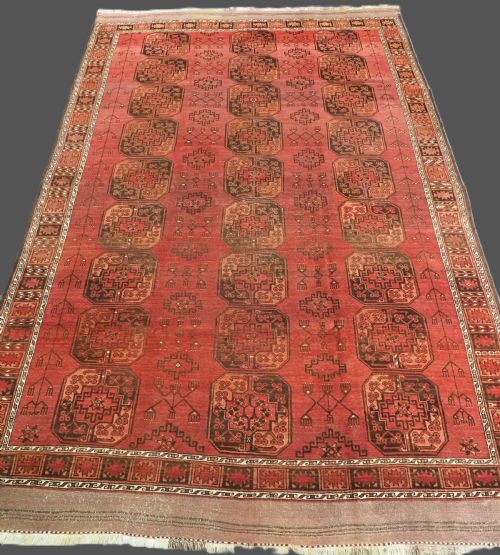
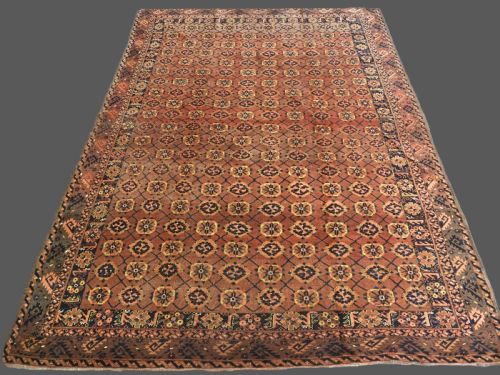
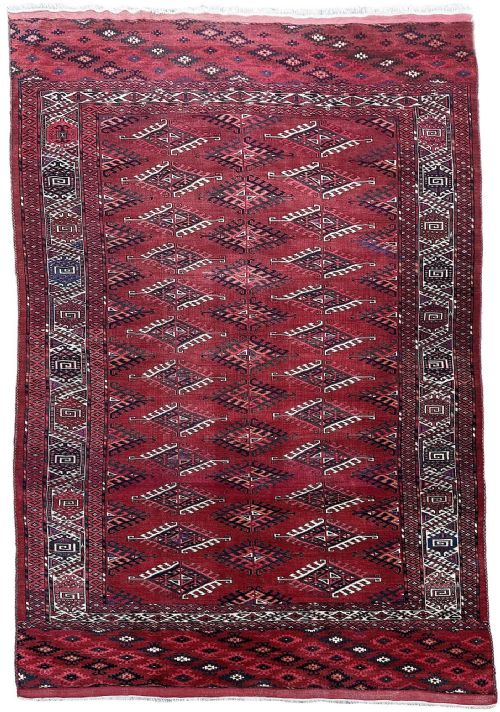
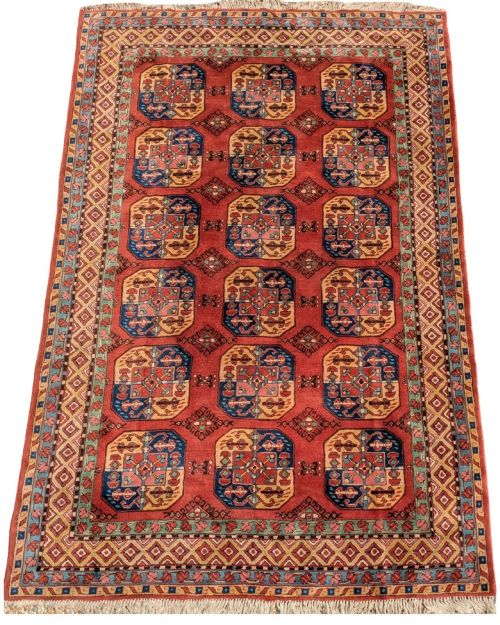
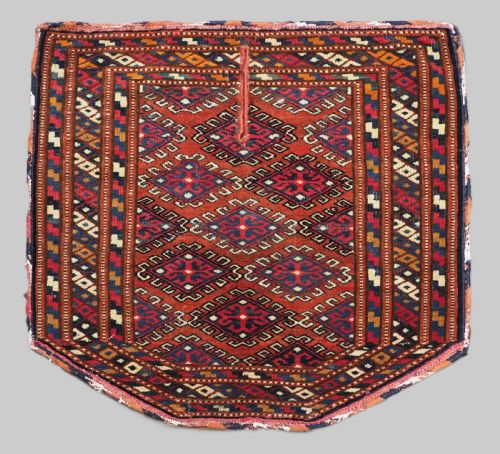
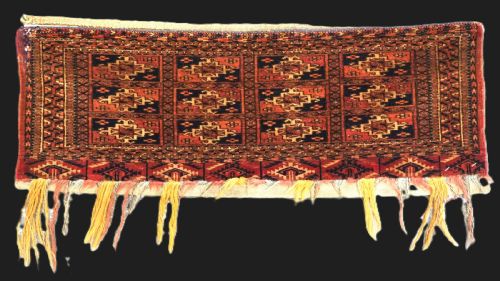
The visual identity relies heavily on repeating gul motifs, turreted patterns, and double tree elem designs woven by Turkmen groups including the Yomut, Tekke, and Ersari peoples, alongside related Afghan village work. These textiles served both practical nomadic functions and ceremonial roles within tribal life, such as wedding rugs and storage bags.
Most examples date from around eighteen eighty to nineteen twenty, reflecting a period of traditional village and tribal production before commercial industrialisation altered the craft. Buyers encounter both pile-woven carpets and flatweave kilims, each displaying distinct structural traits tied to their specific tribal origins.
Materials and construction
Every piece recorded in the evidence is constructed entirely from wool, utilising the natural material for both foundation warps and surface pile. This pastoral material provides the dense, durable surface necessary for nomadic life.
Weaving techniques range from traditional pile knots to flatweave soumak and plain weave structures. Artisans combined these methods to create specific textile types, such as complete torba bags with plain weave backs and long kilims with diamond designs.
Traditional Turkmen Rug Retail Price Guide 2026
Typical asking prices for traditional turkmen rug among the pieces listed under this phrase on Sellingantiques today, from the lower quarter to the upper quarter. They describe what is for sale here now, not the wider market.
Object forms include pile carpets, flatweave soumak kilims, ensi door hangings, and complete torba bags.
Variations in quality
Quality in a traditional turkmen rug rests on the precision of the tribal design work, such as the clarity of the gul motifs and the complexity of the elem panels. Finer examples maintain crisp geometric execution across the entire wool field.
The preservation of original structural elements, including long kilim ends, complete backs on bags, and balanced proportions, distinguishes superior survivals. Condition and structural integrity across the wool pile and flatweave sections dictate the standing of each piece.
The Traditional Turkmen Rug Glossary
- Gul
- The primary repeating medallion motif found across Turkmen carpets. These octagonal or polygonal stamp-like designs often identify the specific tribal subgroup that made the piece.
- Ensi
- A traditional tribal door hanging used in nomadic tents. These pieces typically feature a characteristic cross-shaped field design dividing the rug into four panels.
- Torba
- A small tent bag used for household storage by nomadic families. They often feature detailed pile fronts accompanied by plain weave backs.
- Soumak
- A flatweave technique where supplementary decorative threads are wrapped over the warp threads during construction. This method produces a textured surface distinct from standard kilims.
- Elem
- The decorative lower panel situated at one or both ends of a rug. In Turkmen weaving, these panels frequently incorporate tree or diamond motifs.
Traditional Turkmen Rug: Frequently Asked Questions
What is a traditional turkmen rug?
A traditional turkmen rug is a wool textile created by tribal weavers using characteristic geometric gul motifs and rich red tones. These pieces include pile carpets, flatweave kilims, and ceremonial tent hangings.
Originating from regions associated with the Yomut, Tekke, and Ersari tribes, these works date primarily from the late nineteenth and early twentieth centuries. They served practical and decorative functions within nomadic communities.
How do I date these rugs?
Dating relies on stylistic analysis, material assessment, and structural traits typical of nineteenth and early twentieth-century tribal production. Pieces from this era show traditional natural dyes and handspun wool construction.
Comparative study of tribal motifs like the turreted gul and structural formats such as the ensi or torba helps place examples within the eighteen eighty to nineteen twenty timeframe.
Where were these rugs made?
These textiles were produced by nomadic and village tribes across Central Asia and surrounding regions. Groups such as the Yomut and Tekke created distinct weaving styles defined by their geography and heritage.
Related village and tribal production also occurred in areas influenced by Afghan and Ersari traditions, resulting in shared design vocabulary across different weaving centres.
How do I care for antique wool rugs?
Antique wool textiles require gentle maintenance, including regular low-suction vacuuming without a rotating brush bar. Keeping them out of direct sunlight prevents the wool fibres and traditional red dyes from fading.
Professional cleaning tailored to antique pile and flatweave carpets ensures the wool structure remains stable over time without damaging the foundation.