


Traditional Turkish Area Rug
A traditional turkish area rug brings historical weave and regional design into a room, offering durability and distinct patterns.
Traditional Turkish Area Rug
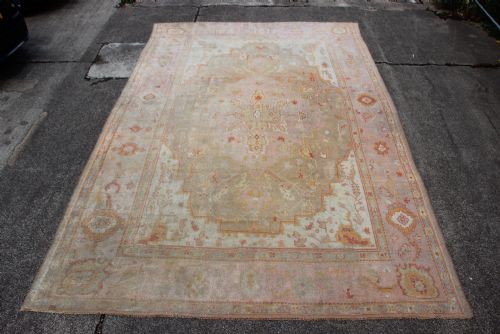
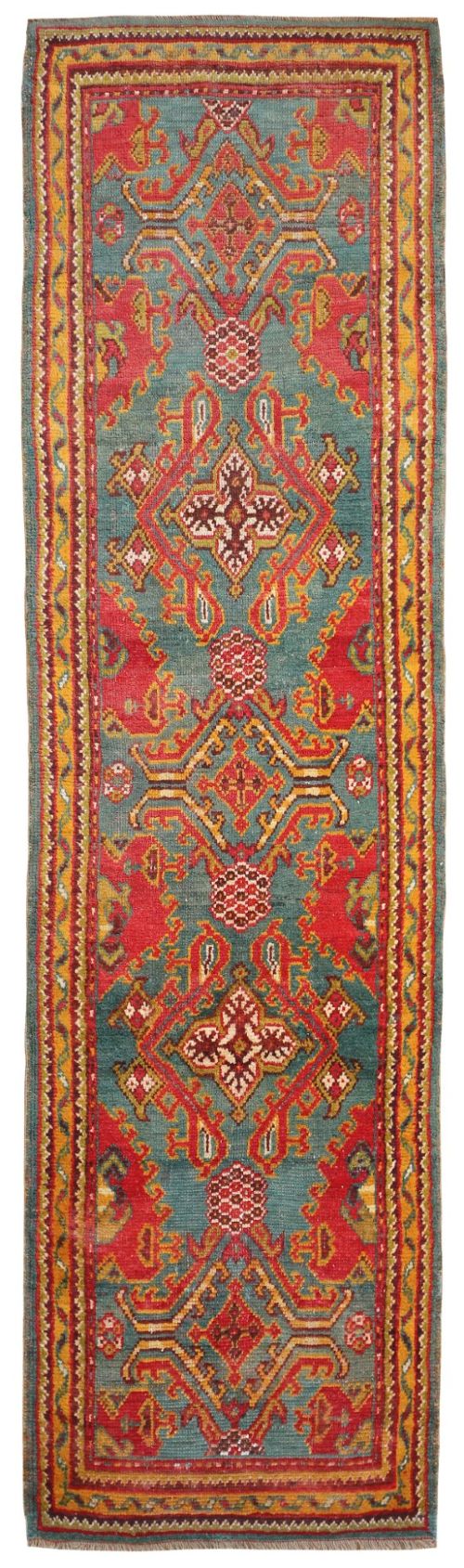
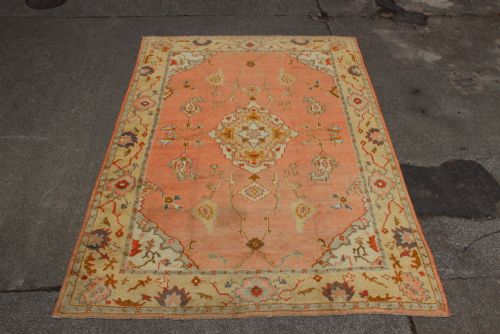
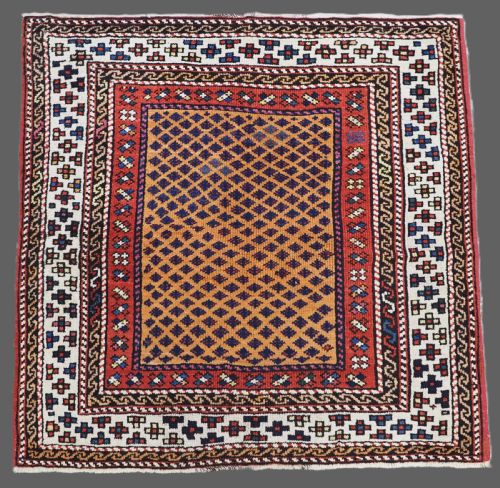
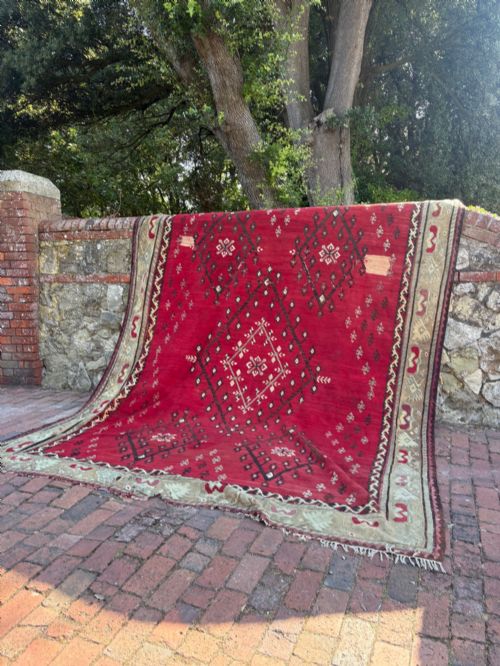
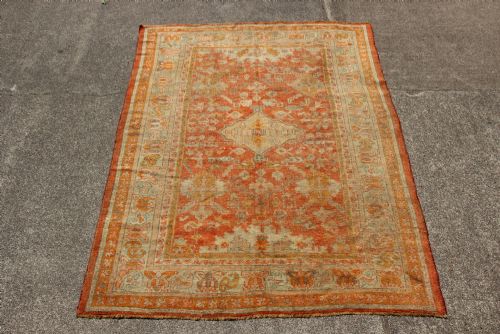
A traditional turkish area rug spans woven floor coverings produced across Anatolia from the eighteenth century through the early twentieth century. These pieces encompass large decorative carpets, compact prayer formats, flatweave kilims, and village runners.
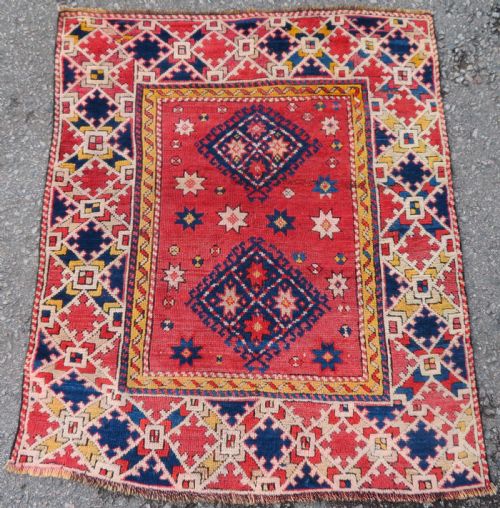
The inventory on this page is dominated by nineteenth and early twentieth century examples, notably Oushak, Ghiordes, Bergama, and Melas productions. Buyers encounter everything from room-sized pale carpets to intimate village formats carrying Ottoman and Anatolian tribal designs.
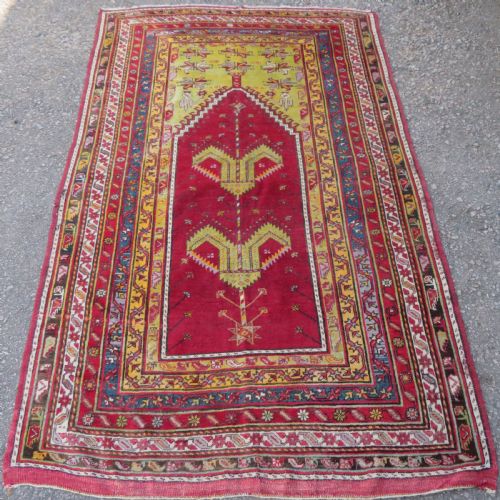
Regional types dictate the visual vocabulary, separating city workshops from village looms. Prayer rugs feature specific architectural niches, while larger formats display expansive floral or geometric fields.
How they were made
Materials rely primarily on natural fibres, combining wool, cotton, silk, and hand-spun wool for foundations and pile. Weavers utilised wool for durability across both village and workshop pieces.
Construction techniques include hand-knotting and flatweaving methods passed through generations. Artisans employed natural dye traditions to colour the wool, creating the faded and patinated grounds seen today.
Traditional Turkish Area Rug Retail Price Guide 2026
Typical asking prices for traditional turkish area rug among the pieces listed under this phrase on Sellingantiques today, from the lower quarter to the upper quarter. They describe what is for sale here now, not the wider market.
Geographic attributions include Oushak, Ghiordes, Bergama, Kirsehir, Melas, Ladik, and Yahyali.
What varies in quality
Quality rests upon the fineness of the knotting and the integrity of the materials. Dense knot counts in regional works provide structural longevity, while looser weaves permit more relaxed village designs.
The depth and nuance of colour distribution shape the visual success of a piece. Tonal transitions and the balance of natural dyes separate master workshop carpets from standard utility production.
The Traditional Turkish Area Rug Glossary
- Oushak
- A significant weaving centre in western Anatolia known for large-scale decorative carpets. These pieces typically feature soft palettes and oversized floral motifs.
- Prayer Rug
- A format defined by a central mihrab or arch design indicating the direction of prayer. These rugs were traditionally used for personal devotion in domestic spaces.
- Kilim
- A flatweave textile produced without a pile by tightly interweaving warp and weft threads. These rugs offer geometric patterns and lighter weights than knotted pile examples.
- Mihrab
- The arched niche depicted on prayer rugs, representing the direction of Mecca. Its shape varies distinctly between regional workshops and village traditions.
- Warp
- The vertical threads stretched tightly on the loom that form the structural foundation of the rug. Fringe ends typically consist of the exposed warp threads.
Traditional Turkish Area Rug: Frequently Asked Questions
How do I identify a village rug?
Village pieces display bolder geometric motifs and spontaneous colour choices that reflect local weaver traditions rather than standardised workshop cartoons.
These rugs often carry irregularities in symmetry and format, marking them as individual domestic creations rather than commercial exports.
What is the difference between a carpet and a prayer rug?
Carpets are large-scale floor coverings designed for central room placement with all-over field patterns. Prayer rugs are smaller formats featuring a distinct architectural arch or mihrab design.
While carpets anchor a sitting area, prayer rugs were historically utilised for specific devotional acts and intimate spaces.
How should I care for an antique rug?
Protect the textile by vacuuming gently without a rotating brush head and using a breathable rug underlay. Professional specialist cleaning ensures the natural wool pile and dyes remain stable.
Avoid placing these pieces in direct, harsh sunlight to preserve the soft patinated tones of the natural dyes.
How do regional styles differ?
Oushak productions favour expansive floral designs and muted palettes suitable for grand interiors. Bergama and Melas pieces showcase heavier tribal geometry and saturated village colour schemes.
Anatolian traditions vary by district, allowing collectors to trace specific weaving traits to towns across the region.