


Traditional Timber Side Table
A traditional timber side table brings warmth and utility to a room, offering sturdy surfaces forged from mahogany, pine and elm across centuries of design.
Traditional Timber Side Table
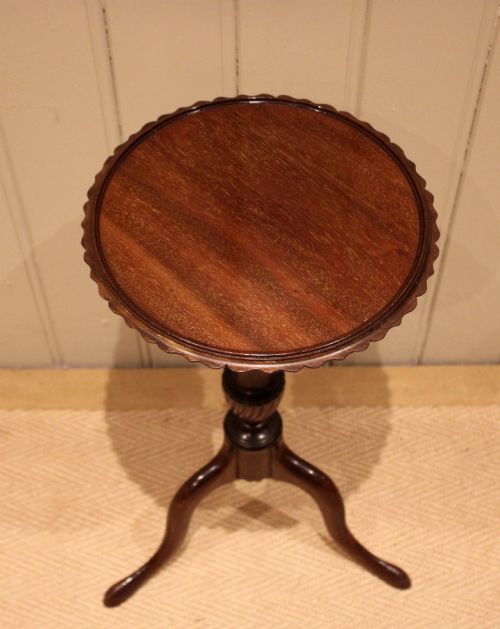
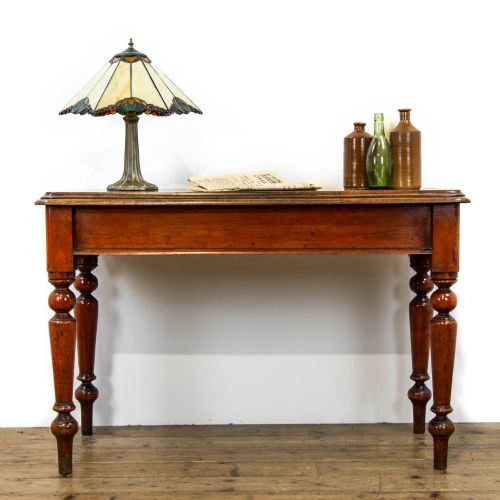
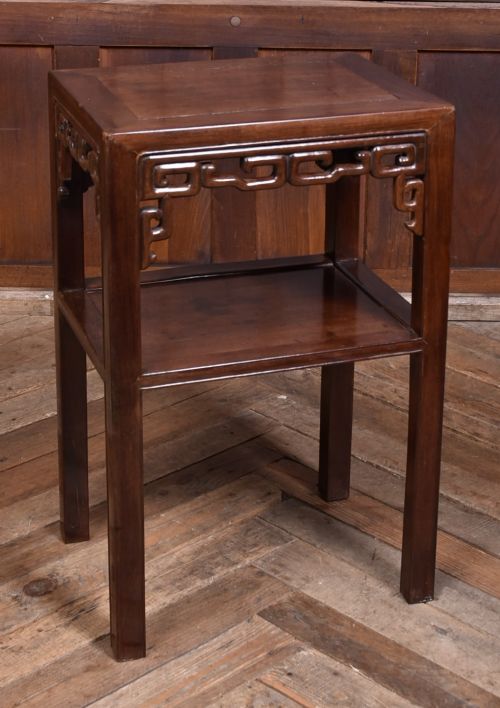
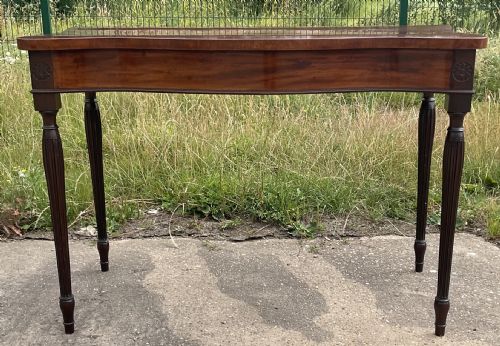
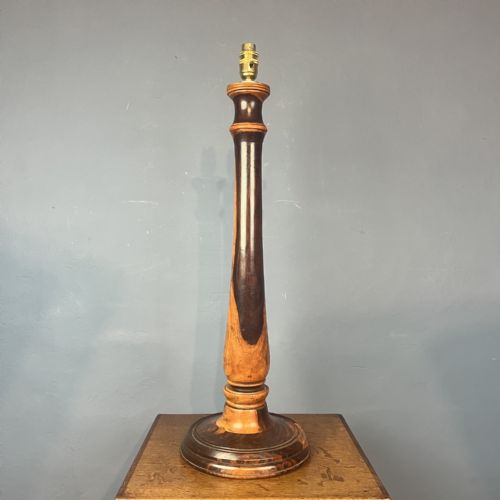
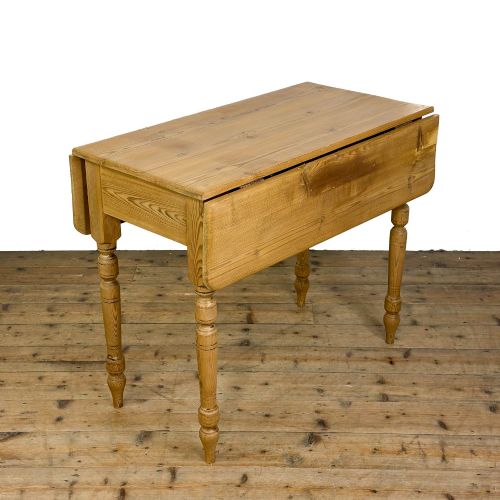
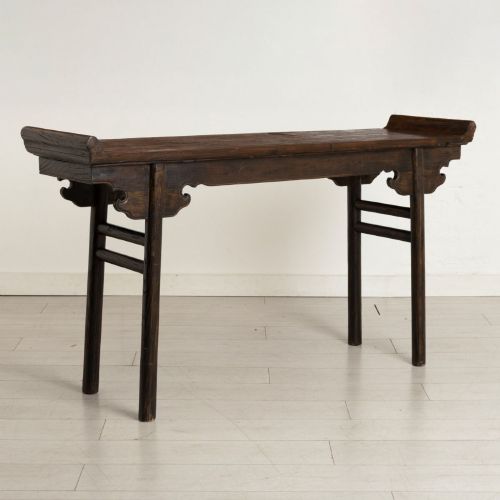
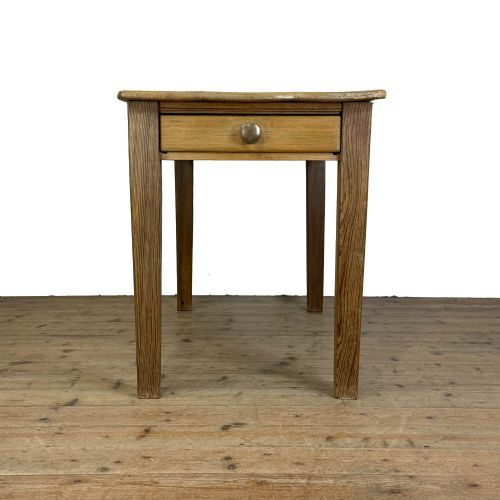
A traditional timber side table encompasses a broad family of compact furnishings designed for practical daily use, ranging from Georgian night cupboards and Victorian console tables to Edwardian wine tables. Buyers encounter these versatile pieces in domestic spaces where surface area is needed without bulk, often taking the form of occasional tables, lamp tables or low tables.
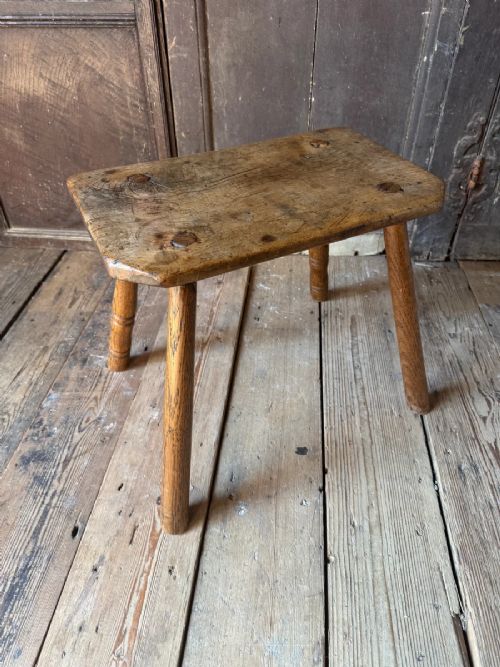
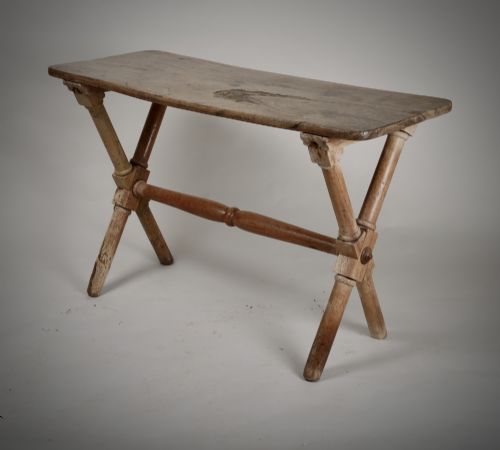
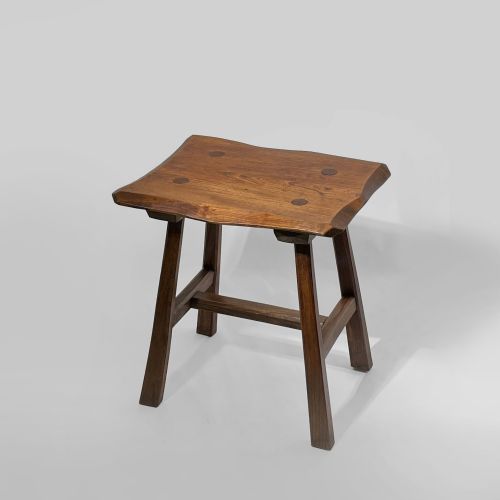
The selection draws on multiple historical periods, with pieces originating from the eighteenth century, the Victorian era and the early twentieth century. Alongside formal mahogany specimens, the range includes rustic country and vernacular elm or pine items that reflect simpler domestic traditions.
How they were made
Cabinet makers utilised dense hardwoods such as mahogany and walnut for formal designs, applying polished finishes that highlighted natural grain patterns. Regional vernacular makers turned to accessible regional timbers like elm, ash, sycamore, pine and fruitwood.
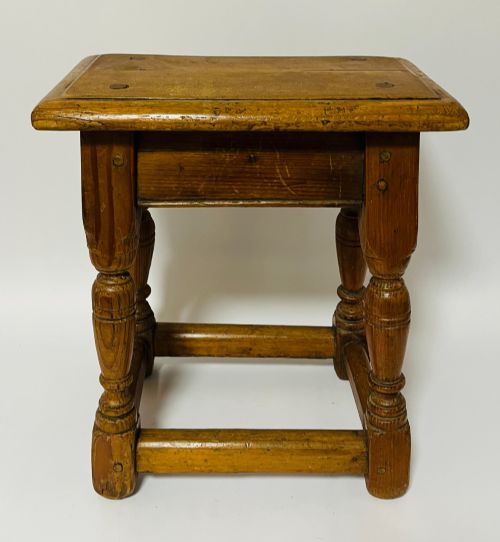
Joinery techniques matched the intended function, employing sturdy joints for kitchen tables and joint stools, while finer items incorporated turned legs, drop leaves or brass fittings.
Traditional Timber Side Table Retail Price Guide 2026
Typical asking prices for traditional timber side table among the pieces listed under this phrase on Sellingantiques today, from the lower quarter to the upper quarter. They describe what is for sale here now, not the wider market.
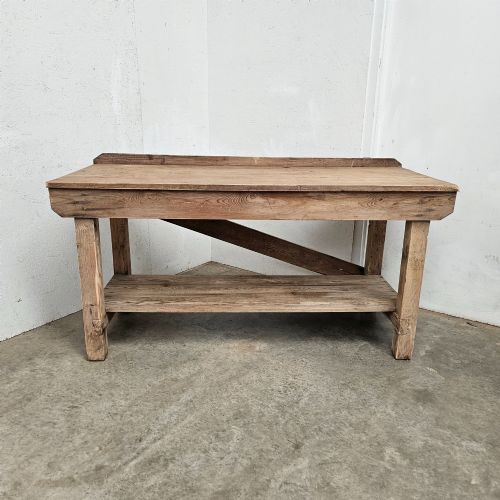
The inventory combines formal Georgian and Victorian console tables with rustic vernacular cricket tables, joint stools and potters' benches.
What varies in quality
The degree of refinement in timber selection dictates the overall character, separating plain utilitarian items from highly figured walnut or polished mahogany pieces with serpentine fronts. Construction detail also varies, distinguishing straightforward pegged joints in rustic elm from sophisticated cabinet work.
Proportion and surface preservation heavily influence desirability, as untouched patination on older painted or polished wood carries greater integrity than heavy modern restoration.
The Traditional Timber Side Table Glossary
- Console table
- A table designed to stand against a wall, frequently featuring a decorative front or serpentine shape. These pieces often served formal entertaining rooms.
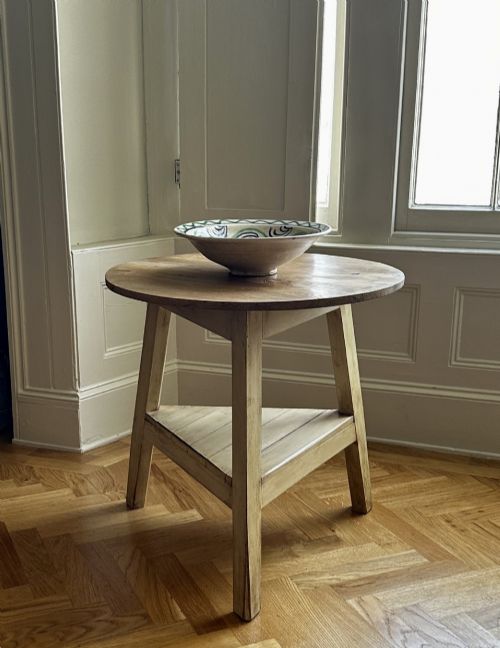
- Cricket table
- A small, lightweight round table supported by three legs, historically used in vernacular settings. The design prevents wobbling on uneven stone or timber floors.
- Lowboy
- A small eighteenth-century dressing table or side table featuring drawers beneath the surface. They typically stand on slender cabriole or straight legs.
- Pembroke worktable
- A small table with hinged flaps on either side that can be raised or lowered. They often incorporate drawers and served multiple domestic functions.
- Vernacular
- Objects made by regional craftspeople using local materials to satisfy everyday domestic needs rather than following metropolitan high-style fashions.
Traditional Timber Side Table: Frequently Asked Questions
Where should I place a side table?
These compact pieces fit naturally beside seating in a living room or function as a surface for lamps and books in a hallway. Their modest scale allows them to occupy small wall spaces without crowding a room.
Dining spaces and bedrooms also benefit from these tables, where they can serve as night stands or auxiliary serving surfaces during meals.
How do I care for antique timber?
Keep wooden surfaces away from direct heat sources and strong sunlight to prevent the timber from drying out or splitting over time. Regular dusting with a soft, dry cloth maintains the surface.
Applying a traditional beeswax polish occasionally helps nourish older woods like mahogany and elm without building up heavy chemical residues.
What distinguishes Georgian from Victorian tables?
Georgian tables, dating from the eighteenth and early nineteenth centuries, generally favour restrained classical proportions and fine mahogany or fruitwood construction. They often display subtle carving and elegant tapered or cabriole legs.
Victorian pieces from the later nineteenth century frequently embrace heavier proportions, richer dark finishes and more robust utility, reflecting industrial manufacturing shifts and changing domestic habits.
Are rustic tables practical for daily use?
Rustic elm and pine tables are built for utilitarian service, making them resilient additions to modern kitchens and busy hallways. Their straightforward construction handles everyday bumps and handling well.
Working surfaces finished with historic paint or natural wax develop a resilient character that absorbs the marks of daily habitation gracefully.