
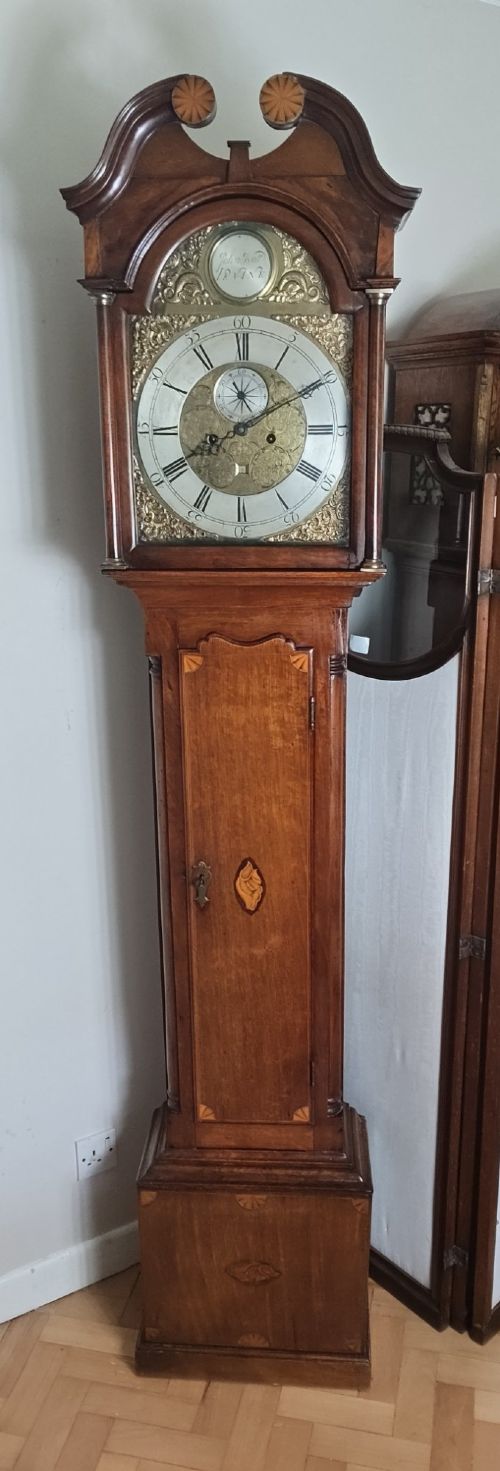
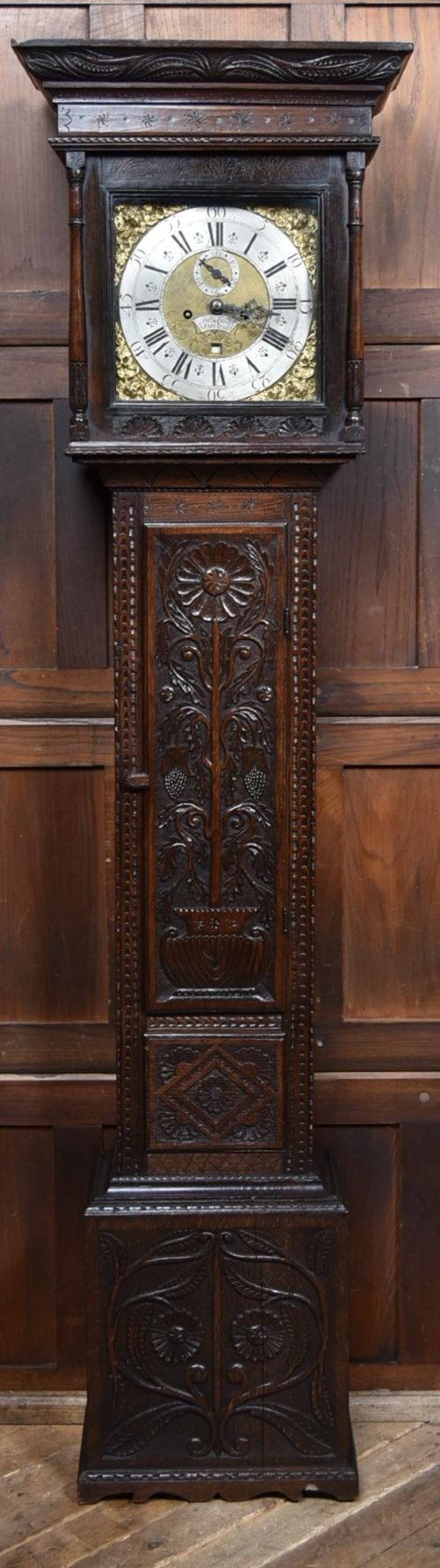
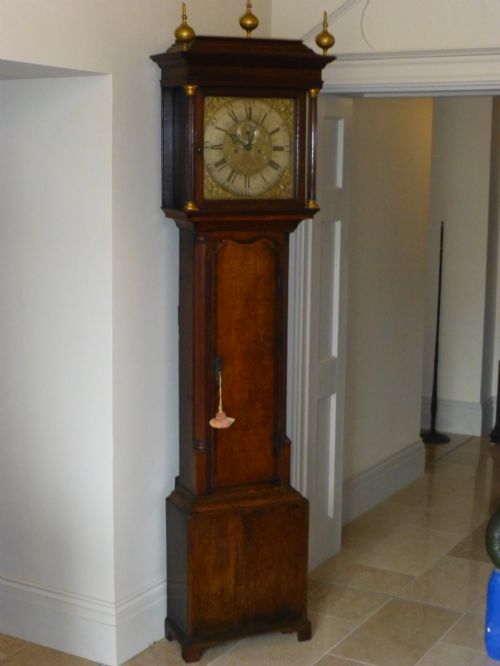
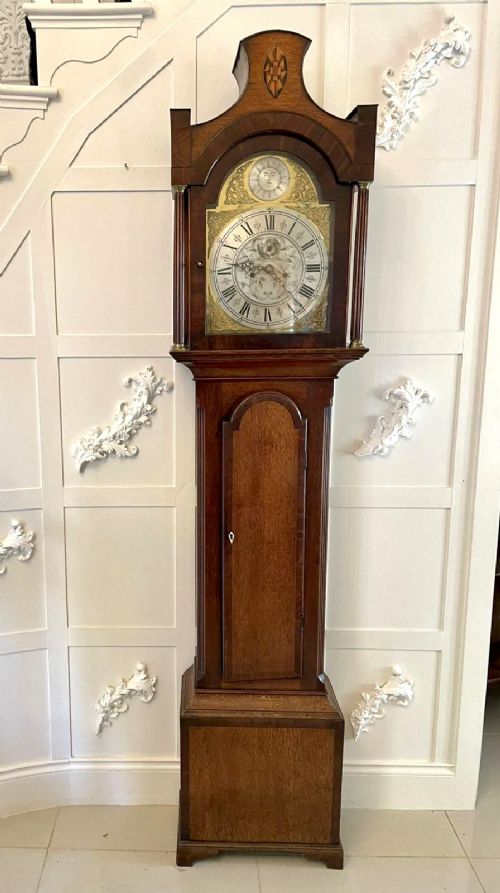
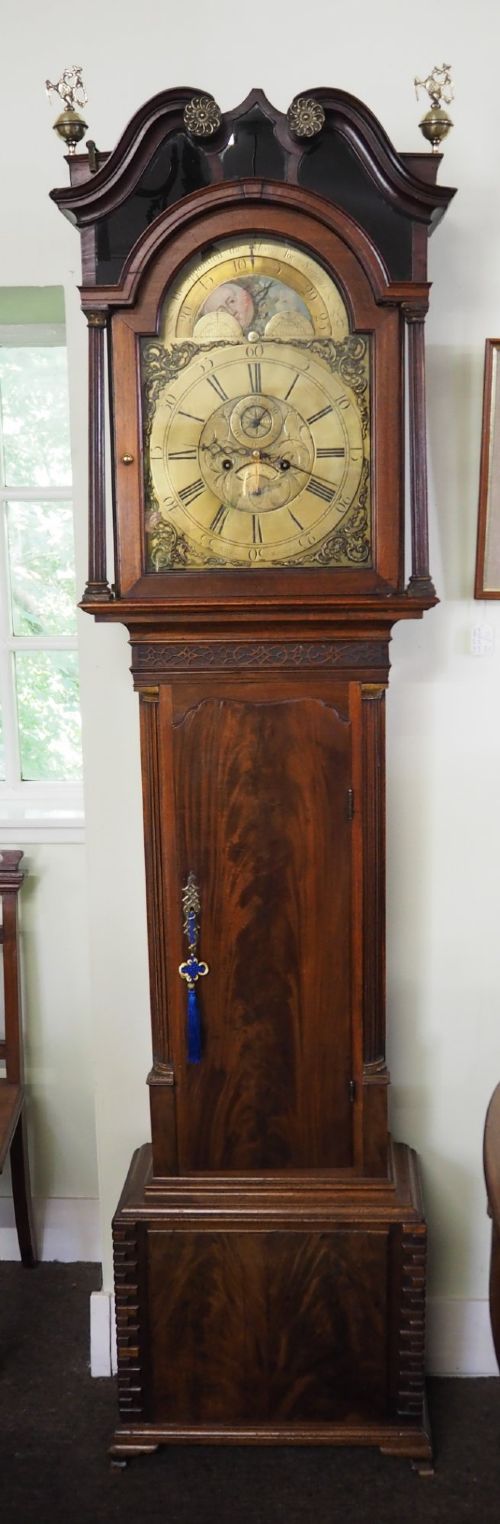
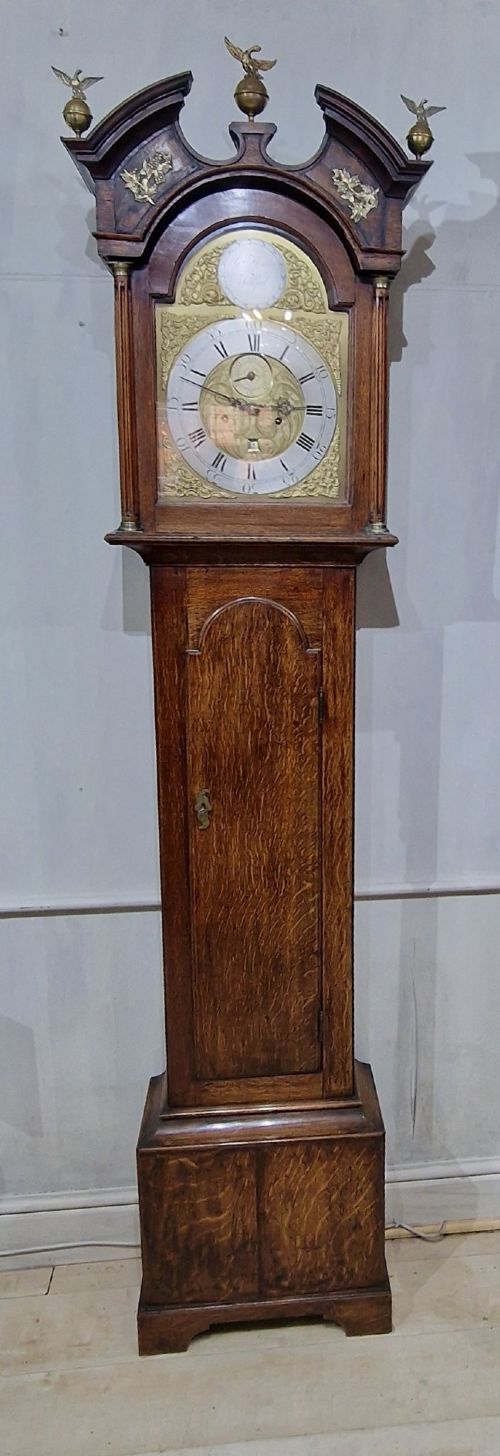
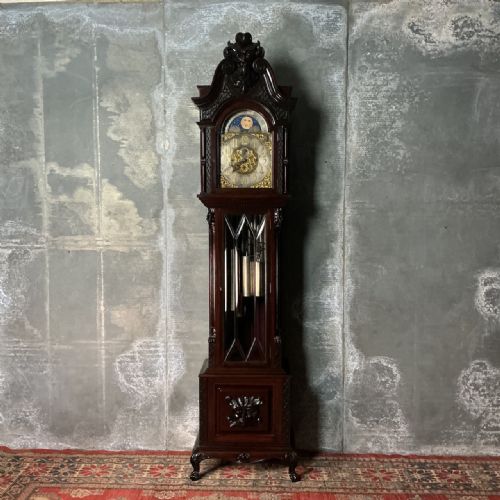
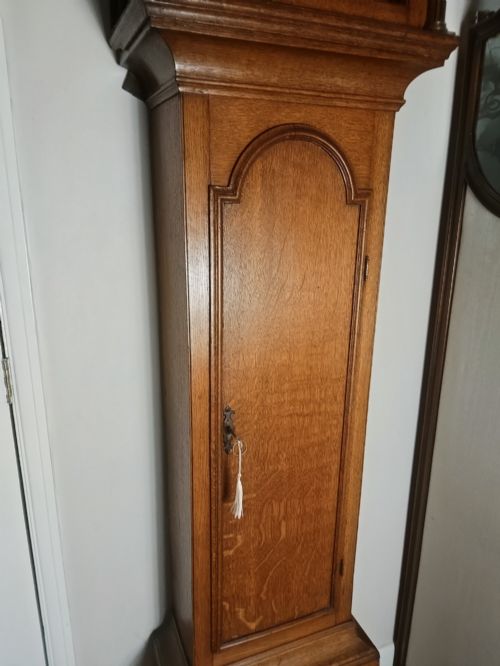
Traditional Tallcase Clock
A traditional tallcase clock anchors a room with its steady mechanical rhythm and dignified height.
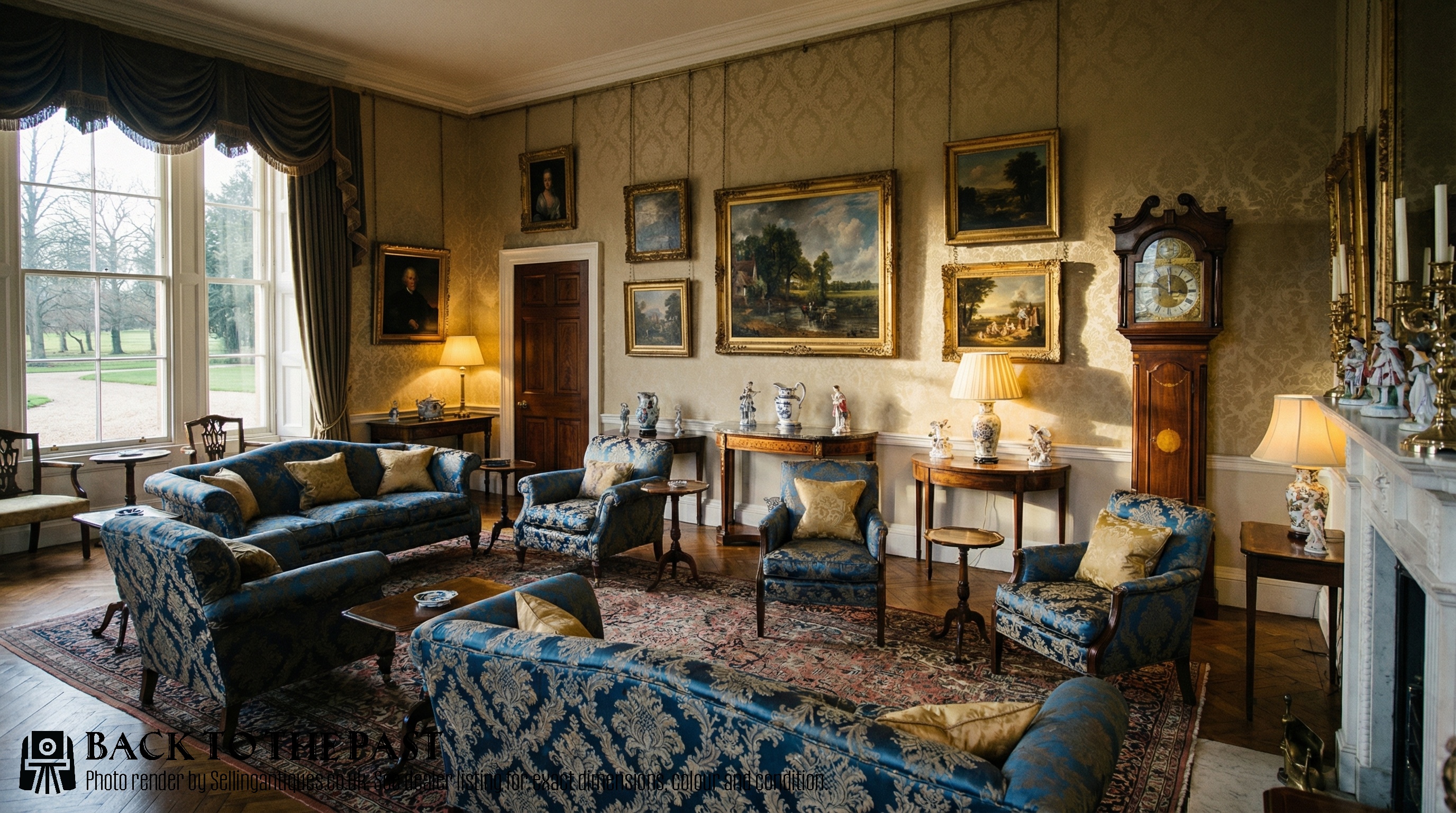
What traditional tallcase clocks are
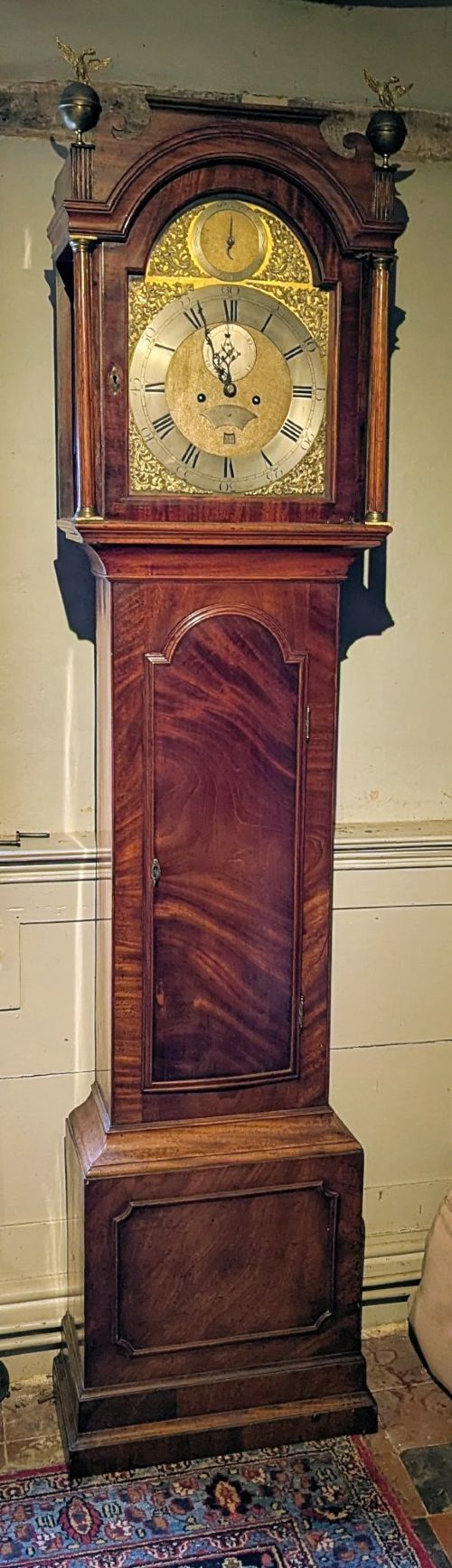
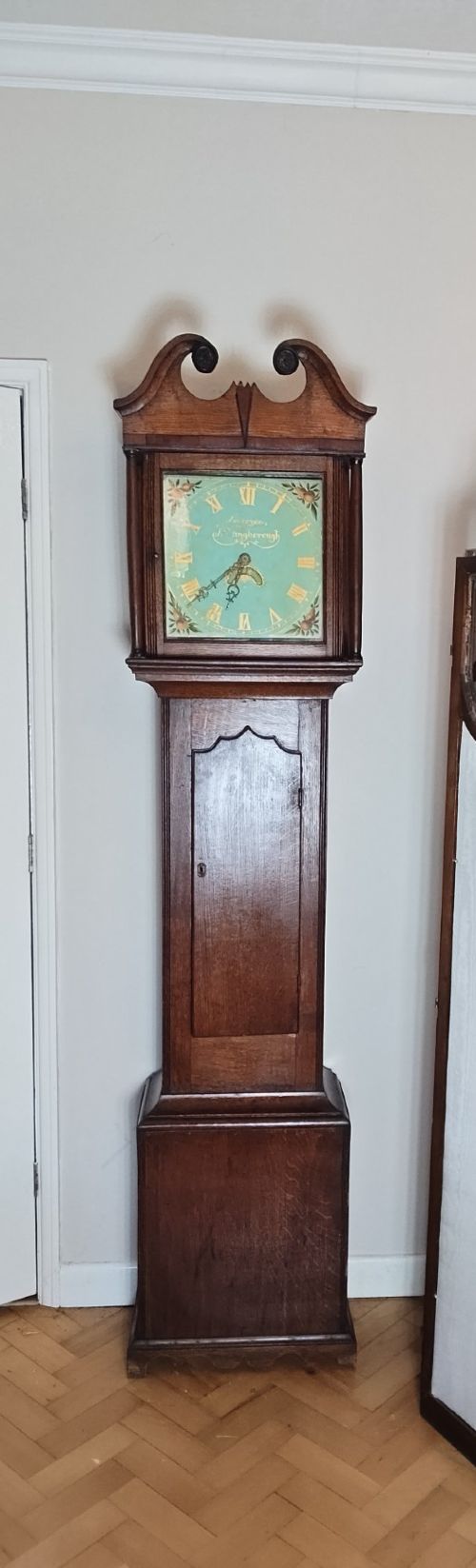
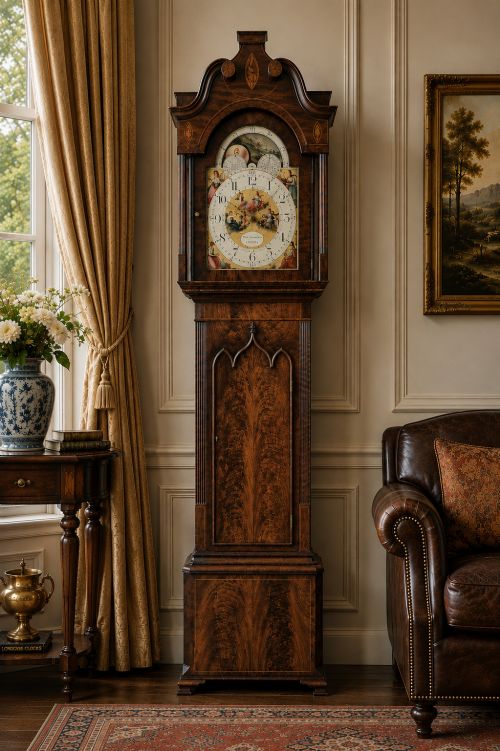
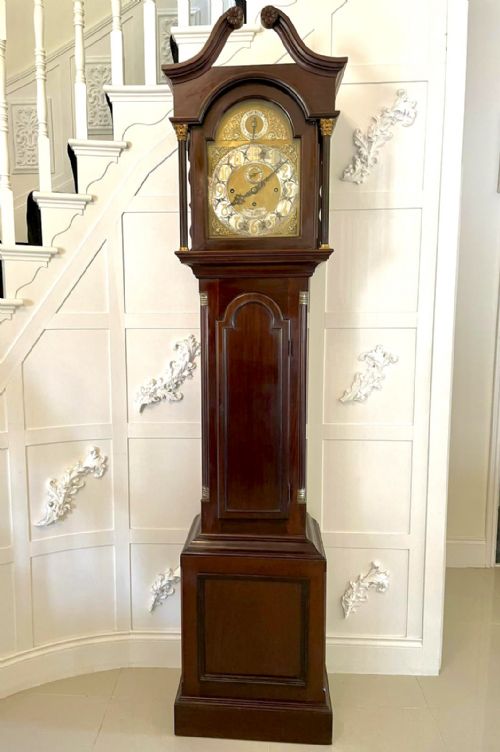
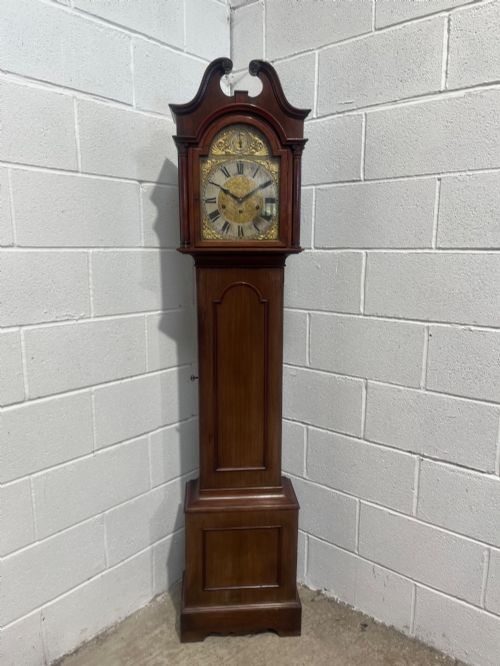
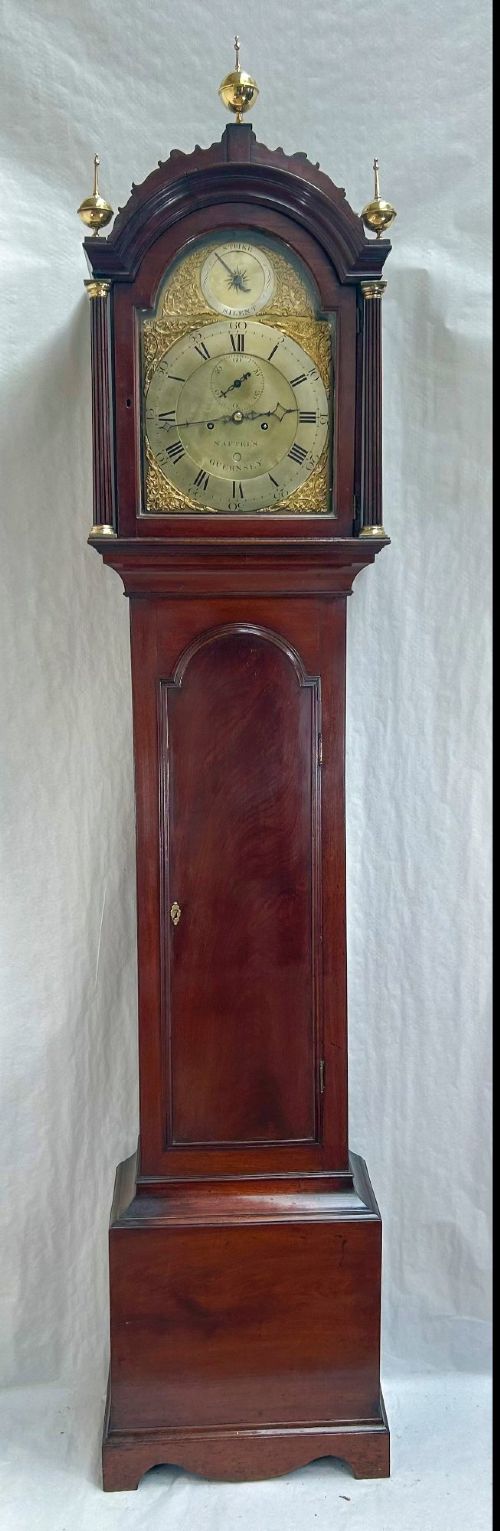
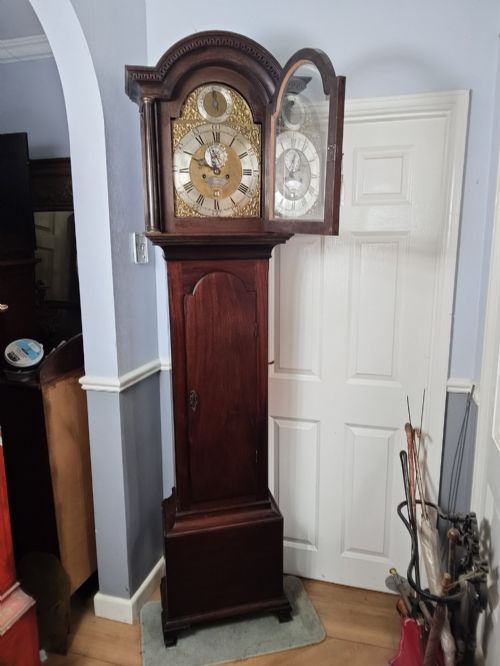
When you search for a traditional tallcase clock, you encounter upright timepieces designed to house weights and pendulums within a tall wooden trunk. These vertical floor clocks appear in forms commonly called longcase, grandfather, or grandmother clocks.
The selections available here span several distinct periods, ranging from early eighteenth-century examples up to twentieth-century revivals. Pieces take various structural proportions, including smaller or quarter-chiming variants from the Georgian and Edwardian eras as well as the 1930s.
How they were made
Cabinetmakers constructed the tall wooden trunks using timber frames of mahogany, oak, walnut, and burr walnut, frequently embellishing surfaces with satinwood inlay. Glass glazed the dial doors to protect the face while permitting a clear view of the time.
The mechanical movements incorporated brass components alongside complex striking and chiming trains, including twin fusee configurations. Makers mounted engraved or polished metal dials within the hoods above the main trunk bodies.
Retail Price Guide 2026
Typical UK retail prices for traditional tallcase clock, calculated from the Sellingantiques database of over a million retail prices indexed since 2003. This retail price guide relies exclusively on Sellingantiques data; no external sources or auction records are used, so the figures do not describe the wider market.
Listings feature mahogany, oak, walnut, burr walnut, and glass across Georgian, Queen Anne, Georgian Revival, and Edwardian styles.
What varies in quality
Distinction across the range rests upon the choice of cabinet timbers and the intricacy of the movement. Examples utilising burr walnut and refined inlay display a higher degree of initial craftsmanship than simpler domestic variants.
The sophistication of the internal mechanism separates standard timepieces from advanced quarter-chiming or musical longcase clocks. Superior execution is evident in the harmonious integration of the dial, movement, and proportioned wooden case.
Henry Massy
The Traditional Tallcase Clock Glossary
- Longcase clock
- A tall pendulum clock housed in a protective wooden case standing directly on the floor. These instruments are frequently known colloquially as grandfather or grandmother clocks.
- Burr walnut
- A highly figured wood veneer harvested from walnut tree growths, valued for its swirling grain patterns. Cabinetmakers applied this decorative material to luxury clock cases.
- Fusee
- A conical pulley used in clock movements to equalize the declining power of a driving spring as it unwinds. This mechanism improves timekeeping consistency throughout the running period.
- Quarter chiming
- A mechanical capability allowing a clock to chime at every quarter hour using multiple bells or gongs. Such advanced trains require intricate gear arrangements within the movement.
Frequently Asked Questions
What is a traditional tallcase clock?
A traditional tallcase clock is a weight-driven pendulum clock enclosed in a tall vertical wooden case. These pieces combine functional timekeeping with substantial cabinet furniture.
They serve as prominent focal points in domestic interiors, historically placed in hallways or principal reception rooms.
How do I tell a grandfather from a grandmother clock?
Grandfather clocks are the standard full-size tallcase clocks, typically exceeding six feet in height to accommodate long drops for heavy weights. Grandmother clocks are noticeably smaller scaled versions.
Both types share the same vertical architecture and mechanical principles but differ primarily in their overall proportions.
What woods were used for these clocks?
Cabinetmakers built these clock cases using native and exotic timbers including mahogany, oak, walnut, and burr walnut. Finer examples often incorporated decorative details such as satinwood inlay.
The choice of timber typically reflects the prevailing stylistic preferences and materials available during the period of manufacture.
How do quarter chiming movements work?
Quarter chiming movements feature supplementary gear trains that activate at fifteen-minute intervals to sound a melody or sequence of notes. These systems use additional hammers and bells or rods.
They represent a more complex mechanical achievement compared to simple time-and-strike movements.