
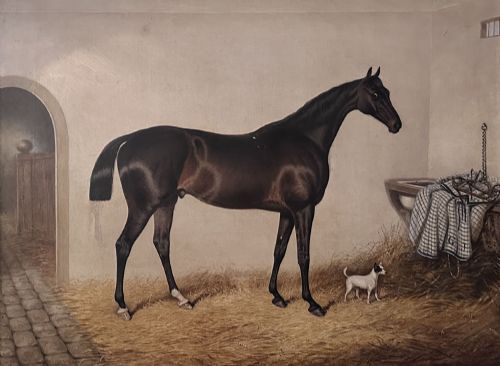


Traditional Sporting Picture
A traditional sporting picture captures the vigour of equestrian life, hounds and field sports through centuries of British artistry.
Traditional Sporting Picture
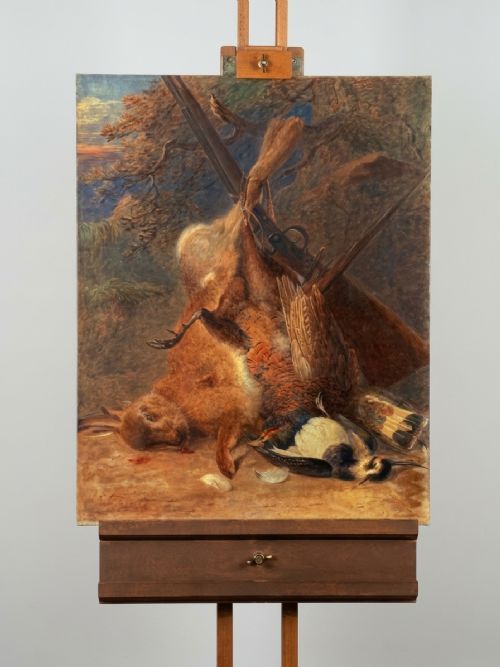
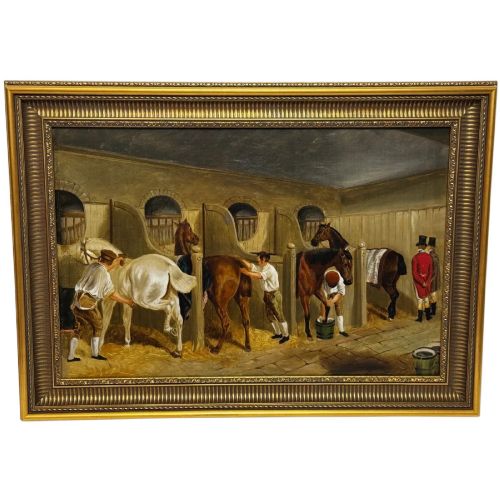
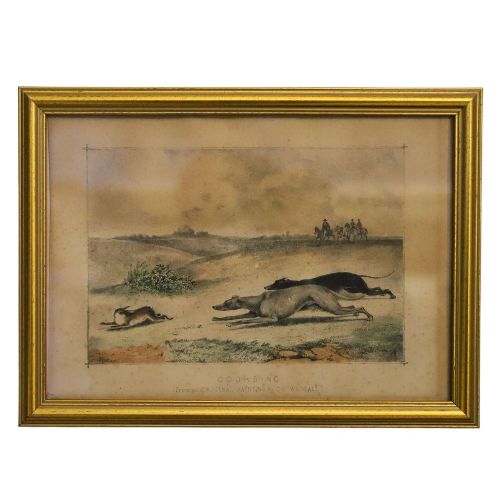
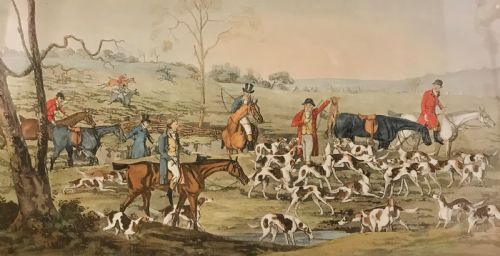
A traditional sporting picture encompasses oil paintings, watercolours, engravings and lithographs dedicated to horses, hounds, hunting scenes and racing subjects. These works document the history of British field sports, from formal equestrian portraits to lively depictions of hunts in full cry.
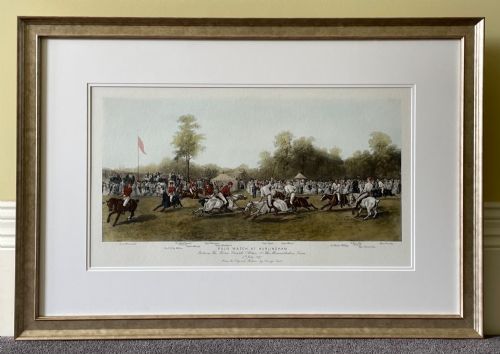
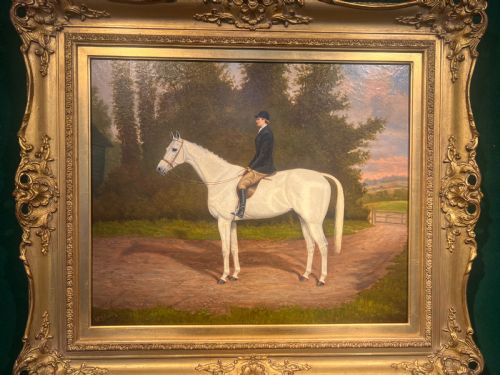
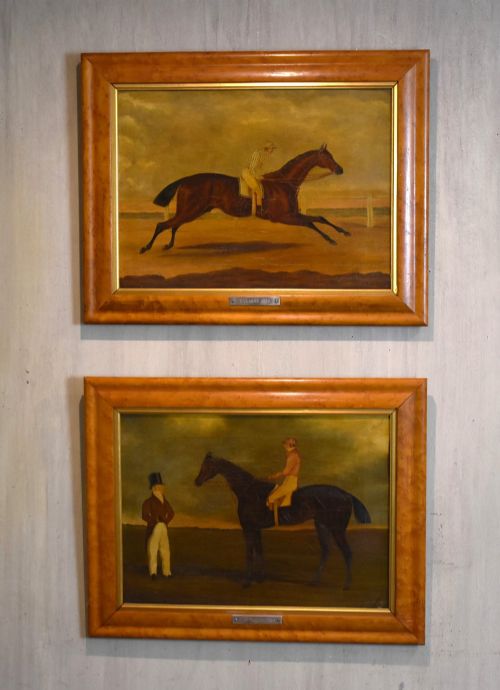
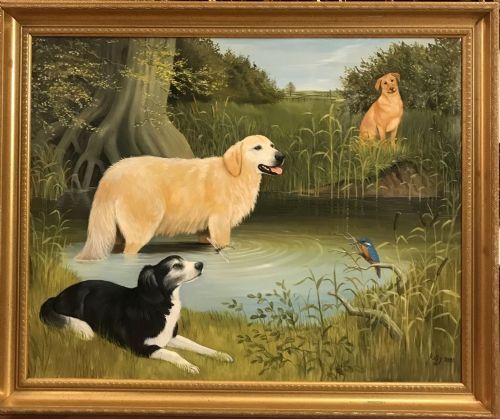
Buyers frequently encounter nineteenth-century canvases and Victorian framed prints depicting hunters, spaniels and famous racehorses with jockeys up. The selection ranges from detailed oil paintings on canvas and pine panel to hand-coloured engravings and lithographs published after established artists.
Many pieces record specific animals and famous chases, linking landowners, trainers and riders to the rural traditions of the Georgian and Victorian eras. These images served to commemorate prized hunters, celebrated racehorses and notable packs of hounds.
How they were made
Artists applied oil paint to stretched canvas or wooden pine panels, building up rich layers to render the musculature of horses and the glossy coats of hounds. Watercolours and bodycolour on paper offered a lighter medium often utilised for field sketches and detailed studies.
Printmakers employed engraving, etching and lithography, frequently adding hand-colouring to finished impressions to emulate the vibrancy of original paintings. These prints utilised gilt wood frames and glass protection to preserve the delicate paper surfaces.
Several depictions capture named spaniels, terriers and racehorses whose individual racing triumphs live on through nineteenth-century pigments.
What varies in quality
Quality rests upon the artist's anatomical accuracy in rendering horses, dogs and human figures during motion. Master painters captured the distinct conformation of a hunter or the intense focus of a spaniel with precise brushwork, whereas lesser hands produced stiff or generic animal forms.
The distinction also lies in the provenance and documentation connecting the artwork to named subjects, recognised painters or period publishers. Original oil paintings by listed artists command greater attention than mass-produced decorative prints or later reproductions.
George Sydney Shepherd·William Albert Clarke·C H Weigall·John Frederick Herring Snr·Benjamin Blake·John Arthur Lomax·Basil Nightingale·William Williams·Edward Lloyd of Ellesmere·Michael Lyne·Charles Faulkner·Colin Graeme Roe·Alfred Wheeler·Abraham Cooper·Samuel Henry Alken·John Sanderson-Wells·Charles Clifford Turner·James Dobie
The Traditional Sporting Picture Glossary
- Lithography
- A planographic printing method utilising a stone or metal plate to produce multiple impressions of an image. This technique allowed publishers to distribute popular sporting scenes widely.
- Bodycolour
- Water-based paint mixed with a white pigment to render it opaque. Artists used this medium to add highlights and solid colour to watercolour paintings.
- Aquatint
- An intaglio printmaking technique that produces tonal effects resembling watercolour washes. It was frequently employed to reproduce atmospheric hunting scenes.
- Eglomise
- The process of applying gold or silver leaf to the reverse side of glass combined with painting. It appeared in decorative framing and commemorative pieces.
- Pine Panel
- A solid wooden board used as a rigid support for oil paintings before stretched canvas became dominant. Eighteenth-century works often utilised this stable base.
Traditional Sporting Picture: Frequently Asked Questions
What subjects define a traditional sporting picture?
These works primarily depict horses, hounds, shooting scenes, horse racing and mounted fox hunts across rural landscapes. They also include portraits of individual hunters, prize-winning dogs and famous racehorses with their jockeys.
Such subjects reflect the sporting interests of the British landed gentry and rural communities during the eighteenth, nineteenth and early twentieth centuries.
How do I identify the age of a sporting print?
Dating relies upon publication dates printed in the margins, paper characteristics and the clothing styles of the figures depicted. Engravings and lithographs often bear the original publisher imprint and publication year near the lower edge.
Frame construction, backing materials and handwritten inscriptions on the reverse further assist in establishing the historical period of the piece.
Were these works painted outdoors or in studios?
Artists typically made preliminary pencil sketches or watercolours in the field during hunts and race meetings to capture accurate poses. They completed the final oil paintings later within the studio environment using these observational studies.
Anatomical precision and firsthand familiarity with horses and hounds were essential skills for these specialist painters.
How should I care for an antique oil painting?
Antique canvases and panels require stable indoor humidity and protection from direct sunlight to prevent paint cracking and fading. Regular dusting with a soft, dry brush keeps the surface clear without introducing moisture.
Original gilt wood frames should be handled carefully to preserve the gold leaf and decorative composition corners.