


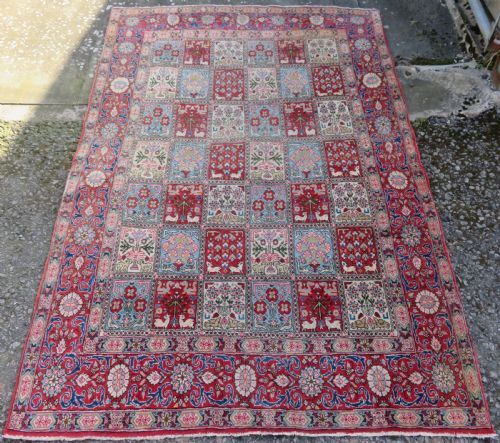


Traditional Silk Area Rug
These traditional silk area rug pieces offer intricate regional motifs and soft tactile piles, bringing lasting elegance and historical depth to a room.
Traditional Silk Area Rug
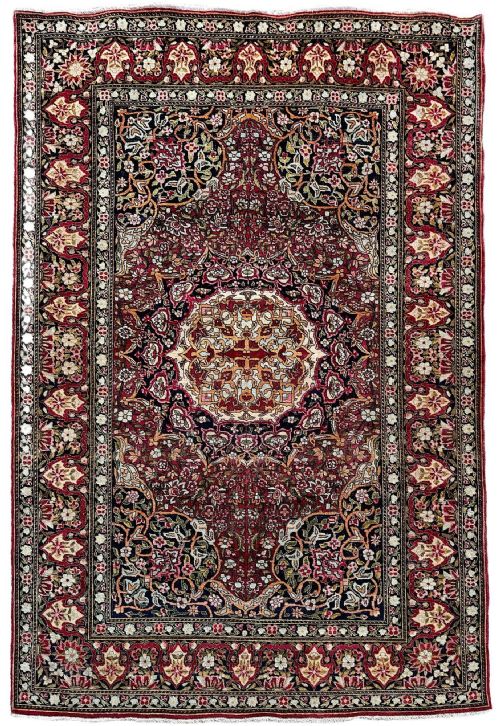
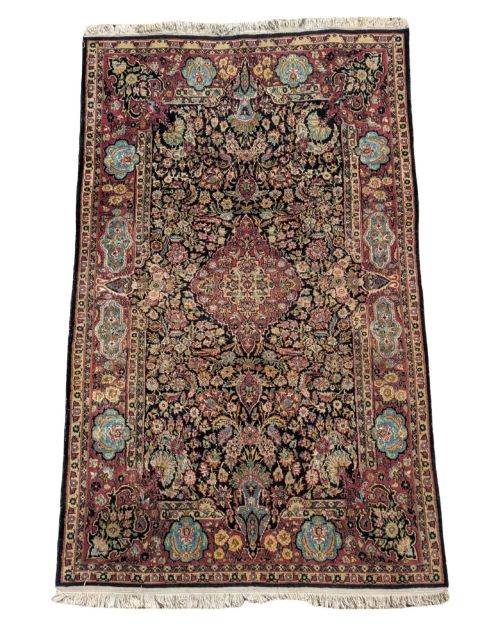
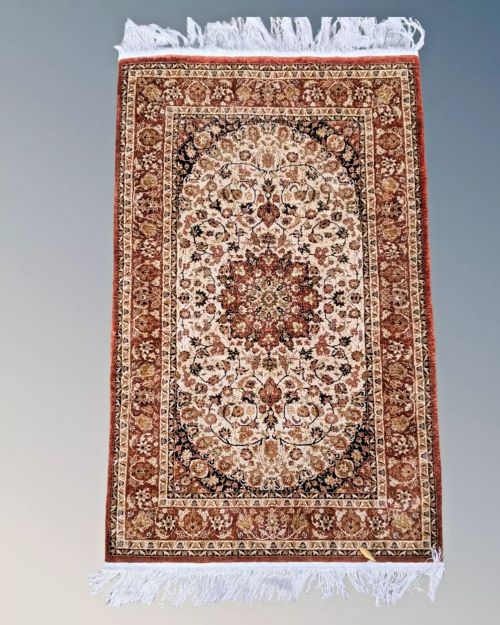
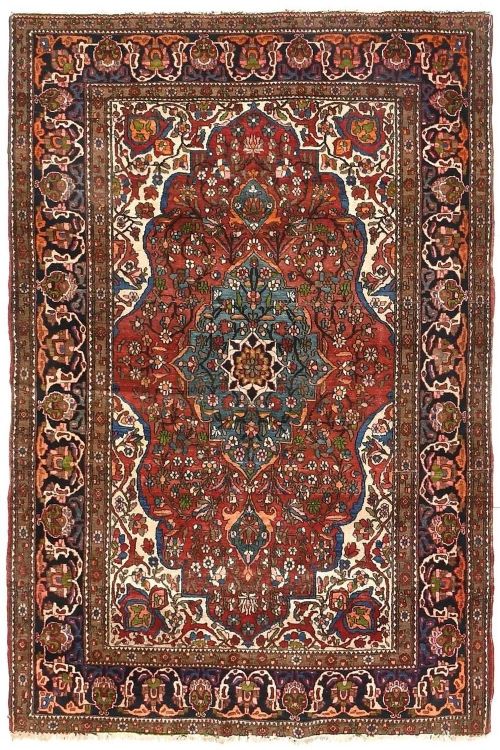
A traditional silk area rug represents centuries of weaving heritage from centres such as Isfahan, Qum, Kashan, Tabriz, and Kayseri. Buyers seeking a traditional silk area rug will encounter room-sized carpets, compact scatter rugs, and niche prayer designs.
The selections span from the nineteenth century into the twentieth century, showcasing regional motifs like central medallions, tile patterns, and repeat florals. Persian and Turkish origins dominate the designs, alongside pieces originating from Kashmir, China, and Bursa.
Materials and construction methods
Weavers constructed these pieces using pure silk, floss silk, and art silk, frequently combining them with wool, cotton, lambswool, or mercerised cotton foundations. Silk highlights were also employed to accentuate specific details within woollen fields.
Makers utilised careful hand-weaving techniques to produce dense knotting and fine foundation structures, allowing for intricate pictorial and geometric details across various formats.
The listings span production dates from eighteen hundred through nineteen thirty, incorporating wool, cotton, silk, and floss silk materials.
Distinctions in execution
Quality separates along the precision of the weave and the complexity of the pile preparation, distinguishing simpler room carpets from exceptionally fine, tightly knotted specimens. The choice of foundation materials, such as a silk foundation paired with lambswool, influences the structural drape and longevity.
The clarity of the regional design, the subtlety of pastel or saturated colour palettes, and the integrity of the prayer mihrabs or border guards mark the distinction between standard commercial output and master workshops.
The Traditional Silk Area Rug Glossary
- Foundation
- The structural framework of warp and weft threads that supports the knotted pile of a rug. Silk foundations offer remarkable strength and flexibility.
- Prayer rug
- A small rug featuring a mihrab design or architectural arch, historically utilised for daily prayer. These pieces often direct the viewer's eye toward a central niche.
- Medallion
- A symmetrical ornamental motif centred in the field of a rug. This central design element is common in Persian and Anatolian weaving traditions.
- Floss silk
- Unspun or loosely twisted silk fibres that yield a soft, lustrous pile. It provides a distinct textural sheen compared to standard spun silk yarns.
Traditional Silk Area Rug: Frequently Asked Questions
How do I care for a silk rug?
Protect the pile from excessive moisture and direct sunlight to preserve the delicate fibres and dyes.
Vacuum gently without a rotating beater brush to prevent snagging the fine silk knots.
Where were these rugs made?
Production centres span across Persia, Turkey, China, and Kashmir, with notable pieces originating from cities like Isfahan, Qum, and Kashan.
Each region developed distinct knotting densities and visual vocabularies that identify their geographic roots.
What is an art silk rug?
Art silk refers to artificial silk materials utilised in place of natural fibres during the weaving process.
These yarns provide a similar visual sheen and smooth texture to traditional pieces.
How do I distinguish regional styles?
Examine the border motifs, medallion shapes, and overall colour palettes against known regional characteristics from Persian or Anatolian traditions.
Details like tile patterns or prayer arches often point directly to specific weaving towns.