



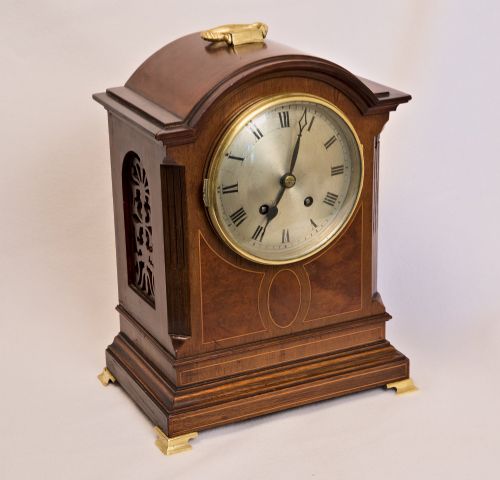
Traditional Shelf Clock
A traditional shelf clock brings timeless mechanical rhythm and rich timber warmth to any mantelpiece.

Traditional Shelf Clock
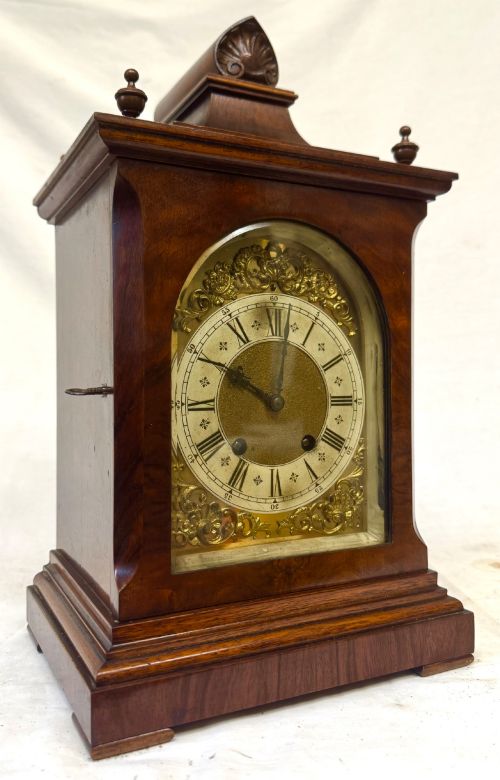
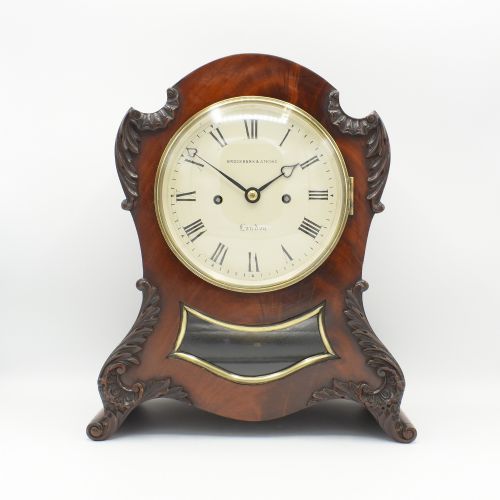
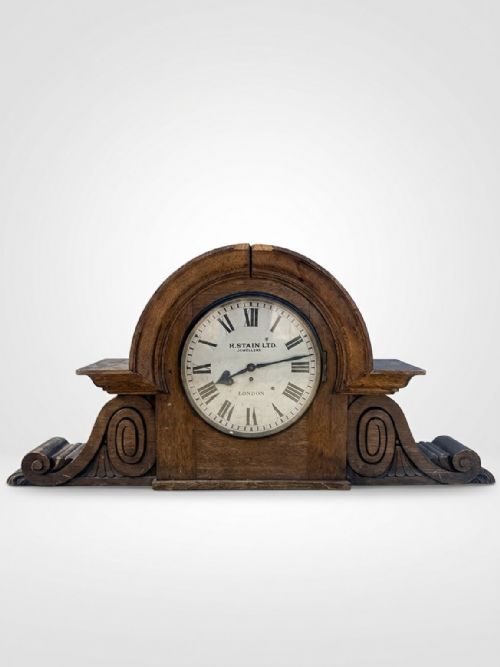
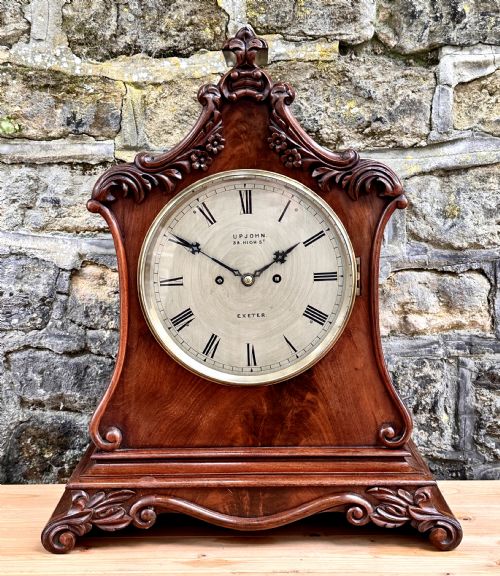
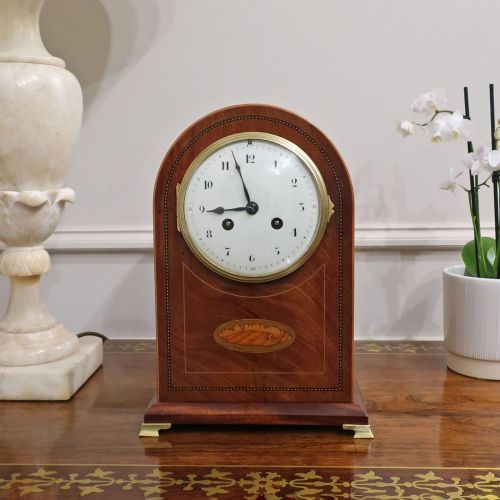
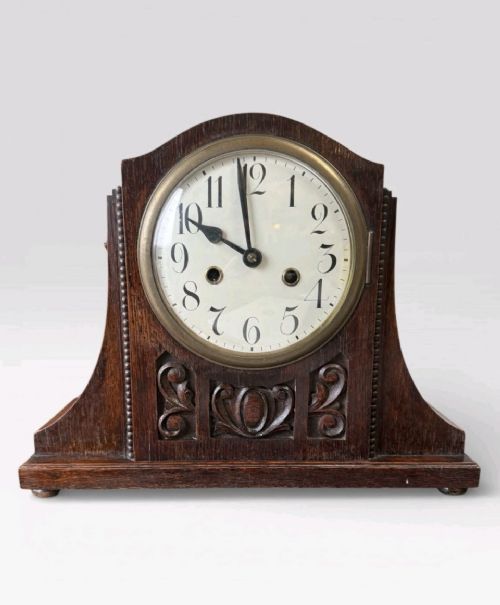
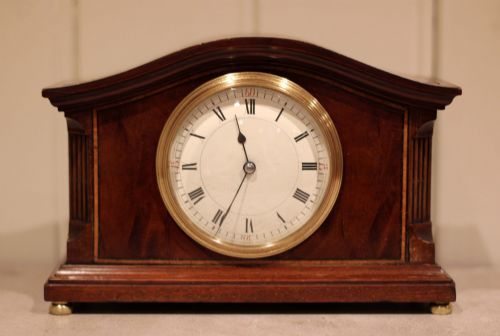
A traditional shelf clock sits neatly on a mantelpiece or bracket, serving both as a functional timekeeper and a striking decorative focal point. These pieces span several distinct eras, including the Georgian, Victorian, and Edwardian periods.
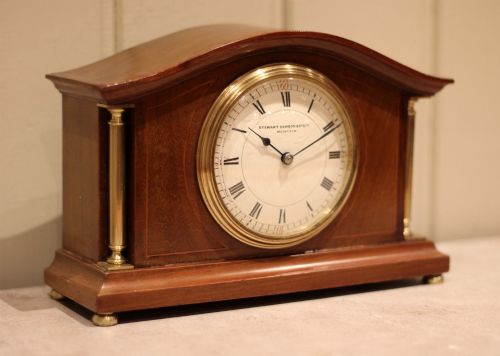
The selections available here primarily take the form of mantel clocks and bracket clocks. These timepieces embody classic design traditions from past centuries, offering reliable mechanical movement housed within decorative cabinetry.
Materials and construction
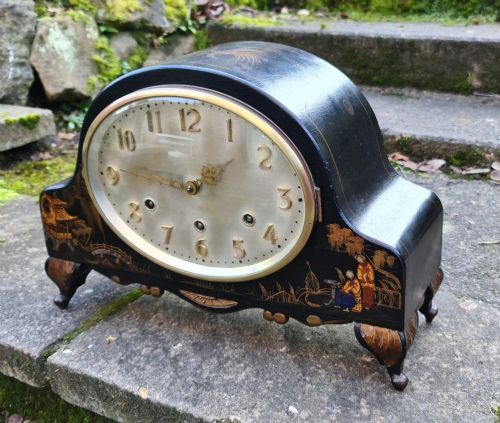
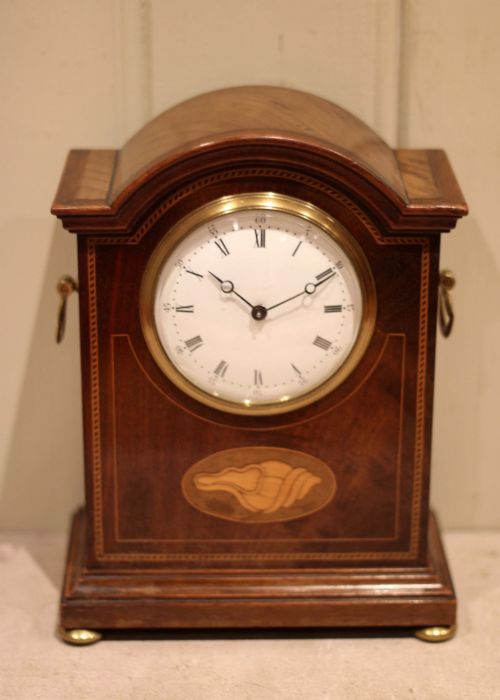
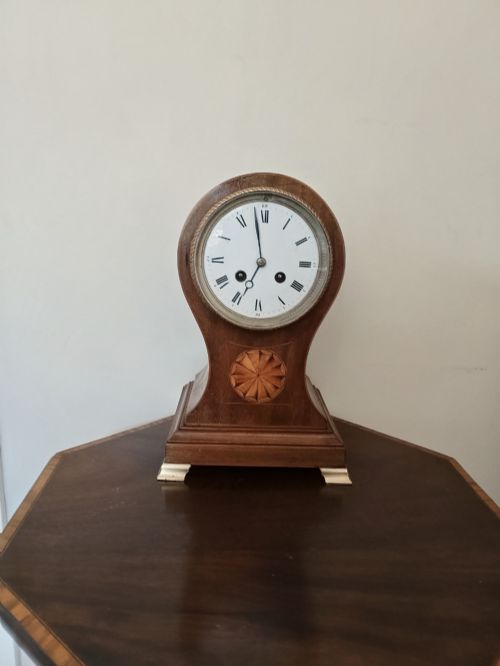
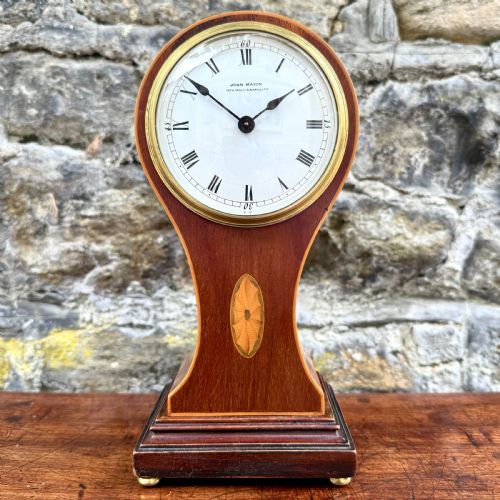
Cabinetmakers constructed these timepieces using rich timbers such as mahogany, often incorporating ebonised wood for striking visual contrast. Artisans also utilised marquetry inlay to add intricate surface decoration to the wooden cases.
The dials and mechanical components feature polished brass and crisp enamel, protected behind glazed doors. Fine metalwork and precision engineering ensured these internal movements maintained accurate time.
Listings feature mahogany, brass, enamel, glass, marquetry inlay, and ebonised wood across Georgian, Victorian, and Edwardian periods.
What separates the finest examples
Quality rests heavily on the finesse of the cabinetwork and the reputation of the maker. Pieces featuring refined marquetry inlay and distinctive brass fittings stand apart from simpler utilitarian timepieces.
The presence of a recognised maker's signature on the movement or dial elevates a piece significantly. Superior horological craftsmanship ensures the clock remains both a mechanical marvel and an artistic achievement.
Piggin Norwich·Desbois And Wheeler
The Traditional Shelf Clock Glossary
- Bracket clock
- A traditional clock originally designed to sit upon a wall bracket, though most now rest securely on a shelf or mantel. These portable timepieces often feature sturdy carrying handles on top.
- Marquetry inlay
- A decorative technique where thin pieces of wood veneer are fitted together to form ornate geometric or floral patterns on the clock case. This meticulous craft requires immense skill from the artisan.
- Ebonised wood
- Timber treated with a special finish to give it the deep, dark appearance of ebony. Victorian cabinetmakers frequently used this method to create sharp aesthetic contrast against lighter brass and mahogany elements.
- Enamel dial
- A clock face made by fusing powdered glass to a metal substrate at high heat, producing a smooth, glossy surface. These faces often display crisp black Roman numerals for clear legibility.
Traditional Shelf Clock: Frequently Asked Questions
How do I wind a traditional shelf clock?
Most mechanical shelf clocks require a key to gently tension the internal springs or lift the driving weights. Care must be taken not to overwind the movement, as this can strain the delicate gear train.
Consulting the specific winding instructions for your clock type ensures the mechanism continues to run smoothly and keeps accurate time without unnecessary wear.
Where should I place a bracket clock?
These timepieces require a stable, level surface such as a sturdy mantelpiece, shelf, or dedicated wall bracket. Keeping the clock level is essential for the pendulum and escapement to function correctly.
Avoid placing the clock in areas subject to excessive vibrations, direct sunlight, or damp conditions, which can harm both the wooden case and internal metal components.
How can I tell the period of a shelf clock?
The style of the timber case, the choice of inlay, and the materials used for the dial often point directly to a specific era. Georgian, Victorian, and Edwardian designs each carry distinct aesthetic characteristics.
Examining the maker's signature and the construction methods of the internal movement provides further clues to accurately date the timepiece.
Why does my clock need professional servicing?
Over the years, the oils lubricating the brass gears and pivots dry out, leading to increased friction and potential wear on the metal. A professional horologist cleans, re-oils, and adjusts the movement to restore proper function.
Regular maintenance preserves the longevity of these intricate mechanical pieces and ensures they continue to keep reliable time for future generations.