





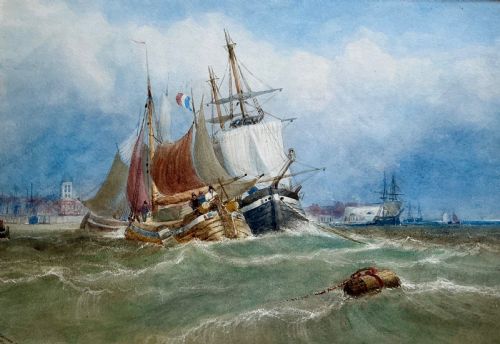


Traditional Seascape Art
Traditional seascape art captures the enduring drama of the coast, bringing historic maritime scenes and coastal harbours directly into your room.
Traditional Seascape Art
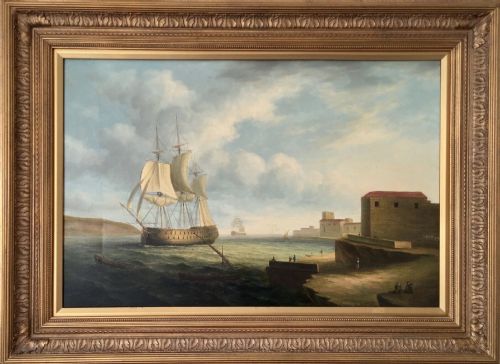
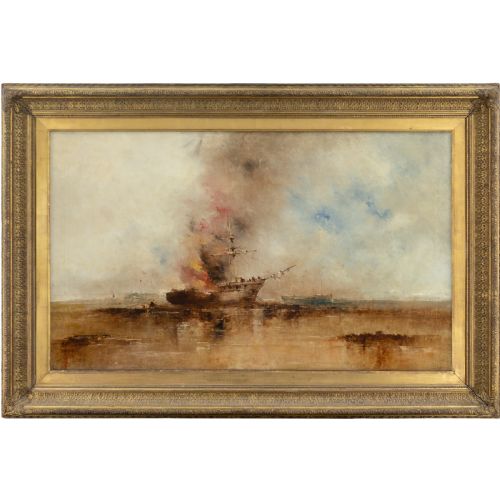
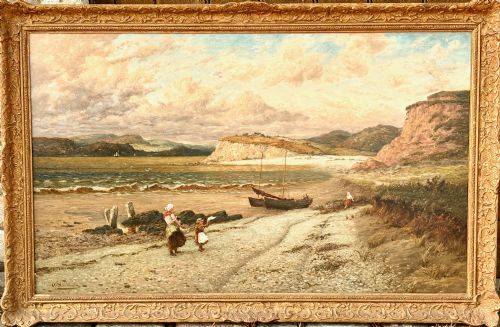
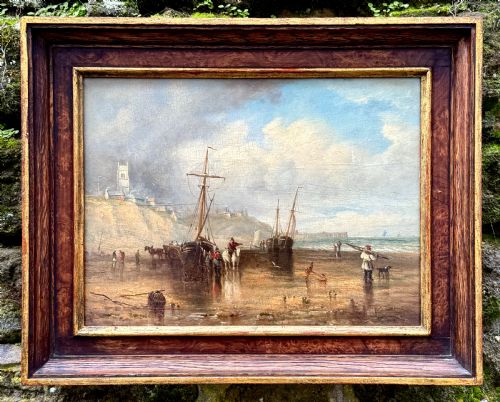
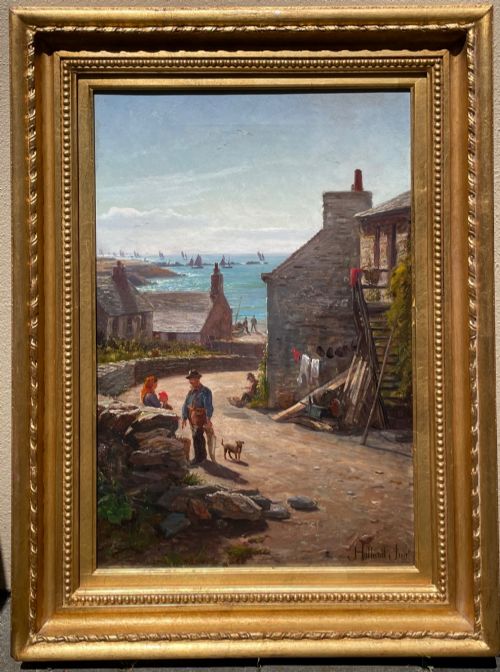
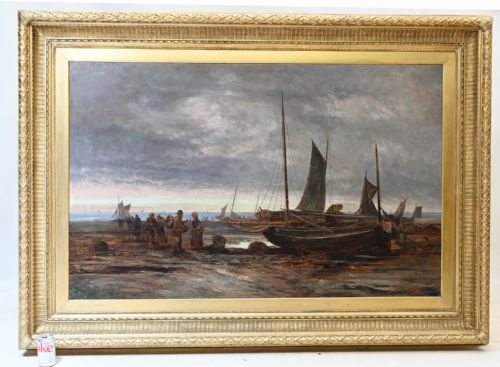
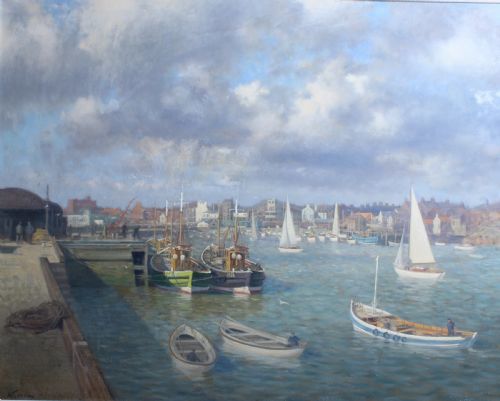
Traditional seascape art comprises oil paintings and watercolours depicting coastal views, harbour scenes, shipping vessels, and open waters. The items on this page span from the 18th century through the Victorian era and into the 20th century, reflecting generations of artistic engagement with the sea.
The most common formats you will encounter are framed oil paintings on canvas or panel, alongside delicate watercolour paintings on paper. These works frequently document specific British and international locations, from Cornish fishing ports to Mediterranean waters.
Many pieces lean into distinct stylistic categories such as Victorian marine art and maritime realism. They record working vessels, historic warships, lighthouses, and quiet coastal inlets with varying degrees of topographical precision.
Materials and Techniques
Artists relied primarily on oil paint applied to canvas, wood panels, or paper boards to build rich textures and deep tones. Watercolours on paper offered a lighter, more translucent medium suited to capturing atmospheric coastal light.
Surviving works are frequently housed in period frames constructed from wood, embellished with gesso, and finished in gilt or gold leaf. These frames provide structural integrity while complementing the maritime subject matter.
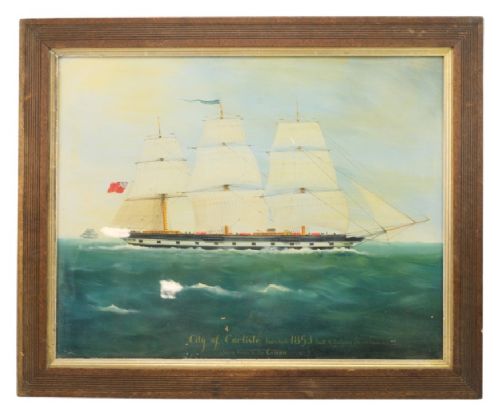
Several canvases capture ships bearing names like the 'City of Carlisle' and the barque 'Limbe', immortalising forgotten vessels on choppy seas.
Judging Quality and Execution
Quality rests upon the artist's ability to render water movement, atmospheric light, and the rigging of vessels with anatomical and nautical accuracy. Superior works demonstrate confident brushwork and a convincing sense of depth, particularly in turbulent seas or expansive skies.
The integration of the original frame also influences the overall integrity of the piece. Well-preserved surfaces that retain their original pigments without heavy overpainting represent the higher end of what is available.
William McAlpine·William Banks Fortescue·Thomas Creswick·John Holland·Henry Barlow Carter·William Edward Webb·Stanley Leader·George Shaw·John McDougal·Hendrik Willebrord Jansen·John Bell·James Webb·John Douglas Perrett·Dion Pears·Ernest F Hill·Jane Vivian·Alfred Henry Vickers·George Henry Knight·Thomas Rose Miles·Marie Edouard Adam·John Callow
The Traditional Seascape Art Glossary
- Oil on Canvas
- A painting medium where pigments suspended in drying oils are applied to stretched fabric. This combination allows for rich blending and textured impasto, particularly visible in depictions of choppy waves.
- Gilt Wood
- Timber framing coated with a thin layer of gold leaf or metallic powder. It provides an ornate, reflective border typical of Victorian framing practices.
- Gesso
- A plaster-like mixture applied to wooden frames as a base for moulding and gilding. It allows for intricate decorative reliefs around the edge of the painting.
- Watercolour Painting
- A method where water-soluble pigments are applied to paper. This technique creates luminous, transparent washes ideal for quiet coastal horizons and sky studies.
- Marine Art
- Artistic representation of the sea, ships, and coastal views. It encompasses both calm harbour scenes and intense naval battles.
Traditional Seascape Art: Frequently Asked Questions
What subjects appear in traditional seascape art?
These works feature a wide variety of maritime subjects, including bustling fishing ports, merchant shipping vessels, lighthouses, and dramatic sea battles. Many pieces record specific geographic locations such as St Ives, Cornwall, or Valletta Harbour in Malta.
Artists also focused on tranquil coastal views, quiet inlets, and ships navigating choppy waters. The subject matter generally reflects the economic and cultural importance of the sea during the 19th and early 20th centuries.
How can I tell a Victorian seascape from a 20th-century piece?
Victorian works often display meticulous detail in rigging and architecture, accompanied by heavy gilt wood frames that reflect 19th-century tastes. They frequently lean towards dramatic realism or narrative historical scenes.
Later pieces from the 20th century sometimes adopt looser brushwork or focus on simplified coastal forms. Examining the materials, canvas preparation, and framing style helps establish the likely era of creation.
Were these paintings created outdoors or in a studio?
Most traditional marine and coastal works were composed in studios using preliminary pencil sketches, watercolours, or detailed observations made on location. Capturing moving ships and changing weather demanded rapid notation before final studio execution.
Artists relied on their deep understanding of maritime architecture and nautical conditions to construct convincing compositions from these initial studies.
How do I care for an antique oil painting?
Keep oil paintings away from direct sunlight and sources of extreme heat or humidity to prevent canvas warping and paint cracking. Dust the surface gently with a soft, dry brush without applying pressure.
Avoid using liquid cleaners or moisture on the paint surface. Professional conservation should be sought if the varnish darkens or structural repairs become necessary.