



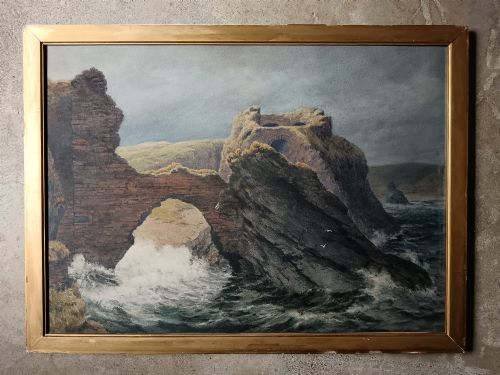
Original Marine Watercolour
An original marine watercolour captures the movement of coastal tides, fishing boats and historic shipping through delicate pigment on paper.
Original Marine Watercolour
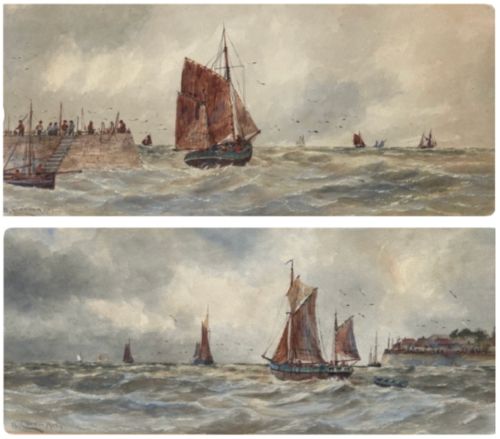
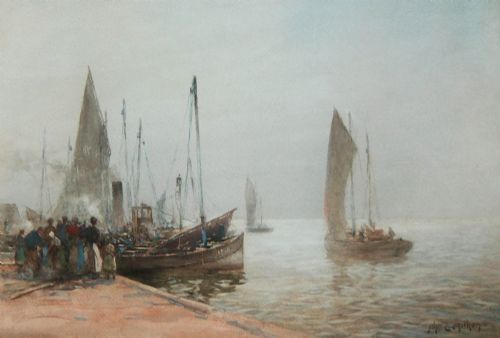
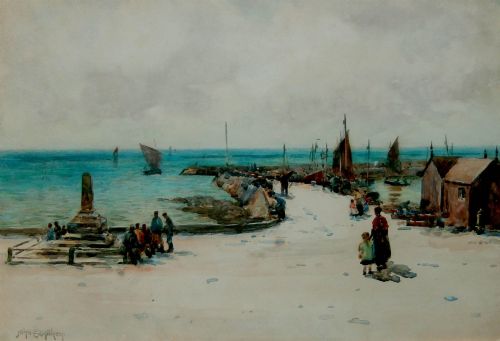
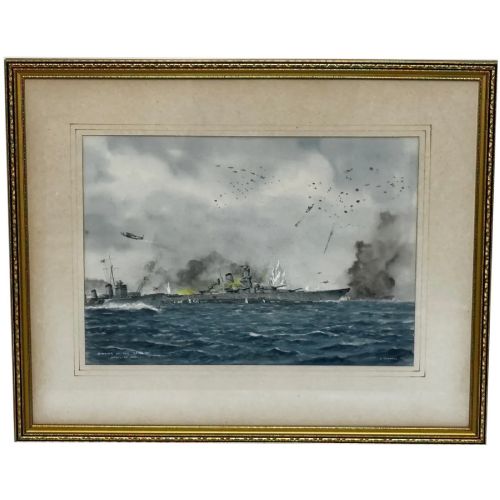
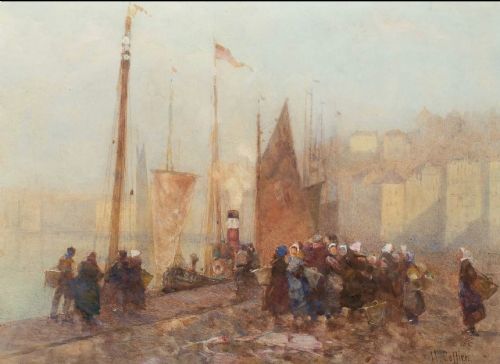
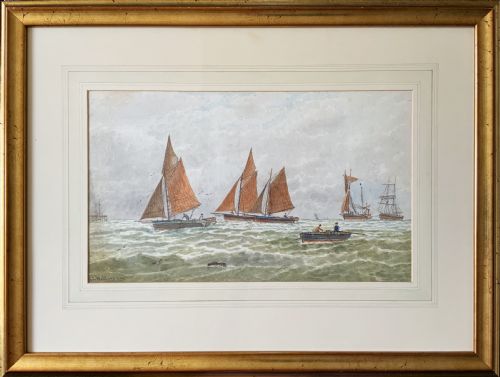
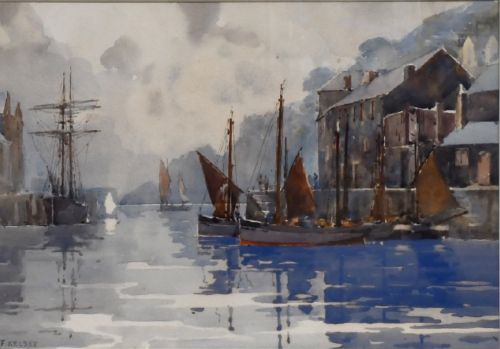
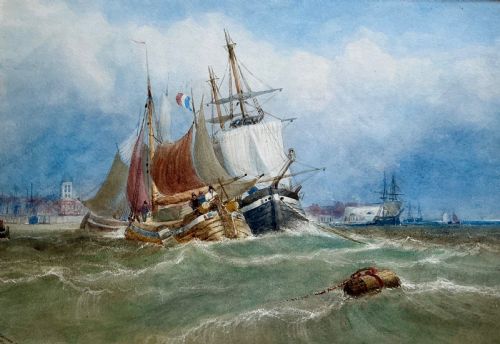
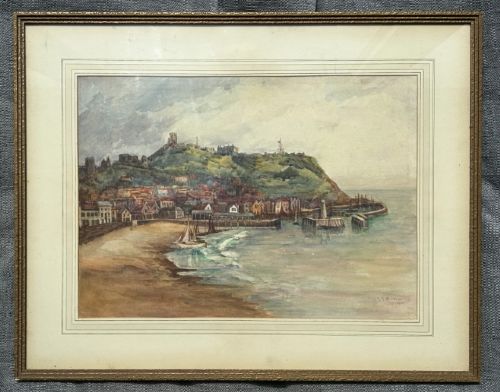
When you search for an original marine watercolour, you encounter works on paper depicting coastal scenes, harbours and maritime vessels from the Victorian period through to the mid-twentieth century. These paintings range from detailed nineteenth-century depictions of Yorkshire and Scottish ports to atmospheric twentieth-century depictions of naval ships and fishing luggers. The version most commonly met on this page is the framed British landscape featuring coastal working boats, harbours and estuaries executed by regional painters.
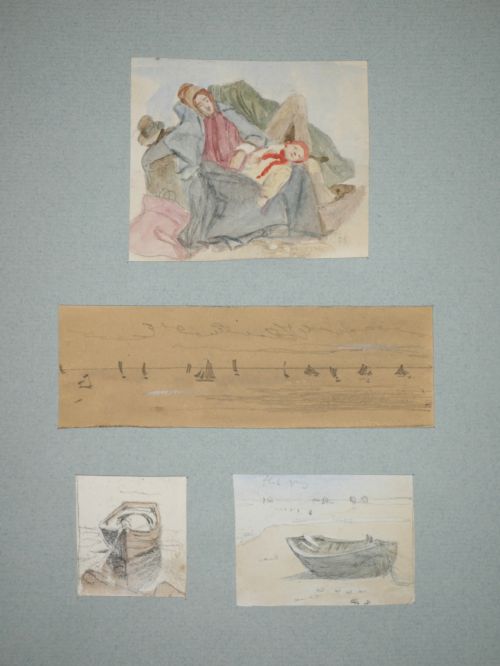
The material forms vary from intimate marine sketches and works on paper to large framed art pieces preserved behind glass. Styles span traditional Victorian marine art, Edwardian maritime views, British Impressionism and mid-century modern interpretations of the sea. Creators recorded everyday maritime life, naval engagements and bustling docksides with direct observation.
Materials and technique
Artists applied watercolour pigment and watercolour paint directly onto paper surfaces, utilising the white of the paper to render highlights of sea spray and cloud formations. Washed skies and translucent sea tones demonstrate the fluid control required by the medium.
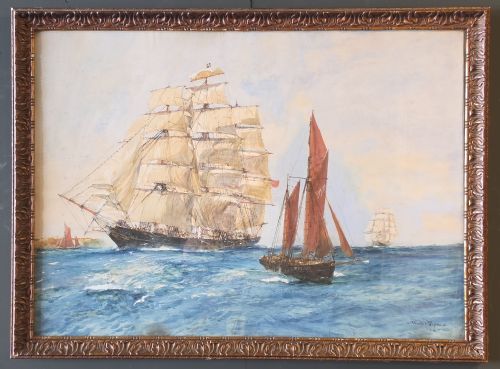
Works are typically mounted behind glass within wooden frames, occasionally retaining gilt wood mouldings that complement the period of the painting. Protective framing preserves the delicate pigments from atmospheric degradation and moisture over decades.
Listings feature works spanning the nineteenth century through the 1960s, executed in watercolour on paper and housed in wood and glass frames.
What distinguishes finer examples
Quality rests upon the artist's handling of light, atmosphere and maritime architecture, where confident brushwork brings movement to water and vessel rigging. The best examples capture the specific atmospheric conditions of coastal locations like Whitby, St Ives or North Sea havens with acute observation.
Condition and provenance further separate works, favouring pieces with stable pigment retention, minimal fading, and original or sympathetic framing that maintains the integrity of the paper support.
James Orrock·William Cannon·James Smetham·Charles Edward Dixon·Thomas Bush Hardy·Edward Seago
The Original Marine Watercolour Glossary
- Watercolour paint
- A water-soluble medium composed of pigment and binder that creates luminous washes when diluted.
- Works on paper
- A classification encompassing drawings, sketches and watercolours executed on various paper supports.
- Gilt wood
- Wood framing treated with gold leaf or metallic finish, frequently found on period frames.
- Provenance
- The documented history of ownership associated with an artwork.
Original Marine Watercolour: Frequently Asked Questions
How should I display a marine watercolour?
Display these works on paper away from direct sunlight to prevent the watercolour pigments from fading over time.
Keep them in stable indoor environments shielded from excessive humidity to protect both the paper and the wooden frame.
What subjects appear in these paintings?
Common subjects include fishing boats, coastal harbours, racing yachts, naval vessels and traditional maritime ports around Britain.
Artists frequently recorded specific locations such as Whitby, Scarborough, St Ives and various North Sea havens.
How can I date a marine watercolour?
Dating relies on signatures, artist lifespans, stylistic indicators such as Victorian or mid-century dress, and occasional period inscriptions on the reverse.
Framing materials and backing papers also offer clues to the age of the piece.
Are these paintings unique works?
The listings consist of original hand-painted watercolours executed directly on paper by individual artists rather than mass-produced prints.
Each piece represents a singular artistic interpretation of maritime life and coastal scenery.