

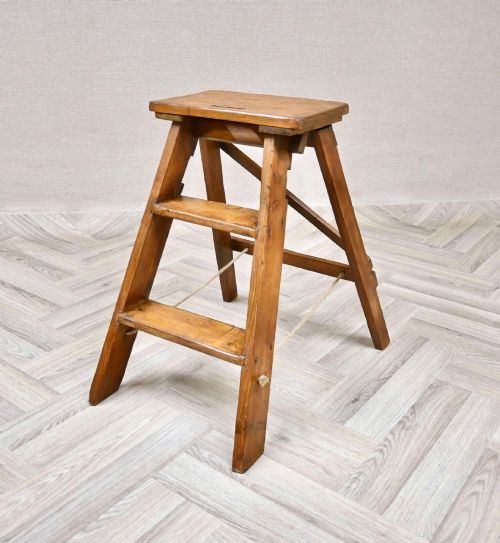


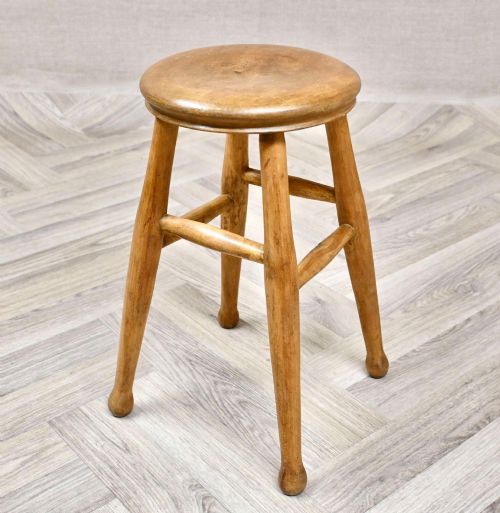
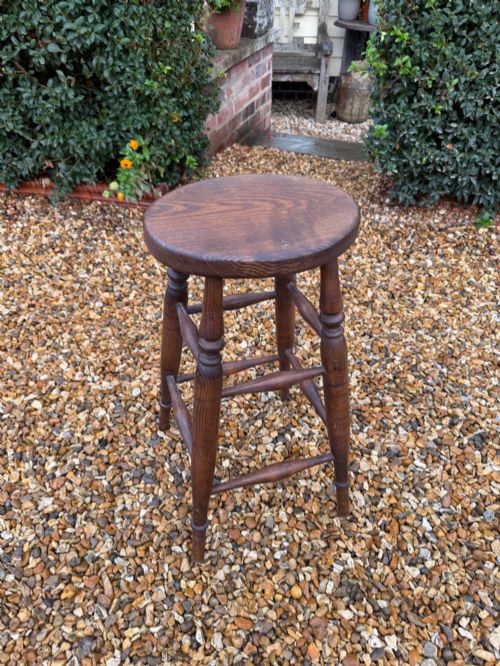
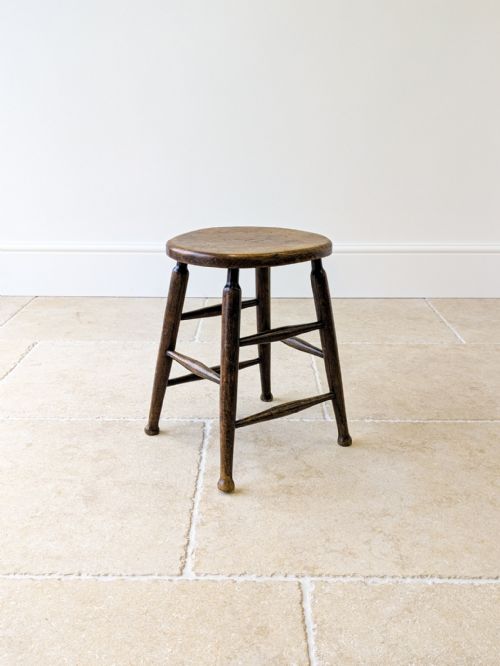

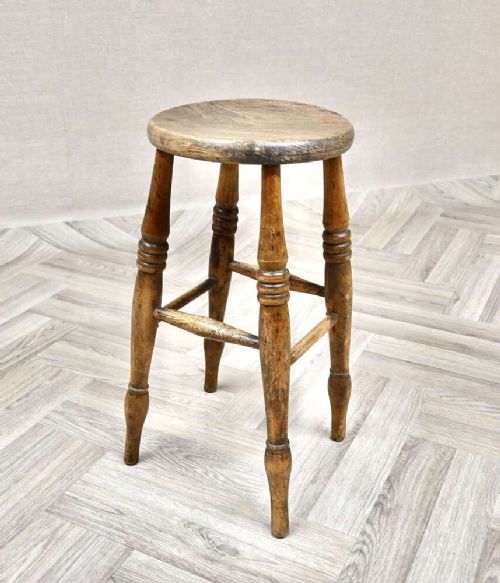
Traditional Rustic Stool
A traditional rustic stool brings honest vernacular woodwork into a room, offering simple seating built to endure generations of daily use.
Traditional Rustic Stool
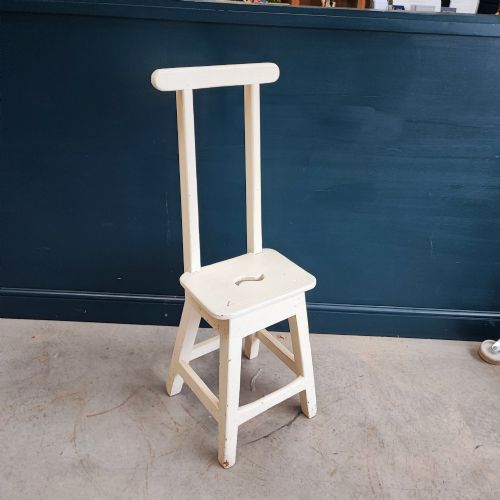
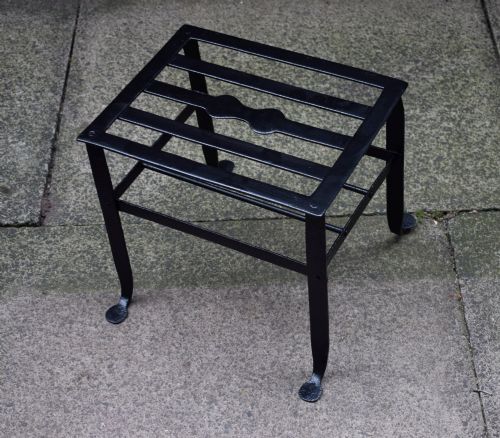
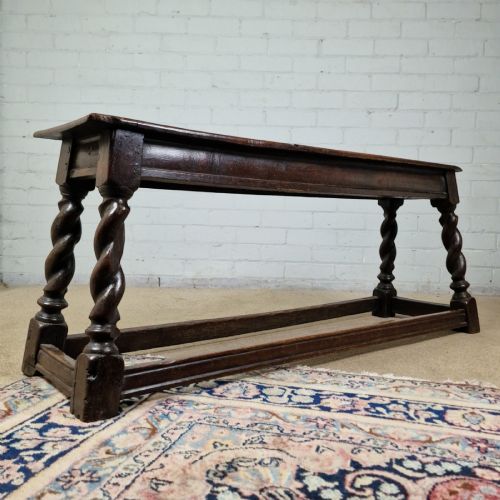
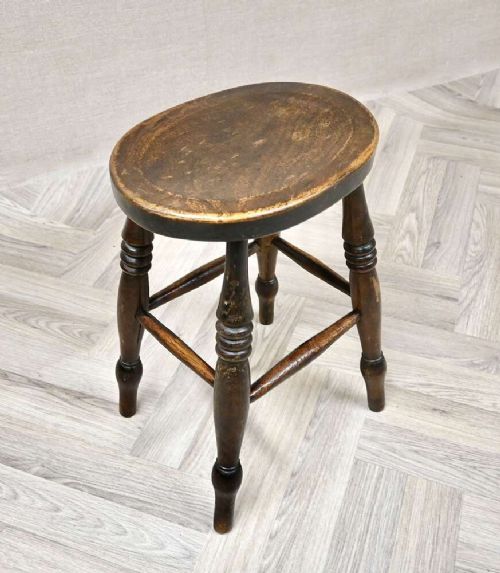
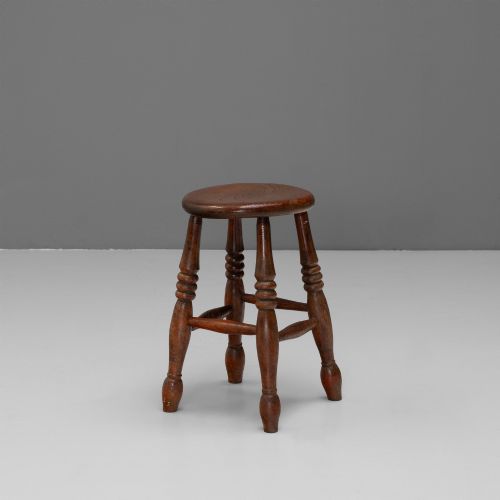
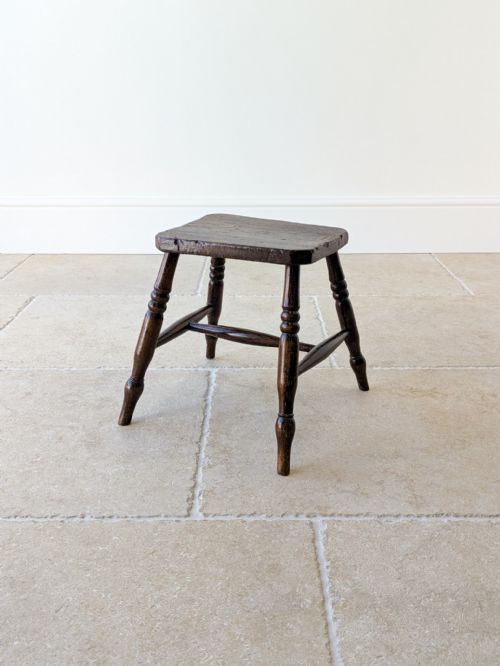
A traditional rustic stool encompasses utilitarian forms created for domestic, agricultural, and tavern use across several centuries. Buyers seeking these pieces encounter low milking designs, jointed frames, and tall bar seating.
The selection ranges from Georgian and 18th Century joint stools to 19th Century vernacular seating, alongside Edwardian and later 20th Century examples. Oak, elm, pine, and sycamore predominate in these functional domestic objects.
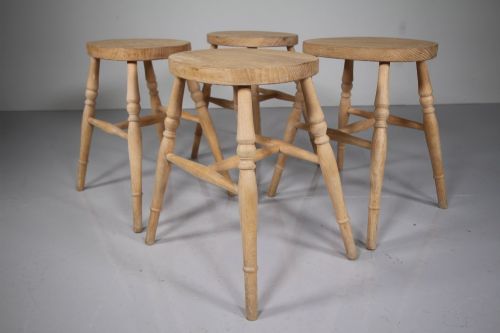
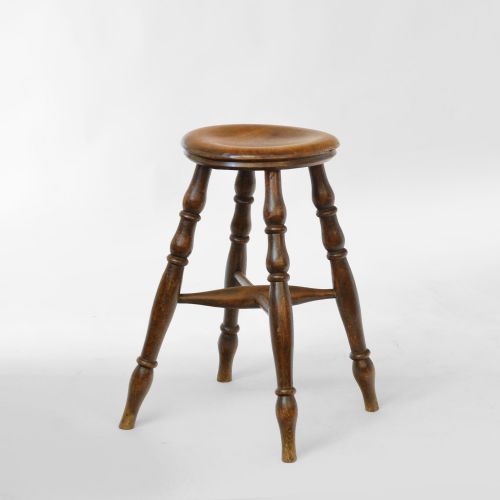
Stools frequently display regional English country characteristics, including Windsor construction and turned legs. Occasional variations incorporate rush seating and dished wooden tops designed for practical comfort.
Materials and construction methods
Carpenters utilised native hardwoods like oak, ash, beech, and elm, selecting specific timbers for structural strength and seating durability. Solid elm often provided stable, dished seats that resisted splitting under heavy use.
Joinery relied on traditional techniques such as mortise and tenon joints, pegging, and wedged legs inserted directly into seated tops. Turned components appeared alongside pegged framing in joint stools and tall tavern seating.
Traditional Rustic Stool Retail Price Guide 2026
Typical asking prices for traditional rustic stool among the pieces listed under this phrase on Sellingantiques today, from the lower quarter to the upper quarter. They describe what is for sale here now, not the wider market.
Listings feature oak, elm, pine, beech, and ash across periods spanning the 18th century through the 1940s.
Judging quality and character
Quality rests upon the integrity of the original timber and the honesty of the construction, where unmended joints and minimal replacement parts elevate a piece. Evidence of genuine utilitarian wear adds historical depth without compromising structural soundness.
Proportion and wood selection distinguish superior examples, particularly where grain patterns in oak, sycamore, or elm display natural figure. Untouched patination accumulated through decades of domestic or tavern service indicates a high grade of preservation.
Jack Grimble
The Traditional Rustic Stool Glossary
- Joint Stool
- A sturdy wooden stool constructed with mortise and tenon joints rather than turned legs alone. These pieces date predominantly from the 17th and 18th centuries.
- Windsor Stool
- A seat featuring legs wedged directly into the thick underside of a solid wooden top, often dished for comfort. This construction mirrors the methods used in traditional Windsor chair making.
- Vernacular
- Objects designed by regional craftsmen for practical utility rather than following strict high-style architectural fashions. Such pieces rely on local materials and traditional methods.
- Milking Stool
- A low, typically three-legged seat utilised by agricultural workers for milking livestock. The three-legged format ensured stability on uneven barn floors.
Traditional Rustic Stool: Frequently Asked Questions
What is a traditional rustic stool?
A traditional rustic stool is a utilitarian wooden seat produced by country craftsmen for everyday domestic, agricultural, or tavern use.
These pieces span centuries of vernacular design, utilising native timbers such as oak, elm, pine, and ash without high-style ornamentation.
How were joint stools used?
Joint stools served as flexible seating around the home or at the dining table during the 17th, 18th, and 19th centuries.
Their robust mortise and tenon construction also allowed them to function as small side tables or stands for household objects.
How do I date an antique stool?
Dating relies on examining the timber species, tool marks left by manufacture, and the joinery methods employed in the frame.
Earlier examples from the 18th century often feature heavy oak construction and pegged joints, whereas 19th-century pieces introduce varied timbers like sycamore, beech, and pine.
How should I live with these stools?
These stools integrate easily into modern interiors as side tables, bedside surfaces, or occasional seating.
Their robust construction suits daily use, though placing them away from direct heat sources helps protect the historic timber.