
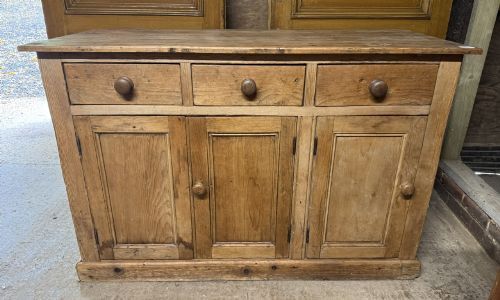
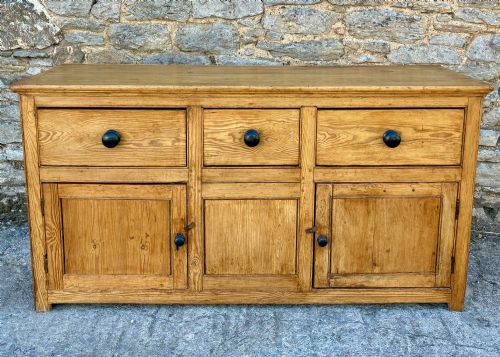
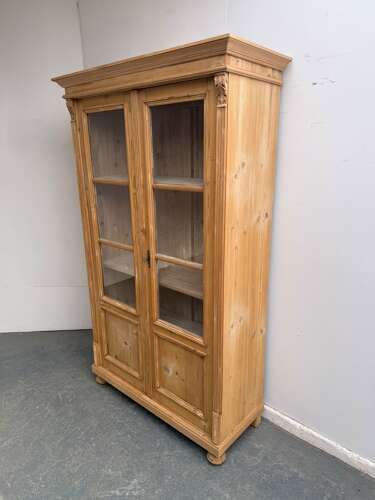
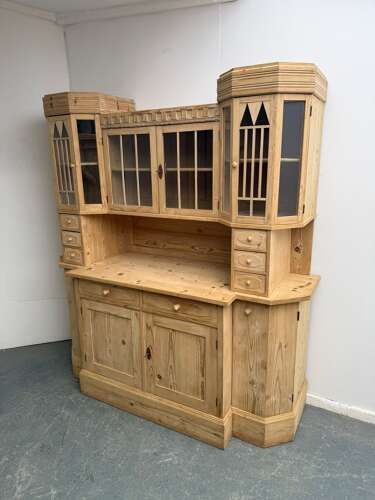
Traditional Pine Storage Cabinet
A traditional pine storage cabinet delivers honest utility and warmth, bringing versatile storage and regional character into a home.
Traditional Pine Storage Cabinet
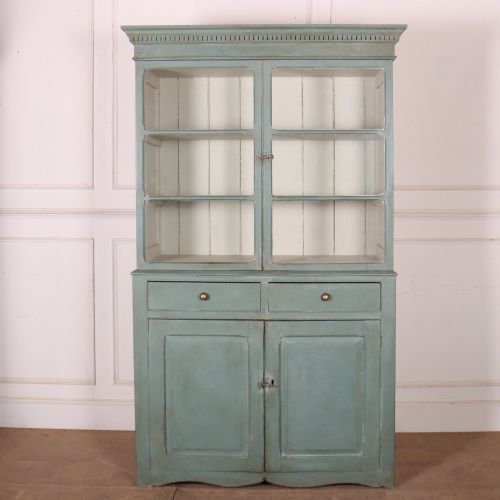
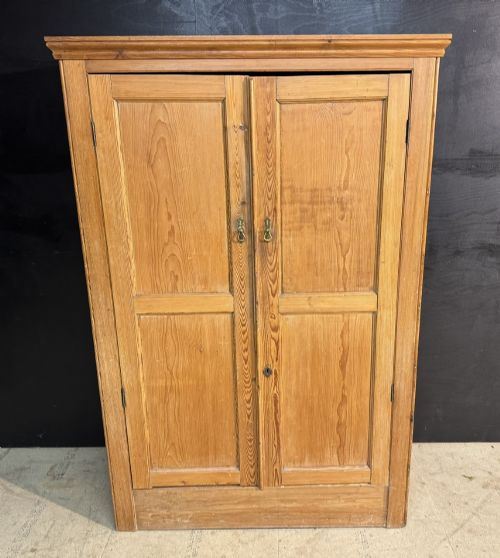
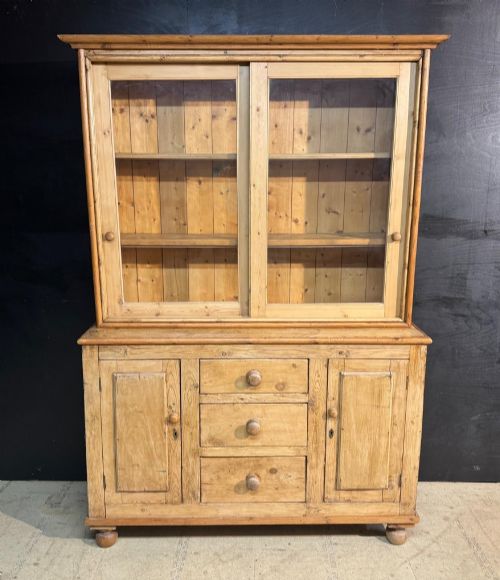
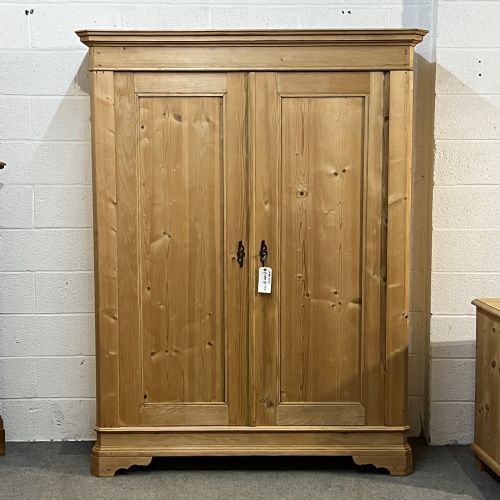
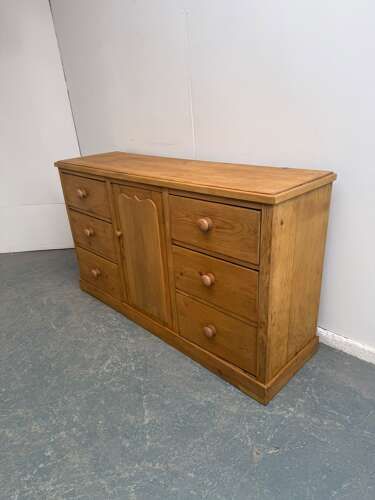
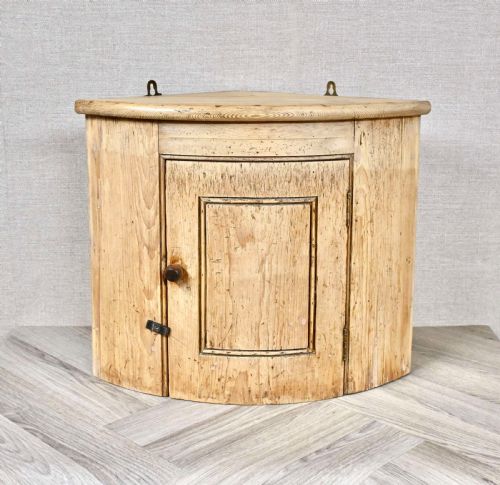
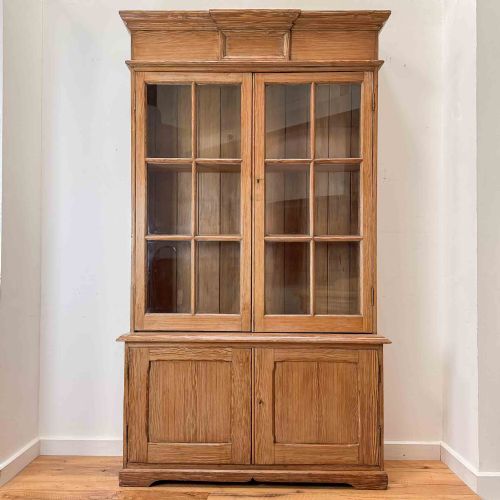
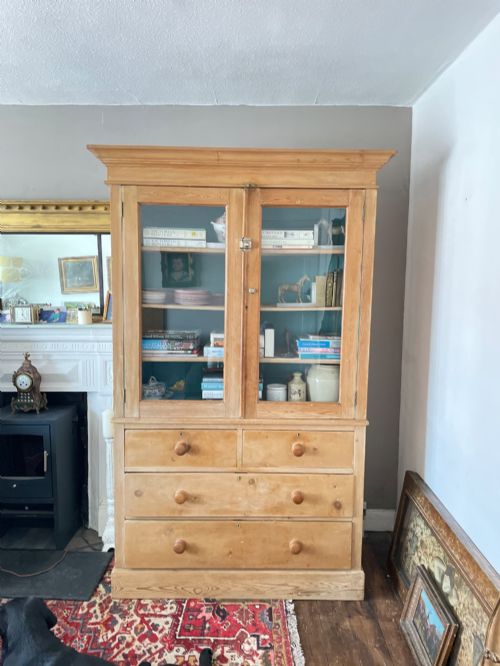
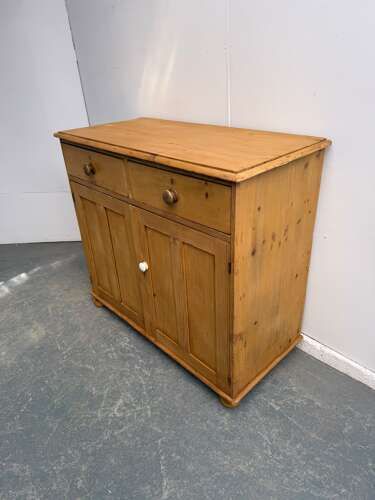
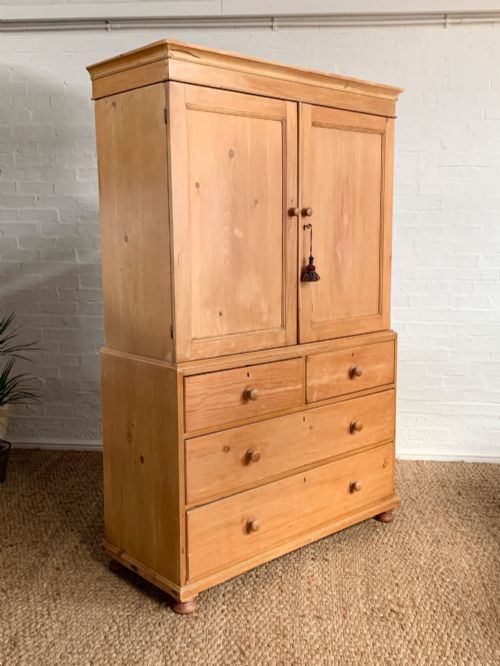
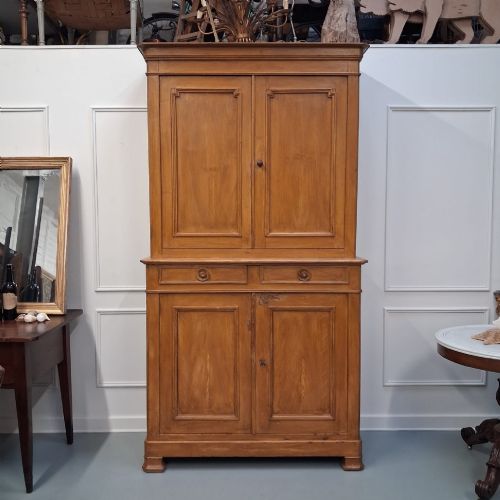
A traditional pine storage cabinet encompasses robust furniture built for domestic organisation, spanning periods from the Georgian era through to the early twentieth century. Buyers seeking a traditional pine storage cabinet will frequently encounter cupboards, larder cupboards, housekeepers cupboards, and dresser bases designed for practical utility.
What varies in quality
Quality in these cabinets rests upon structural integrity, timber selection, and the survival of original surface finishes. Superior examples retain their original backboards, intact cornices, and working locks, whereas lesser pieces suffer from excessive timber shrinkage or unsympathetic alterations.
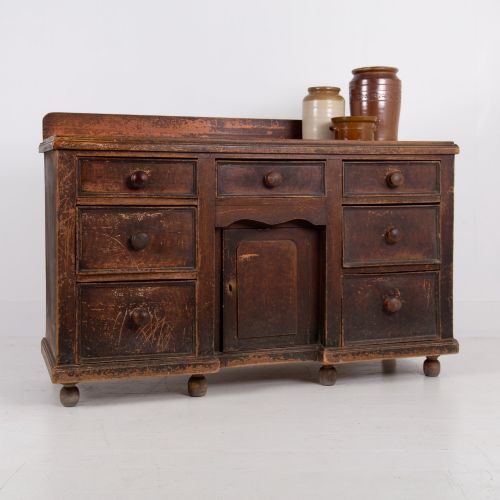
The presence of untouched period paint, scumble finishes, or patinated beeswax surfaces elevates a piece above standard stripped variants. Proportion, cabinet depth, and the clever layout of internal shelving or drawers further distinguish finer regional workshops from utility items.
Some nineteenth-century larder cupboards still carry the faint, sweet trace of forgotten spices tucked away in their deep pine shelves.
The Traditional Pine Storage Cabinet Glossary
- Pitch pine
- A dense, resinous softwood commonly utilised for nineteenth-century furniture construction. It provides greater durability and a more pronounced grain than standard white pine.
- Scumble paint
- A decorative surface treatment involving translucent pigmented glaze manipulated over a base coat. This technique imitates more expensive figured timbers or adds mottled depth.
- Housekeepers cupboard
- A large freestanding storage unit traditionally positioned in the corridors or utility spaces of large homes. It typically combines hanging space with deep shelving for linens and provisions.
- Knockdown
- A piece of furniture engineered with pegged or wedged joints that allow complete dismantling for transport. This construction method was common for large wardrobes and cupboards in older houses.
- Larder cupboard
- A tall ventilated storage cabinet designed for food preservation before mechanical refrigeration. These pieces often feature perforated panels or slatted shelving to maintain air circulation.
Traditional Pine Storage Cabinet: Frequently Asked Questions
What rooms suit a pine storage cabinet?
These cabinets adapt easily to kitchens, hallways, and bedrooms where practical storage is required. Their natural wood tones and painted finishes complement both rural and contemporary interior schemes.
Larger larder cupboards and dresser bases suit dining spaces or spacious kitchens, while shallow corner cabinets and narrow wardrobes fit compact halls or alcoves.
How do I care for a waxed pine surface?
Maintaining a waxed finish involves applying a quality natural beeswax periodically to nourish the softwood and preserve its lustre. Regular dusting with a soft cloth prevents grime buildup.
Avoid placing these cabinets near direct heat sources or strong sunlight, which can dry out the timber and cause surface cracking or warping over time.
Are these cabinets easy to dismantle?
Certain large wardrobes and cupboards incorporate knockdown construction with pegged joints designed for simple disassembly. This engineering allowed bulky furniture to move through narrow staircases in older properties.
Buyers should examine the specific construction method of each cabinet to determine whether it requires professional dismantling or moves as a single solid unit.