
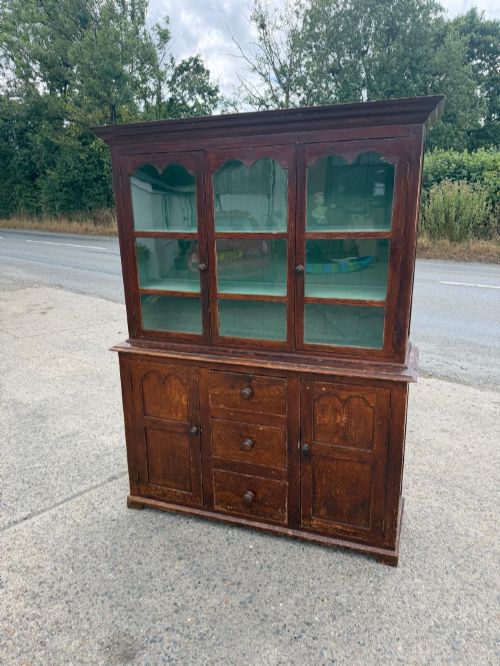
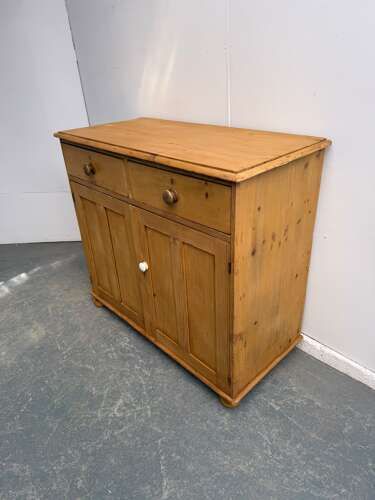
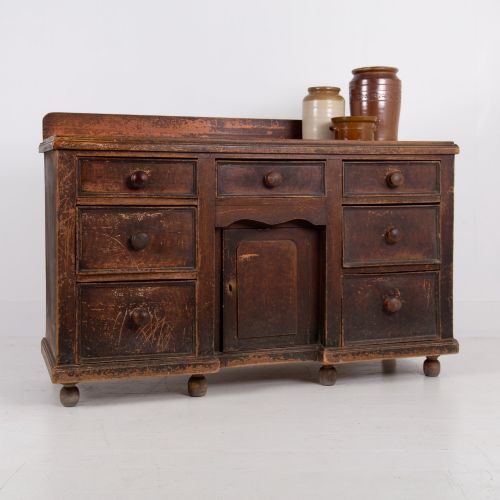
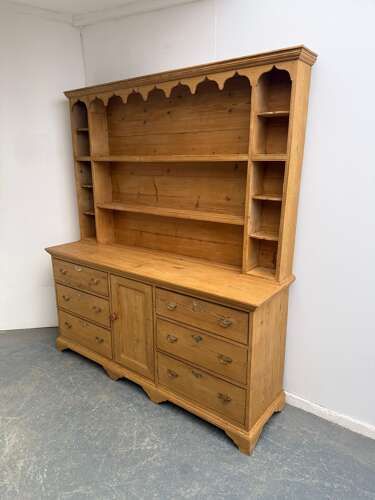

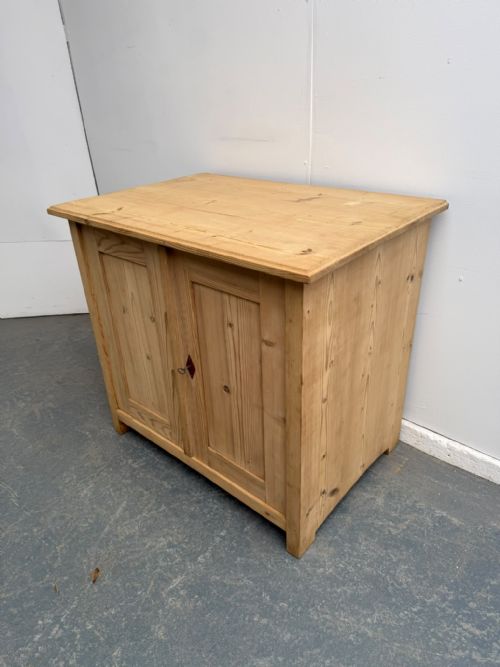
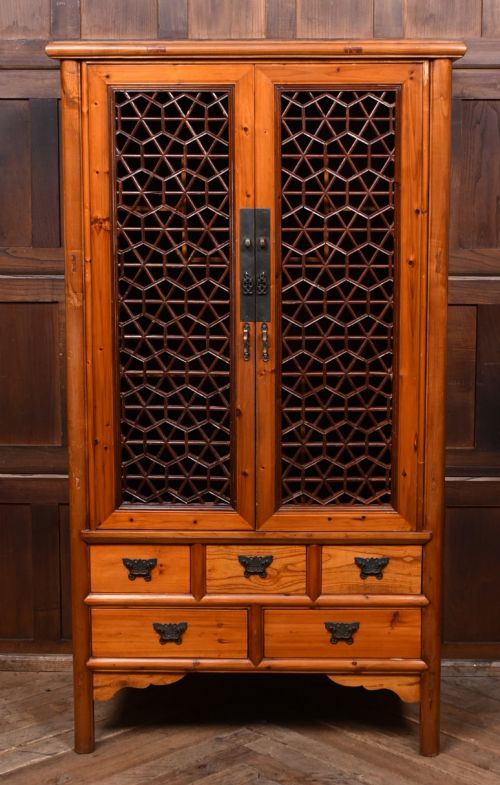
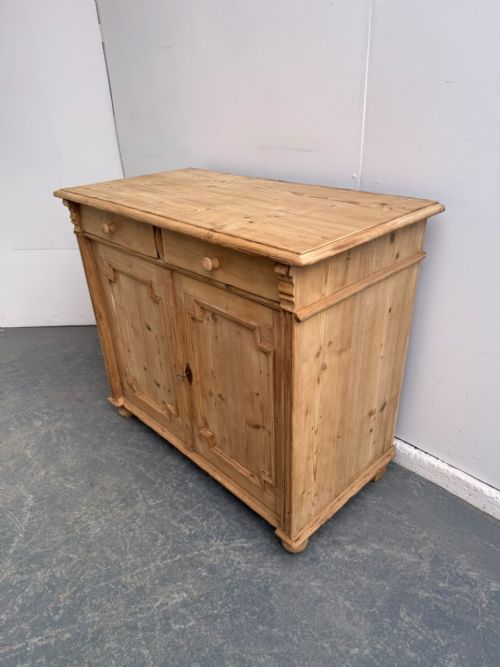
Traditional Pine Sideboard
A traditional pine sideboard brings the honest utility and warm grain of country workshops straight into a modern dining room.
Traditional Pine Sideboard
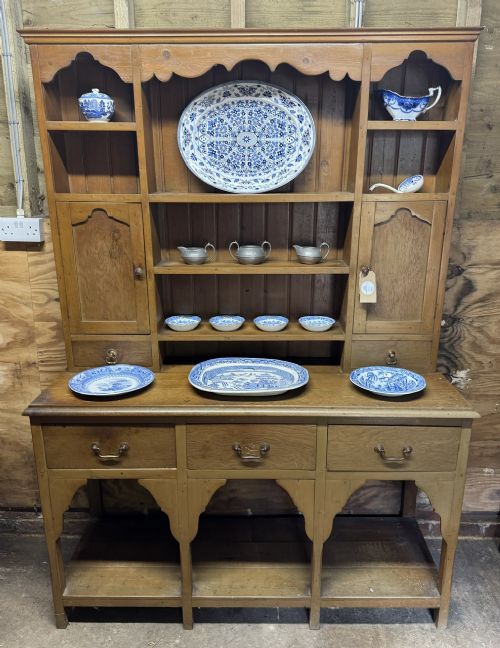
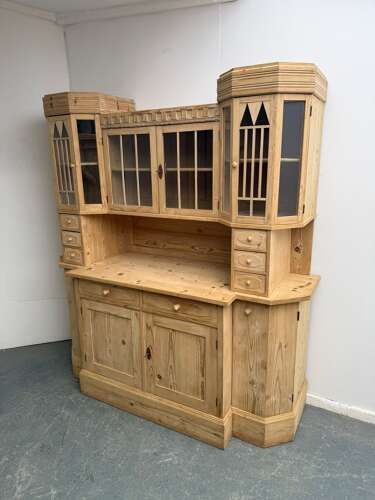
A traditional pine sideboard encompasses robust storage furniture built primarily from softwoods, often appearing as dresser bases or low cupboards designed for domestic use. These pieces trace their origins back through nineteenth century farmhouses, country houses and vernacular workshops.
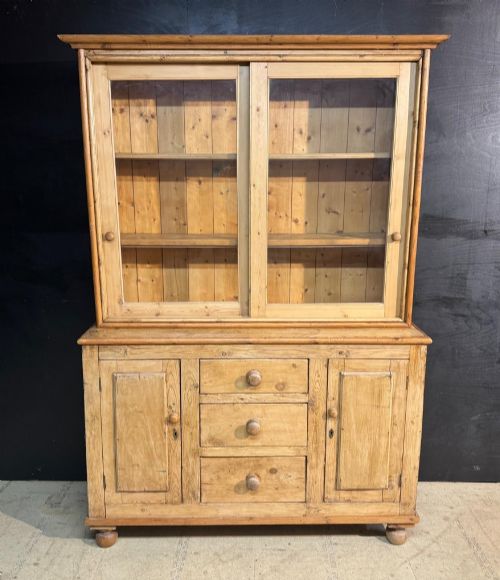
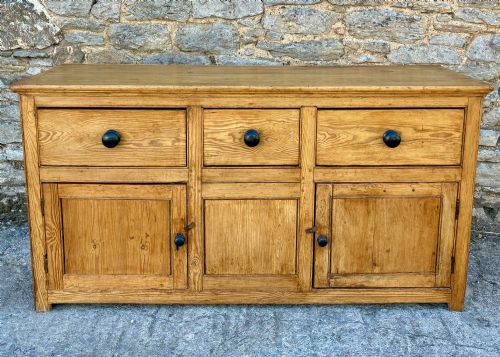
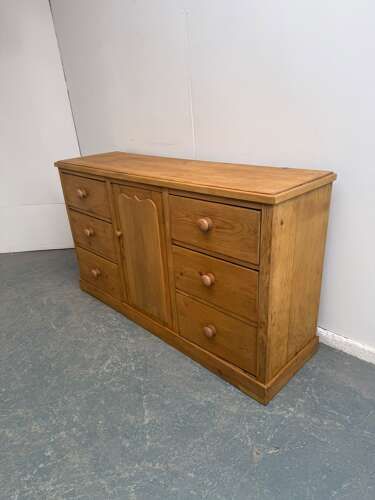
Buyers will frequently encounter nineteenth century and Victorian examples featuring practical configurations of drawers and doors. Regional variations such as Welsh vernacular designs and West Country pieces surface regularly alongside classic English country styles.
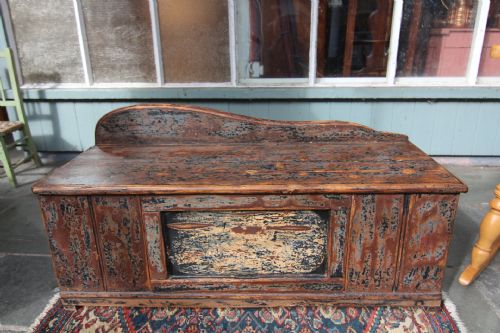
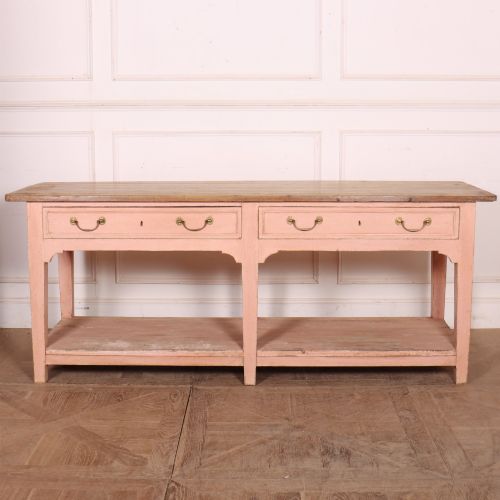
Forms range from simple low storage cupboards and serving tables to potboard dresser bases with open lower shelves. Many pieces retain their original waxed finishes or historic painted surfaces, showing the marks of daily utility over generations.
Assessing quality in pine furniture
Proportion and construction depth distinguish superior regional workshops from standard utility pieces. Thoughtful drawer dovetailing, sturdy potboard bases and well-balanced proportions indicate superior craftsmanship within vernacular traditions.
Listings feature pieces spanning the eighteenth century through to the nineteen-thirties, showcasing pine, painted wood, and brass hardware.
The Traditional Pine Sideboard Glossary
- Potboard dresser base
- A low sideboard or dresser base featuring an open lower shelf traditionally used for storing pots and pans. This open board sits just above the floor on sturdy legs.
- Vernacular
- Furniture built by local country joiners using regional styles and readily available local woods rather than following strict London fashion. These pieces often display unique structural quirks characteristic of their specific geographic origin.
- Patina
- The surface sheen and colour developed over decades through handling, waxing and ageing. Original patina provides visual evidence of a piece's age and history.
- Dovetail
- A traditional interlocking joint used to secure drawer corners together securely without relying solely on metal fasteners. Hand-cut dovetails indicate older, more careful craftsmanship.
- Chiffonier
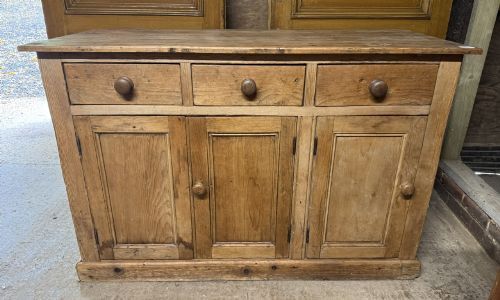
- A low sideboard or cabinet with cupboards enclosed by doors, popular during the nineteenth century for dining room storage. They often incorporate a small shelf or tier upon the top surface.
Traditional Pine Sideboard: Frequently Asked Questions
How do I date an old pine sideboard?
Dating involves examining construction methods, timber characteristics, and hardware types used on the piece. Hand-cut joints and original backboards often point towards nineteenth-century or earlier origins.
Finish and wear patterns also offer clues, as older pieces display authentic patination accumulated over generations of use. Comparing regional styles helps narrow down the period of manufacture.
Are these sideboards painted or waxed?
These sideboards appear in both waxed wood finishes and original historic paint. Many pieces retain their early paint layers, ranging from muted greens to traditional country colours.
Waxed examples highlight the natural grain and warm tones of the pine timber. Buyers can find options left in bare wood or retaining decades of aged polish.
How should I care for waxed pine?
Care for waxed pine involves applying natural beeswax periodically to nourish the wood and maintain its protective sheen. Avoid placing the furniture near direct heat sources or strong sunlight to prevent drying.
Dusting with a soft, dry cloth preserves the historic patina without harming the surface. Gentle cleaning keeps the timber stable and rich in appearance.