


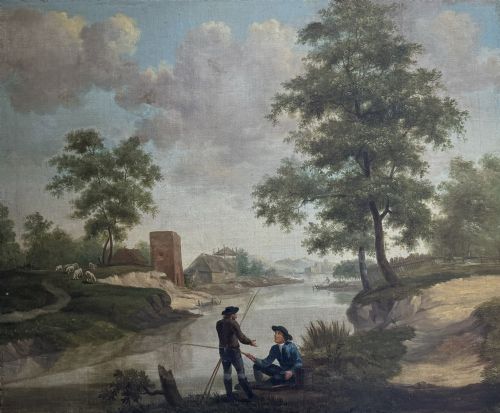
Traditional Pastoral Oil
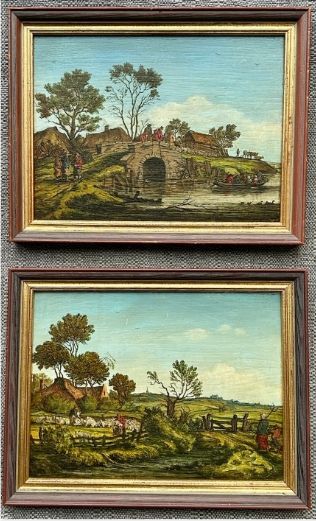
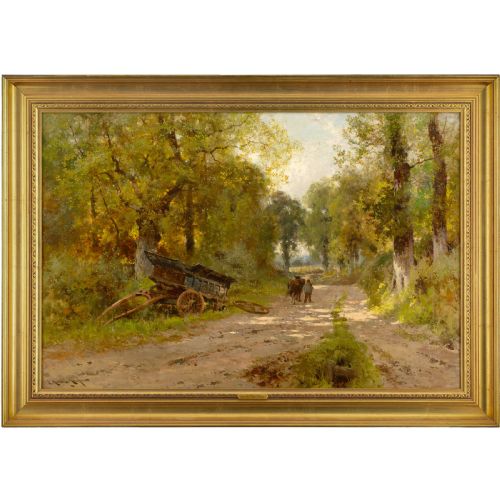
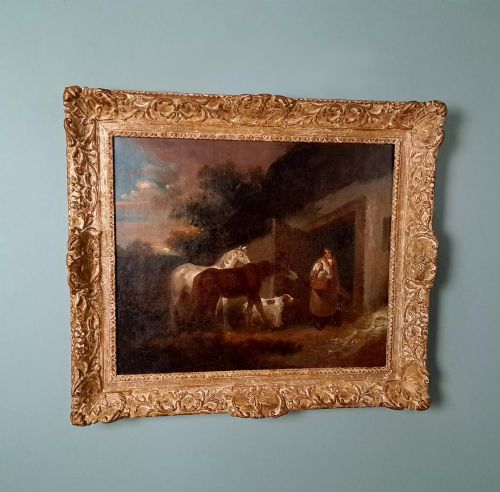
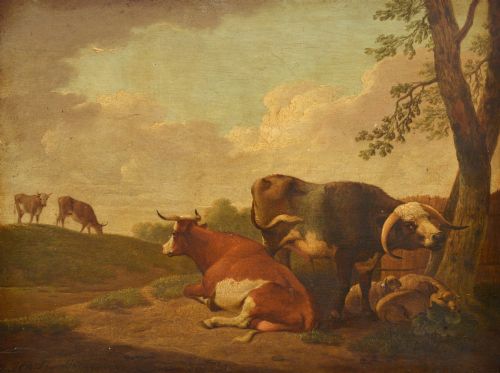
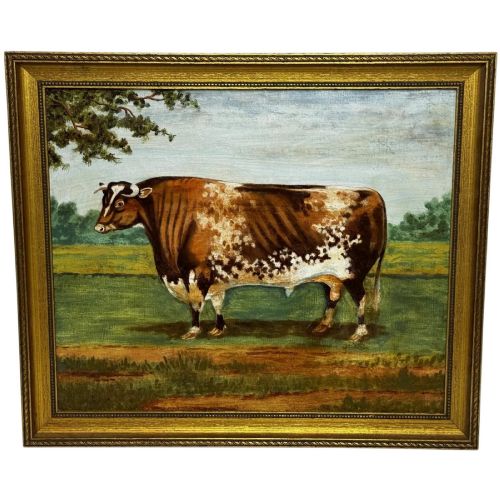
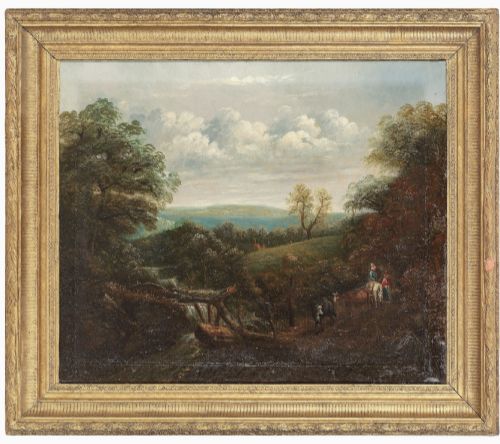
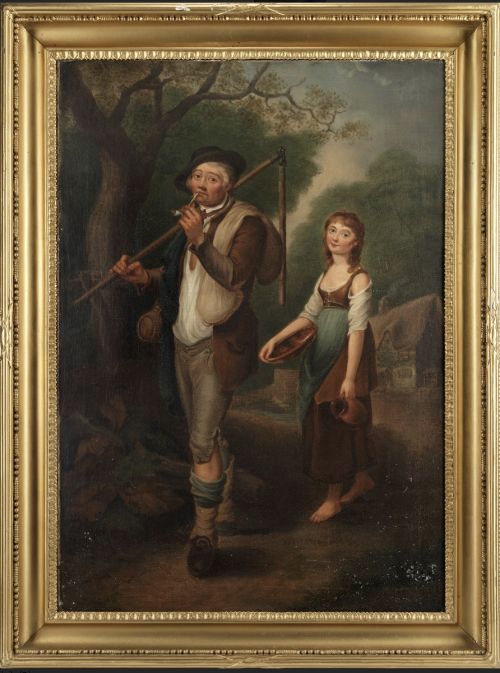
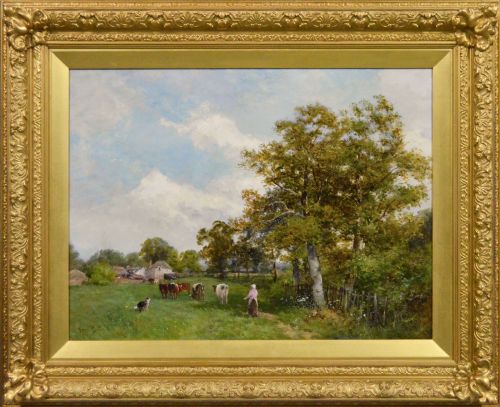
Traditional pastoral oil paintings capture serene rural scenes of livestock, rivers and cottage landscapes from the eighteenth, nineteenth and early twentieth centuries.
Traditional Pastoral Oil
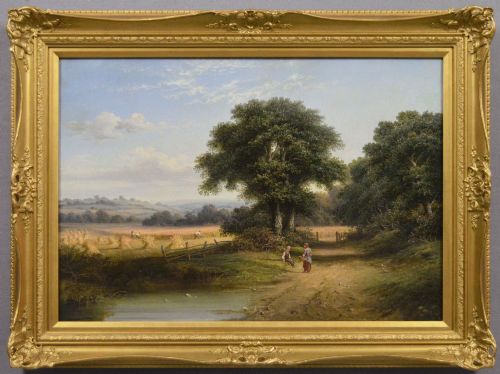
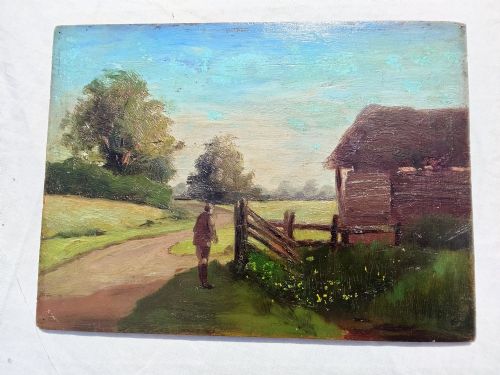
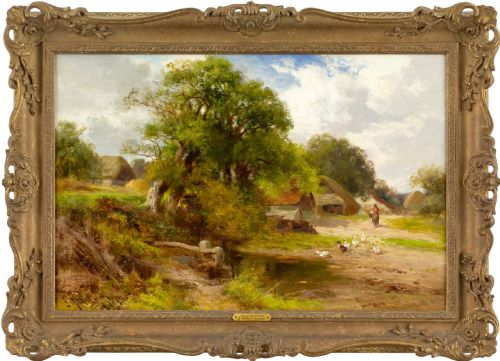
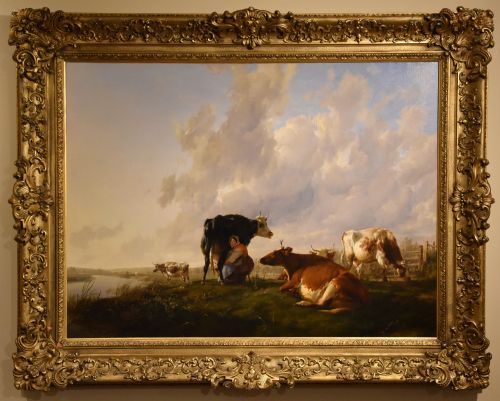
Traditional pastoral oil paintings depict rural life, including scenes of cattle, sheep, figures near harvest fields and river landscapes.
The pieces on this page span from the eighteenth century through the Victorian and Edwardian periods up to the early twentieth century.
Most works originate from British and European schools, featuring canvas or wood panel supports housed in period frames.
Quality and Execution
Depth of detail in animal anatomy, atmospheric lighting and handling of foliage separate standard decorative works from accomplished academic pieces.
The clarity of artist signatures, provenance and the preservation of the original paint surface influence the standing of an individual work.
Tom Campbell·John Horace Hooper·Thomas Sidney Cooper·William Watson Jnr·George Morland
The Traditional Pastoral Oil Glossary
- Oil on Canvas
- A painting technique where oil pigments are applied to a stretched woven fabric support. This method became standard for many European and British landscape artists.
- Wood Panel
- A rigid wooden support used by painters instead of canvas. Many nineteenth-century pastoral and Flemish style works utilise this durable substrate.
- Giltwood
- Wood carved and coated with gold leaf or a gold-coloured metallic finish. It frequently frames period landscape paintings.
- Gesso
- A plaster-like mixture applied to wood or canvas to prepare a smooth surface for painting. It also forms the base for ornate carved frame details.
Traditional Pastoral Oil: Frequently Asked Questions
What subjects appear in pastoral oils?
These paintings typically display rural scenery such as cattle resting in woodlands, sheep grazing in highland landscapes and figures by rivers or harvest fields.
Artists focused on tranquil country life, agricultural animals and picturesque cottages situated across Britain and continental Europe.
How should I care for an oil painting?
Keep paintings away from direct sunlight, extreme temperature shifts and high humidity to protect the canvas and wooden panels.
Dust the surface gently with a soft dry brush and avoid using chemical cleaners on the paint or the giltwood frame.
Are these paintings signed by the artist?
Many works bear visible signatures, monograms or inscriptions from the period, while others remain attributed to specific schools of painting.
Signatures often appear in the lower corners of the canvas or on the reverse of the wooden boards.