
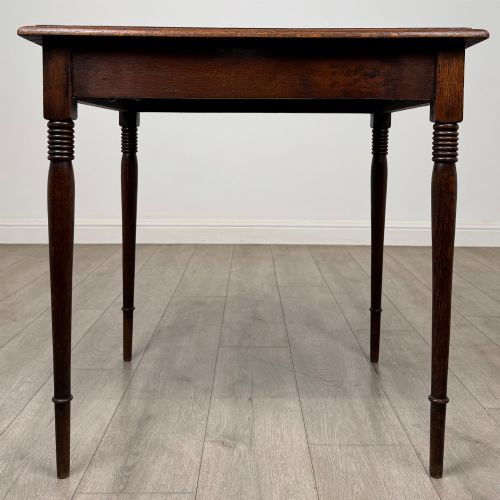
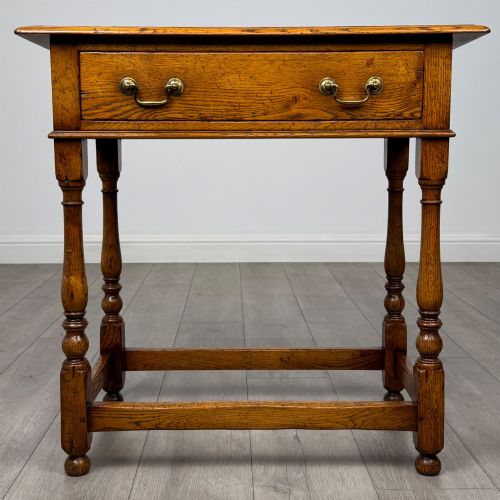
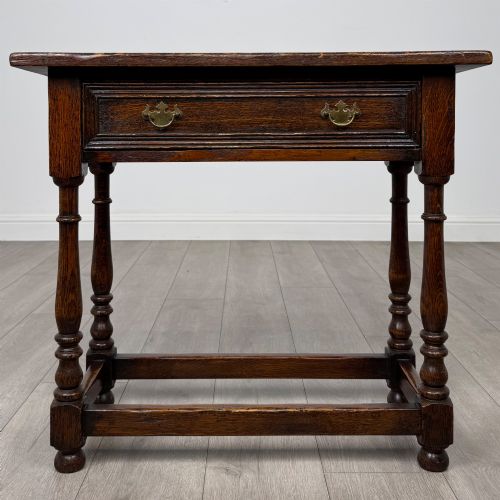
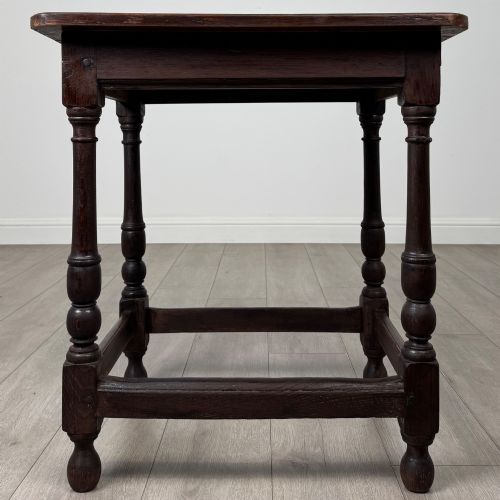

Traditional Oak Occasional Table
A traditional oak occasional table brings sturdy timber and honest utility to a room, offering a convenient surface for lamps, books or cups.
Traditional Oak Occasional Table
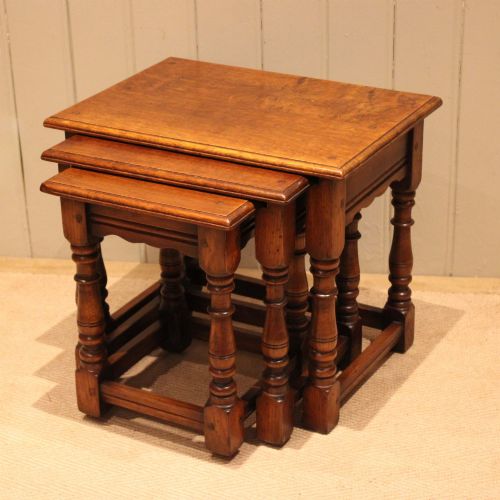
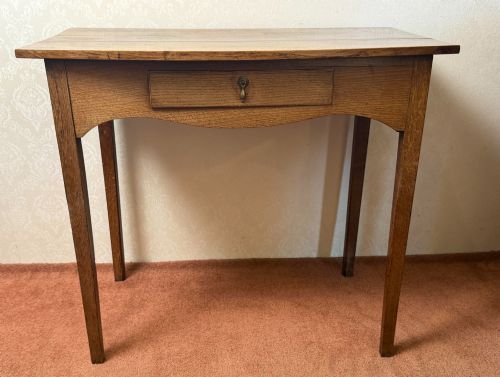
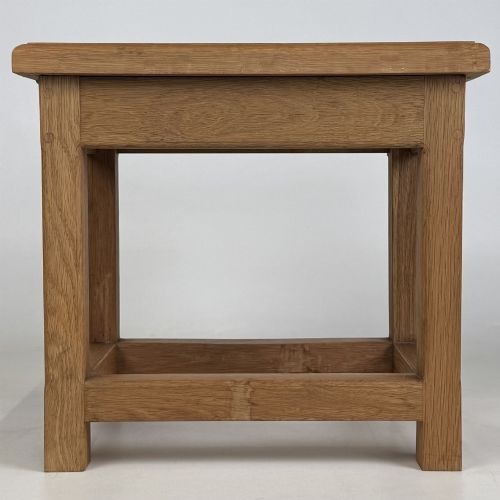
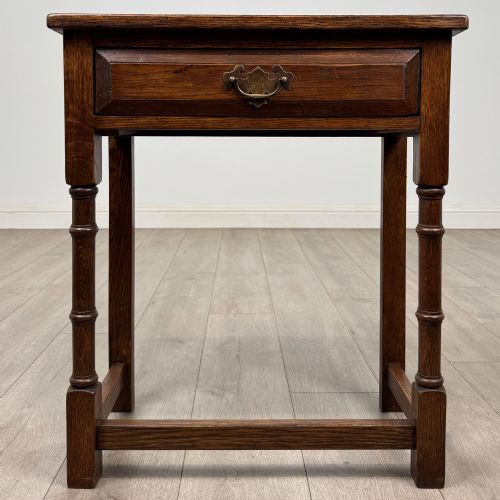
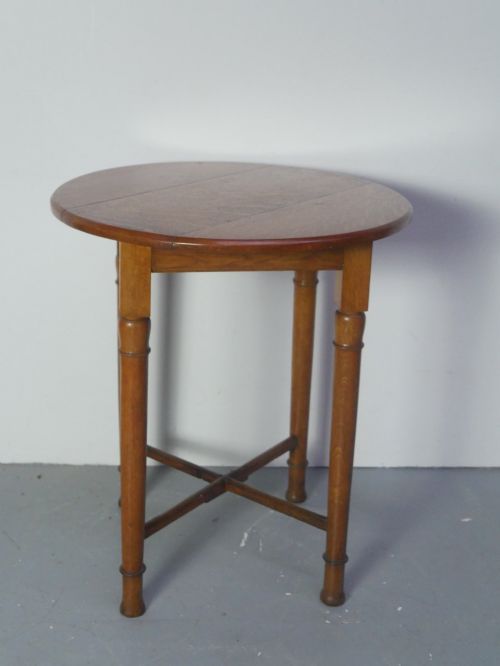
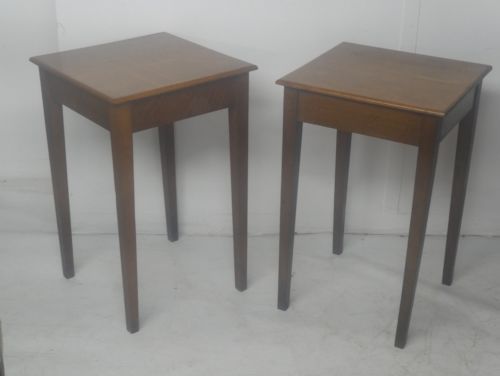
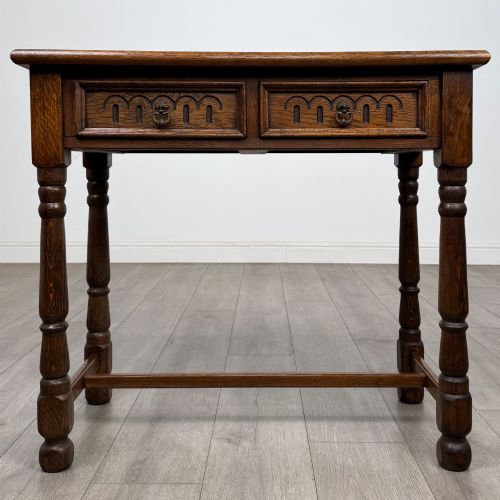
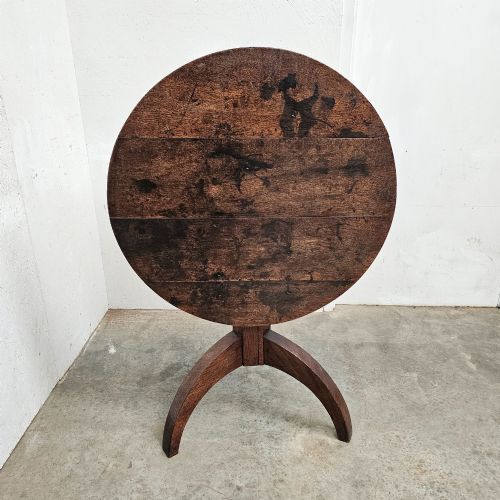
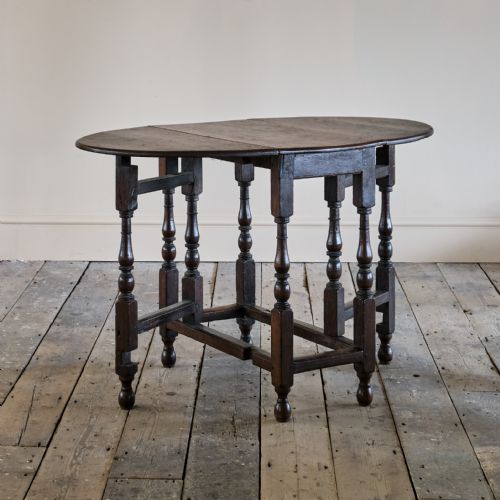
When you search for a traditional oak occasional table, you encounter compact furnishings designed for utility and ease of movement around a room. These pieces include side tables, lamp tables, gateleg tables, and cricket tables originating from periods spanning the seventeenth century through to the 1930s. Edwardian and 1920s examples appear frequently alongside older nineteenth and eighteenth century iterations.
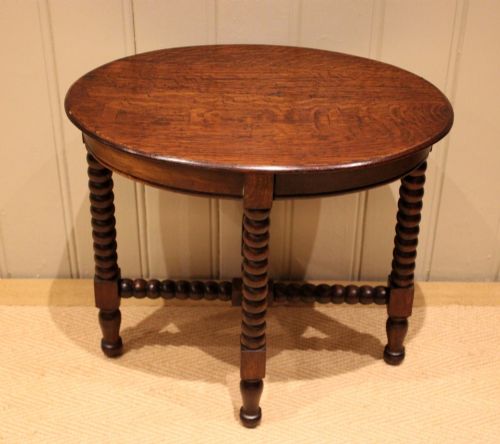
Forms vary from small oval and narrow side tables to drop-leaf coffee tables and two-tier occasional designs. Many pieces display regional English, Scottish, Welsh, French, or Dutch characteristics, reflecting local vernacular furniture traditions. Buyers select these tables for their practical proportions and the warmth of the timber grain.
Assessing quality in oak occasional tables
Quality rests upon the choice of timber and the crispness of the carpentry, where well-figured oak grain and tight joints distinguish superior examples. Tables displaying hand-carved details or thoughtful proportions show greater artisan skill than plain utility pieces.
The integrity of the construction, from stable tripod legs to smooth-operating drop-leaves and swivel tops, dictates the longevity and tactile appeal of the furniture.
A sturdy three-legged cricket table once kept teacups level on stubbornly uneven farmhouse floors.
The Traditional Oak Occasional Table Glossary
- Gateleg table
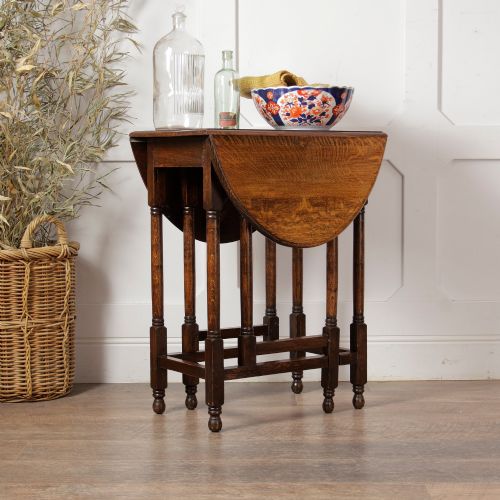
- A table with hinged drop sides supported by swing-out legs that pivot from the frame. This design allows the surface area to expand or contract depending on space requirements.
- Cricket table
- A small, lightweight occasional table traditionally supported by three legs. The three-legged design ensured stability on uneven farmhouse floors.
- Tilt-top table
- A table featuring a mechanism that allows the tabletop to pivot into a vertical position when not in use. This clever space-saving feature enabled easy storage against walls.
- Joint stool
- A sturdy wooden stool constructed using mortise and tenon joints held together by wooden pegs. They often served multi-purpose roles as low tables or seating.
- Barley twist
- A type of turning shaped to resemble a spiralling rope or column. This decorative woodworking technique became popular during the seventeenth century and saw strong revivals.
Traditional Oak Occasional Table: Frequently Asked Questions
What is an occasional table?
An occasional table is a small, moveable piece of furniture designed for specific, intermittent tasks rather than permanent placement. They serve well beside seating areas to hold lamps, drinks, or books.
Because of their compact size, these tables transfer easily between rooms to accommodate changing domestic needs.
How do I date an oak table?
Dating relies on observing construction marks, timber characteristics, and the style of turnings or carvings. Eighteenth-century pieces often display hand-sawn timber marks and pegged joinery, whereas Edwardian and 1920s examples show machine assistance.
Comparing leg styles, such as barley twists versus simple tapered legs, helps narrow down the decade of manufacture.
Are these tables solid oak?
Most traditional occasional tables utilise solid oak throughout their construction, though variations like pollard oak or secondary timbers appear in specific components. Solid timber gives the pieces their characteristic weight and durability.
Inspect the grain and underside construction to confirm the solid nature of the wood used by the maker.
How do I care for oak furniture?
Maintain oak tables by dusting regularly with a soft cloth and applying traditional beeswax periodically to nourish the timber. Avoid placing them near direct heat sources or strong sunlight to prevent the wood from drying or fading.
Using coasters and placemats protects the polished surface from moisture rings and heat marks.