
Traditional Oak Hall Bench
A traditional oak hall bench serves as a practical entrance seat, offering storage and solid timber construction through various historical periods.
Traditional Oak Hall Bench
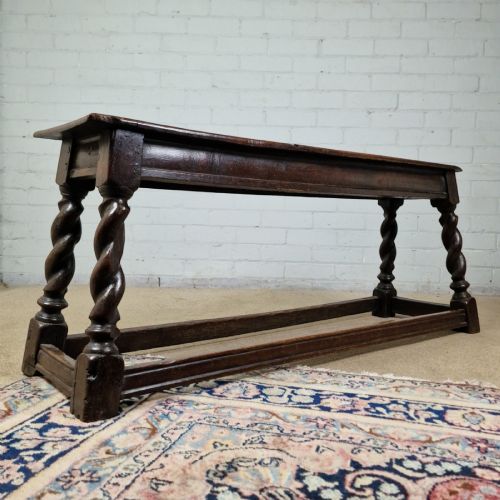
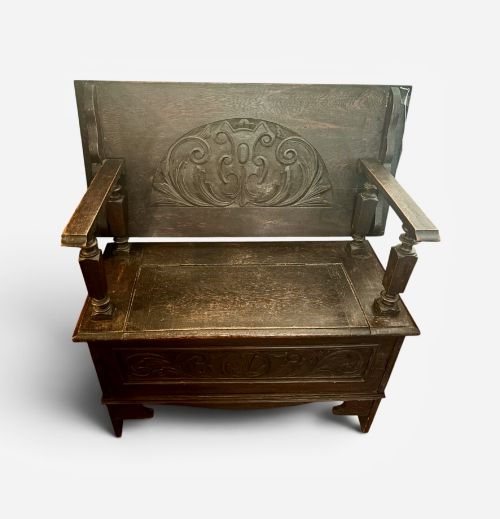
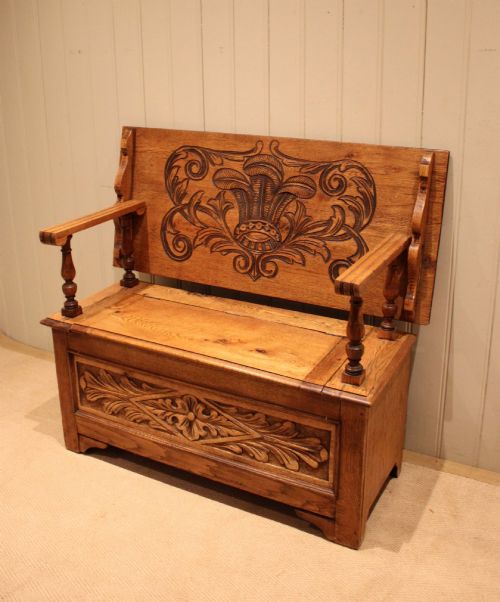
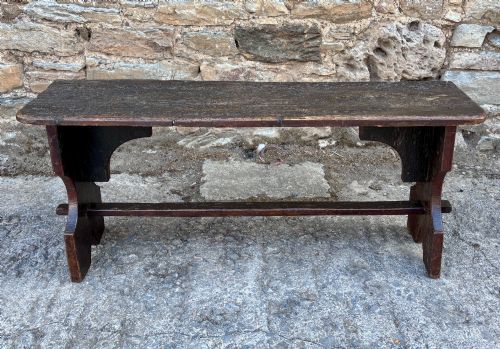
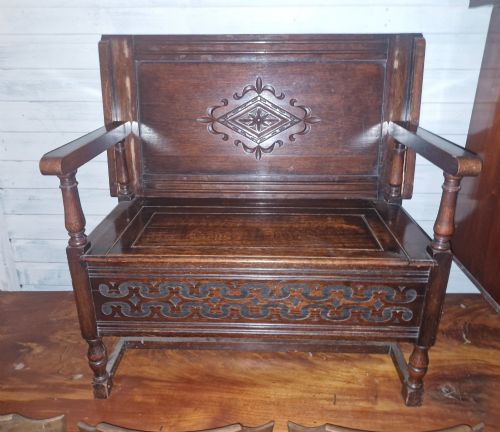
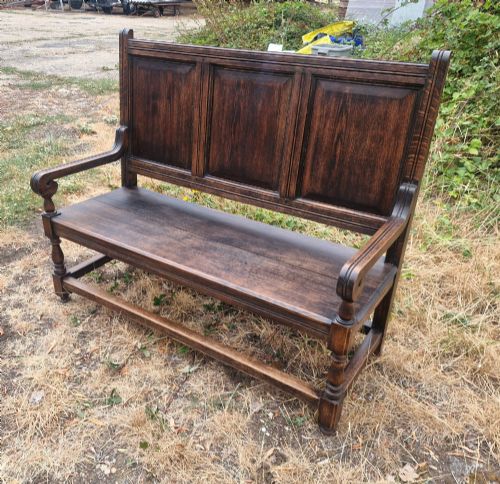
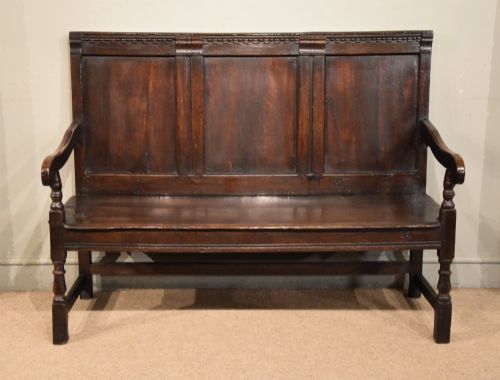
A traditional oak hall bench combines seating with hallway utility, appearing in forms such as box settles, monks benches, and long benches. These pieces originate from eighteenth-century country workshops as well as later Victorian and Edwardian revival periods.
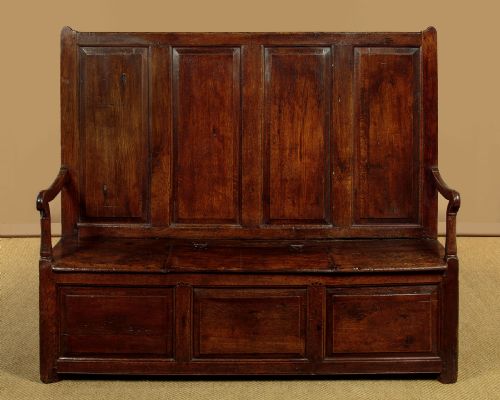
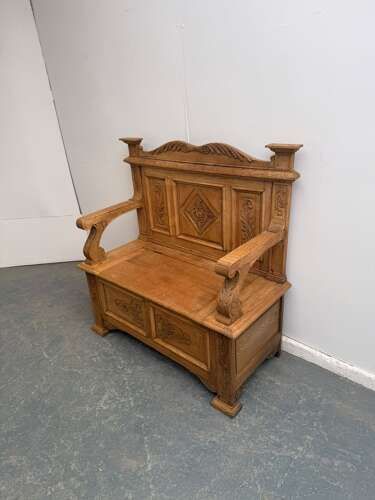
Buyers commonly encounter designs featuring lift-up seats, panelled backs, and canopy tops in solid oak. Regional variations like Welsh vernacular settles also appear alongside rustic farmhouse and country styles.
Materials and Construction
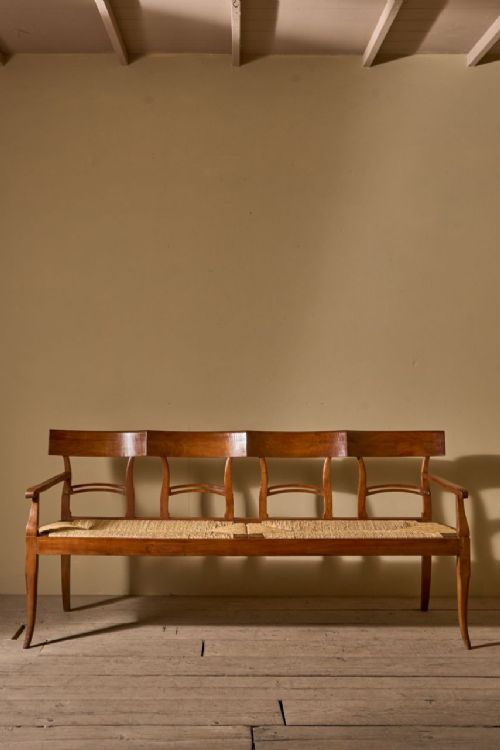
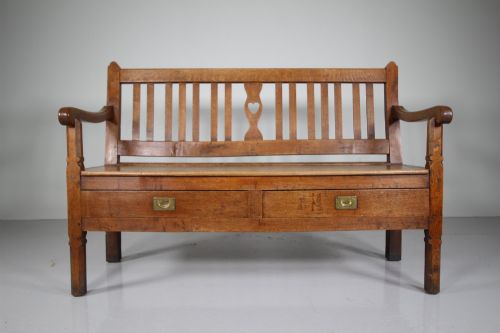
Craftsmen built these pieces primarily using solid oak timber, occasionally incorporating secondary woods like cherrywood or pine. Iron and brass hardware such as hinges and brackets fastened the storage compartments and folding elements.
Joinery methods relied on traditional panels and frames, with some examples displaying carved ornamentation on the backs and arms. Waxed, limed, or bleached surface treatments altered the natural tone of the timber.
Design styles range from Georgian and Victorian periods through to Arts and Crafts interpretations.
Standard and Craftsmanship
Quality rests upon the selection of timber and the integrity of the original joinery rather than ornamental flourishes alone. Pieces retaining their structural timber without excessive replacement parts represent better standard.
Depth of carving and proportion distinguish finer vernacular examples from simpler utility seating. The integration of functional elements, such as smoothly operating lift-up lids and fold-over tabletops, indicates higher workshop competence.
The Traditional Oak Hall Bench Glossary
- Settle
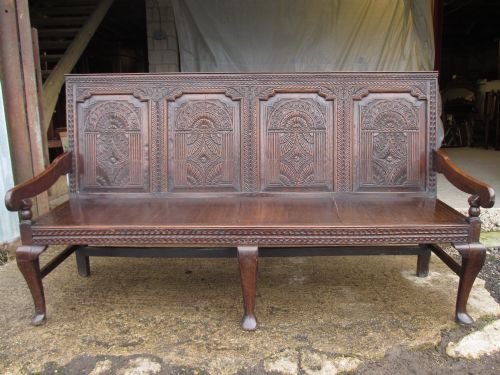
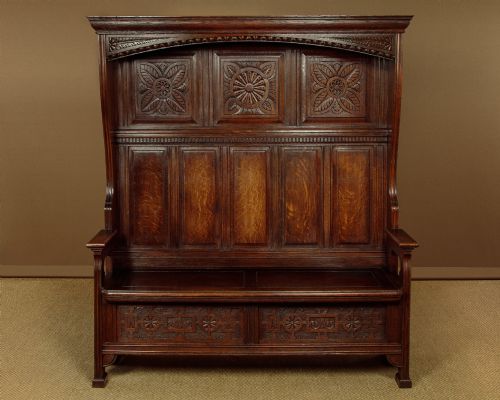
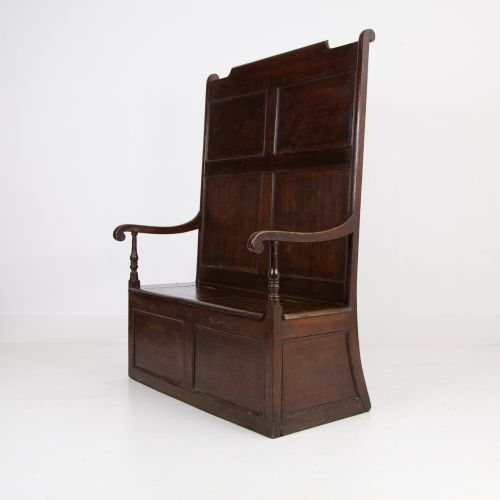
- A wooden bench with a high back, solid arms, and often a storage box beneath the seat. This form kept draughts away from the sitter in entrance halls and living spaces.
- Monks Bench
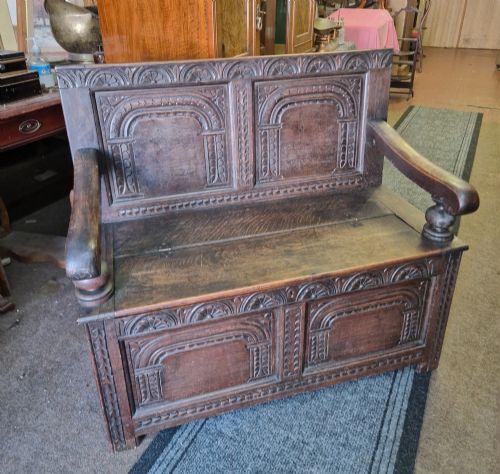
- A multifunctional item featuring a hinged top that converts the seat back into a table surface. It suits compact spaces by combining two furniture types.
- Box Settle
- A bench incorporating a compartment under the seat accessed via a lift-up lid. This cavity provided practical storage for boots and textiles.
- Welsh Vernacular
- A regional style characterised by local building traditions and sturdy construction. These pieces often display distinctive heart cut-outs or panel arrangements.
- Jacobean Revival
- A nineteenth-century stylistic movement copying seventeenth-century decorative motifs. Furniture from this period frequently displays heavy geometric carving and dark finishes.
Traditional Oak Hall Bench: Frequently Asked Questions
How were hall benches used historically?
These seats provided practical resting places in entrance halls for removing outdoor garments and footwear. Many incorporated enclosed storage beneath the seat for blankets or daily necessities.
In larger houses, high-backed variants helped block cold draughts from doorways. Some multi-functional designs also converted into tables for auxiliary tasks.
How do I identify an eighteenth-century settle?
Early pieces display hand-planed surfaces, pegged mortise and tenon joints, and panelled construction shaped by regional vernacular traditions. The timber grain typically shows natural ageing and wear consistent with extensive use.
Later revival pieces often feature machine-cut elements and standardised ornamentation. Examining the underside and interior boards reveals the hand tool marks characteristic of earlier periods.
Will a monks bench fit a modern hallway?
Monks benches offer compact footprints that suit smaller entrance spaces while providing dual functionality as seating and tables. The fold-over top mechanism requires clearance room behind the piece when transforming.
Measuring the available depth and considering door swings ensures the bench operates correctly. Interior box storage also helps clear hallway clutter.
What is the difference between a settle and a hall bench?
Settles traditionally feature high panelled backs and solid arms designed to shield the occupant from draughts. They emerge frequently from eighteenth-century and vernacular country traditions.
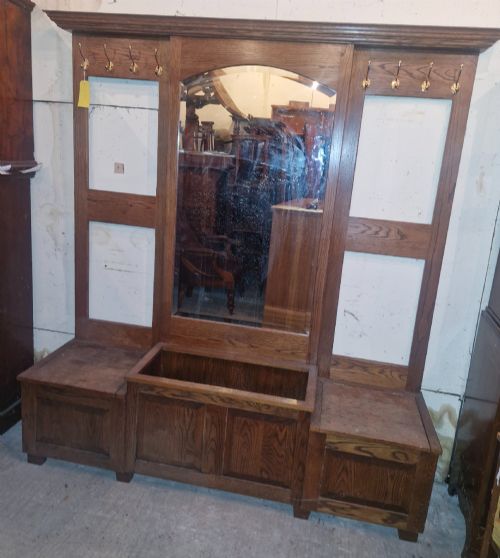
Hall benches often span Victorian and later periods, sometimes incorporating umbrella stands, coat hooks, or open storage shelves. Their designs focus on general entrance utility rather than draught exclusion.