


Traditional Oak Entryway Seating
Traditional oak entryway seating brings robust timber benches and settles into the hall, offering practical hallway storage alongside centuries of domestic craft.
Traditional Oak Entryway Seating
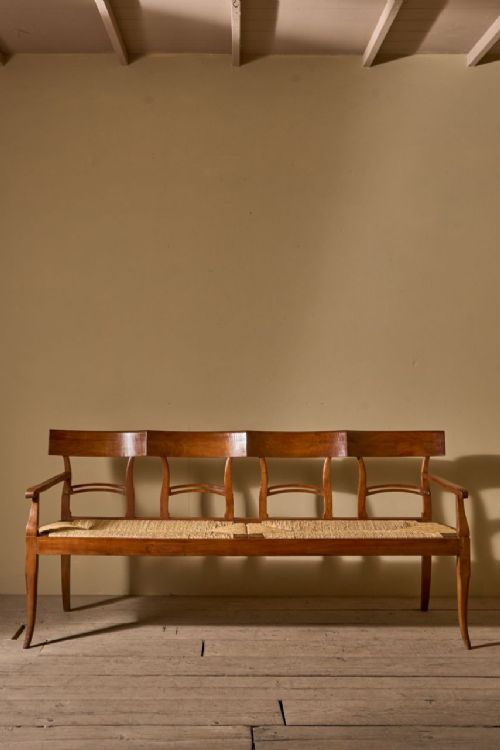
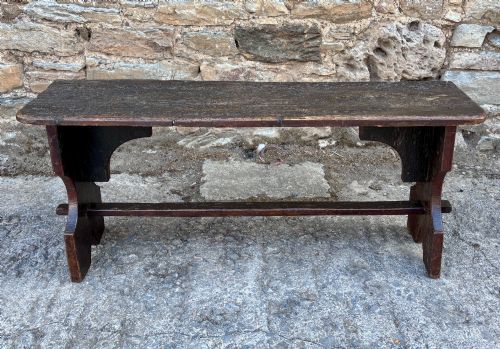
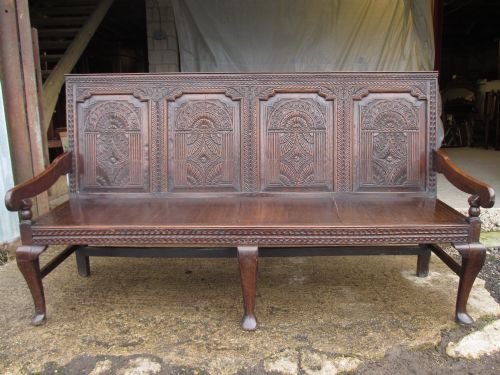
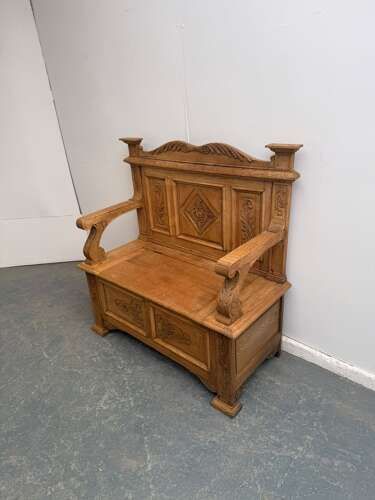
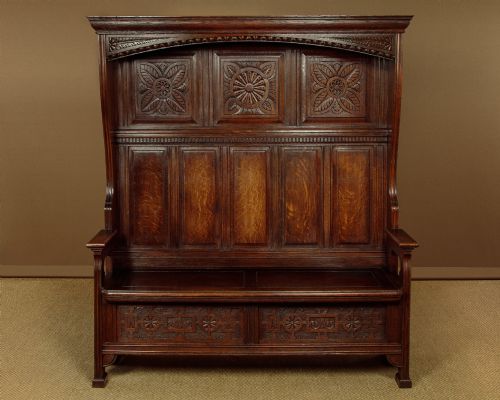
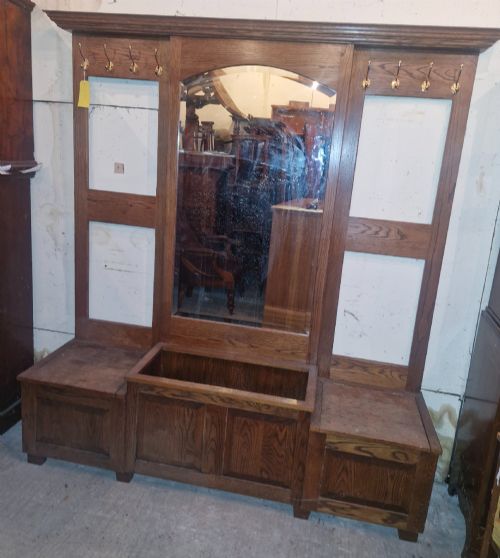
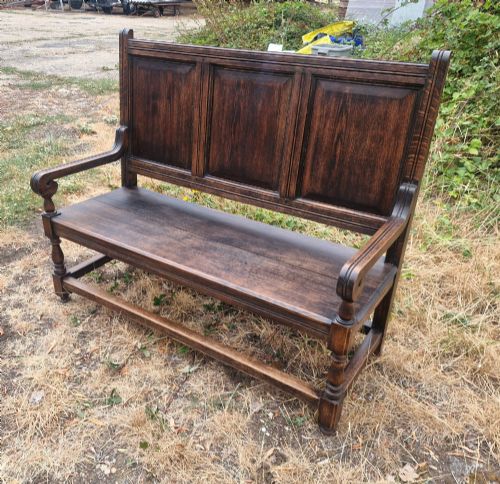
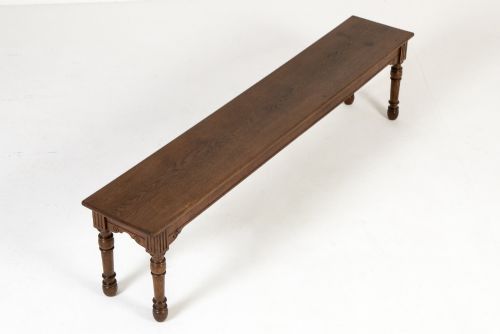
Traditional oak entryway seating comprises benches, settles, and hall chairs designed for corridors, porches, and entrance spaces. These pieces range from simple 18th century panelled settles to Victorian carved hall benches and early 20th century box seats.
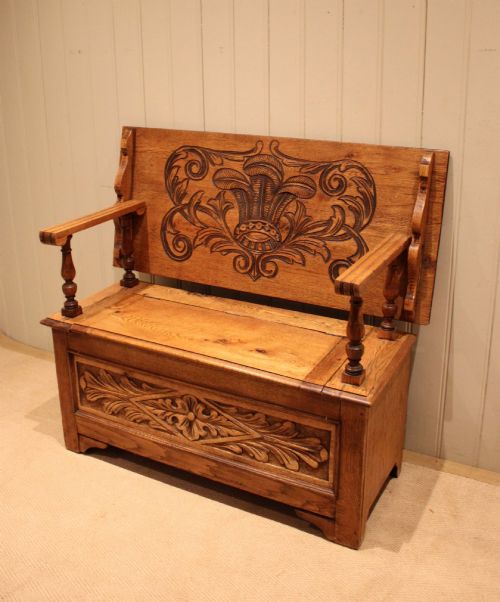
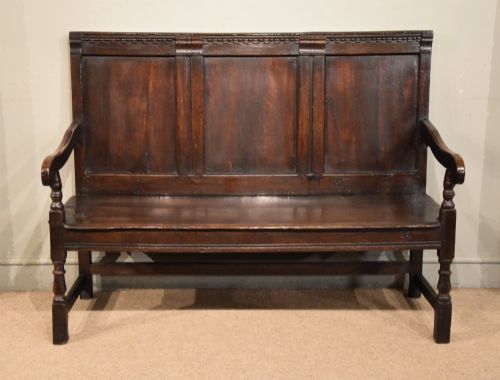
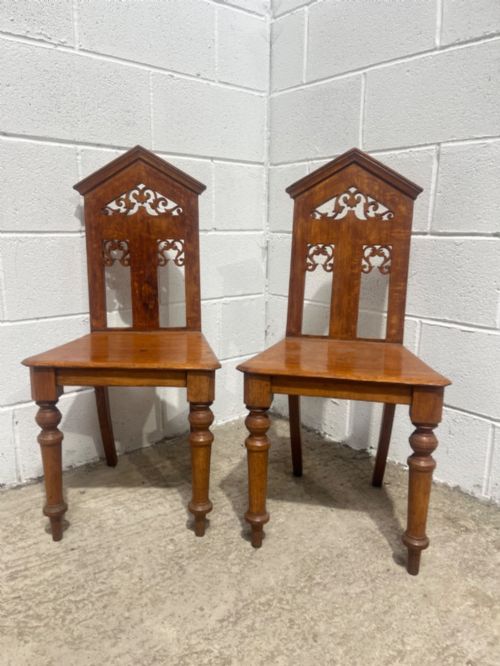
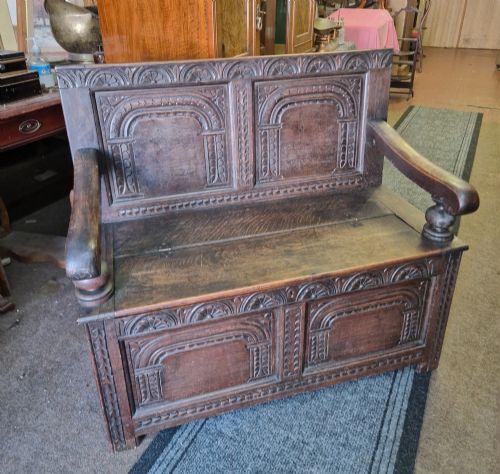
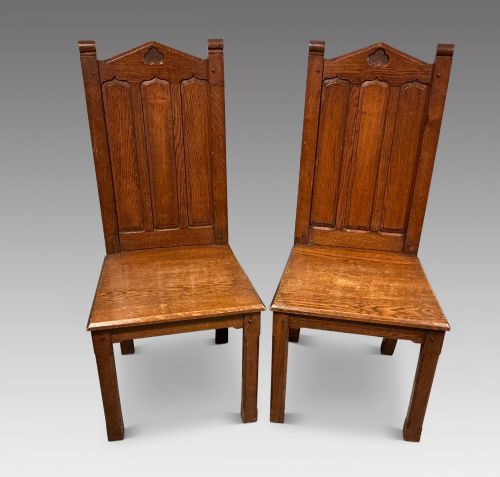
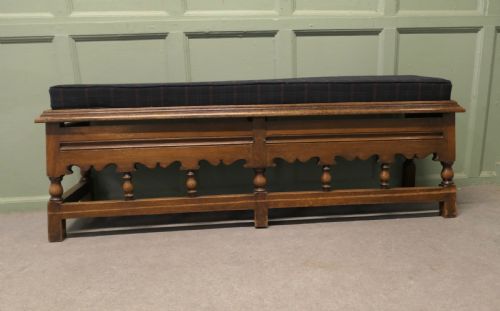
The version most commonly met on this page is the oak settle or hall bench, often incorporating a lift-up lid for storage or a high panelled back to block draughts. Chairs appear singly or in pairs, alongside multi-functional pieces that double as boot stores and window seats.
Origins stretch across several eras, with pieces dated to the 18th century, the Victorian period, and the early 20th century. Styles span English Country, Georgian, Jacobean Revival, and Gothic Revival, reflecting diverse periods of British and continental vernacular design.
How these pieces were constructed
Makers utilised solid oak, timber, and occasionally cherrywood, building sturdy frames designed to withstand heavy daily use in busy entrance halls. Joinery relied on traditional panel construction, pegning, and framing to keep large sections of timber stable over centuries.
Carving, panelling, and turning provided surface decoration on backs and arms, while secondary materials like rush seating, fabric upholstery, and brass fittings added texture and utility. Wax finishes, limed treatments, and pale bleaching altered the surface appearance of the wood during various periods of production.
Listings span several centuries of production, featuring solid oak, cherrywood, and rush alongside fabrics and brass fittings.
What separates the finest examples
Quality in traditional oak entryway seating rests on the integrity of the timber and the depth of the initial craftsmanship. Pieces featuring heavy, well-figured solid oak panels and crisp, hand-carved detailing stand apart from plainer, later vernacular iterations.
Proportion and functional cleverness also define the upper tier, where built-in storage compartments, canopy tops, or integrated boot stores operate smoothly within robust structural frames. The preservation of original surfaces, whether waxed, limed, or naturally aged, distinguishes untouched examples from those altered over time.
The Traditional Oak Entryway Seating Glossary
- Settle
- A wooden bench with a high solid back, arms, and often a box seat compartment underneath. Historically positioned near hall fires to keep out draughts.
- Hall bench
- A long seat designed specifically for an entrance hall or passage, frequently incorporating storage for boots and outdoor wear.
- Panelled
- Constructed with framed wooden panels fitted into grooves within stiles and rails. This technique allows timber to expand and contract safely with humidity changes.
- Jacobean Revival
- A 19th-century stylistic movement copying 17th-century forms. Characterised by heavy proportions, geometric mouldings, and strapwork carving.
- Rush seating
- Woven seat construction made from dried marsh rushes. Found on lighter hall chairs rather than heavy timber settles.
Traditional Oak Entryway Seating: Frequently Asked Questions
Where should I place a settle?
Traditional settles suit large entrance halls, boot rooms, and wide corridors where their high backs can anchor a space. They also function well against long living room walls.
Ensure you measure the clearance for opening lift-up lids or doors, as these benches were originally built for generous architectural proportions.
How do I maintain oak hall furniture?
Solid oak benefits from occasional waxing using traditional beeswax to nourish the timber and maintain a soft sheen. Avoid placing pieces near direct heat sources to prevent wood splitting.
Dust regularly with a soft, dry cloth and address spills immediately to protect the historic surface finishes.
How can I date an oak bench?
Dating relies on examining construction methods, tool marks, timber selection, and stylistic motifs. Hand-riven boards, pegged joints, and vernacular carving styles point to earlier periods.
Hardware such as brass hinges, alongside secondary woods like cherrywood, also helps narrow down the era of manufacture.