
Carved Timber Accent Seat
A carved timber accent seat brings historic craftsmanship and striking silhouette into a hallway or reception room.
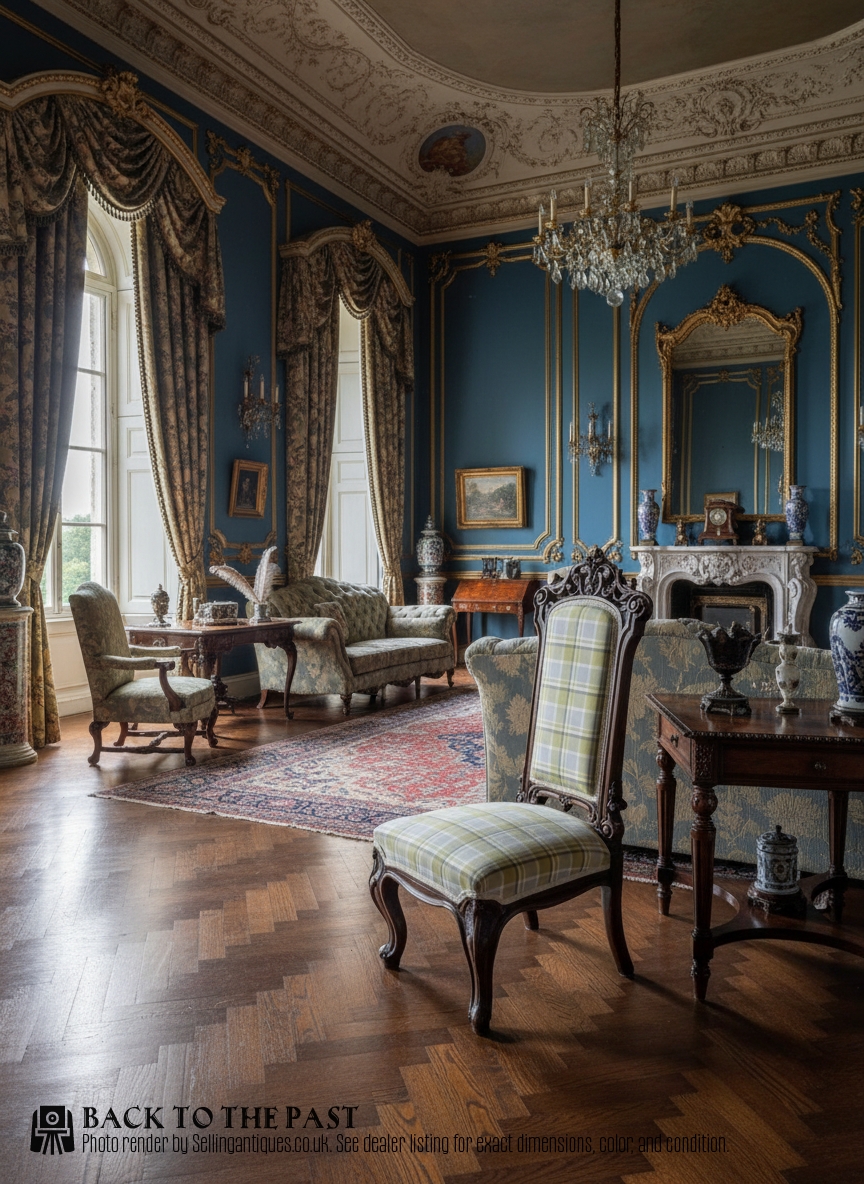
Carved Timber Accent Seat
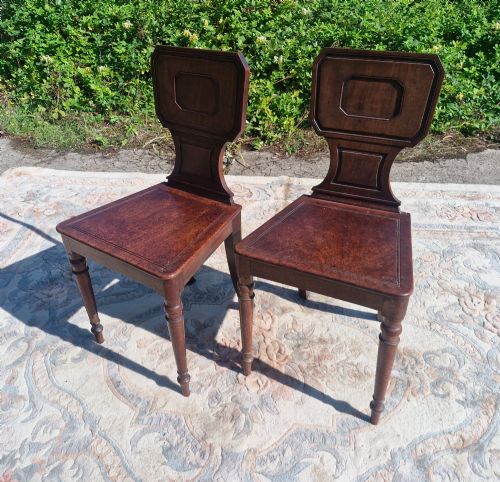
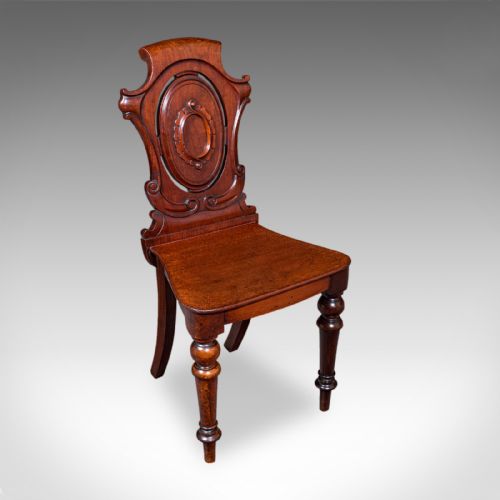
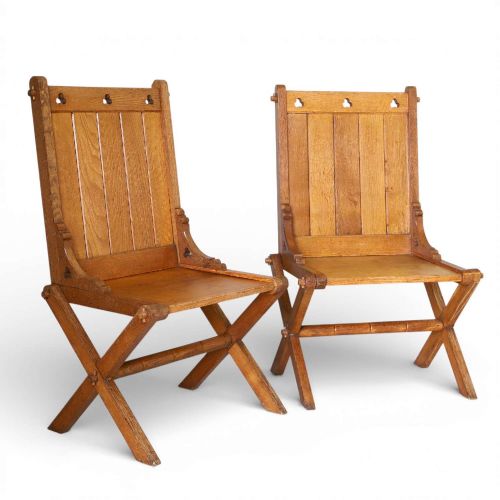
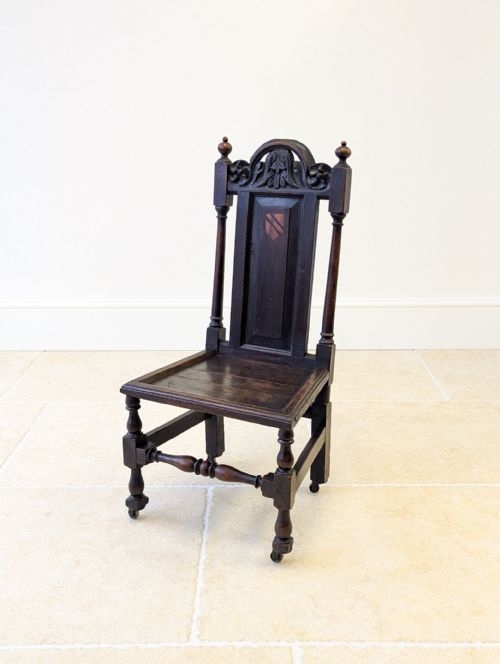
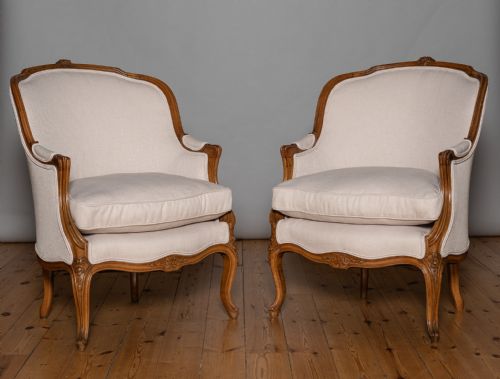
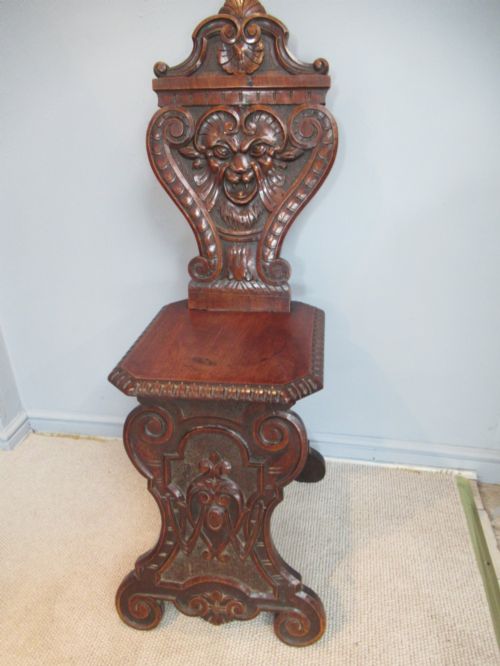
A carved timber accent seat primarily takes the form of a hall chair, side chair, or armchair designed to anchor a room with distinct sculptural presence. These pieces emerge from periods spanning the seventeenth century through the Victorian era, Regency, and early twentieth century.
Materials and construction methods
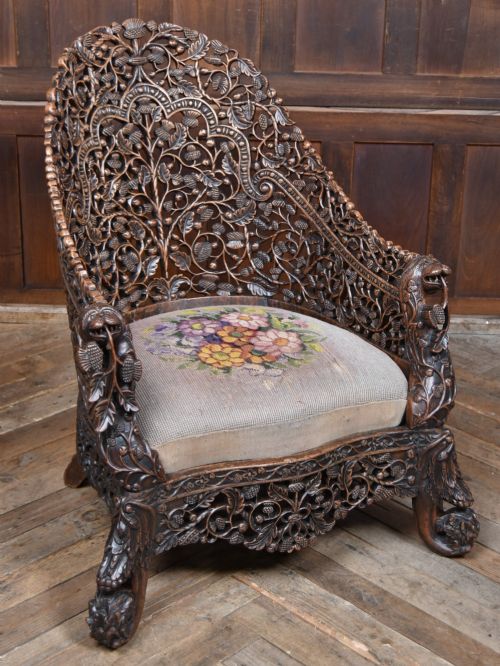
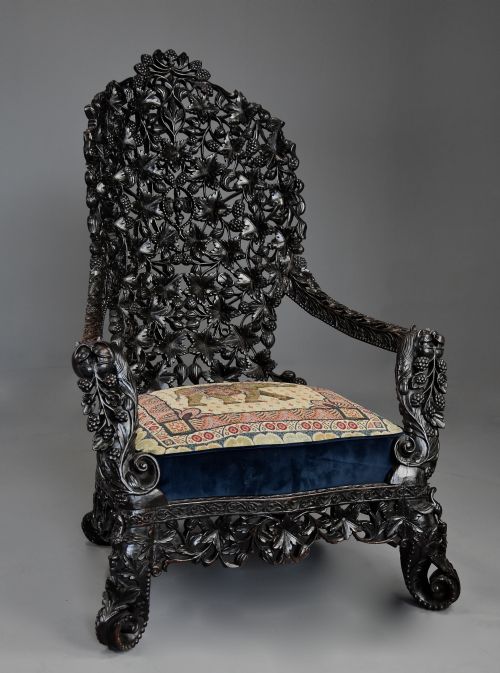
Cabinetmakers relied on durable timbers such as mahogany, oak, walnut, and blackwood to support deep chisel work and structural joinery. These woods provided the necessary density for intricate relief carving along chair backs and rails.
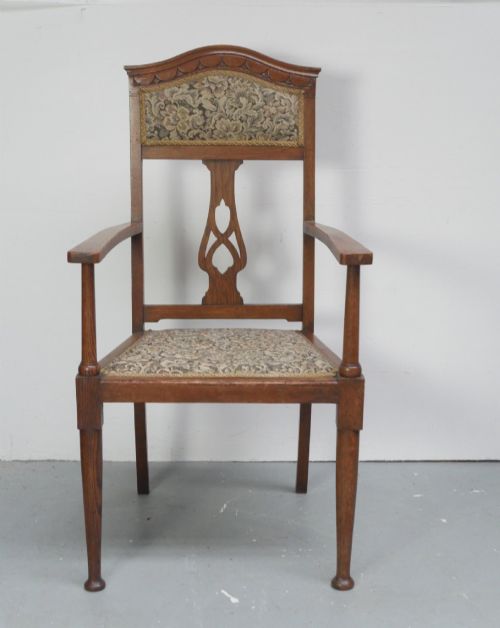
Metal fixings like brass appear alongside secondary materials including fabric and tapestry upholstery where seats call for soft additions. Construction ranges from solid timber panels to folding frames and turned supports.
Listings feature timber varieties including mahogany, oak, walnut, and blackwood across Victorian, Regency, and Georgian periods.
Evaluating the standard of craftsmanship
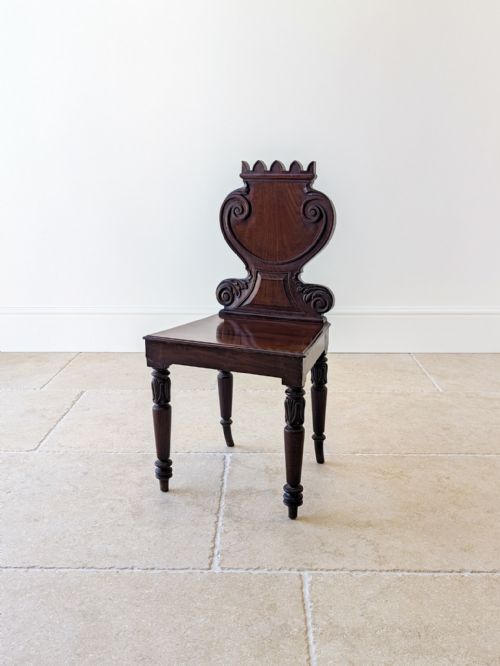
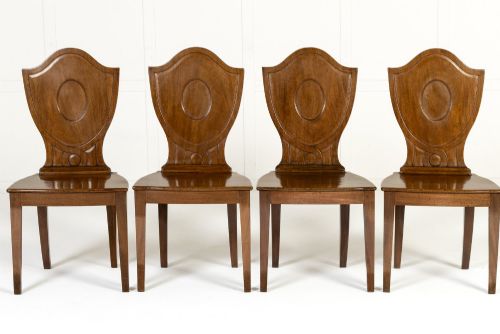
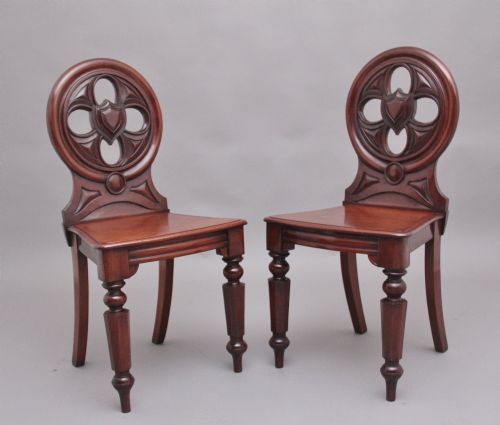
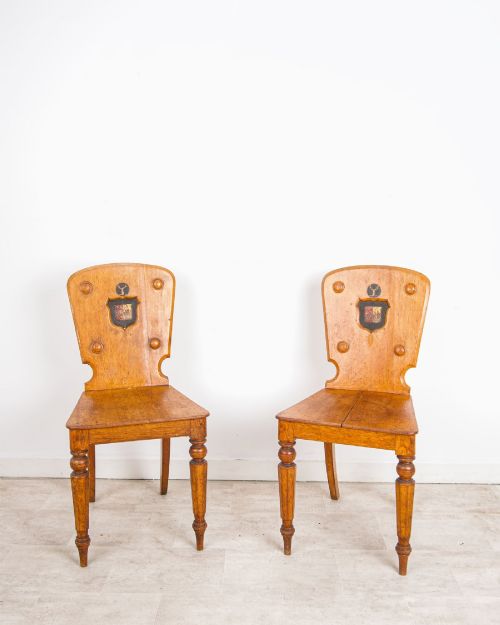
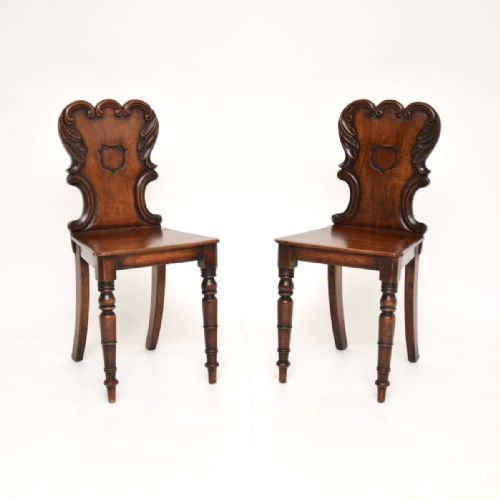
The distinction between standard utility seating and exceptional work lies in the crispness and depth of the timber carving. Superior examples exhibit deliberate, sharp relief work on shield backs, trefoil details, or applied crests rather than shallow or softened moulding.
Timber selection and structural integrity also dictate the calibre of a piece, with well-figured mahogany or quarter-sawn oak maintaining tighter joints and richer grain patterns over centuries of use.
Gillows·White, Allom & Co.·Wheeler Of Arncroach
The Carved Timber Accent Seat Glossary
- Hall chair
- A stiff-backed timber seat traditionally positioned in a grand entrance hall, often featuring a carved or painted family crest. These chairs prioritized visual impact and heraldry over cushioned comfort.
- Shield back
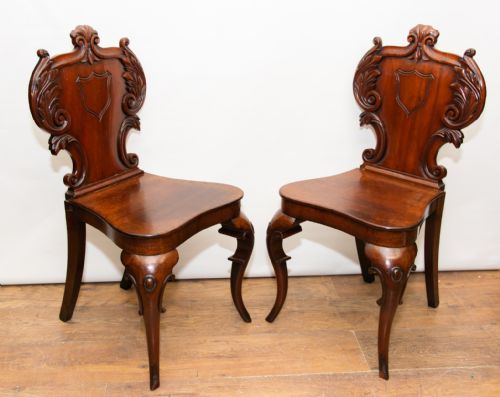
- A chair back shaped in the outline of a heraldic shield, frequently carved from solid mahogany or walnut. This design gained prominence during the Georgian and Regency periods.
- Gothic Revival
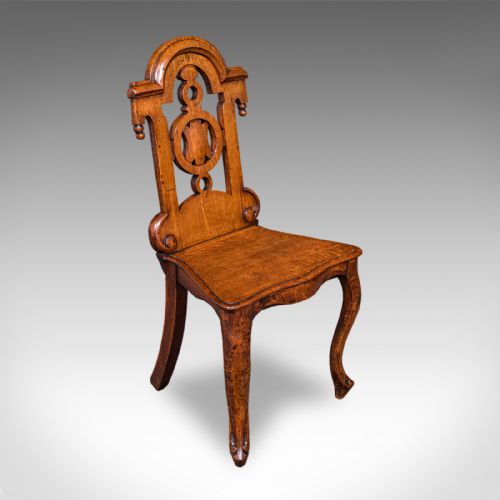
- An architectural and decorative style popular in the nineteenth century that revived medieval motifs such as trefoils, pointed arches, and heavy tracery. Pieces in this style display pronounced vertical lines and ecclesiastical carving.
- Jacoboan Revival
- A nineteenth-century stylistic movement imitating seventeenth-century English furniture. It utilises dark oak, turned legs, and geometric panel carving.
- Aesthetic Design
- A late nineteenth-century movement emphasising simplicity of form and artistic visual qualities over strict historical revivalism. It valued handcrafted appearance and harmonious proportion.
Carved Timber Accent Seat: Frequently Asked Questions
Where should I place a hall chair?
A hall chair works effectively as an accent piece in an entryway, hallway, or empty corner where its carved timber back can be fully appreciated.
Because these seats were historically designed for occasional use rather than long periods of sitting, they suit spaces focused on aesthetic impact.
How do I identify a Regency period chair?
Regency chairs typically display classical influences inspired by ancient Greece and Rome, utilising dark timbers like mahogany with restrained brass inlay or bold carved backs.
Look for clean architectural lines and characteristic motifs such as reeded legs and scrollwork dating from the early nineteenth century.
What is the difference between oak and mahogany seats?
Oak seats frequently appear in earlier pieces, Gothic Revival designs, and Jacoboan styles, showing prominent grain patterns and robust, heavy construction.
Mahogany was the preferred timber for formal nineteenth-century hall chairs, allowing cabinetmakers to achieve smoother surfaces and sharper carved relief details.
Are these chairs suitable for daily seating?
Most historic timber seats, particularly wooden-seated hall chairs, were constructed for formal presentation rather than lounging.
They function best as decorative accent seating or occasional chairs rather than primary dining or desk seating.