


Traditional Oak Display Rack
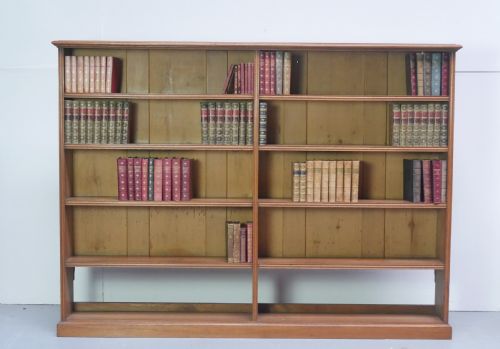
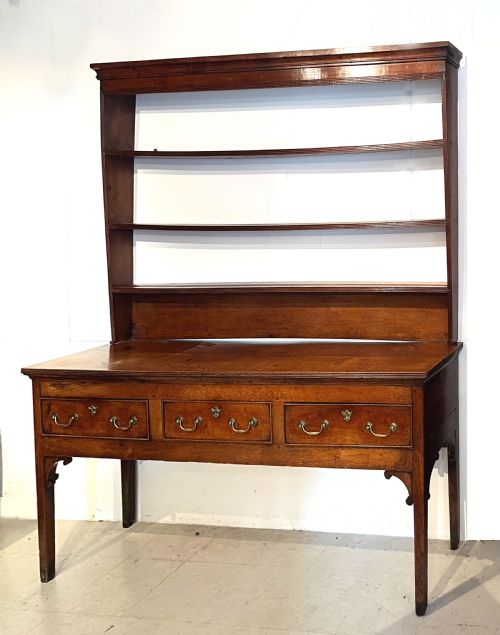
A traditional oak display rack offers sturdy timber shelving for plates and books, bringing rural character and practical storage into the room.
Traditional Oak Display Rack
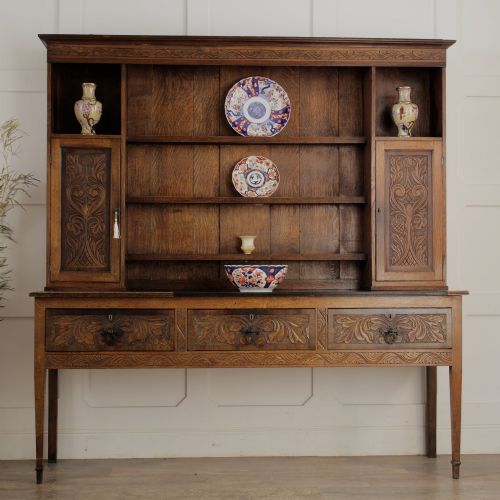
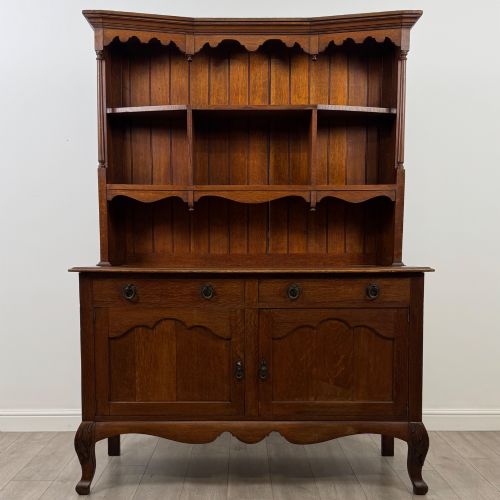
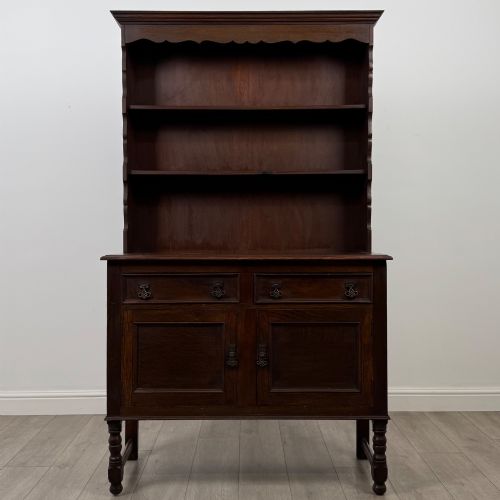
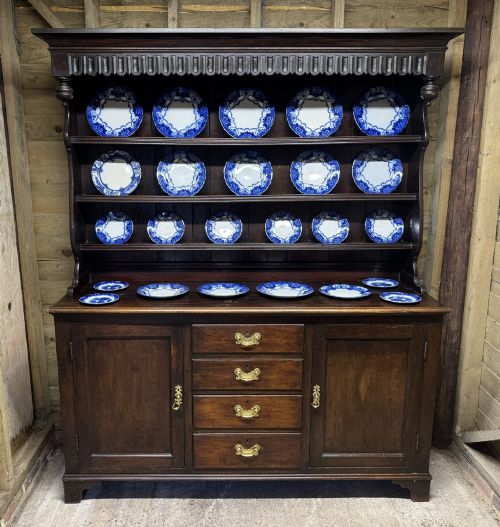
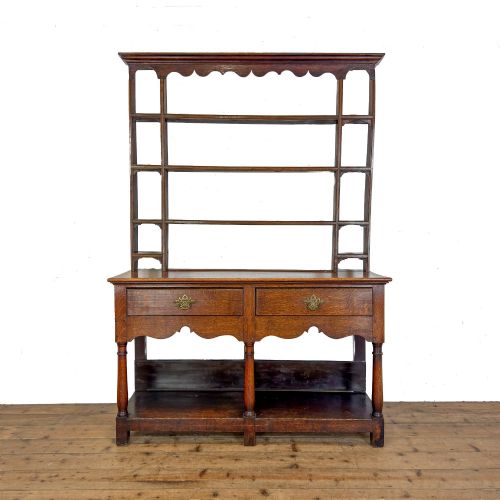
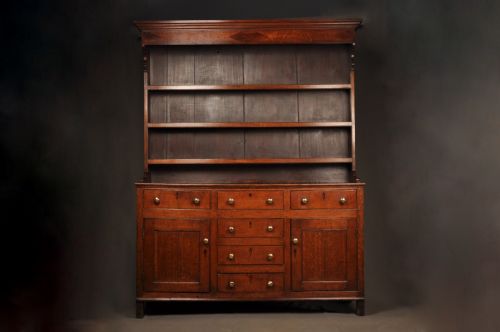
A traditional oak display rack brings together provincial storage forms ranging from open plate racks and wall units to large Welsh dressers with integrated shelving. These pieces appear across multiple periods including the eighteenth century, Georgian era, Victorian period, and Edwardian years.
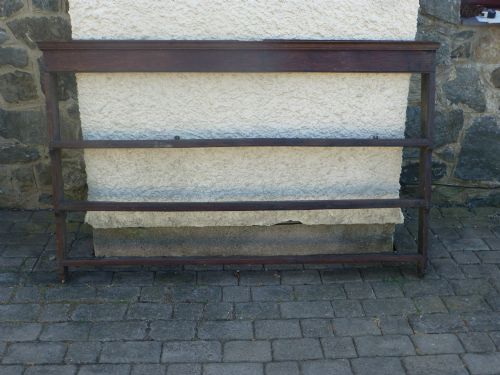
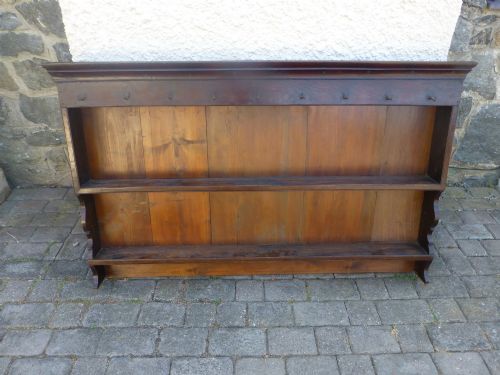
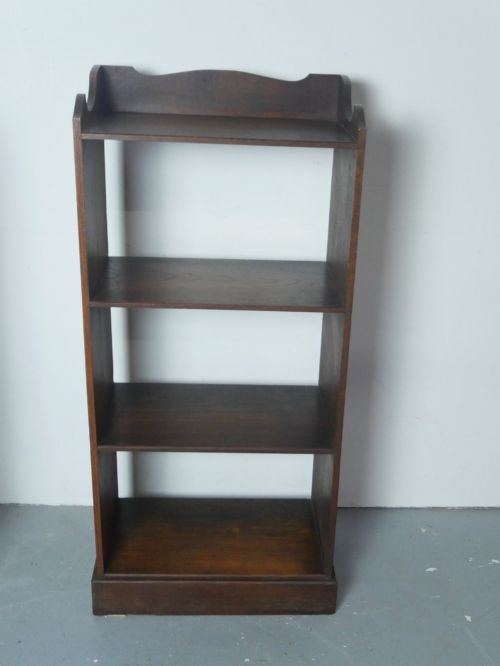
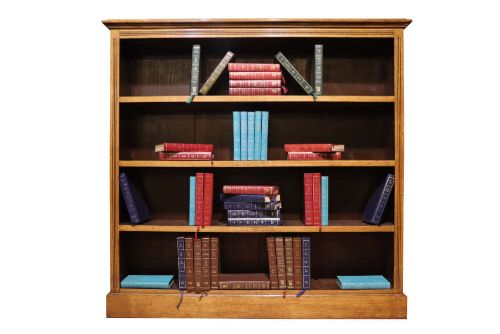
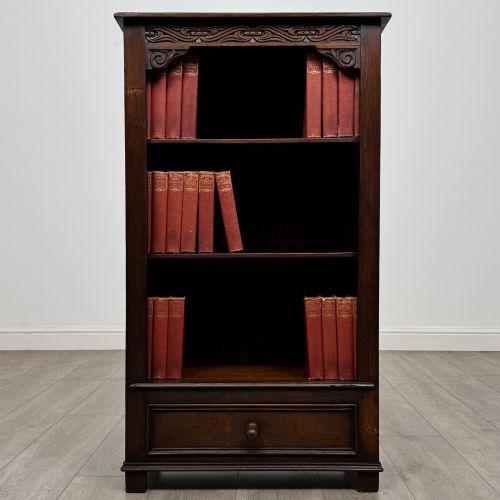
The buyer meets both independent wall-mounted plate racks and substantial base dressers featuring upper display tiers. Regional examples like Welsh and Snowdonia country pieces sit alongside bookcases and open shelves shaped in English country and Jacobean revival styles.
Early eighteenth-century potboard dressers represent the foundation of this category, while later nineteenth- and twentieth-century interpretations maintain the utilitarian use of oak for displaying ceramics and literature.
Assessing Quality
The distinction between tiers rests in the depth of timber figure, the crispness of carved detail where present, and the integrity of early surfaces. Pieces displaying original hardware and unblemished structural proportions command greater attention from collectors.
Proportion and scale dictate the success of the piece, with smaller country examples and early potboard forms showing finer regional vernacular details than later mass-produced alternatives.
Listings feature oak alongside brass, iron, pewter, and pine across Georgian, Victorian, and Edwardian periods.
The Traditional Oak Display Rack Glossary
- Welsh dresser
- A traditional combination of lower cupboards or drawers with an upper open rack for displaying plates. This form originated in rural farmhouses for domestic utility.
- Plate rack
- An open wall-mounted or dresser-integrated tier designed to hold plates upright on edge. Grooved wooden bases keep ceramics secure.
- Potboard
- An open slatted lower shelf found beneath early dressers. It provided a dry storage space for pots and heavy kitchen utensils.
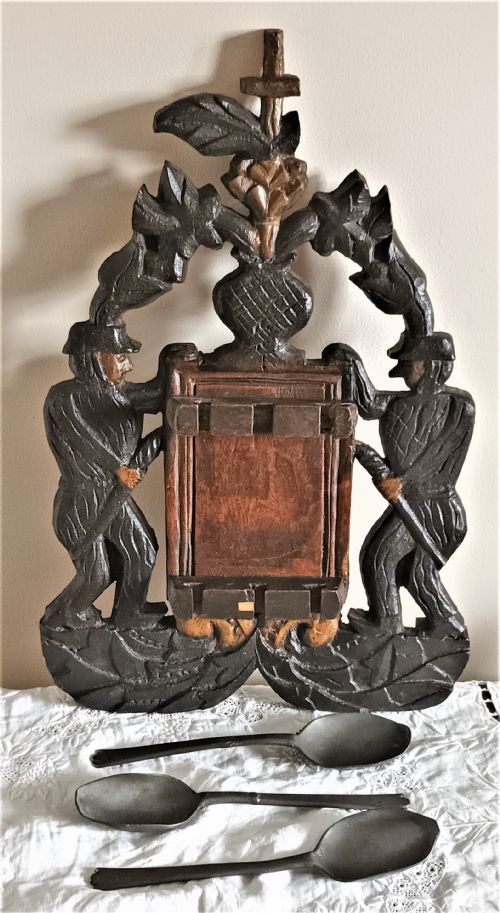
- Trefid spoon
- An early form of dining spoon with a broad flat terminal notched into three lobes. These appear alongside period spoon racks.
Traditional Oak Display Rack: Frequently Asked Questions
What is a traditional oak display rack used for?
These pieces serve as practical storage and display furniture for domestic ceramics, kitchenware, and books. They allow functional items to be stored securely while remaining visible within a living space.
Historically, the lower sections held larger vessels while the upper racks displayed pewter or delft plates for everyday use and decoration.
How do I date a traditional oak display rack?
Dating relies on examining construction methods, timber patination, and stylistic markers such as Georgian mouldings or Edwardian proportions. Early pieces often exhibit hand-planed surfaces and pegged joinery.
Later twentieth-century examples show more uniform machining and standardised hardware, distinguishing them clearly from eighteenth-century country furniture.
Where should I place a display rack in my home?
These racks suit kitchens, dining rooms, and living areas where wall space permits open shelving. Freestanding dressers require adequate floor space and clearance for base drawers or cupboards.
Wall-hung plate racks need secure fixing into solid masonry or studwork to support the weight of timber and heavy ceramic plates.
Are these racks suitable for modern interiors?
The warm grain of oak and simple country styling allow these pieces to integrate smoothly into contemporary rooms. They provide functional vertical storage without overwhelming modern living spaces.
Their utilitarian origins give them a relaxed character that complements minimalist or rustic interior schemes alike.