


Traditional Nursing Chair
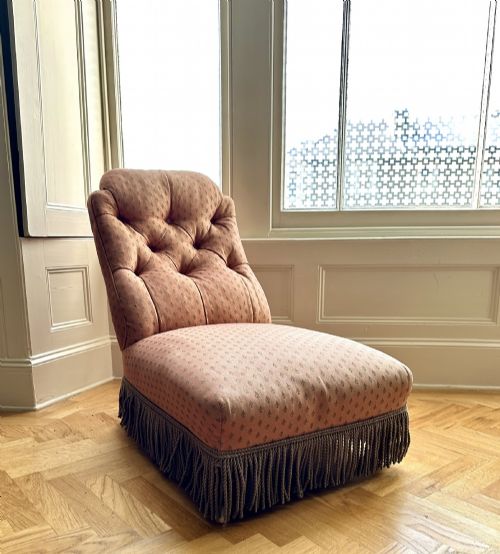
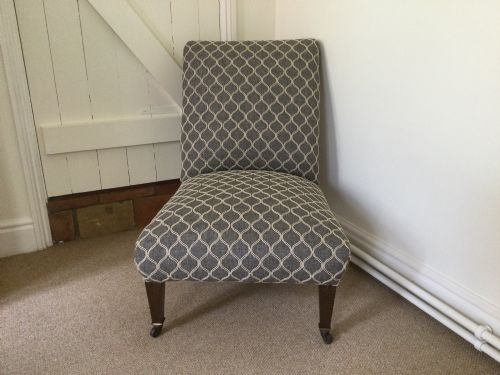
A traditional nursing chair is a low-seated seat designed for comfort, and you will find these compact Victorian and Edwardian pieces ideal for bedroom use.
Traditional Nursing Chair
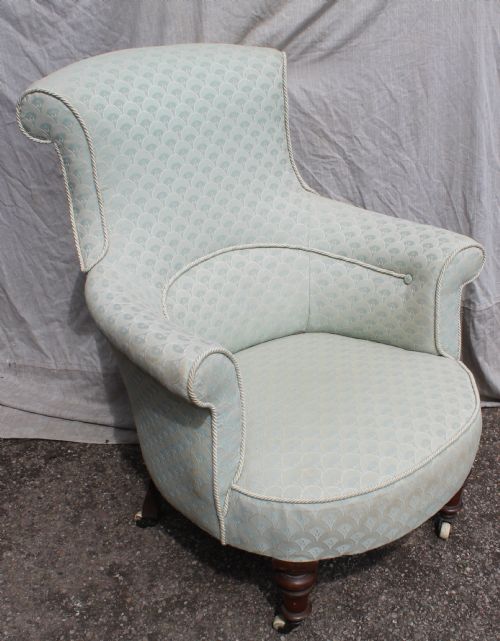
A traditional nursing chair brings a low profile and an upright, supportive back to the bedroom or fireside, echoing forms that span the nineteenth century and the Edwardian period. Buyers searching for a traditional nursing chair encounter compact proportions specifically created to sit lower to the ground than standard parlour seating.
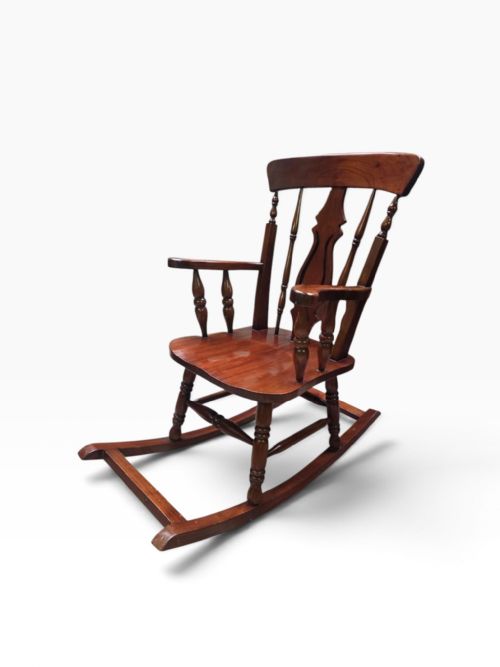
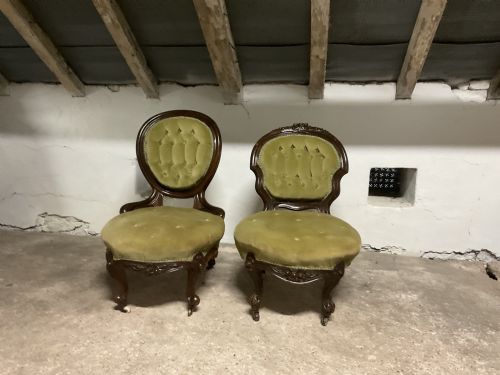
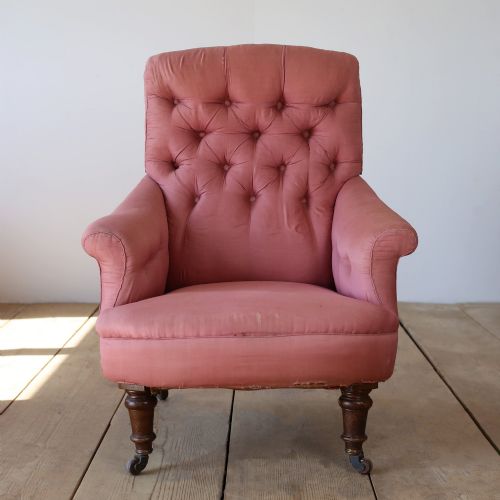
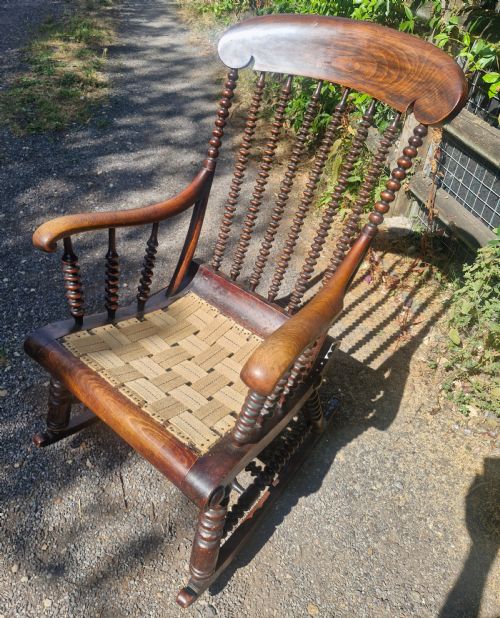
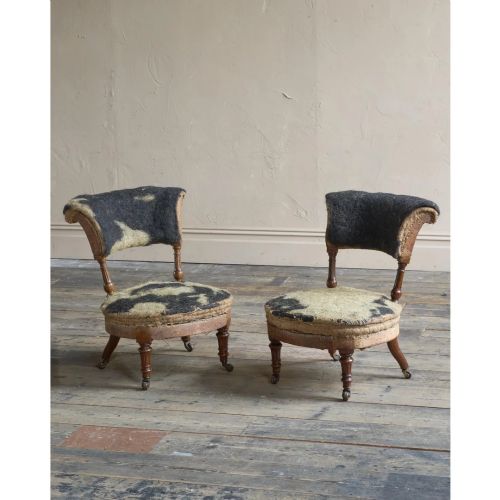
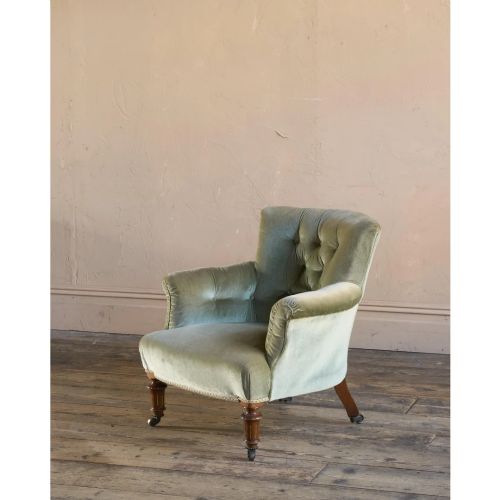
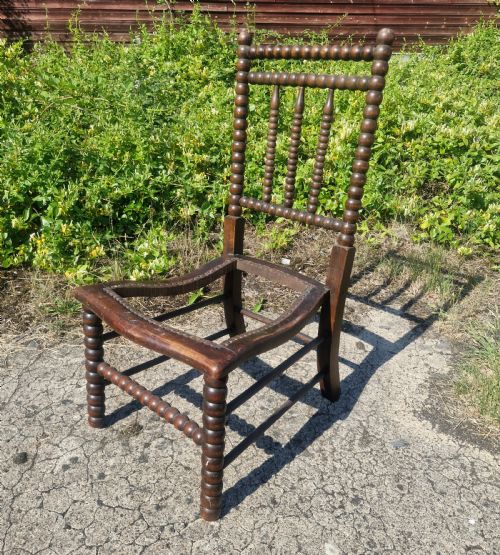
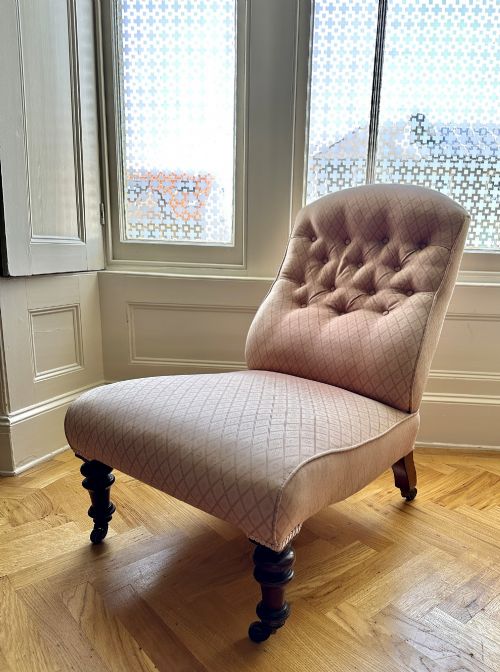
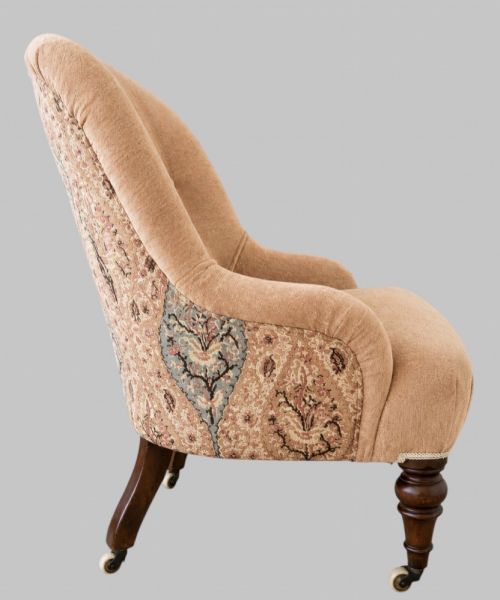
The selection here is dominated by Victorian and Edwardian examples, alongside related slipper and bedroom chairs in woods such as mahogany, oak, walnut, beech, elm, and ash. Many pieces retain button-backed upholstery, velvet, or linen fabrics, presenting varied heights and frame shapes from simple bobbin turnings to carved mahogany.
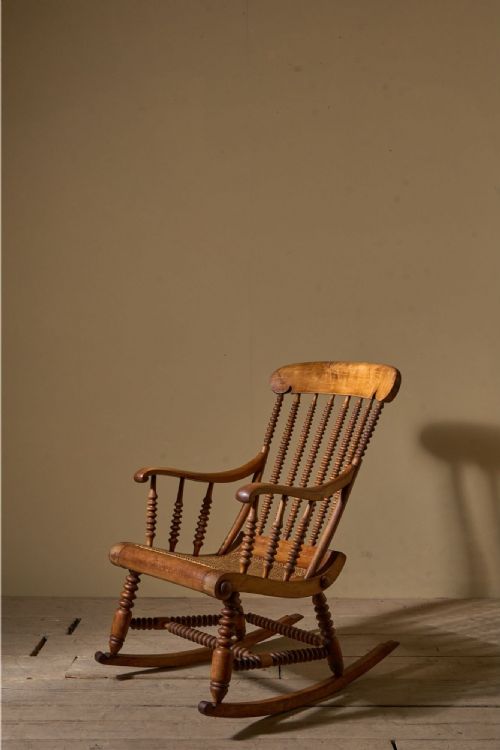
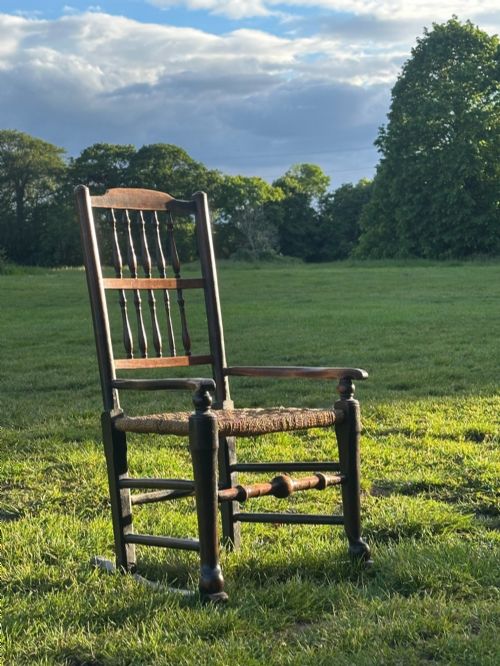
Makers and regional styles emerge through specific forms, including Windsor rocking versions, low seat bedroom chairs, and diminutive frames stamped by makers or attributed to workshops like Gillows and Howard and Sons.
What varies in quality
The distinction between ordinary and superior pieces rests on the integrity of the timber frame, the crispness of any carved or turned detail, and the retention of original maker stamps or labels. Examples bearing attribution to established workshops display finer proportions and more robust joinery.
Upholstery quality depends on whether the piece retains its period textile execution or historical covering materials, alongside the structural soundness of the internal springing and webbed foundation beneath the fabric.
Object types span armchairs, rocking chairs, slipper chairs, nursing chairs, bedroom chairs, accent chairs, and side chairs.
Gillows·Howard and Sons·Wheeler
The Traditional Nursing Chair Glossary
- Slipper chair
- A low-seated upholstered chair originally designed for a bedroom or dressing room to allow easy dressing. These pieces lack arms and stand close to the floor.
- Button back
- An upholstery style where depressions are formed in the padded back by sewing through the stuffing to pull buttons deep into the fabric. This creates a diamond-tufted pattern.
- Bobbin framing
- A style of turned woodwork resembling a string of rounded bobbins or spools. It appears frequently on nineteenth-century chair legs and structural uprights.
- Spoon back
- A padded chair back shaped like the bowl of a spoon, curving inwards to fit the human spine. This form is characteristic of mid-nineteenth-century seating.
Traditional Nursing Chair: Frequently Asked Questions
What is a traditional nursing chair used for?
These low seats were originally placed in bedrooms and nurseries to allow a person to sit comfortably while holding an infant or dressing. Their reduced height made daily tasks easier.
Today, they serve as accent chairs in bedrooms, dressing rooms, or small sitting areas where space is limited and a lower profile works best.
How do I date a nursing chair?
Dating relies on examining the framing timbers, turning styles, and upholstery techniques used in the piece. Victorian examples often feature mahogany frames and deep buttoning, while Edwardian pieces may use beech or oak.
Maker stamps, brass castors, and regional wood choices such as elm or ash further help narrow down the period of manufacture across the nineteenth and early twentieth centuries.
Are slipper chairs and nursing chairs the same?
While both share a low seat height designed for bedrooms, traditional nursing chairs often include supportive backs and sometimes arms for holding a child. Slipper chairs typically feature armless designs.
Both types share compact proportions and sit much closer to the ground than standard parlour or dining chairs.
Can I use these chairs in a modern living room?
Their compact dimensions make them versatile additions to contemporary interiors as occasional seating by a fireplace or in a corner. They fit well where large armchairs overwhelm the floor space.
Many examples blend easily with modern decor, whether retained in original fabric or updated with new upholstery to suit contemporary tastes.