


Country Wooden Rocker
Country wooden rocker pieces bring functional domestic history into a room, offering gentle movement through traditional timber frames.
Country Wooden Rocker
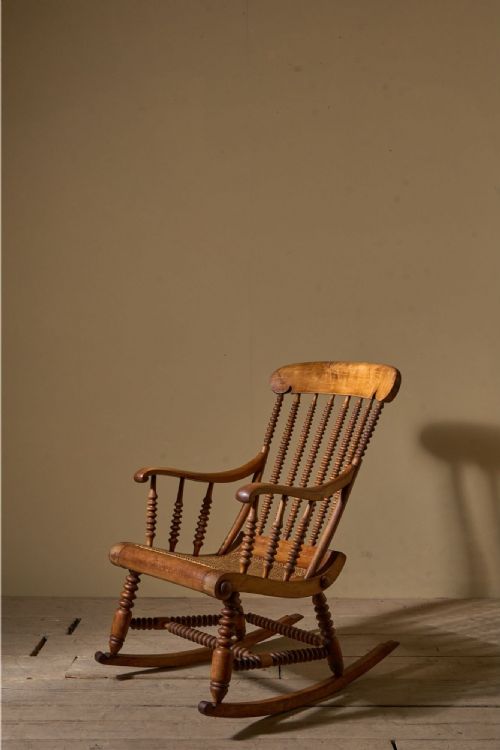
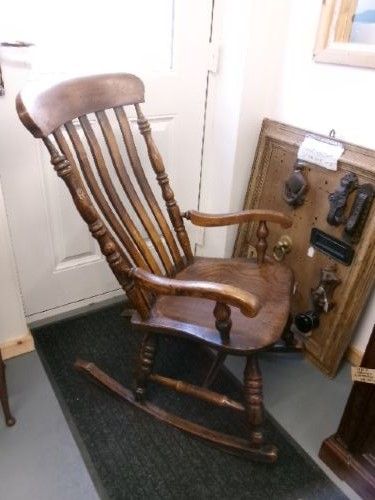
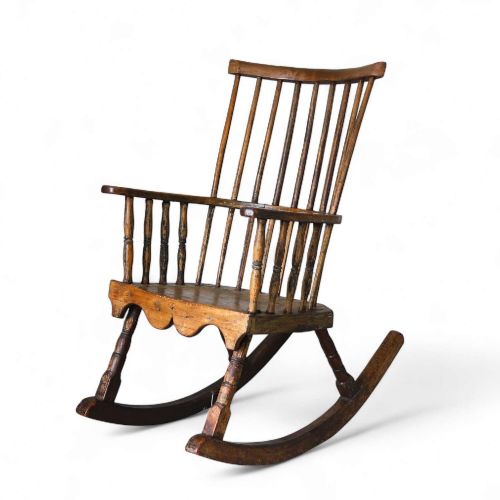
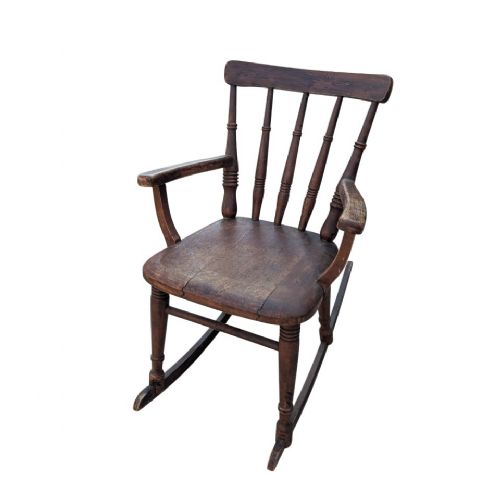
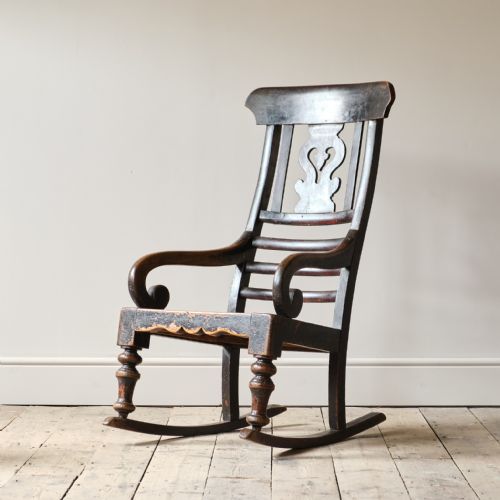
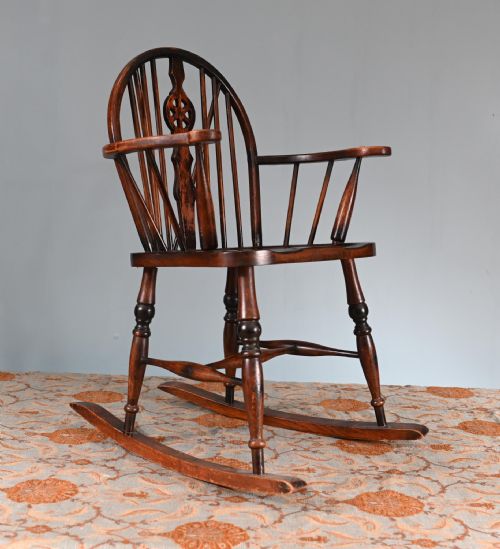
A country wooden rocker takes many forms across domestic interiors, appearing most frequently as Windsor armchairs, spindle-backs, ladder-backs, and low children's seating fitted with curved runners. These pieces span the eighteenth, nineteenth, and early twentieth centuries, drawing on regional vernacular traditions from England, Scotland, Scandinavia, and America.
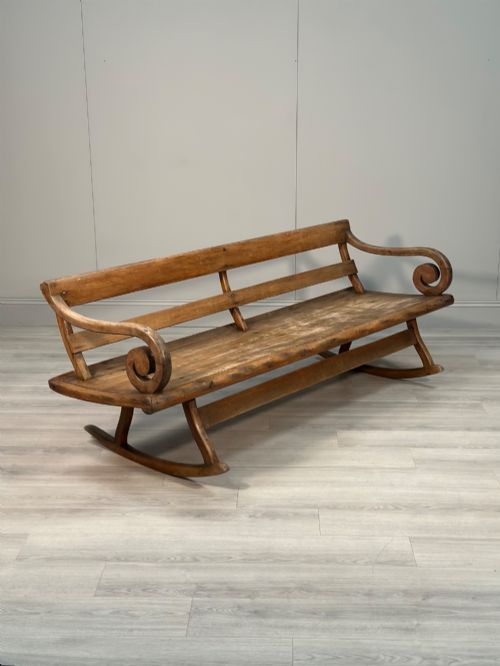
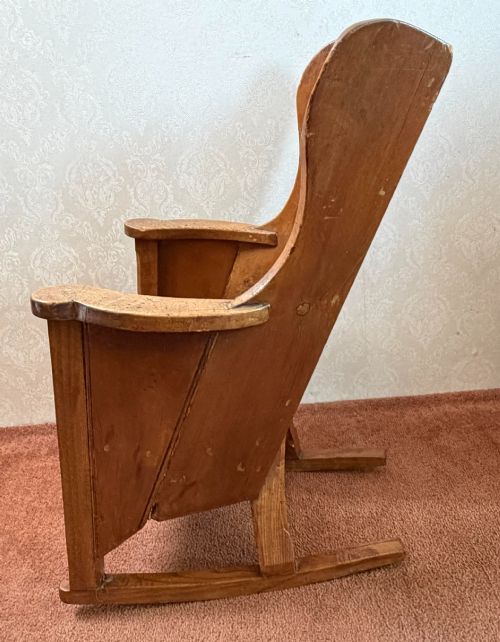
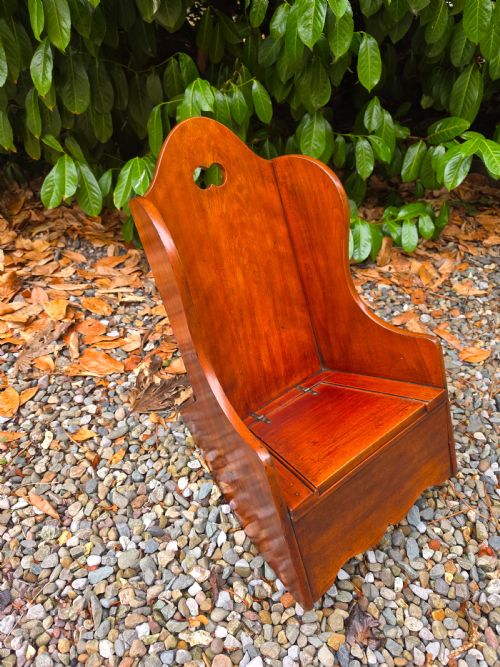
The selection here includes small child-sized potty rockers, fireside armchairs, panelled pine cradles on rockers, and larger rocking settles designed for communal rooms. Such items reflect everyday domestic life rather than formal parlour display, relying on honest construction and utilitarian design.
Materials and construction
Local timbers dictate the fabrication of these chairs and cradles, with elm, oak, beech, ash, fruitwood, and pine chosen for strength and availability. Woods are frequently mixed within a single frame, combining flexible ash for spindles with tough elm for solid seats.
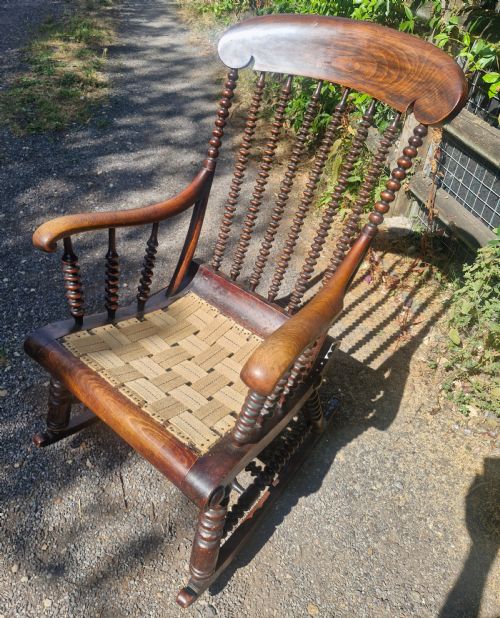
Joinery methods rely on traditional bodging and carpentry techniques, including turned bobbin frames, comb-backs, and socketed spindles. Surfaces often retain original paint, dark ebonising, or natural grain enhanced by decades of handling.
Several miniature child and doll-sized rockers survive alongside full-sized settles, proving that tiny Victorians also demanded proper seating by the fire.
Judging quality and integrity
Superior examples display an unaltered relationship between the upper seating structure and the original wooden rockers, showing balanced proportions and harmonious timber selection. The integration of turned elements, such as bobbin or spindle framings, reveals the maker's proficiency.
Evidence of honest wear, patination, and original surface treatments such as early paint or undisturbed polish elevate a piece. Modifications to the rocker bases or replaced underframes diminish the historical integrity of the object.
The Country Wooden Rocker Glossary
- Windsor
- A chair built with a solid wooden seat into which the legs, back spindles, and arms are separately tenoned. This construction provides robust stability without heavy framing.
- Bobbin turned
- A style of furniture leg or stretcher shaped on a lathe to resemble a series of wooden reels or bobbins placed end to end. It is typical of seventeenth and nineteenth-century vernacular pieces.
- Comb-back
- A Windsor chair variation where the top rail resembles the teeth of a comb, extending the vertical spindles upwards. This provides distinct upper back support.
- Ladder back
- A chair back constructed from horizontal arched slats placed between two vertical rear posts. It is a traditional form found in many early vernacular seats.
- Vernacular
- Objects made by local craftsmen for everyday regional use rather than following strict high-style academic architectural designs. These pieces adapt traditional forms to local materials.
Country Wooden Rocker: Frequently Asked Questions
Were all wooden rockers originally made for the nursery?
While many small examples and cradles served children, standard-sized rocking armchairs and settles were built for general domestic use beside the hearth. Adults utilised them for rest, nursing, and fireside tasks in farmhouses and cottages.
The inclusion of low fireside seats and wider armchairs indicates that adults made up a significant portion of the original users.
What is the difference between a Windsor rocker and a ladder back rocker?
A Windsor rocker uses a solid carved wooden seat that acts as the central anchor for turned legs and independent back spindles. A ladder back rocker employs vertical side posts connected by horizontal curved slats.
Both forms belong to the country tradition but utilise completely different structural frameworks to support the sitter.
How should I care for a painted wooden rocker?
Preserving original paint or historic finishes requires stable indoor humidity and protection from direct sunlight. Dusting with a dry, soft cloth prevents grime accumulation without disturbing the dry patination of the surface.
Avoid modern liquid polishes or aggressive cleaning agents that can soften or strip centuries of accumulated character.