

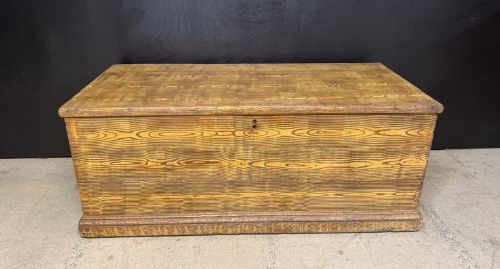
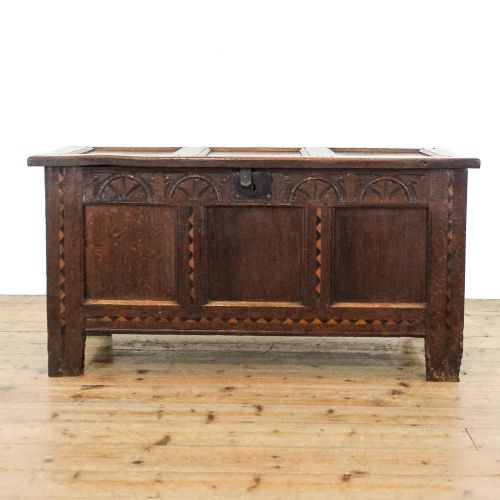
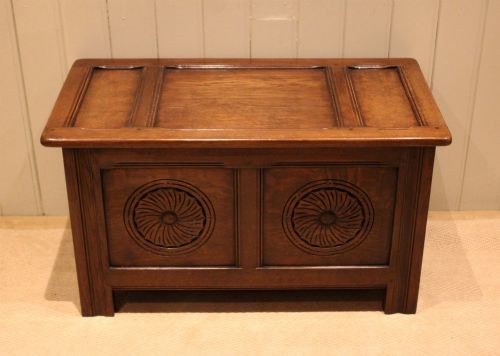
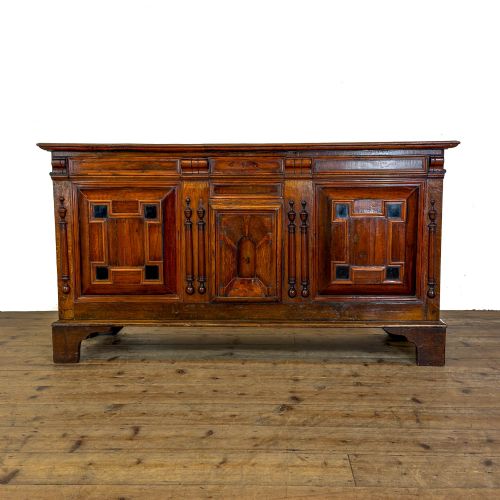
Traditional Mule Chest
A traditional mule chest brings centuries of practical storage into a room with solid timber and honest proportions.
Traditional Mule Chest
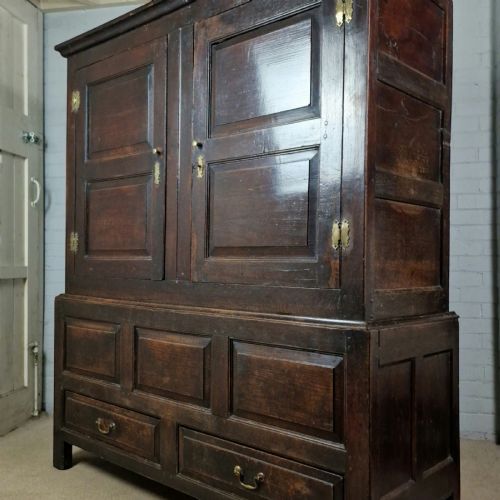
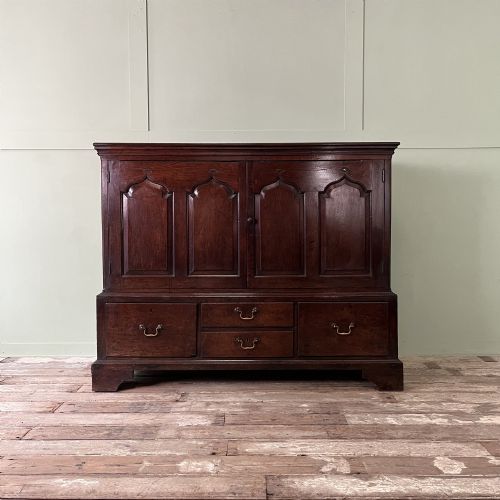
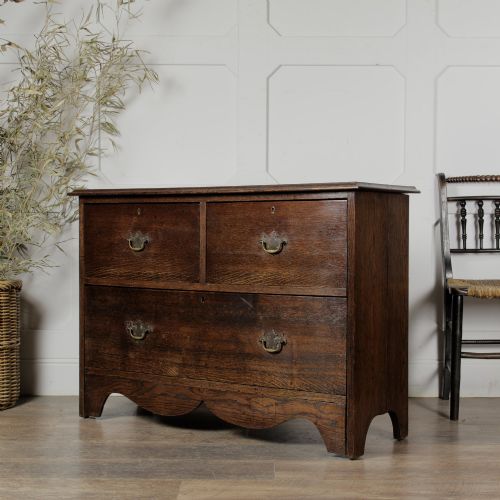
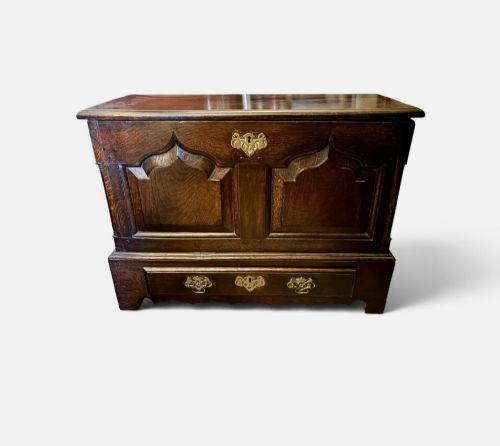
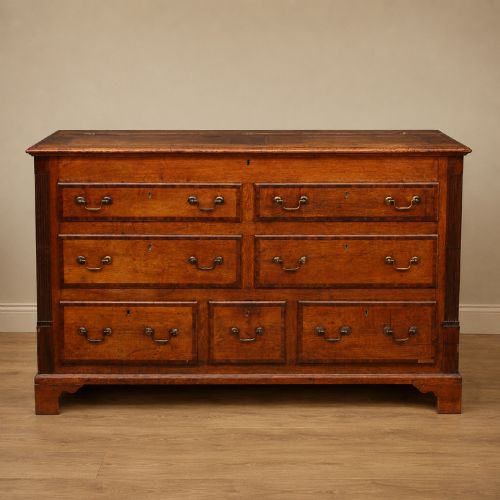
A traditional mule chest combines a deep blanket box with one or more lower drawers beneath the main compartment. This hybrid form emerged to provide both hanging or folding storage above and smaller compartment space below.
The pieces available on this page span several centuries, with particular strength in Georgian and 18th-century examples alongside earlier 17th-century pieces and later revival items. Oak dominates the selection, accompanied by pine, elm, and mahogany accents.
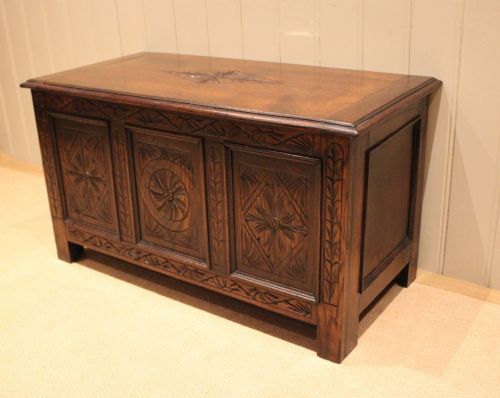
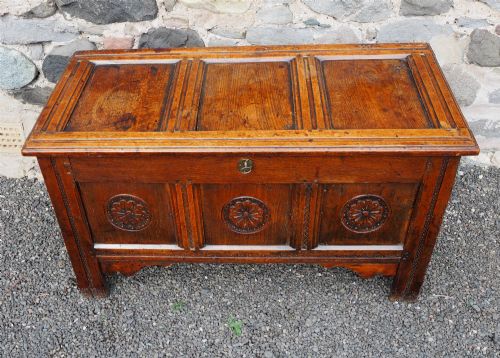
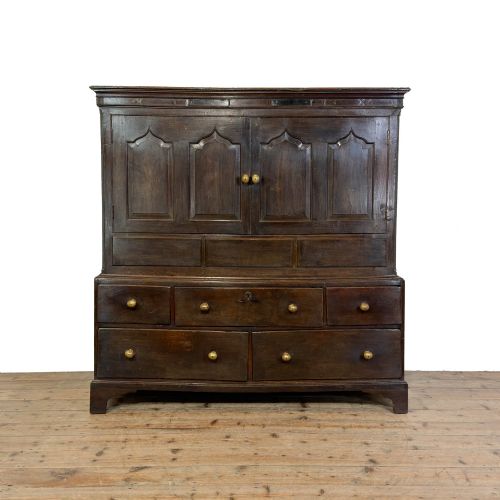
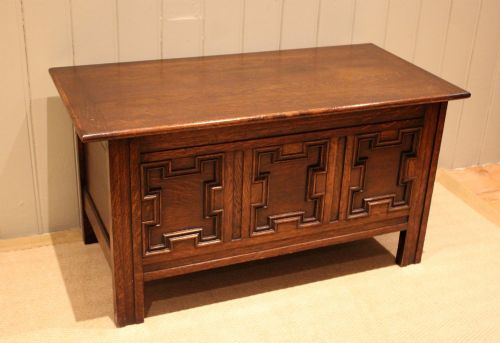
Regional variations appear frequently among the listings, including Welsh and Lancashire forms that highlight local cabinet-making traditions. Buyers encounter everything from robust six-plank constructions to elaborate panelled designs with crossbanding.
Materials and construction methods
Timber selection dictates the character of these pieces, with native hardwoods like oak and elm providing the structural backbone for most examples. Pine appears regularly in regional pieces, while mahogany crossbanding and brass hardware add decorative contrast to later Georgian surfaces.
Joinery methods rely heavily on pegged frame-and-panel construction or sturdy plank assembly designed to withstand heavy daily use. Drawers utilise traditional dovetail joints to secure the lower compartments beneath the primary storage space.
Some chests hide tiny interior candle boxes beneath their lids, meant to keep tallow safe from wandering mice.
Assessing quality and proportion
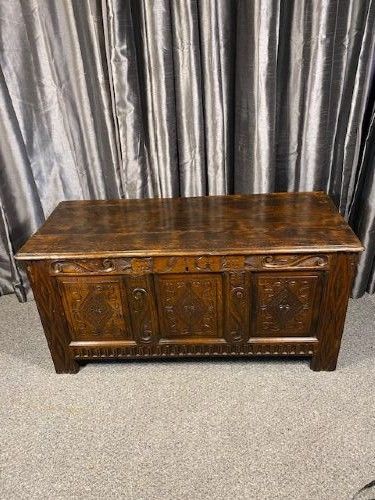
Quality rests primarily in the integrity of the timber and the crispness of any carved or applied decoration. Superior examples maintain their original drawer configurations and structural framing without excessive replacement of core boards.
The balance of proportions between the upper chest body and the lower drawer section defines a well-executed piece. Finer items often display thoughtful secondary timbers, such as burr elm panels or rich mahogany banding, alongside patinated brass drawer pulls.
The Traditional Mule Chest Glossary
- Mule chest
- A storage chest featuring one or more drawers built into the base beneath the main lift-lid compartment. This design bridges the evolution between the simple coffer and the chest of drawers.
- Coffer
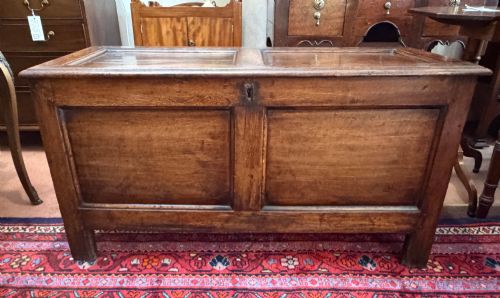
- A heavy wooden box with a hinged lid used originally for storing valuables, textiles, or documents. Many early examples form the structural basis of the later mule chest.
- Crossbanding
- A narrow strip of veneer laid across the grain of the primary timber to frame a drawer front or panel. This decorative technique appears frequently on Georgian pieces.
- Six-plank coffer
- A primitive chest constructed from six principal boards joined simply at the corners. This method represents one of the earliest forms of joined furniture.
- Coffer bach
- A small Welsh coffer, often featuring a single drawer beneath the main box. The term translates directly from Welsh as little chest.
Traditional Mule Chest: Frequently Asked Questions
What is a traditional mule chest?
A traditional mule chest is a deep storage box with one or more drawers fitted beneath the main lifting lid. It developed to offer the large capacity of a coffer combined with the easier access of drawer storage.
Most examples are constructed from solid oak or pine, reflecting regional cabinet-making styles from the seventeenth to the nineteenth century.
How were mule chests used historically?
These chests served primarily for storing household linens, blankets, and woollen garments in domestic spaces. The lower drawers held smaller clothing items or personal documents that required quicker access than lifting the heavy lid.
Families often placed them in bedrooms, hallways, or living areas where they doubled as casual seating surfaces.
How do I style a mule chest at home?
A mule chest works effectively as a functional focal point in a hallway, living room or bedroom. The flat top surface provides an ideal display area for lamps, books, or decorative objects while keeping everyday storage hidden.
Ensure you leave adequate clearance above or in front of the piece if you plan to lift the lid regularly for accessing bulky items.
How can I tell the age of a chest?
Dating relies on observing construction details such as hand-cut dovetails, timber types, and fixings like handmade nails or wooden pegs. Earlier seventeenth-century pieces generally feature heavy panelled oak construction, while later Georgian and nineteenth-century examples introduce mahogany banding, painted finishes, or pine.
Tool marks and the natural wear of the wood grain also provide reliable clues to a piece's age and origin.